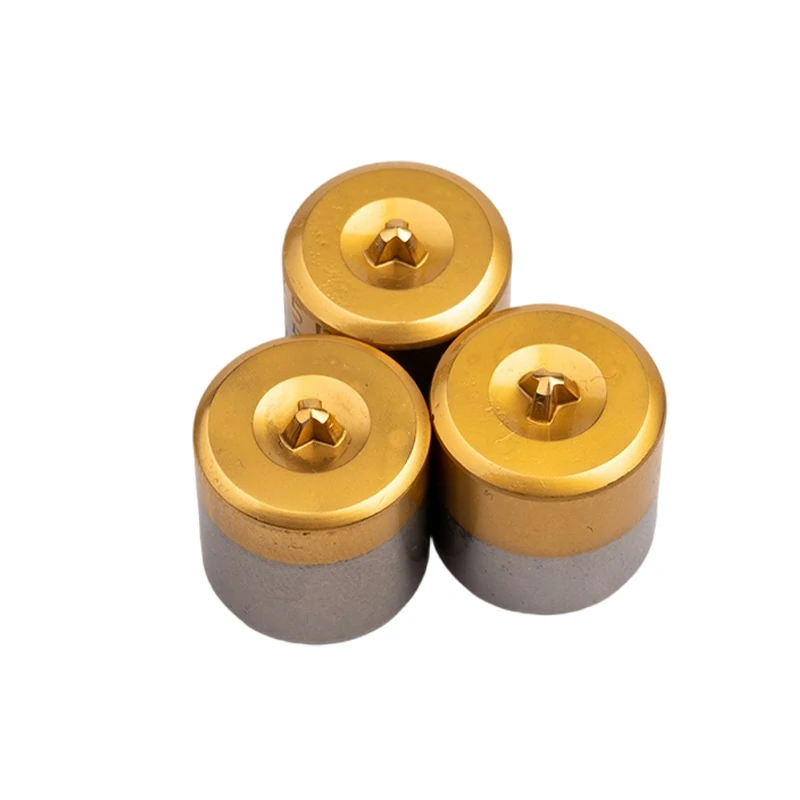
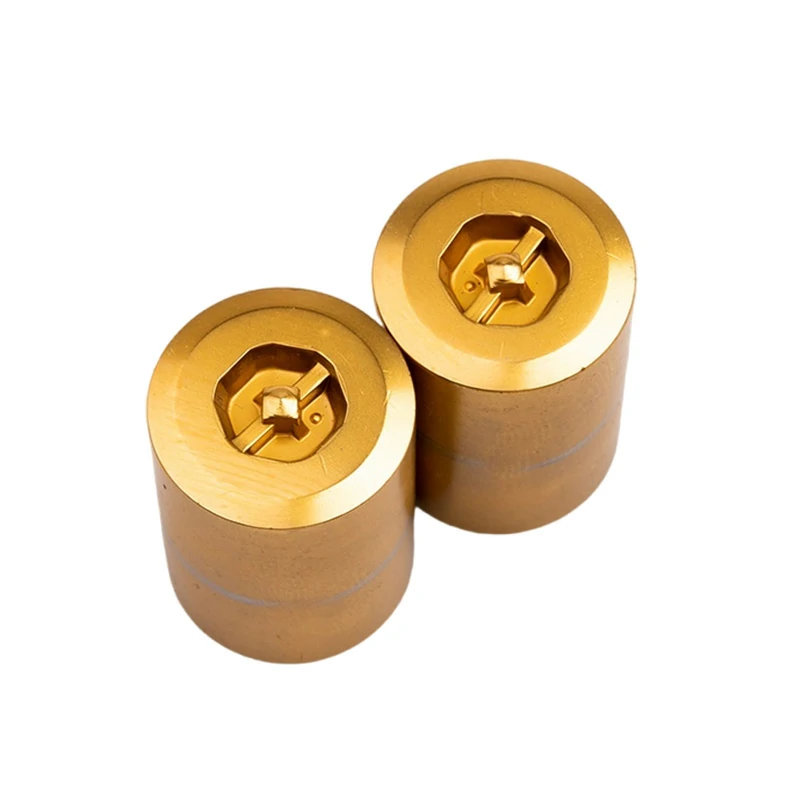
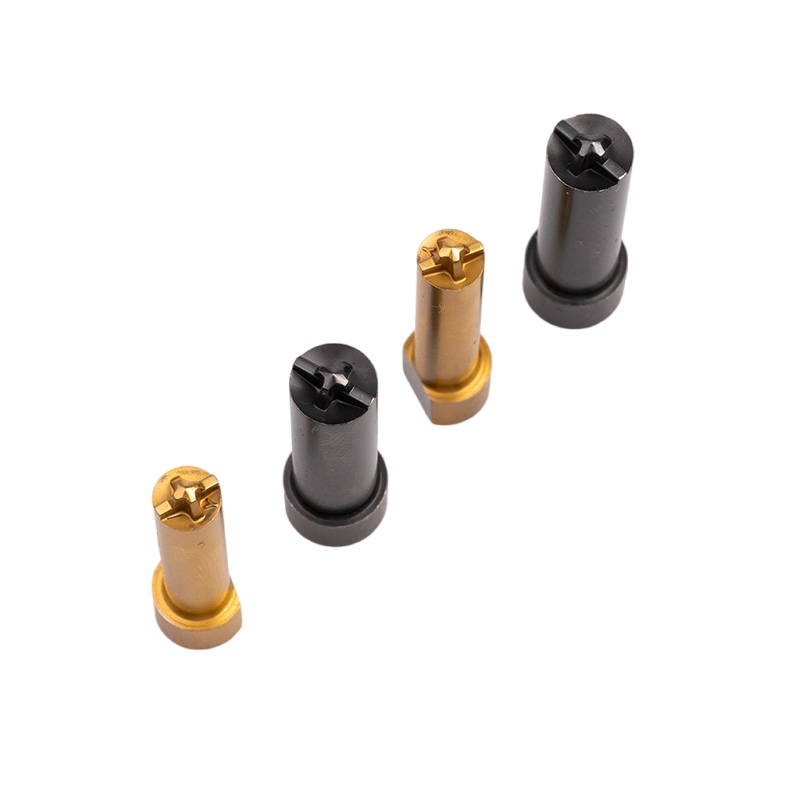
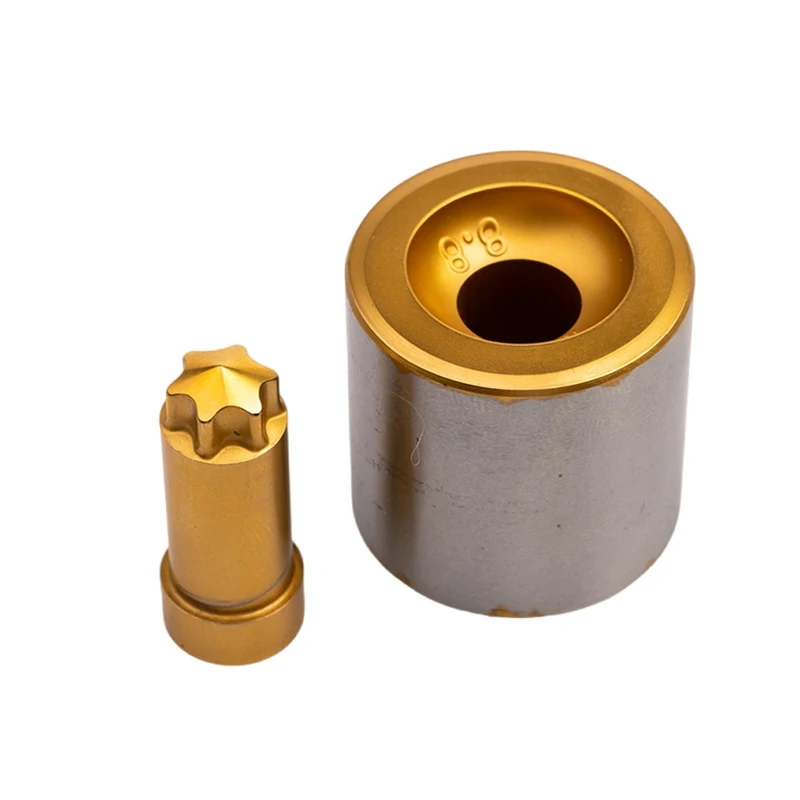
Carbide heading dies are the preferred choice in modern fastener manufacturing due to their exceptional hardness, wear resistance, and compressive strength, which significantly outperform traditional steel dies. This superior performance translates directly into extended tool life, higher production efficiency, and consistently precise fastener dimensions, making them an indispensable investment for high-volume and high-precision cold forming operations.
In the demanding world of fastener production, where precision, speed, and durability are paramount, the choice of tooling can make or break a manufacturing operation. Traditional steel dies, while cost-effective for some applications, often fall short when faced with the rigorous demands of high-volume cold heading. This is where carbide heading dies step in, offering a transformative advantage that redefines efficiency and quality. Let’s explore the compelling reasons why manufacturers are increasingly turning to carbide.

Table of Contents
- What Makes Carbide Heading Dies Superior in Hardness and Wear Resistance?
- How Do Carbide Heading Dies Improve Production Efficiency and Reduce Downtime?
- What Are the Cost-Benefit Advantages of Investing in Carbide Heading Dies?
- How Do Carbide Heading Dies Ensure Higher Precision and Surface Finish?
- What Role Do Carbide Heading Dies Play in Forming Difficult Materials?
- How Does XILUO Ensure the Quality and Performance of Its Carbide Heading Dies?
1. What Makes Carbide Heading Dies Superior in Hardness and Wear Resistance?
The core advantage of carbide heading dies lies in their exceptional material properties, particularly their hardness and wear resistance, which far exceed those of conventional tool steels. Carbide heading dies derive their superiority from a composite structure of tungsten carbide particles bonded within a cobalt matrix, providing extreme hardness to resist abrasive wear and high compressive strength to withstand intense forming pressures. This unique composition ensures significantly longer tool life and maintains dimensional accuracy over extended production runs.
The Unique Composition of Tungsten Carbide
Tungsten carbide (WC) is a ceramic-metal composite, often referred to as “cemented carbide.” It’s not a pure metal but a material where hard tungsten carbide particles are “cemented” together by a softer, tougher binder metal, typically cobalt.
- Example 1: Microstructure for Hardness: Imagine a brick wall where the bricks are incredibly hard tungsten carbide particles, and the mortar is the cobalt binder. This structure provides immense resistance to scratching, abrasion, and indentation. When a carbide heading die forms a fastener, the hard WC particles resist the abrasive action of the flowing metal, preventing material removal from the die surface.
- Example 2: Cobalt’s Role in Toughness: While WC provides hardness, the cobalt binder adds crucial toughness and ductility, preventing the die from becoming overly brittle and prone to chipping or catastrophic failure under impact loads. The percentage of cobalt (typically 6-12%) is carefully controlled to balance hardness and toughness for specific applications.
- Theoretical Basis: Hardness is a material’s resistance to plastic deformation, typically measured by indentation. Wear resistance is the ability to withstand material loss from friction. Tungsten carbide’s high covalent bonding strength contributes to its extreme hardness, while the composite structure with cobalt provides a balance of properties.
- Design Trade-offs: Higher cobalt content generally increases toughness but slightly reduces hardness and wear resistance. Lower cobalt content increases hardness but makes the die more brittle. XILUO’s expertise lies in selecting the optimal carbide grade for each specific heading application.
| Material Type | Hardness (HRA) | Compressive Strength (MPa) | Wear Resistance | Typical Application |
| Carbide (e.g., YG8) | 89-91 | 4000-5000 | Excellent | High-volume, high-precision cold heading |
| Tool Steel (e.g., D2) | 60-62 | 2000-2500 | Good | Lower volume, less abrasive materials |
Resistance to Abrasive and Adhesive Wear
The primary mode of failure for heading dies is wear, caused by the constant friction and material flow during the cold forming process. Carbide’s superior properties directly address these wear mechanisms.
- Example 1: Abrasive Wear: When heading materials like carbon steel or stainless steel, small hard particles (either from the workpiece or contaminants) can abrade the die surface. Carbide’s extreme hardness means these particles struggle to cut or scratch the die, significantly slowing down abrasive wear compared to softer steel dies. This maintains the die’s precise geometry for longer.
- Example 2: Adhesive Wear (Galling): Under high pressure, workpiece material can sometimes adhere to the die surface, leading to galling and material transfer. Carbide’s smooth, dense surface and lower coefficient of friction (compared to some steels) reduce the tendency for material adhesion, minimizing galling and ensuring a cleaner release of the formed part.
- Practical Impacts: The enhanced wear resistance of carbide heading dies translates directly into extended production runs without needing die changes. This reduces downtime, increases machine utilization, and lowers overall tooling costs. XILUO’s carbide heading dies are renowned for their durability, allowing customers to achieve consistent quality over millions of cycles.
2. How Do Carbide Heading Dies Improve Production Efficiency and Reduce Downtime?
Beyond their inherent material superiority, carbide heading dies are pivotal in boosting overall production efficiency and significantly reducing costly downtime in fastener manufacturing. Carbide heading dies improve efficiency by enabling longer continuous production runs due to their exceptional wear resistance, which minimizes the frequency of die changes and machine recalibrations. This reduction in downtime, coupled with consistent part quality, directly translates to higher output and lower operational costs.
Extended Tool Life and Reduced Die Changes
The most direct impact of carbide’s wear resistance is the dramatic increase in tool life compared to steel dies.
- Example 1: High-Volume Production: In a facility producing millions of screws daily, a steel die might need replacement every few hundred thousand parts due to wear. A carbide heading die, however, can often produce several million parts before requiring replacement or re-polishing. This means fewer interruptions for die changes, allowing the heading machine to run continuously for much longer periods.
- Example 2: Complex Geometries: For fasteners with intricate head designs or tight tolerances, maintaining the die’s precise geometry is crucial. Carbide’s ability to resist wear ensures that these complex features remain accurate for an extended duration, preventing the need for early die replacement due to loss of form.
- Theoretical Basis: Tool life is inversely proportional to the wear rate. By significantly reducing the wear rate, carbide dies inherently extend the time a tool can remain in service before reaching its end-of-life criterion (e.g., exceeding dimensional tolerance, poor surface finish).
- Practical Impacts: Fewer die changes mean less time spent by operators on setup and adjustment, freeing them for other tasks. It also reduces the consumption of spare parts and simplifies inventory management.
| Die Material | Typical Production Cycles Before Replacement | Downtime for Die Change (Estimated) | Impact on Annual Production (Example) |
| Tool Steel | 100,000 – 500,000 | 30-60 minutes | Frequent stoppages, lower output |
| Carbide | 1,000,000 – 5,000,000+ | 30-60 minutes | Significantly fewer stoppages, higher output |
Consistent Part Quality and Reduced Rework
Maintaining consistent part quality is a cornerstone of efficient manufacturing. Worn dies produce inconsistent parts, leading to rework or scrap.
- Example 1: Dimensional Stability: As a steel die wears, the dimensions of the formed fastener heads gradually change (e.g., head diameter shrinks, recess depth becomes shallower). This necessitates frequent adjustments or leads to out-of-spec parts. Carbide dies, due to their minimal wear, maintain their precise dimensions for much longer, ensuring that fasteners produced at the beginning of a run are virtually identical to those produced at the end.
- Example 2: Surface Finish: A worn die can also impart a rough or galled surface finish to the fastener head. Carbide’s smooth, wear-resistant surface helps maintain an excellent surface finish on the formed parts, reducing the need for secondary finishing operations and minimizing rejections due to cosmetic defects.
- Practical Advice: By ensuring consistent part quality, carbide heading dies reduce the need for frequent quality checks and adjustments, streamlining the production process. This also minimizes the amount of scrap material, contributing to cost savings. XILUO’s carbide heading dies are engineered for precision, ensuring that every fastener meets the highest quality standards from the first piece to the last.
3. What Are the Cost-Benefit Advantages of Investing in Carbide Heading Dies?
While the initial purchase price of carbide heading dies is typically higher than that of steel dies, their long-term cost-benefit advantages are substantial, making them a superior economic choice for many fastener manufacturers. Investing in carbide heading dies offers significant cost savings through reduced tooling expenditure over time, minimized machine downtime, lower labor costs associated with die changes, and decreased scrap rates due to consistent part quality. These factors collectively lead to a much lower total cost of ownership and higher profitability.
Reduced Total Tooling Costs Over Time
The higher upfront cost of carbide dies is quickly offset by their extended lifespan.
- Example 1: Tooling Budget: Consider a scenario where a steel die costs 100andlastsfor200,000parts,whileacarbidediecosts100 and lasts for 200,000 parts, while a carbide die costs 100andlastsfor200,000parts,whileacarbidediecosts500 but lasts for 2,000,000 parts. To produce 2,000,000 parts, you would need 10 steel dies (1000total)versusjust1carbidedie(1000 total) versus just 1 carbide die (1000total)versusjust1carbidedie(500 total). This demonstrates a clear long-term saving on tooling purchases.
- Example 2: Re-polishing and Maintenance: Carbide dies, when they do show signs of wear, can often be re-polished or re-worked multiple times, further extending their life. This is a service XILUO provides, maximizing the value of the initial investment. Steel dies, due to their softer nature, have fewer opportunities for effective re-working.
- Theoretical Basis: Total Cost of Ownership (TCO) includes not just the purchase price but also operational costs, maintenance, and replacement costs over the product’s lifespan. Carbide dies, despite higher initial cost, have a significantly lower TCO due to their durability.
- Practical Impacts: Reduced tooling expenditure frees up capital that can be invested elsewhere, improving the company’s financial flexibility.
| Cost Factor | Steel Dies (per 2M parts) | Carbide Dies (per 2M parts) | Savings with Carbide |
| Die Purchase Cost | 1000(10dies@1000 (10 dies @ 1000(10dies@100) | 500(1die@500 (1 die @ 500(1die@500) | $500 |
| Downtime Cost | 5 hours (10 changes @ 30min) | 0.5 hours (1 change @ 30min) | 4.5 hours (significant) |
| Labor Cost (changes) | 250(5hrs@250 (5 hrs @ 250(5hrs@50/hr) | 25(0.5hrs@25 (0.5 hrs @ 25(0.5hrs@50/hr) | $225 |
| Scrap/Rework Cost | Higher (due to inconsistency) | Lower (due to consistency) | Significant |
Reduced Labor and Overhead Costs
The efficiency gains from carbide dies extend beyond just the cost of the dies themselves.
- Example 1: Labor for Die Changes: Each time a die needs to be changed, an operator’s time is consumed. With fewer die changes, labor costs associated with setup, adjustment, and troubleshooting are significantly reduced. This allows skilled operators to focus on more value-added tasks.
- Example 2: Machine Utilization: Downtime for die changes means the heading machine is idle, not producing parts. By minimizing these stoppages, carbide dies maximize machine utilization, allowing for higher output from existing equipment without needing to invest in additional machinery. This is particularly critical in high-volume manufacturing environments.
- Practical Advice: When evaluating tooling options, it’s crucial to look beyond the initial price tag and consider the holistic impact on production costs. XILUO helps clients understand these long-term benefits through detailed cost-benefit analyses, demonstrating how their high-quality carbide heading dies deliver superior value.
4. How Do Carbide Heading Dies Ensure Higher Precision and Surface Finish?
In the realm of fastener manufacturing, precision and surface finish are not merely aesthetic considerations; they are critical determinants of a fastener’s functional performance, assembly ease, and overall quality. Carbide heading dies ensure higher precision and superior surface finish due to their exceptional hardness and wear resistance, which maintain the die’s exact geometry and smooth working surfaces for extended periods. This prevents the transfer of imperfections to the fastener and allows for the consistent production of parts within tight dimensional tolerances.
Maintaining Exact Die Geometry
The ability of carbide to resist wear means that the intricate details of the die’s design, including critical dimensions and radii, remain unchanged for a significantly longer time.
- Example 1: Tight Tolerances: For fasteners requiring extremely tight tolerances on head diameter, recess depth, or shoulder dimensions (e.g., aerospace fasteners, medical device components), even slight wear on a steel die can quickly push parts out of spec. Carbide dies maintain these critical dimensions with unwavering accuracy over millions of cycles, ensuring consistent conformity.
- Example 2: Complex Head Forms: Modern fasteners often feature complex head geometries, such as multi-lobe recesses (Torx, Hexalobular) or decorative head designs. Carbide’s wear resistance ensures that these intricate forms are consistently replicated on every fastener, preventing distortion or loss of detail that would occur with softer dies.
- Theoretical Basis: Precision in cold forming is directly linked to the fidelity of the die’s working surface. Any degradation of the die’s geometry due to wear directly translates to a loss of precision in the formed part.
- Practical Impacts: Higher precision reduces the need for post-forming machining or grinding, saving time and cost. It also ensures perfect fit and function in assemblies, preventing costly rework or field failures.
| Die Material | Dimensional Stability Over Time | Ability to Hold Tight Tolerances | Surface Finish Quality |
| Tool Steel | Degrades relatively quickly | Limited for high-precision | Can degrade with wear |
| Carbide | Excellent, highly stable | Superior, ideal for high-precision | Consistently high |
Superior Surface Finish on Fasteners
The surface quality of the die directly influences the surface finish of the formed fastener.
- Example 1: Smooth Die Surface: Carbide dies can be polished to an extremely fine, mirror-like finish. This smooth surface reduces friction during forming and prevents material adhesion (galling). The result is a fastener head with a superior, unblemished surface finish, which is crucial for aesthetic applications or when coatings need to adhere perfectly.
- Example 2: Preventing Galling and Material Transfer: As discussed earlier, carbide’s resistance to adhesive wear means less material from the workpiece sticks to the die. This prevents the die from becoming rough or pitted, which would otherwise transfer imperfections to subsequent fasteners, leading to torn or scratched surfaces.
- Practical Advice: For applications where surface finish is critical (e.g., visible fasteners, fasteners requiring specific coatings), carbide heading dies are indispensable. XILUO’s manufacturing process includes meticulous polishing and surface treatment of their carbide dies, ensuring they impart an exceptional finish to every fastener. This commitment to quality helps clients meet the most stringent cosmetic and functional requirements.
5. What Role Do Carbide Heading Dies Play in Forming Difficult Materials?
The increasing demand for fasteners made from advanced and high-performance materials presents significant challenges for cold heading. Carbide heading dies are essential for forming difficult materials such as stainless steel, high-strength alloys, and exotic metals due to their superior hardness, compressive strength, and wear resistance. These properties enable them to withstand the extreme forces and abrasive nature of these challenging materials, ensuring successful and efficient cold forming where traditional steel dies would rapidly fail.
Handling High-Strength and Abrasive Materials
Many modern applications require fasteners made from materials that are inherently difficult to form.
- Example 1: Stainless Steel: Stainless steel, known for its work-hardening properties and abrasiveness, rapidly wears down conventional steel dies. Carbide heading dies, with their extreme hardness, can withstand the abrasive action and the high forces required to deform stainless steel, making high-volume production feasible and economical.
- Example 2: High-Strength Low-Alloy (HSLA) Steels: Fasteners made from HSLA steels are used in demanding applications like automotive and construction. These materials require very high forming pressures. Carbide’s exceptional compressive strength allows it to withstand these pressures without deforming or fracturing, ensuring the successful formation of strong, precise fastener heads.
- Theoretical Basis: The ability to form difficult materials is directly related to the die material’s mechanical properties relative to the workpiece. For materials with high yield strength, high work-hardening rates, or abrasive characteristics, the die must possess superior hardness, strength, and wear resistance to induce plastic deformation without failing itself.
- Design Trade-offs: When forming very hard materials, the carbide grade might be selected for maximum hardness, potentially at the expense of some toughness. XILUO’s material specialists carefully balance these properties to optimize die performance for specific difficult materials.
| Material Being Formed | Challenges for Dies | Why Carbide Excels |
| Stainless Steel | High work-hardening, abrasive, high forming forces | Extreme hardness, wear resistance, compressive strength |
| High-Strength Alloys | Very high yield strength, high forming forces | Superior compressive strength, resistance to deformation |
| Titanium Alloys | High strength-to-weight, reactive, abrasive | Excellent wear resistance, chemical stability |
| Nickel Alloys | High strength at temp, difficult to deform | High hot hardness, resistance to galling |
Preventing Galling and Material Adhesion
Difficult materials often have a higher tendency to gall or adhere to die surfaces, especially under high pressure.
- Example 1: Titanium and Nickel Alloys: These materials are notorious for their tendency to gall. When forming fasteners from titanium or nickel alloys, traditional steel dies can quickly experience material buildup and tearing. Carbide’s smooth, dense surface and inherent chemical stability reduce the likelihood of adhesion, ensuring cleaner part release and preventing surface defects.
- Example 2: Preventing Cold Welding: In extreme cases, under high pressure and friction, workpiece material can cold weld to the die. Carbide’s properties make it highly resistant to this phenomenon, which would otherwise lead to severe die damage and part rejection.
- Practical Advice: For manufacturers working with challenging materials, carbide heading dies are not just an option but a necessity. XILUO’s extensive experience (over 24 years) in cold forming tooling includes specialized expertise in designing and manufacturing carbide dies for a wide range of difficult materials, providing tailored solutions that ensure successful and efficient production.
6. How Does XILUO Ensure the Quality and Performance of Its Carbide Heading Dies?
Choosing XILUO (Dongguan Xiluo Mold Technology Co., Ltd.) for carbide heading dies means partnering with a company that prioritizes quality, precision, and customer satisfaction. XILUO ensures the superior quality and performance of its carbide heading dies through a multi-faceted approach encompassing over 24 years of specialized expertise, stringent material selection of high-quality imported carbide, advanced manufacturing processes, comprehensive quality control at every stage, and a robust R&D capability for customized solutions. This commitment guarantees durable, high-precision dies that meet the most demanding fastener production requirements.
Unrivaled Expertise and R&D Capabilities
XILUO’s foundation is built on deep industry knowledge and a continuous drive for innovation.
- Example 1: 24+ Years of Experience: With over two decades in the industry, XILUO has accumulated unparalleled expertise in the design and manufacture of cold heading dies. This experience translates into a profound understanding of material behavior, die stress analysis, and optimal die geometries for various fastener types and materials. This historical knowledge is directly applied to every carbide heading die produced.
- Example 2: Dedicated R&D Team: XILUO boasts a strong R&D team, making it the only “one-stop” factory in China that integrates research, development, and production of a full range of fastener and wire cold heading dies. This capability allows XILUO to develop innovative die designs, optimize carbide grades, and provide tailored solutions for unique customer challenges, ensuring cutting-edge performance.
- Theoretical Basis: Continuous improvement and innovation are driven by a strong R&D foundation, allowing for the development of superior products and processes. Expertise ensures that theoretical knowledge is effectively translated into practical, high-performing tools.
- Practical Impacts: Customers benefit from dies that are not only robust but also optimized for their specific production needs, leading to higher efficiency and fewer problems.
| XILUO Core Competency | How it Ensures Die Quality & Performance |
| 24+ Years Experience | Deep understanding of cold heading, optimized designs, problem-solving |
| Strong R&D Team | Innovation, custom solutions, material optimization, cutting-edge tech |
| High-Quality Materials | Superior wear resistance, toughness, consistent performance |
| Advanced Manufacturing | Precision machining, tight tolerances, excellent surface finish |
| Strict QC | Dimensional accuracy, material integrity, defect prevention |
| Customization (OEM/ODM) | Tailored solutions for unique customer requirements |
Premium Material Selection and Advanced Manufacturing
The quality of a carbide heading die begins with the quality of its raw materials and the precision of its manufacturing.
- Example 1: High-Quality Imported Carbide: XILUO strictly selects high-quality imported carbide grades, ensuring that the base material possesses the optimal balance of hardness, toughness, and wear resistance required for demanding cold heading applications. This commitment to premium materials is a cornerstone of their dies’ durability and performance.
- Example 2: State-of-the-Art Production Facilities: Operating a 10,000 square meter production base with over 200 sets of advanced processing equipment, XILUO employs sophisticated manufacturing techniques. This includes precision grinding, EDM, and polishing processes that ensure the carbide dies are produced to extremely tight tolerances and possess a superior surface finish, critical for both die life and fastener quality.
- Practical Advice: XILUO’s rigorous quality control extends through all production stages, from raw material inspection to final product testing. Advanced testing equipment, such as profile projectors and secondary element measuring machines, are used to verify every critical dimension and surface characteristic, guaranteeing that each carbide heading die meets XILUO’s exacting standards and customer specifications. This meticulous approach minimizes defects and ensures reliable, high-performance tooling.
Conclusion
The decision to choose carbide heading dies is a strategic one for any fastener manufacturer committed to excellence. Their unparalleled hardness, wear resistance, and compressive strength directly translate into extended tool life, significantly improved production efficiency, and consistently high-precision fasteners. While the initial investment may be higher, the long-term cost-benefit advantages—including reduced downtime, lower labor costs, and minimized scrap rates—make carbide dies an economically superior choice, leading to a lower total cost of ownership and enhanced profitability.
XILUO (Dongguan Xiluo Mold Technology Co., Ltd.) stands as your ideal partner in leveraging the full potential of carbide heading dies. With over 24 years of specialized expertise, a robust R&D capability, and a steadfast commitment to using high-quality imported materials and advanced manufacturing processes, XILUO delivers custom-engineered carbide heading dies that consistently outperform. By choosing XILUO, you invest in durable, precise tooling that not only solves your most challenging cold heading problems but also elevates your entire fastener manufacturing operation to new levels of efficiency and quality.