Recent Blog

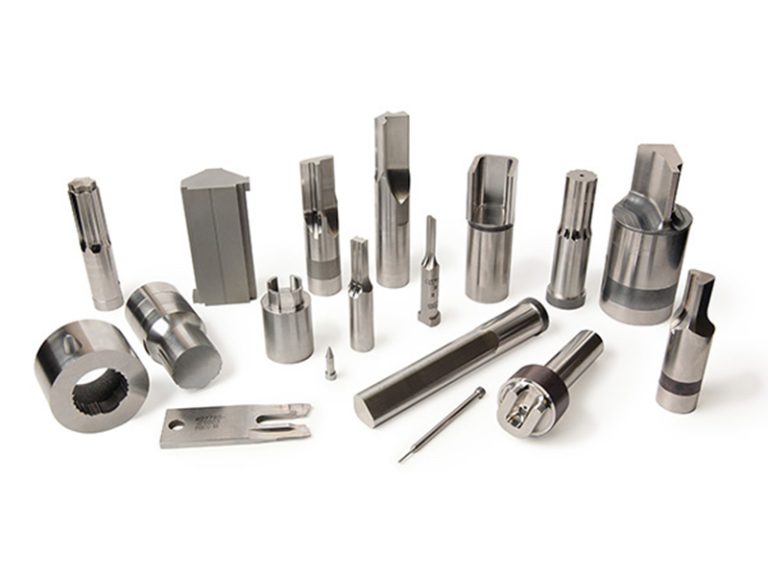
Header Punches

Header Punch Essentials: Key Features Every Manufacturer Must Know

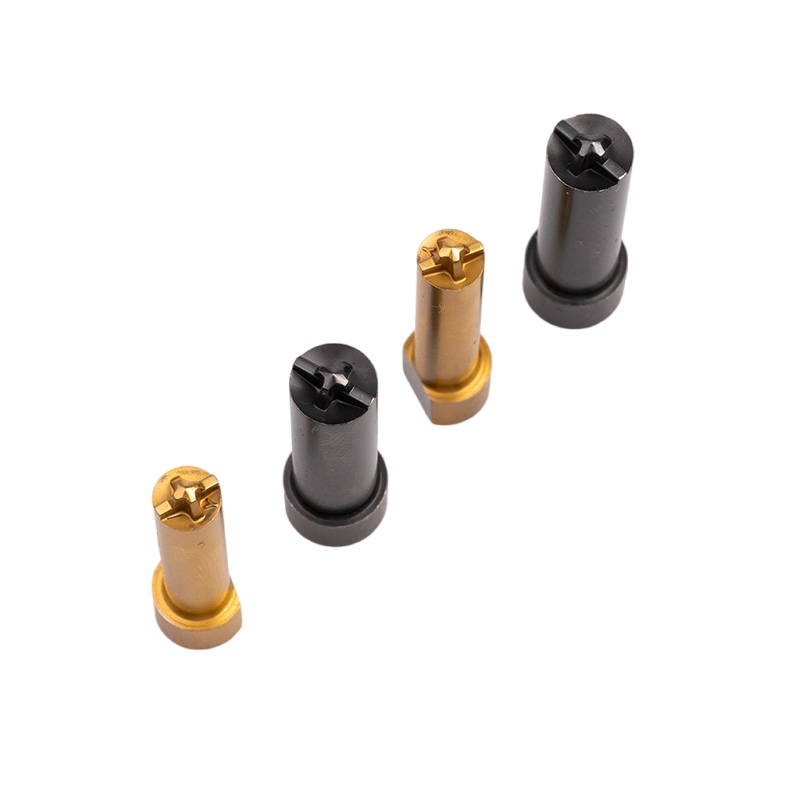
A header punch is a critical precision tool used in cold forming or cold heading processes to shape metal wire into the heads of fasteners, such as screws, bolts, and rivets. The quality, design, and material of the header punch directly impact the final product’s quality, production efficiency, and overall operational costs. Understanding its essential features is not just a technical detail; it is a fundamental requirement for any manufacturer looking to optimize production, minimize downtime, and deliver superior-quality fasteners. This guide delves into the key characteristics every manufacturer must know to make informed decisions about their tooling.

Header Punch vs. Conventional Punch: A Comparative Performance Analysis

A header punch is a specialized tool designed for high-impact cold forming operations, primarily used in creating fasteners like screws and bolts by shaping metal wire without heating it. In contrast, a conventional punch, often used in stamping or piercing, is designed to cut, shear, or create holes in sheet metal. The fundamental difference lies in their application and force dynamics: header punches are built for massive compressive force and plastic deformation, while conventional punches are optimized for shearing force and material removal.

The Critical Link: How Header Punch Design Dictates Fastener Production Efficiency

Header punch design directly impacts fastener production efficiency by influencing tool life, production speed, finished part quality, and scrap rates. An optimal design, which encompasses precise geometry, advanced materials like tungsten carbide, and specialized surface coatings, is fundamental to minimizing downtime from premature tool failure and ensuring consistent, high-quality material flow. This strategic approach to tooling doesn’t just create better fasteners; it directly translates to significant operational cost savings, reduced waste, and increased manufacturing throughput, forming the backbone of a profitable cold forming operation.

How Can Carbide Heading Dies Enhance Your Fastener Production Efficiency?

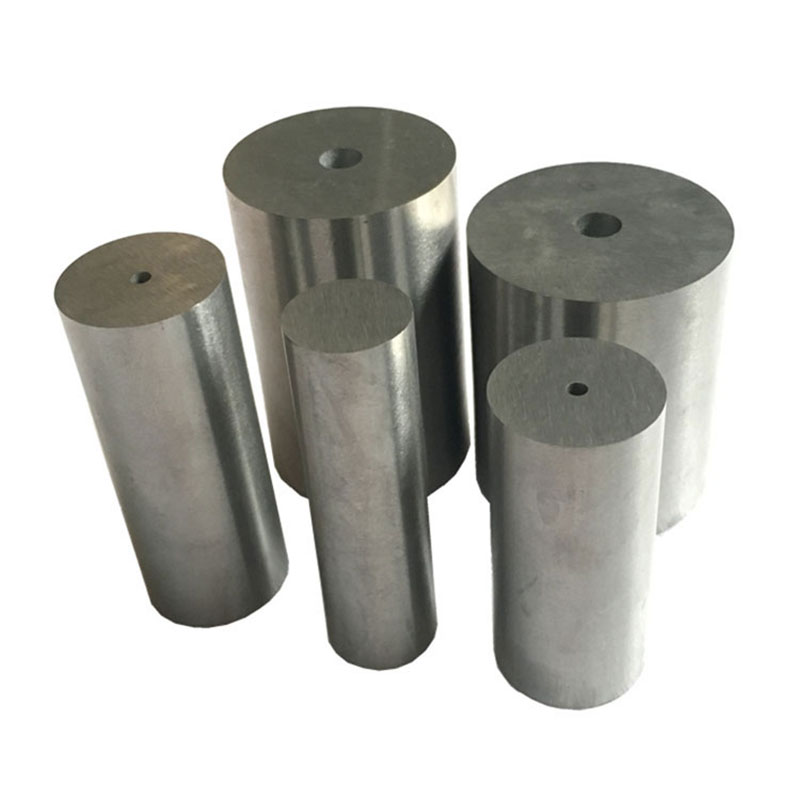
Carbide heading dies enhance fastener production efficiency by offering unparalleled wear resistance and durability, which leads to significantly longer tool life, drastically reduced machine downtime for tool changes, and the ability to maintain higher production speeds without sacrificing the dimensional accuracy of the final product. This translates directly into higher throughput, lower cost-per-unit, and a substantial return on investment. In the competitive world of fastener manufacturing, every second of uptime and every ounce of material counts. Manufacturers are constantly seeking a competitive edge, and the key often lies not in the machinery itself, but in the precision tooling that does the heavy lifting. While traditional steel dies have been a long-standing staple, the shift towards tungsten carbide heading dies represents a fundamental leap in productivity and quality. Understanding *how* these advanced tools achieve this is crucial for any production manager looking to optimize their operations and boost their bottom line.

Solving Fastener Quality Issues: The Unbeatable Role of Carbide Heading Dies

Before exploring the solution, it’s essential to understand the problem. Fastener quality issues are any deviations from the specified design, material integrity, or performance characteristics. These are not minor imperfections; they are critical flaws that can compromise the integrity of the final assembly, whether it’s in automotive, aerospace, or construction.

Master Guide: Troubleshooting Common Problems in Carbide Heading Die Usage

Common problems in carbide heading die usage, such as catastrophic cracking, premature wear, and surface galling, typically stem from a combination of factors including improper material selection, machine misalignment, inadequate lubrication, or incorrect operational parameters. Effective troubleshooting requires a systematic analysis of the failure mode—examining the die for specific symptoms—to identify the root cause, followed by targeted corrective actions. By implementing solutions like adjusting interference fits, optimizing lubricant application, ensuring precise machine alignment, and selecting the appropriate carbide grade for the application, manufacturers can significantly restore production efficiency, improve product quality, and extend the valuable service life of their tooling.

Top 5 Benefits of Using Carbide Heading Dies in Your Production

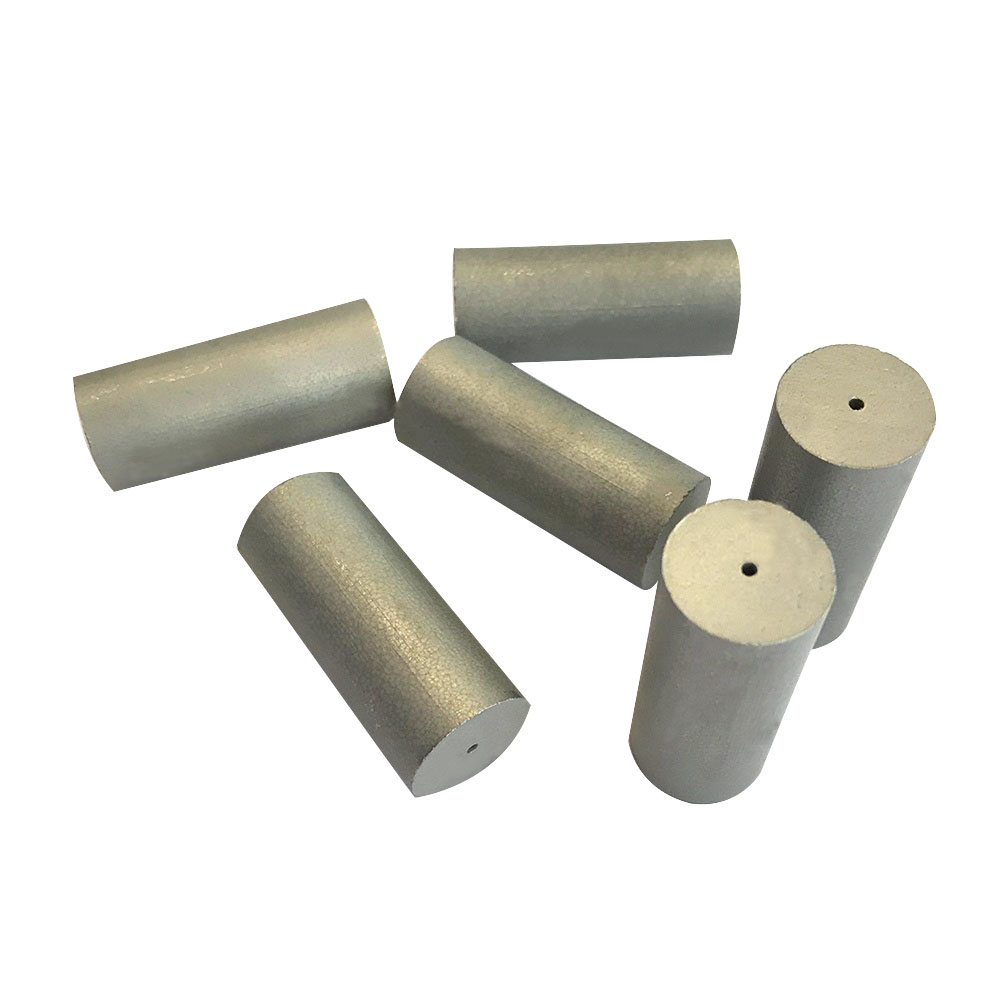
The primary benefits of using carbide heading dies in your production include unmatched durability for longer tool life, superior precision for consistent part quality, enhanced production efficiency with reduced downtime, significant long-term cost savings, and improved surface finish on final products. These advantages make tungsten carbide the superior material choice over traditional steel for high-volume, high-precision manufacturing environments. In the competitive world of fastener and component manufacturing, efficiency, precision, and cost-effectiveness are paramount. The tooling you choose directly impacts every aspect of your operation, from production speed to final product quality. While traditional steel dies have served the industry for years, the shift towards tungsten carbide heading dies represents a significant leap forward. This article, drawing on expertise from industry leaders like Xiluo Mold, will explore the top five transformative benefits of integrating carbide heading dies into your production line and explain why it’s a strategic investment for any forward-thinking manufacturer.

Carbide Heading Dies 101: Basics Every Manufacturer Should Know

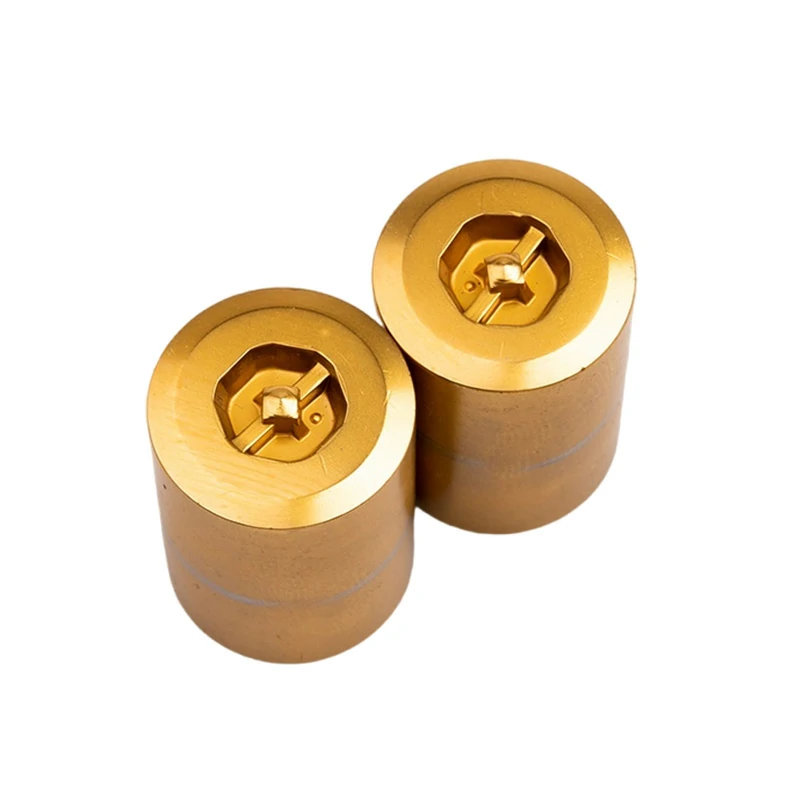
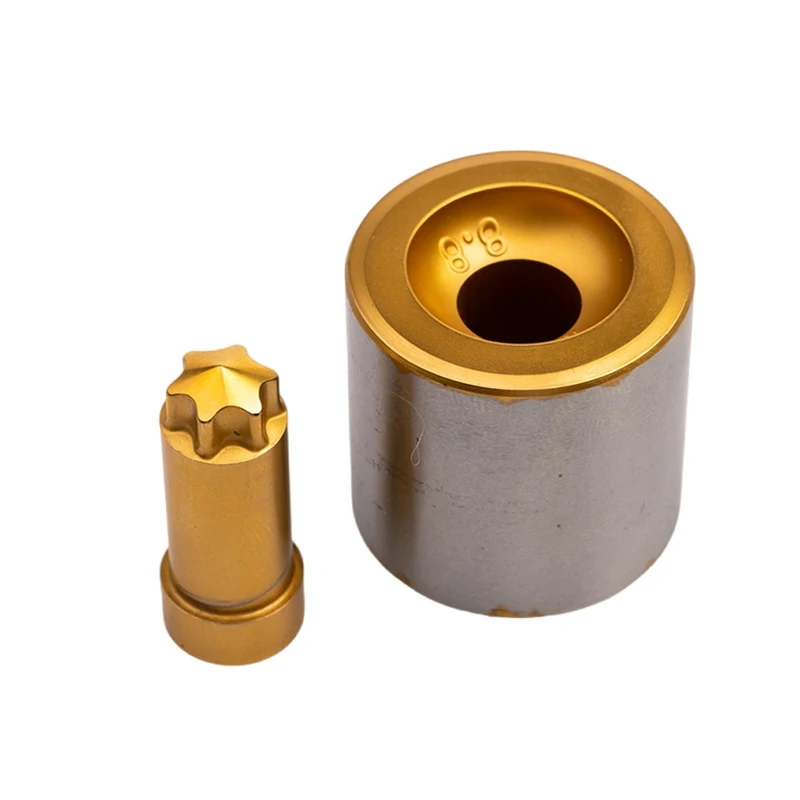
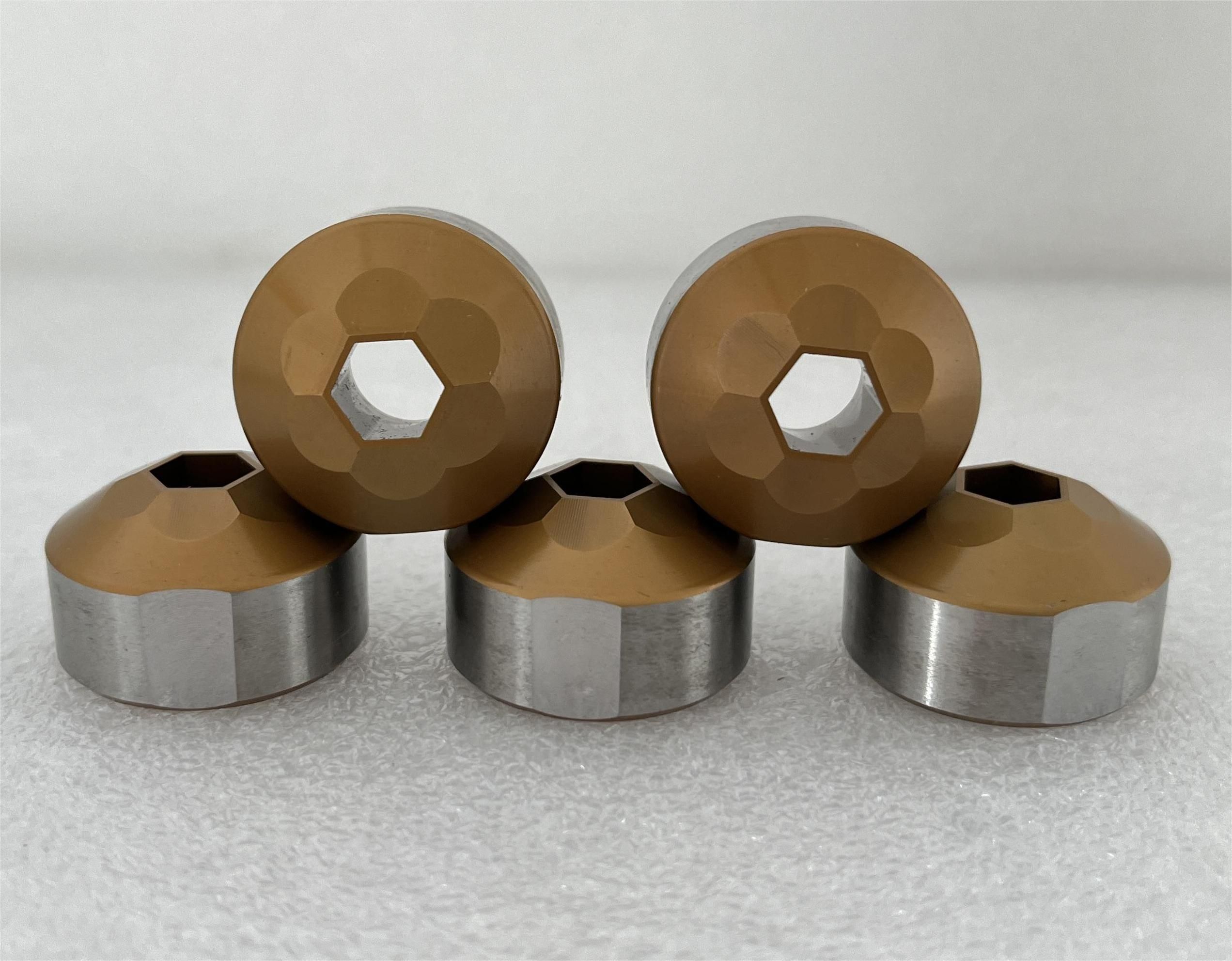
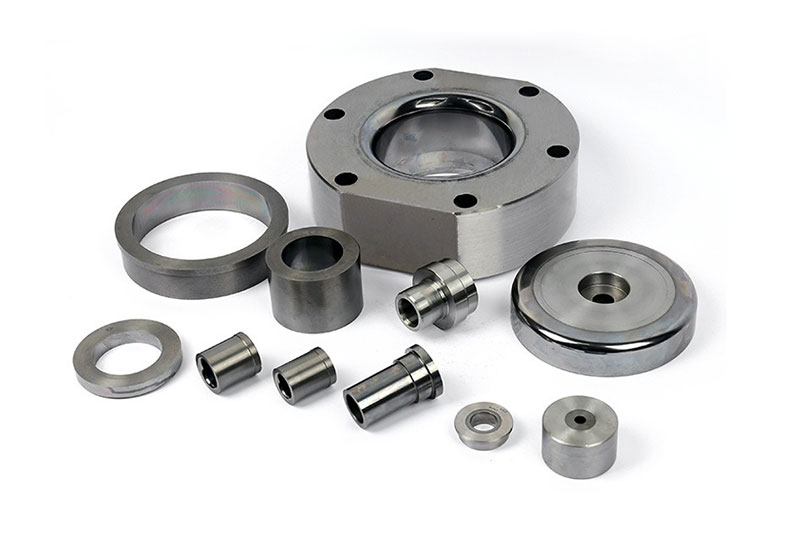
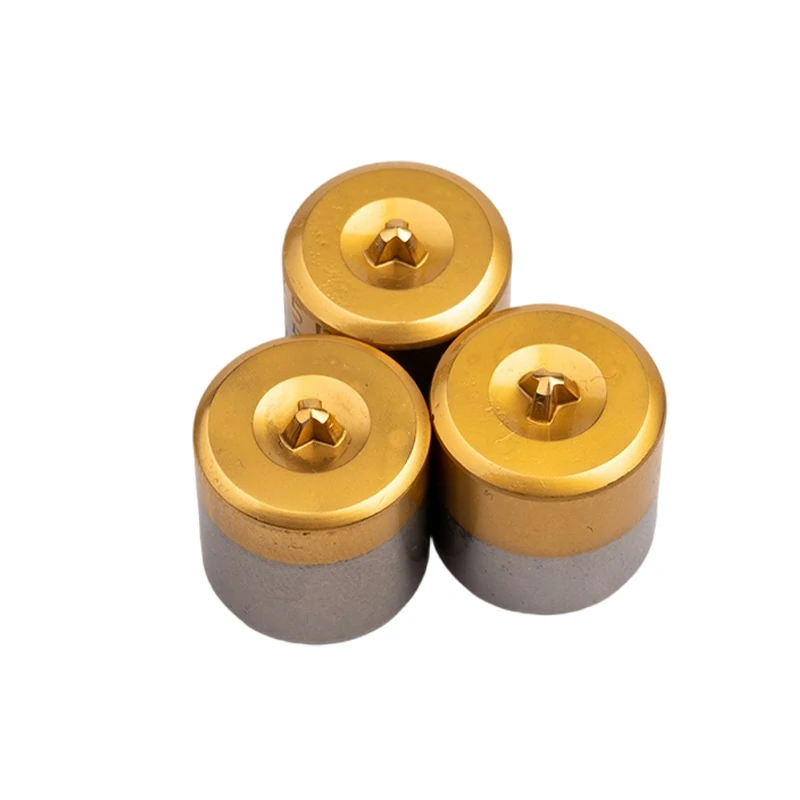
Carbide heading dies are high-precision tools, typically crafted from tungsten carbide, that are essential components in the cold forming or cold heading process used to manufacture high-volume parts like screws, bolts, rivets, and other fasteners. These incredibly durable dies function by shaping a metal wire or rod into a predetermined form, known as a “blank,” through immense force and pressure without heating the material. The exceptional hardness, wear resistance, and compressive strength of tungsten carbide make it the premier material for these tools, ensuring dimensional accuracy, superior surface finish, and extended tool life even under the most demanding production cycles. Understanding the fundamentals of these dies is not just a technicality; it’s a strategic advantage for any manufacturer looking to optimize production efficiency, reduce downtime, and improve final product quality.

Top Innovations Revolutionizing Carbide Heading Die Technology

The top innovations in carbide heading die technology are primarily centered on three key areas: advanced material science, including the development of nano-grain and sub-micron tungsten carbides; sophisticated surface engineering with multi-layer PVD and Diamond-Like Carbon (DLC) coatings; and precision manufacturing powered by Finite Element Analysis (FEA) simulation and smart sensor integration. These advancements work in synergy to dramatically increase tool life, improve component quality, reduce operational costs, and enable the forming of more complex geometries and harder materials, which is critical for industries like automotive, aerospace, and electronics.

Carbide Heading Dies vs. Traditional Dies: A Comprehensive Performance Comparison

Before diving into a direct comparison, it’s essential to understand the crucial role of heading dies. In the world of cold forming, heading dies are precision tools responsible for shaping wire or rod into a predetermined form, typically the head of a fastener like a screw, bolt, or rivet. This process involves immense pressure and repeated impact cycles. The material from which a die is made is not just a minor detail; it is the single most critical factor determining the die’s lifespan, the quality of the finished parts, the operational speed of the machinery, and ultimately, the profitability of the entire production line. Choosing the right die material is a strategic decision that directly impacts your bottom line.

Looking For A Reliable Precision Mold Manufacturing?

Get An Instant Quote