
How Does Adjusting Punch Geometry Prevent Cracking and Chipping in High-Stress Cold Heading?
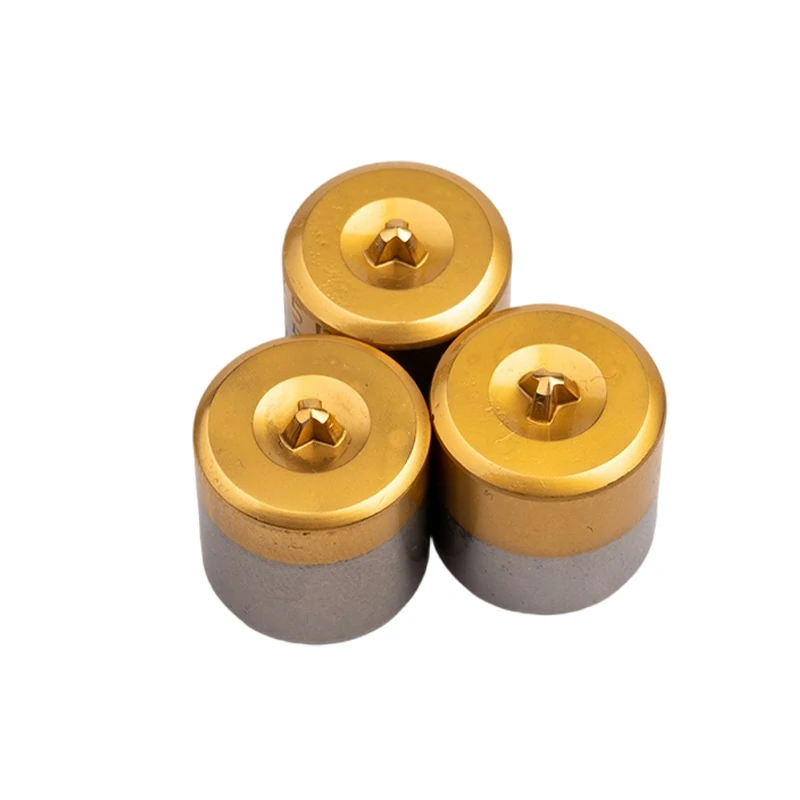
This technical analysis explains how Adjusting Punch Geometry directly resolves the common issues of cracking and chipping in cold heading tools. By focusing on the optimization of chamfers, transition radii, and load distribution, manufacturers can prevent stress concentration that leads to premature failure. The article highlights how geometry works in tandem with high-hardness materials (HRC 50–65) and surface coatings to extend tool life by 1.5–2 times. Backed by real-world case studies, it provides a practical roadmap for procurement managers to improve line stability and reduce scrap rates.
How Do Coated Header Punches Extend Tool Life in High-Speed Screw Production?
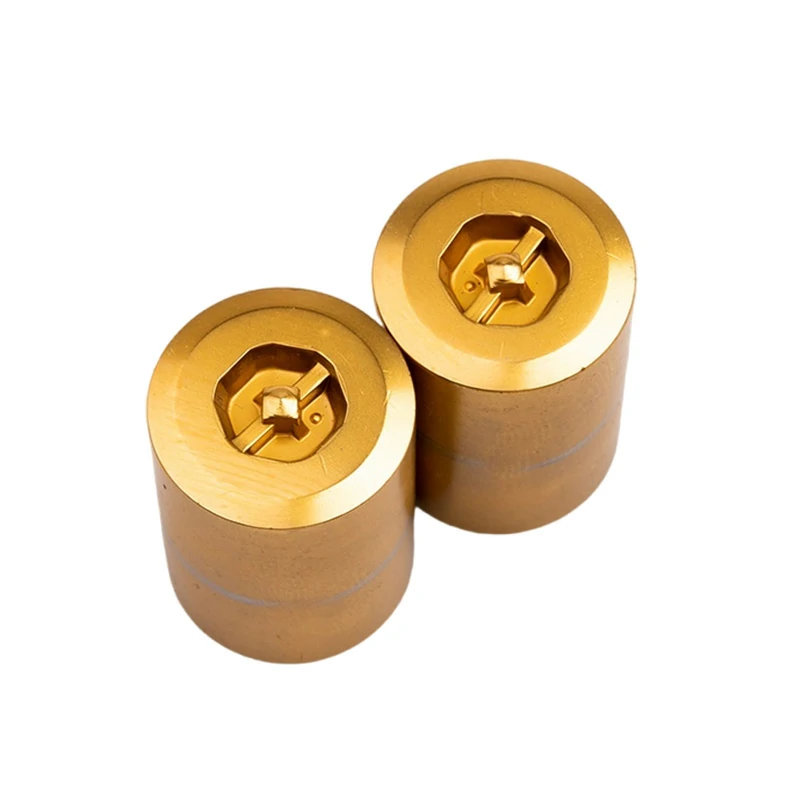
This engineering guide explains how applying TiN or TiAlN coatings to Coated Header Punches solves friction issues in high-speed screw production. It details the synergy between hard substrates (HRC 50-65) and thermal barriers, which reduce abrasive wear by 30-50%. The article includes a real-world case study demonstrating a 1.8x increase in tool life and a 20-35% reduction in scrap rates, providing a clear roadmap for procurement managers to optimize production efficiency.
Solving Alignment Issues in High‑Volume Cold Heading With Precision Header Punches
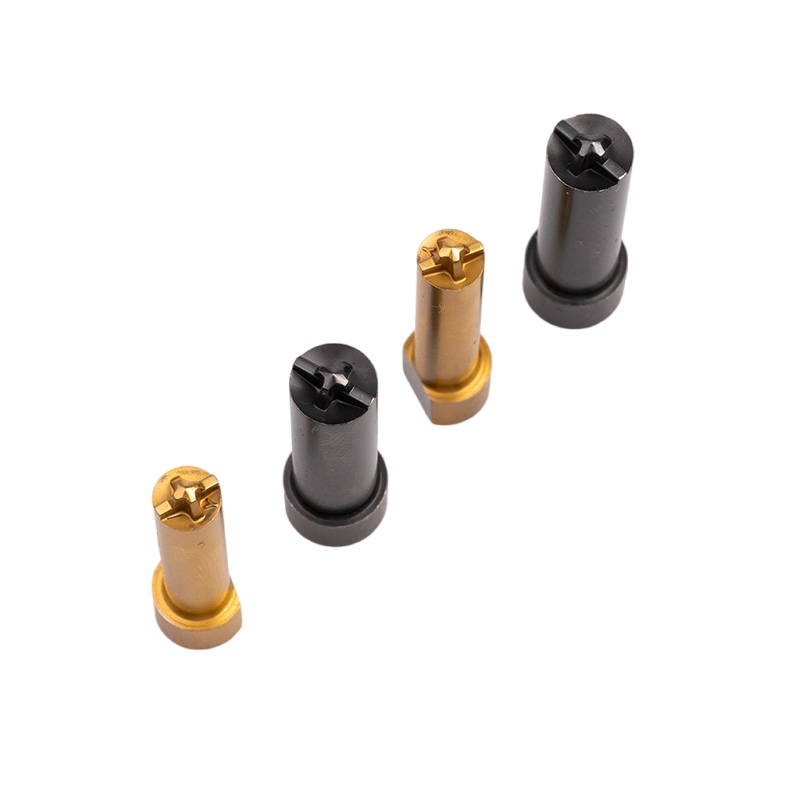
This case study explores the critical role of Precision Header Punches in solving alignment issues within high-volume cold heading production. It analyzes how microscopic misalignment leads to stress concentration and premature failure. Through a real-world automotive fastener example (2,000 parts/day), the article demonstrates that combining high-precision geometry (HRC 50-65) with TiN/TiAlN coatings and strict alignment protocols can extend tool life by 60% and significantly reduce unplanned maintenance.
How to Select the Right Header Punch Material for Your Fastener Production Line?
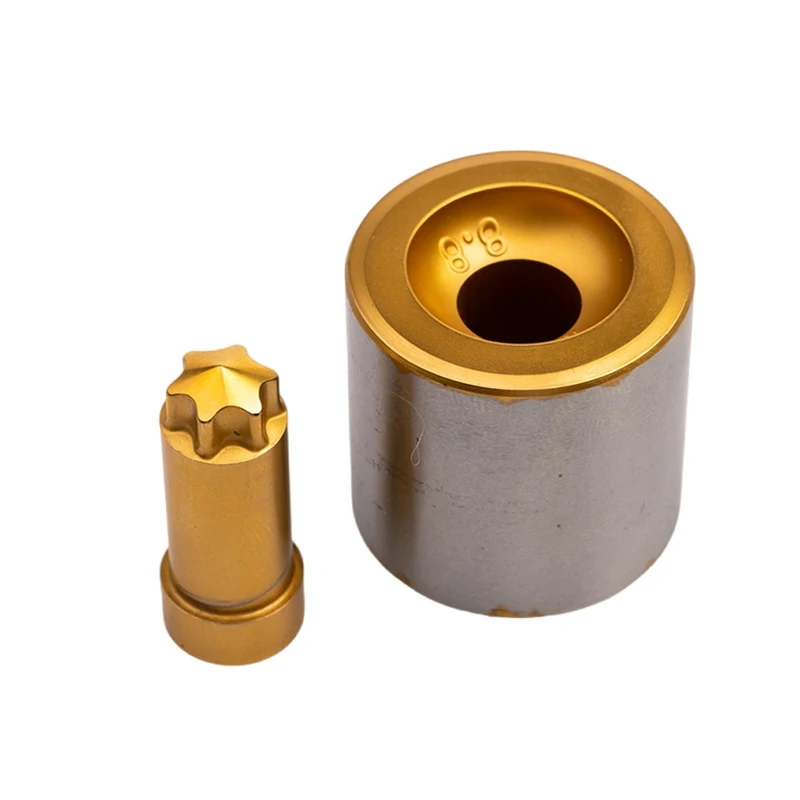
Choosing the wrong header punch material is the silent killer of profitability in cold heading. It manifests as frequent machine stoppages, inconsistent fastener dimensions, and inflated scrap rates. At Xiluo Mold Technology, we believe the solution isn’t simply buying the most expensive tool, but mathematically matching the header punch material properties—specifically hardness and toughness—to your […]
What Are the Main Failure Modes of Header Punches in High-Volume Cold Heading, and How to Prevent Them?
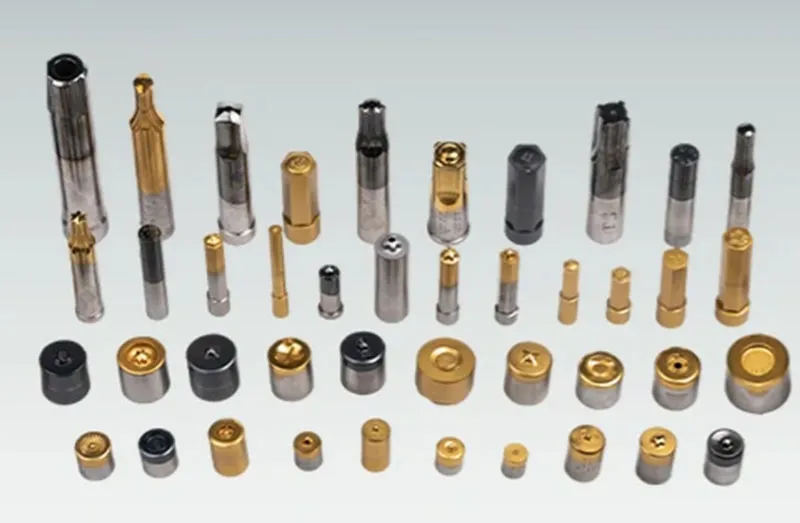
This technical guide analyzes the primary causes of header punch failure in high-speed fastener manufacturing. It identifies abrasive wear, plastic deformation, and misalignment as the core risks to production efficiency. By optimizing tool hardness (Rockwell C50-65), selecting high-grade materials like tungsten carbide, and maintaining precision concentricity, manufacturers can significantly reduce downtime and scrap rates. The article provides data-driven strategies for B2B procurement managers to improve “cost per hit” and tool longevity.
Top Benefits of Carbide Heading Dies
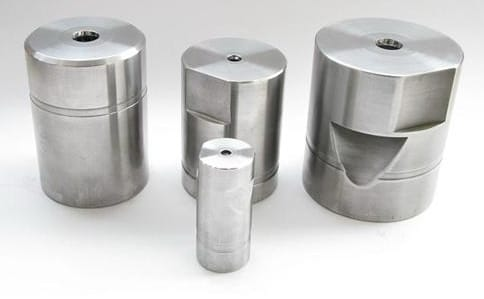
This article explores the top benefits of using carbide heading dies in fastener manufacturing. It highlights that the primary advantage is their unparalleled wear resistance and significantly extended tool life, which drastically reduces tool changes and machine downtime. The article details how carbide dies enhance fastener quality and precision by maintaining consistent dimensional accuracy, precise head forms, and superior surface finishes, thereby minimizing defects. It also explains their transformative impact on production efficiency, leading to higher machine uptime and more predictable operations.
Wear Resistance: Carbide Punches vs. Regular Options
This article provides an in-depth analysis of why carbide punches offer vastly superior wear resistance compared to regular tool steel options. It begins by defining wear resistance and outlining the primary modes of wear (abrasive, adhesive, erosive, fatigue) that punches encounter. The core of the article explains how carbide punches achieve their exceptional hardness and wear resistance through their unique tungsten carbide-cobalt composite structure and advanced powder metallurgy manufacturing. It details how this composition allows carbide to effectively resist all primary wear modes, significantly outperforming steel. The article then discusses how the type of material being punched directly influences wear resistance requirements, highlighting carbide’s indispensability for abrasive or high-strength materials. Finally, it enumerates the real-world benefits of superior wear resistance, including extended tool life, reduced downtime, consistent part quality, and lower overall costs.
Carbide vs. Steel Heading Dies: Which Lasts Longer?
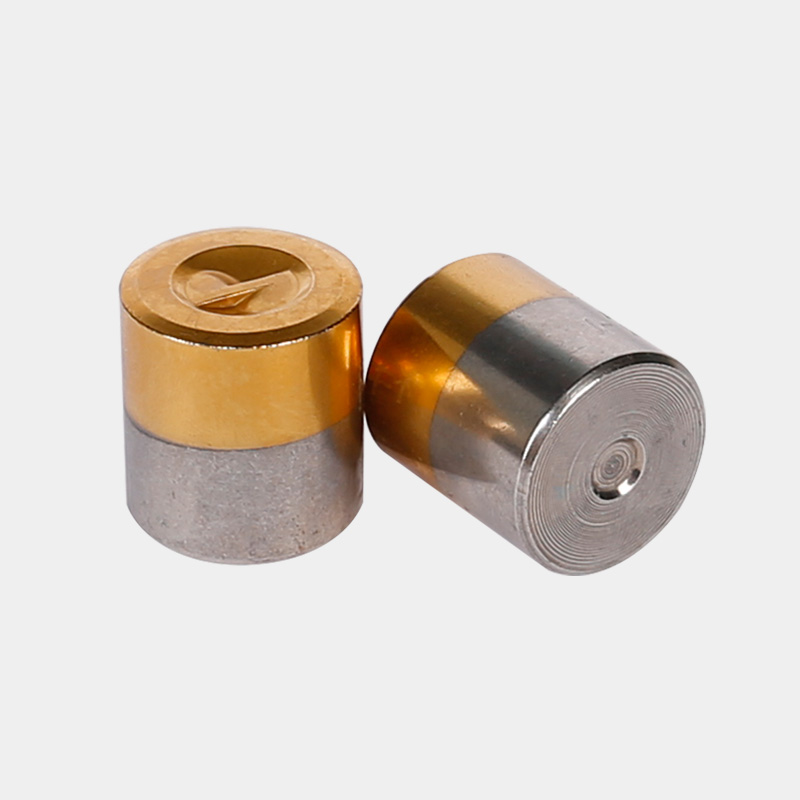
When comparing carbide vs. steel heading dies, carbide dies unequivocally last significantly longer due to their superior hardness, wear resistance, and compressive strength. While steel dies offer a lower initial cost, carbide’s ability to withstand extreme cold heading forces and abrasive materials for millions more cycles translates into dramatically extended tool life, reduced downtime, and […]
Why Header Punches Matter in Cold Heading?

This article highlights the critical importance of header punches in the cold heading process for fastener manufacturing. It explains their primary function in precisely shaping fastener heads and internal recesses, emphasizing how this directly impacts functional performance and aesthetics. The article details how header punches withstand extreme impact and wear through strategic material selection (tool steel vs. carbide), advanced heat treatment, and specialized surface coatings. It further explores their role in achieving high fastener precision and quality by maintaining dimensional accuracy, consistent recess forms, and superior surface finishes, thereby preventing defects. The discussion also covers how header punches contribute to production efficiency and extended tool life by enabling longer continuous runs, reducing downtime, and minimizing scrap rates.
Why Choose Carbide Heading Dies?

This article explores the compelling reasons why carbide heading dies are the superior choice for modern fastener manufacturing. It delves into their exceptional hardness and wear resistance, stemming from their unique tungsten carbide and cobalt composition, which significantly extends tool life and reduces downtime. The article highlights the substantial cost-benefit advantages, demonstrating how the initial investment in carbide dies leads to lower total tooling costs, reduced labor, and minimized scrap rates over time. Furthermore, it explains how carbide dies ensure higher precision and a superior surface finish on fasteners, crucial for functional performance and aesthetics. The discussion also covers their critical role in successfully forming difficult materials like stainless steel and high-strength alloys, where traditional steel dies would fail. Finally, the article emphasizes XILUO’s commitment to quality, detailing their 24+ years of expertise, advanced R&D, premium material selection, and stringent quality control, all of which guarantee high-performance, durable carbide heading dies for global clients.
