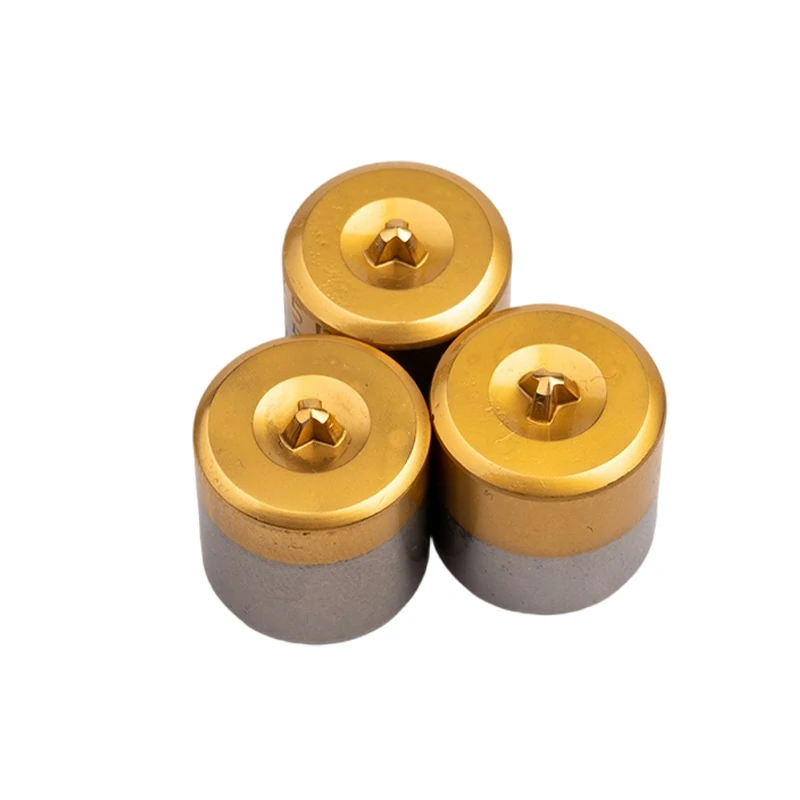
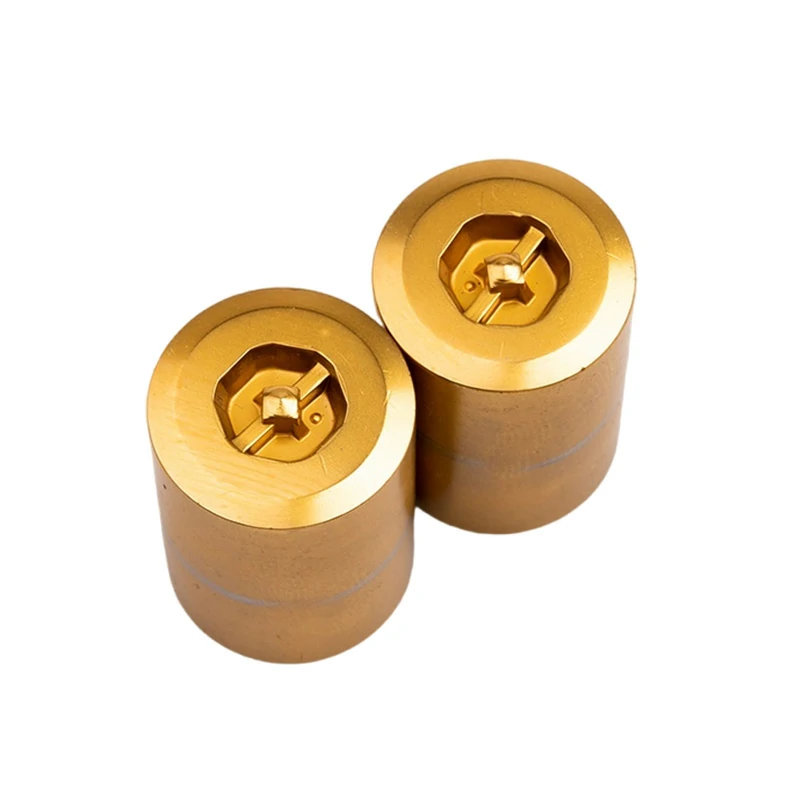
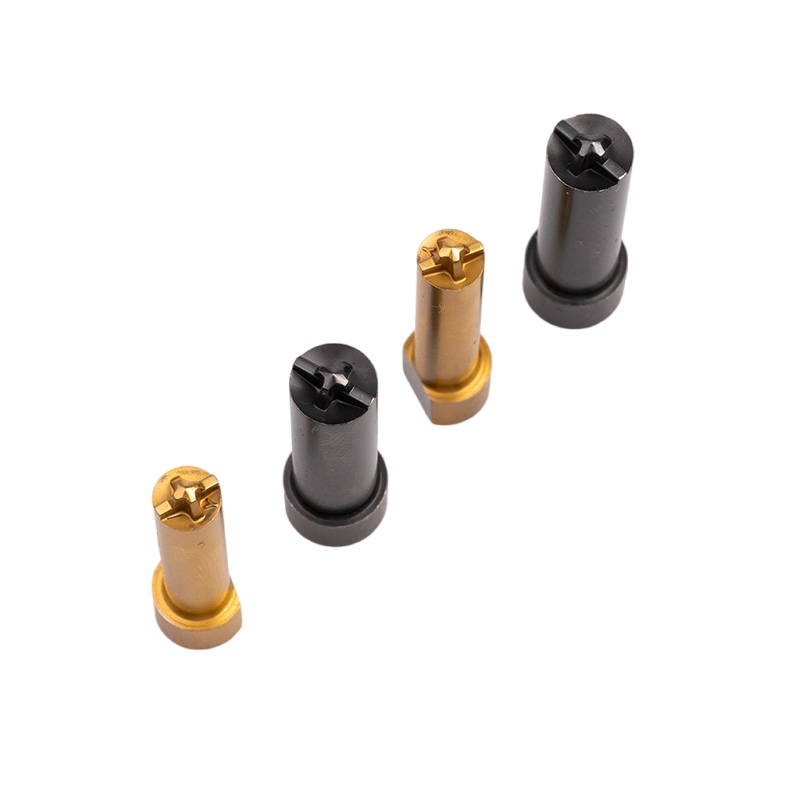
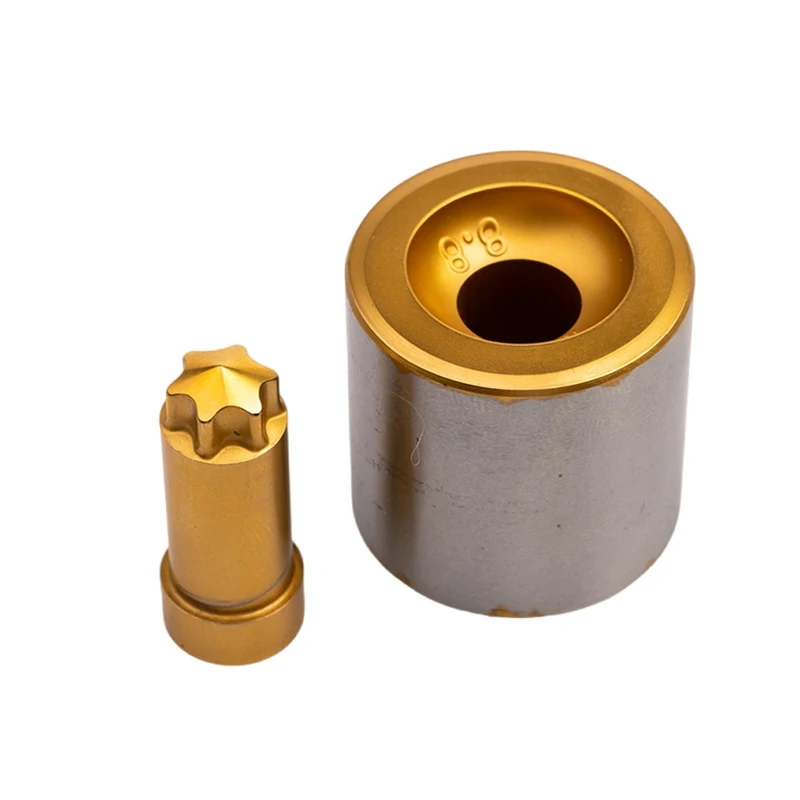
Flat thread rolling, while efficient, often encounters specific challenges that can disrupt production and compromise fastener quality. These issues range from premature die wear to inconsistent thread profiles, all of which can lead to costly downtime and material waste. Understanding and addressing these common problems is crucial for maintaining high-precision output and extending tool life in fastener manufacturing.
The intricate process of flat thread rolling relies on the precise interaction between the workpiece and the flat thread rolling die. When this delicate balance is disturbed, a cascade of problems can emerge, impacting everything from the structural integrity of the threads to the overall efficiency of your production line. Let’s delve into the most prevalent issues and explore how they can be effectively mitigated.
Table of Contents
- What Causes Premature Die Wear in Flat Thread Rolling?
- Why Do Thread Profiles Become Inconsistent During Rolling?
- How Can Material Flow Issues Affect Thread Quality?
- What Leads to Cracking or Fracturing of Fasteners During Rolling?
- How Does Die Misalignment Impact Thread Rolling Performance?
- What Causes Surface Defects on Rolled Threads?
- Why Do Fasteners Experience Underfilling or Overfilling of Threads?
- How Does Heat Buildup Affect Flat Thread Rolling Dies?
- What Are the Causes of Inaccurate Thread Pitch or Diameter?
- How Can Die Chipping or Breakage Be Prevented?
1. What Causes Premature Die Wear in Flat Thread Rolling?
Premature die wear is a significant concern in flat thread rolling, leading to frequent die replacements and increased operational costs. This issue is primarily caused by abrasive material properties, insufficient lubrication, improper die material selection, and excessive rolling forces. Understanding these factors is key to extending the lifespan of your flat thread rolling dies and ensuring consistent production quality.
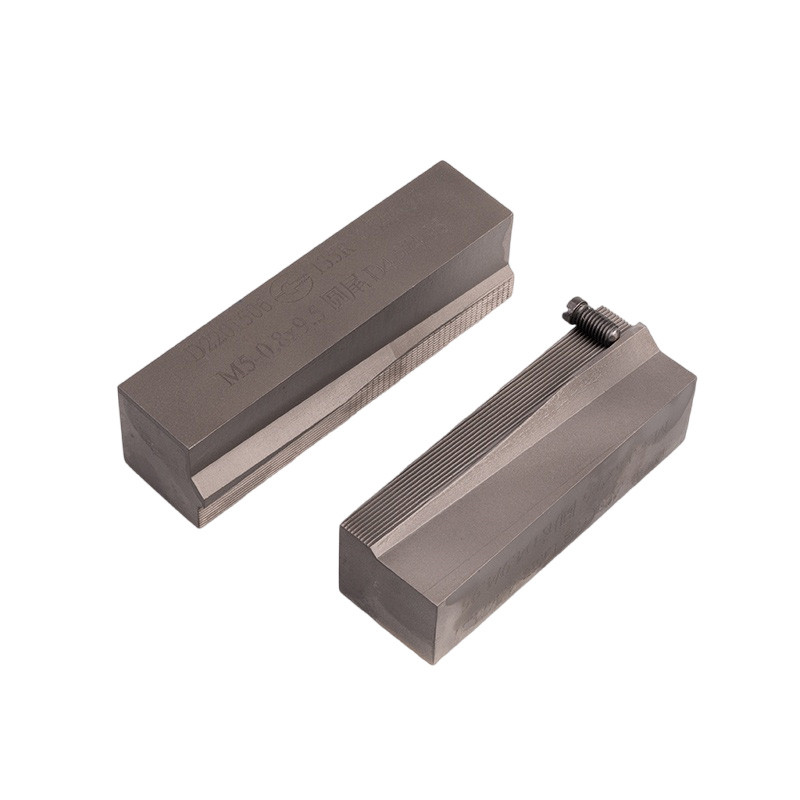
Material Abrasiveness and Hardness
The material being rolled plays a critical role in die wear. Harder and more abrasive materials, such as high-strength steel alloys or stainless steel, naturally exert greater friction and stress on the die surface. This constant rubbing action can quickly erode the die’s working surfaces, leading to a loss of thread form and dimensional accuracy. For instance, rolling a hardened steel bolt will cause significantly more wear than rolling a softer aluminum screw.
- Example 1: High-Strength Fasteners: When producing automotive-grade bolts (e.g., Grade 8.8 or 10.9), the high tensile strength of the material necessitates robust die materials. If the die material is not sufficiently hard or wear-resistant, it will quickly show signs of wear, such as rounded crests or flattened flanks on the die teeth.
- Example 2: Stainless Steel Applications: Rolling stainless steel fasteners, known for their work-hardening properties, can accelerate die wear due to the material’s resistance to deformation. This requires dies made from specialized tool steels or carbide with superior wear resistance.
- Theoretical Basis: Abrasive wear occurs when hard particles (either from the workpiece or contaminants) slide against the die surface, removing material. Adhesive wear happens when localized welding and tearing occur between the die and workpiece surfaces under high pressure.
- Design Trade-offs: Selecting a harder die material (e.g., DC53, D55) improves wear resistance but can sometimes reduce toughness, making the die more susceptible to chipping if not properly supported or if subjected to sudden impacts.
- Practical Impacts: Premature wear leads to undersized threads, poor surface finish, and ultimately, non-conforming parts. This necessitates frequent die changes, increasing downtime and tooling costs.
| Factor | Impact on Die Wear | Mitigation Strategy |
| Abrasive Material | Faster erosion of die surface | Use harder die materials (e.g., carbide), specialized coatings |
| Insufficient Lube | Increased friction, heat, and material transfer | Optimize lubricant type and flow, ensure proper application |
| Improper Die Mat. | Reduced resistance to wear and deformation | Select high-quality tool steels (DC53, D55) or carbide |
| Excessive Force | Accelerated fatigue and plastic deformation | Optimize rolling pressure, ensure correct blank diameter |
Lubrication and Cooling Deficiencies
Proper lubrication is paramount in flat thread rolling. The lubricant reduces friction between the die and the workpiece, dissipates heat generated during deformation, and helps to flush away debris. Inadequate lubrication or the use of an unsuitable lubricant can lead to:
- Increased Friction and Heat: Without a sufficient lubricating film, metal-to-metal contact increases, generating excessive heat. This heat can soften the die surface, making it more susceptible to wear and deformation.
- Adhesion and Galling: High friction can cause workpiece material to adhere to the die surface (galling), leading to rough threads and further accelerating die wear as the adhered material acts as an abrasive.
- Reduced Flushing: Lubricants also help to carry away metal chips and debris. Poor lubrication means these particles remain in the rolling zone, contributing to abrasive wear.
- Example 1: Dry Rolling: Attempting to roll threads without proper lubrication will almost immediately result in severe galling on the die and workpiece, leading to rough, torn threads and rapid die degradation.
- Example 2: Incorrect Viscosity: Using a lubricant with too low a viscosity might not provide a sufficient film strength under high pressure, leading to boundary lubrication failure. Conversely, too high a viscosity might not penetrate effectively into the rolling zone.
- Practical Advice: Regularly check and maintain the lubrication system, ensuring consistent flow and proper concentration of the rolling oil. Consider high-performance lubricants specifically formulated for thread rolling, which often contain extreme pressure (EP) additives.
2. Why Do Thread Profiles Become Inconsistent During Rolling?
Inconsistent thread profiles are a critical quality issue in fastener manufacturing, directly impacting the strength and reliability of the final product. This problem primarily stems from variations in the blank diameter, uneven die wear, improper die setup, and fluctuations in rolling pressure. Achieving consistent thread profiles requires meticulous control over these parameters to ensure uniform material flow and deformation.
Variations in Blank Diameter
The diameter of the blank (the unthreaded part) before rolling is one of the most critical factors influencing thread consistency. Even slight variations can lead to significant discrepancies in the final thread profile.
- Example 1: Oversized Blanks: If the blank diameter is too large, there will be an excess of material to form the threads. This can lead to overfilling of the die cavities, resulting in threads with a larger major diameter, flattened crests, or even material extrusion beyond the thread profile.
- Example 2: Undersized Blanks: Conversely, if the blank diameter is too small, there won’t be enough material to fully form the thread profile. This results in underfilled threads, characterized by incomplete crests, shallow roots, or an undersized major diameter, compromising the thread’s strength.
- Theoretical Basis: Thread rolling is a displacement process where the material is plastically deformed into the die’s grooves. The volume of the blank material must precisely match the volume required to form the threads. Any mismatch directly translates to profile inconsistencies.
- Practical Impacts: Inconsistent thread profiles can lead to assembly issues, reduced fatigue life of the fastener, and failure to meet dimensional specifications.
| Blank Diameter Variation | Resulting Thread Profile Issue |
| Too Large | Overfilled, flattened crests, oversized major diameter |
| Too Small | Underfilled, shallow roots, undersized major diameter |
| Inconsistent | Variable thread depth and form along the fastener |
Uneven Die Wear
Even with high-quality dies, wear is inevitable. However, uneven wear across the die surface can severely impact thread consistency. This often occurs due to localized stress concentrations, improper die alignment, or variations in the workpiece material’s hardness.
- Example 1: Localized Wear: If one section of the flat thread rolling die experiences more friction or pressure than another, it will wear down faster. This can lead to threads being fully formed in one area of the fastener but underfilled or malformed in another, creating an inconsistent profile along the length of the thread.
- Example 2: Die Misalignment: A slight angular misalignment between the two flat dies can cause one side of the die to bear more load, leading to accelerated wear on that side. This results in asymmetrical thread profiles or a tapered thread form.
- Testing Method: Regular inspection of the flat thread rolling dies using a profile projector or a coordinate measuring machine (CMM) can help detect uneven wear patterns early. Comparing the worn die profile against the original design specifications can pinpoint areas of concern.
- Practical Advice: Implement a strict die maintenance schedule, including regular cleaning and inspection. Ensure proper die alignment during setup and consider rotating dies or using matched sets to distribute wear more evenly.
3. How Can Material Flow Issues Affect Thread Quality?
Material flow issues during flat thread rolling are a common source of defects, directly impacting the integrity and appearance of the threads. These problems arise from incorrect die design, improper rolling speed, insufficient lubrication, and variations in material properties, leading to torn threads, laps, or incomplete thread formation. Optimizing material flow is essential for producing smooth, strong, and dimensionally accurate threads.
Incorrect Die Design and Geometry
The design of the flat thread rolling die, particularly the lead-in angle, thread form, and relief angles, dictates how the material flows during deformation. An improperly designed die can impede smooth material flow, leading to defects.
- Example 1: Steep Lead-in Angle: A lead-in angle that is too steep can cause the material to be pushed too aggressively, leading to tearing or shearing of the material rather than smooth plastic flow. This often results in rough, torn thread crests or flanks.
- Example 2: Insufficient Relief: If the die lacks adequate relief, particularly in the root area, the displaced material may not have enough space to flow properly, leading to material buildup, overfilling, or even cold welding between the die and the workpiece.
- Theoretical Basis: Thread rolling relies on controlled plastic deformation. The die geometry must guide the material gradually into the desired thread form. Any abrupt changes or restrictions in the flow path can cause stress concentrations and material tearing.
- Design Trade-offs: Optimizing die geometry involves balancing the need for efficient material displacement with preventing excessive stress. XILUO’s expertise in die design, honed over 24 years, focuses on achieving this balance through precise lead-in and relief angles, ensuring optimal material flow.
| Die Geometry Feature | Impact on Material Flow | Resulting Defect |
| Steep Lead-in Angle | Aggressive material displacement, high shear stress | Torn threads, rough crests |
| Insufficient Relief | Material buildup, restricted flow | Overfilling, cold welding, laps |
| Incorrect Thread Form | Uneven material distribution, stress concentrations | Incomplete threads, weak points |
Rolling Speed and Pressure
The speed at which the flat dies move and the pressure applied during rolling significantly influence material flow. Incorrect settings can lead to either insufficient deformation or excessive stress.
- Example 1: Too High Rolling Speed: If the rolling speed is too fast, the material may not have enough time to plastically deform and flow smoothly into the die cavities. This can result in incomplete threads, particularly at the crests, or a “skipping” effect where the threads are not fully formed along the entire length.
- Example 2: Insufficient Rolling Pressure: If the pressure is too low, the material will not be adequately compressed and displaced, leading to underfilled threads with shallow roots and incomplete crests. Conversely, excessive pressure can cause material tearing, die wear, or even fastener deformation.
- Practical Advice: Experiment with different rolling speeds and pressures within the manufacturer’s recommended range for the specific material and fastener size. Monitor the thread quality closely and adjust parameters incrementally. XILUO’s comprehensive solutions often include guidance on optimal rolling parameters for their custom dies.
- Testing Method: Use a profilometer to measure the thread profile at various rolling speeds and pressures. Observe the material flow patterns and look for signs of tearing, underfilling, or overfilling.
4. What Leads to Cracking or Fracturing of Fasteners During Rolling?
Cracking or fracturing of fasteners during flat thread rolling is a serious defect that compromises structural integrity and can lead to catastrophic failures in application. This issue is primarily caused by excessive cold work hardening, material brittleness, improper blank preparation, and incorrect die setup, which induce high stress concentrations. Preventing cracking requires careful material selection, precise blank conditioning, and optimized rolling parameters.
Material Brittleness and Cold Work Hardening
The inherent properties of the fastener material, particularly its ductility and susceptibility to cold work hardening, play a crucial role in preventing cracks.
- Example 1: High Carbon Steel: Rolling threads on high carbon steel blanks without proper annealing can lead to cracking. High carbon steels are less ductile and more prone to work hardening. The severe plastic deformation during rolling can exceed the material’s ductility limit, causing micro-cracks that propagate into larger fractures.
- Example 2: Excessive Cold Work: Even with ductile materials, if the blank has already undergone significant cold work (e.g., severe drawing or heading) before thread rolling, its remaining ductility might be insufficient. The additional deformation during rolling can then induce cracking, especially at stress concentration points like the thread roots.
- Theoretical Basis: Cold work hardening increases the material’s strength and hardness but reduces its ductility. When the local strain during thread rolling exceeds the material’s fracture strain, cracks initiate.
- Practical Impacts: Cracked fasteners are structurally unsound and must be scrapped, leading to significant material waste and production losses.
| Material Property | Impact on Cracking Risk | Mitigation Strategy |
| Low Ductility | Higher susceptibility to fracture under deformation | Pre-annealing, material selection with higher ductility |
| High Work Hardening | Rapid loss of ductility during rolling | Intermediate annealing, controlled deformation steps |
| Inclusions | Stress concentrators, crack initiation sites | Use cleaner steel, improved material quality control |
Improper Blank Preparation and Die Setup
The condition of the blank before rolling and the precision of the die setup are critical in preventing cracking.
- Example 1: Surface Defects on Blanks: Pre-existing surface defects on the blank, such as nicks, scratches, or decarburization, act as stress concentrators. During the intense deformation of thread rolling, these defects can easily propagate into cracks. For instance, a deep scratch on the blank can become the initiation point for a longitudinal crack along the thread.
- Example 2: Incorrect Die Penetration: If the flat thread rolling dies are set to penetrate too deeply or too quickly, the material is subjected to an excessively high strain rate. This rapid deformation can exceed the material’s ability to flow, leading to tearing and cracking, particularly at the thread roots where stress is concentrated.
- Testing Method: Conduct visual inspections and non-destructive testing (e.g., magnetic particle inspection) on blanks to identify surface defects before rolling. After rolling, inspect fasteners for cracks using similar methods.
- Practical Advice: Ensure blanks are free from surface defects and have a consistent diameter. Calibrate the thread rolling machine regularly to ensure correct die penetration and rolling pressure. XILUO’s custom dies are designed to minimize stress concentrations, but proper machine setup is equally vital.
5. How Does Die Misalignment Impact Thread Rolling Performance?
Die misalignment is a pervasive issue in flat thread rolling that severely compromises thread quality and accelerates die wear. It primarily leads to asymmetrical thread profiles, uneven material flow, and localized stress concentrations on the dies, resulting in reduced fastener strength and premature die failure. Precise alignment of the flat thread rolling dies is fundamental for achieving uniform thread formation and maximizing tool life.
Angular Misalignment
Angular misalignment occurs when the working faces of the two flat thread rolling dies are not perfectly parallel to each other or to the axis of the workpiece.
- Example 1: Tapered Threads: If the dies are misaligned at an angle, one side of the fastener will experience more pressure and deformation than the other. This results in a tapered thread, where the major diameter is larger at one end of the thread than the other, making it difficult to achieve proper engagement with a nut.
- Example 2: Asymmetrical Thread Profiles: Angular misalignment can also cause the thread profile to be asymmetrical, with one flank being steeper or less formed than the other. This compromises the load-bearing capacity of the thread and can lead to premature failure.
- Theoretical Basis: Thread rolling relies on uniform pressure distribution across the workpiece. Angular misalignment creates a pressure gradient, leading to uneven material displacement and deformation.
- Practical Impacts: Tapered or asymmetrical threads are often rejected during quality control, leading to scrap and rework. They can also cause assembly problems and reduce the fatigue life of the fastener.
| Type of Misalignment | Impact on Thread Quality |
| Angular Misalignment | Tapered threads, asymmetrical profiles, uneven wear |
| Lateral Misalignment | Offset threads, uneven material distribution, galling |
| Vertical Misalignment | Inconsistent thread depth, premature die edge wear |
Lateral and Vertical Misalignment
Lateral misalignment refers to the dies being offset horizontally, while vertical misalignment means they are not at the same height. Both can have detrimental effects.
- Example 1: Lateral Offset: If the dies are laterally offset, the thread form on the workpiece will be shifted or “offset” relative to the fastener’s axis. This can lead to uneven material distribution, where one side of the thread is overfilled and the other is underfilled. It can also cause galling as the workpiece rubs against the die shoulders.
- Example 2: Vertical Height Difference: A vertical height difference between the dies can cause one die to exert more pressure on the top or bottom of the workpiece, leading to inconsistent thread depth. It can also accelerate wear on the leading edges of the higher die or the trailing edges of the lower die.
- Testing Method: Use precision gauges, dial indicators, or laser alignment tools to verify the parallelism and alignment of the flat thread rolling dies during setup. Regularly check the runout of the machine’s moving components.
- Practical Advice: Follow a meticulous die setup procedure, ensuring all clamping mechanisms are secure and that the dies are precisely aligned according to the machine manufacturer’s specifications. XILUO’s high-precision flat thread rolling dies are manufactured to tight tolerances, but their performance is maximized with accurate machine setup.
6. What Causes Surface Defects on Rolled Threads?
Surface defects on rolled threads are visual and structural imperfections that can compromise the aesthetic appeal, corrosion resistance, and functional performance of fasteners. These defects are primarily caused by poor blank surface quality, inadequate lubrication, die surface imperfections, and improper material flow during the rolling process. Eliminating surface defects requires meticulous attention to material preparation, die maintenance, and process optimization.
Blank Surface Quality
The condition of the blank’s surface before thread rolling directly influences the quality of the final thread surface. Any pre-existing defects on the blank will likely be transferred and even exacerbated during the deformation process.
- Example 1: Scale and Rust: If the blank has scale (oxide layer from hot rolling) or rust on its surface, these impurities can be pressed into the thread profile during rolling. This results in rough, pitted, or discolored threads that are prone to corrosion and can affect assembly.
- Example 2: Scratches and Nicks: Pre-existing scratches, nicks, or other mechanical damage on the blank surface will be elongated and deepened during rolling, appearing as longitudinal lines or grooves on the thread flanks. These defects can act as stress concentrators, reducing the fatigue life of the fastener.
- Theoretical Basis: Thread rolling is a cold forming process where the surface of the blank is plastically deformed. Any irregularities on the initial surface are replicated and often magnified on the final thread surface.
- Practical Impacts: Surface defects can lead to rejection of fasteners due to aesthetic reasons, reduced corrosion resistance, and compromised mechanical properties.
| Blank Surface Defect | Resulting Thread Surface Defect | Mitigation Strategy |
| Scale/Rust | Pitting, discoloration, rough surface | Descaling, rust removal, proper storage of blanks |
| Scratches/Nicks | Longitudinal lines, stress concentrators | Careful handling, improved blank manufacturing process |
| Decarburization | Soft spots, uneven hardness, poor thread form | Controlled heat treatment of wire, proper material spec |
Die Surface Imperfections and Lubrication
The condition of the flat thread rolling die surface and the effectiveness of lubrication are critical for achieving a smooth thread finish.
- Example 1: Die Pitting or Chipping: If the die surface has small pits, chips, or wear marks, these imperfections will be transferred to the thread surface as raised areas or indentations. This can lead to rough threads, reduced contact area, and potential stress points.
- Example 2: Insufficient Lubrication: As discussed earlier, inadequate lubrication leads to increased friction and galling. When workpiece material adheres to the die surface, it can tear material from subsequent fasteners, creating rough, torn, or smeared thread surfaces. The lack of a lubricating film also prevents the smooth flow of material, leading to surface irregularities.
- Testing Method: Regularly inspect the flat thread rolling dies for any signs of wear, pitting, or material buildup using a magnifying glass or microscope. Evaluate the effectiveness of the lubricant by observing the thread surface finish and die temperature.
- Practical Advice: Use high-quality flat thread rolling dies from reputable manufacturers like XILUO, which are known for their precision ground surfaces. Implement a strict die cleaning and maintenance schedule. Ensure the correct type and flow of lubricant are consistently applied.
7. Why Do Fasteners Experience Underfilling or Overfilling of Threads?
Underfilling and overfilling are common and critical defects in flat thread rolling, directly impacting the functional performance and dimensional accuracy of fasteners. Underfilling occurs when there is insufficient material to form a complete thread profile, while overfilling results from excess material. Both issues are primarily caused by incorrect blank diameter, improper die setup, and variations in material properties, leading to weak or oversized threads.
Incorrect Blank Diameter
The most significant factor influencing underfilling and overfilling is the diameter of the unthreaded blank. The volume of the blank material must precisely match the volume required to form the threads.
- Example 1: Undersized Blanks (Underfilling): If the blank diameter is too small, there isn’t enough material to completely fill the die cavities. This results in threads with incomplete crests, shallow roots, or a major diameter that is below specification. Such threads have reduced shear strength and can lead to premature stripping.
- Example 2: Oversized Blanks (Overfilling): Conversely, if the blank diameter is too large, there is an excess of material. This material is forced into the die cavities, leading to flattened crests, a major diameter that is above specification, or even material being extruded beyond the intended thread profile. Overfilled threads can cause interference during assembly and may not fit standard gauges.
- Theoretical Basis: Thread rolling is a volume-constant deformation process. The cross-sectional area of the blank must be carefully calculated to ensure that, after deformation, it precisely forms the desired thread profile without excess or deficiency.
- Practical Impacts: Both underfilled and overfilled threads are typically non-conforming parts, leading to high scrap rates, rework, and potential field failures.
| Issue | Cause (Blank Diameter) | Resulting Thread Characteristics |
| Underfilling | Too Small | Incomplete crests, shallow roots, undersized major diameter |
| Overfilling | Too Large | Flattened crests, oversized major diameter, material extrusion |
Improper Die Setup and Material Properties
Beyond blank diameter, the way the dies are set up and the characteristics of the material also contribute to these defects.
- Example 1: Insufficient Die Penetration (Underfilling): If the flat thread rolling dies are not set to penetrate deeply enough into the blank, the material will not be sufficiently displaced to form a full thread profile, leading to underfilling. This is often a result of incorrect machine calibration or worn die shims.
- Example 2: Excessive Die Penetration (Overfilling): Conversely, if the dies penetrate too deeply, they can force too much material into the thread form, leading to overfilling. This can also cause excessive stress on the dies and workpiece.
- Material Hardness Variations: If the material hardness varies significantly along the length of the blank or between batches, it can lead to inconsistent material flow. Harder sections may resist deformation, leading to underfilling, while softer sections may deform too easily, leading to overfilling.
- Testing Method: Use thread gauges (ring gauges, plug gauges) and a profilometer to measure the major diameter, minor diameter, and pitch diameter of the rolled threads. Compare these measurements against the specified tolerances.
- Practical Advice: Maintain strict control over blank diameter tolerances. Calibrate the thread rolling machine regularly to ensure correct die penetration. XILUO’s expertise in material selection and die design helps mitigate these issues, but consistent material quality from suppliers is also crucial.
8. How Does Heat Buildup Affect Flat Thread Rolling Dies?
Heat buildup is a critical, yet often overlooked, problem in flat thread rolling that significantly impacts die performance and lifespan. Excessive heat is primarily generated by high friction, insufficient lubrication, and rapid rolling speeds, leading to die softening, accelerated wear, and thermal fatigue. Effective heat management through proper lubrication and cooling is essential for maintaining die integrity and consistent thread quality.
Friction and Lubrication
The primary source of heat in thread rolling is the friction generated between the flat thread rolling dies and the workpiece as the material is plastically deformed.
- Example 1: Inadequate Lubricant Flow: If the flow of rolling oil is insufficient, the lubricating film between the die and the workpiece breaks down. This leads to increased metal-to-metal contact, generating substantial friction and heat. The die surface can reach temperatures high enough to cause localized softening, making it more susceptible to wear and deformation.
- Example 2: Incorrect Lubricant Type: Using a lubricant that is not formulated for the specific material or rolling conditions (e.g., lacking extreme pressure additives) can result in poor boundary lubrication. This allows for higher friction and heat generation, even with adequate flow.
- Theoretical Basis: Friction converts mechanical energy into thermal energy. In cold forming, this heat can be detrimental as it affects the mechanical properties of both the die and the workpiece. High temperatures can reduce the hardness and wear resistance of tool steels.
- Practical Impacts: Softened die surfaces wear out much faster, leading to premature die replacement, increased tooling costs, and inconsistent thread quality.
| Factor | Impact on Heat Buildup | Consequence for Dies |
| High Friction | Increased heat generation | Die softening, accelerated wear, thermal fatigue |
| Insufficient Lube | Breakdown of lubricating film, metal-to-metal contact | Galling, localized hot spots, reduced die life |
| Rapid Rolling Speed | Higher strain rate, less time for heat dissipation | Overheating, thermal shock, micro-cracking |
Rolling Speed and Thermal Fatigue
The speed of the rolling process and the cyclical nature of heat generation and cooling also contribute to heat-related problems.
- Example 1: Excessive Rolling Speed: Running the thread rolling machine at too high a speed increases the rate of deformation and friction, generating heat faster than it can be dissipated by the lubricant and cooling system. This can lead to a rapid rise in die temperature, potentially causing thermal shock if the dies are then rapidly cooled.
- Example 2: Thermal Fatigue: Repeated heating and cooling cycles during continuous operation can induce thermal fatigue in the die material. This manifests as fine cracks on the die surface, particularly in areas of high stress concentration, which can eventually lead to chipping or catastrophic die failure.
- Testing Method: Use infrared thermometers to monitor the temperature of the flat thread rolling dies during operation. Look for localized hot spots or excessively high overall temperatures.
- Practical Advice: Optimize rolling speed to balance production efficiency with heat generation. Ensure the lubrication system provides adequate cooling, potentially through increased flow rates or the use of chillers. XILUO’s high-quality tool steels (DC53, D55) are selected for their excellent hot hardness and thermal fatigue resistance, but proper process control is still essential.
9. What Are the Causes of Inaccurate Thread Pitch or Diameter?
Inaccurate thread pitch or diameter are critical dimensional defects that directly affect the fit, function, and interchangeability of fasteners. These inaccuracies are primarily caused by incorrect blank diameter, improper die setup, worn flat thread rolling dies, and variations in material properties. Achieving precise thread dimensions requires meticulous control over all aspects of the rolling process.
Incorrect Blank Diameter and Material Properties
As previously discussed, the blank diameter is fundamental to thread formation. Any deviation directly impacts the final thread dimensions.
- Example 1: Incorrect Pitch Diameter (Blank Diameter): If the blank diameter is slightly off, the material volume available for thread formation will be incorrect. An undersized blank will result in an undersized pitch diameter, while an oversized blank will lead to an oversized pitch diameter. The pitch diameter is crucial for thread engagement and strength.
- Example 2: Material Springback: Different materials exhibit varying degrees of elastic recovery (springback) after plastic deformation. If the material’s springback is not accounted for in the die design or rolling parameters, the final thread diameter and pitch can deviate from the target. For instance, stainless steel has higher springback than low carbon steel, requiring different compensation.
- Theoretical Basis: The pitch diameter is the theoretical diameter at which the thread and nut would engage perfectly. It is directly related to the amount of material displaced. Material springback is the elastic recovery of the material after the rolling forces are removed, which can slightly alter the final dimensions.
- Practical Impacts: Inaccurate pitch or major diameters lead to fasteners that do not fit standard gauges, cannot be assembled correctly, or have reduced load-bearing capacity.
| Dimensional Inaccuracy | Primary Cause (Blank/Material) | Mitigation Strategy |
| Inaccurate Pitch Dia. | Incorrect blank diameter, material springback | Precise blank sizing, compensation for springback |
| Inaccurate Major Dia. | Incorrect blank diameter, over/underfilling | Strict blank tolerance, optimized die penetration |
| Inaccurate Pitch | Die wear, machine vibration, incorrect die setup | Regular die inspection, machine maintenance, precise setup |
Worn Dies and Machine Setup
The condition of the flat thread rolling dies and the precision of the machine setup are equally important for dimensional accuracy.
- Example 1: Worn Die Pitch: Over time, the thread form on the flat thread rolling dies can wear, particularly at the crests and flanks. If the pitch of the die itself becomes worn or distorted, it will directly transfer this inaccuracy to the rolled threads, resulting in an incorrect thread pitch.
- Example 2: Machine Vibration or Play: Any vibration, backlash, or play in the thread rolling machine’s moving components (e.g., slides, bearings) can cause instability during the rolling process. This instability can lead to inconsistent pressure application, resulting in variations in thread pitch or diameter along the length of the fastener.
- Testing Method: Use specialized thread gauges (e.g., GO/NO-GO gauges, pitch micrometers, optical comparators) to measure the pitch diameter, major diameter, and pitch of the rolled threads. Regularly calibrate these measuring instruments.
- Practical Advice: Implement a rigorous die inspection and replacement schedule. Ensure the thread rolling machine is well-maintained, with all moving parts properly lubricated and adjusted to minimize vibration and play. XILUO’s precision-ground flat thread rolling dies are manufactured to tight tolerances, providing a solid foundation for accurate thread production.
10. How Can Die Chipping or Breakage Be Prevented?
Die chipping or breakage is a catastrophic failure mode for flat thread rolling dies, leading to immediate production stoppage and significant replacement costs. These failures are primarily caused by excessive rolling forces, material brittleness of the die, impact loads, and stress concentrations from improper design or setup. Preventing chipping and breakage requires careful die material selection, robust die design, precise machine setup, and controlled rolling parameters.
Excessive Rolling Forces and Impact Loads
The forces involved in thread rolling are substantial. If these forces exceed the die material’s strength or are applied abruptly, chipping or breakage can occur.
- Example 1: Over-penetration of Dies: Setting the flat thread rolling dies to penetrate too deeply into the blank creates extremely high compressive and shear stresses on the die teeth. If these stresses exceed the die material’s yield strength, particularly at sharp corners or thin sections, chipping can occur.
- Example 2: Hard Spots in Workpiece: If the workpiece material contains hard spots, inclusions, or has inconsistent hardness, these areas can act as localized impact points. When the die encounters these hard spots, it experiences a sudden, high-impact load that can cause chipping, especially on the leading edges of the die teeth.
- Theoretical Basis: Die materials, even high-strength tool steels or carbides, have a finite fracture toughness. When local stresses exceed this limit, cracks initiate and propagate, leading to chipping or complete breakage.
- Practical Impacts: Die breakage immediately halts production, requiring costly die replacement and significant downtime.
| Cause of Chipping/Breakage | Impact on Die | Mitigation Strategy |
| Excessive Rolling Forces | High stress, plastic deformation, fracture | Optimize rolling pressure, correct blank diameter |
| Impact Loads | Sudden stress concentration, crack initiation | Consistent blank quality, smooth material feeding |
| Die Material Brittleness | Low fracture toughness, prone to sudden failure | Select tougher die materials (e.g., D55), proper heat treatment |
| Stress Concentrators | Weak points for crack initiation | Robust die design, proper radii, smooth transitions |
Die Material Brittleness and Stress Concentrations
The choice of die material and the design of the die itself are critical in resisting chipping and breakage.
- Example 1: Brittle Die Material: While very hard materials like certain carbides offer excellent wear resistance, they can be more brittle. If subjected to sudden impact or high localized stress, a brittle die material is more likely to chip or fracture rather than deform plastically.
- Example 2: Sharp Corners or Undercuts in Die Design: Die designs with sharp internal corners, insufficient radii, or abrupt changes in cross-section create stress concentration points. These areas are inherently weaker and more susceptible to crack initiation and propagation under rolling loads.
- Testing Method: Conduct regular visual inspections of the flat thread rolling dies for any signs of micro-cracks or small chips. Utilize non-destructive testing methods if suspected.
- Practical Advice: Select die materials that offer a good balance of hardness and toughness for the specific application. XILUO specializes in using high-quality imported tool steels like DC53 and D55, which are known for their excellent toughness and resistance to chipping. Ensure die designs incorporate appropriate radii and smooth transitions to minimize stress concentrations. Proper heat treatment of the dies is also crucial to achieve the desired balance of hardness and toughness.
Conclusion
Addressing the top 10 flat thread rolling problems is paramount for any fastener manufacturer aiming for high-quality output and efficient production. From premature die wear and inconsistent thread profiles to cracking and catastrophic die breakage, each issue can significantly impact operational costs and product reliability. By meticulously controlling blank diameter, optimizing lubrication, ensuring precise die alignment, and selecting appropriate die materials, manufacturers can mitigate these challenges effectively.
XILUO (Dongguan Xiluo Mold Technology Co., Ltd.) stands as a leader in providing comprehensive solutions for these challenges. With over 24 years of expertise in designing and manufacturing high-precision flat thread rolling dies, XILUO offers custom solutions crafted from high-quality imported steel like DC53 and D55. Their commitment to advanced manufacturing, stringent quality control, and robust R&D ensures durable, precise dies that minimize common rolling problems, ultimately enhancing fastener quality and extending tool life for clients worldwide.