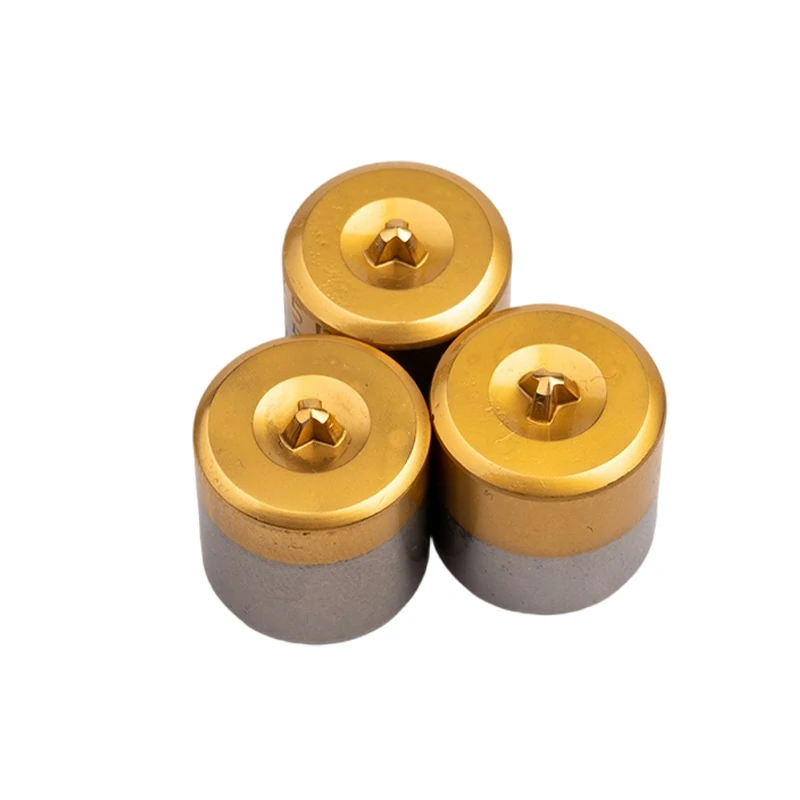
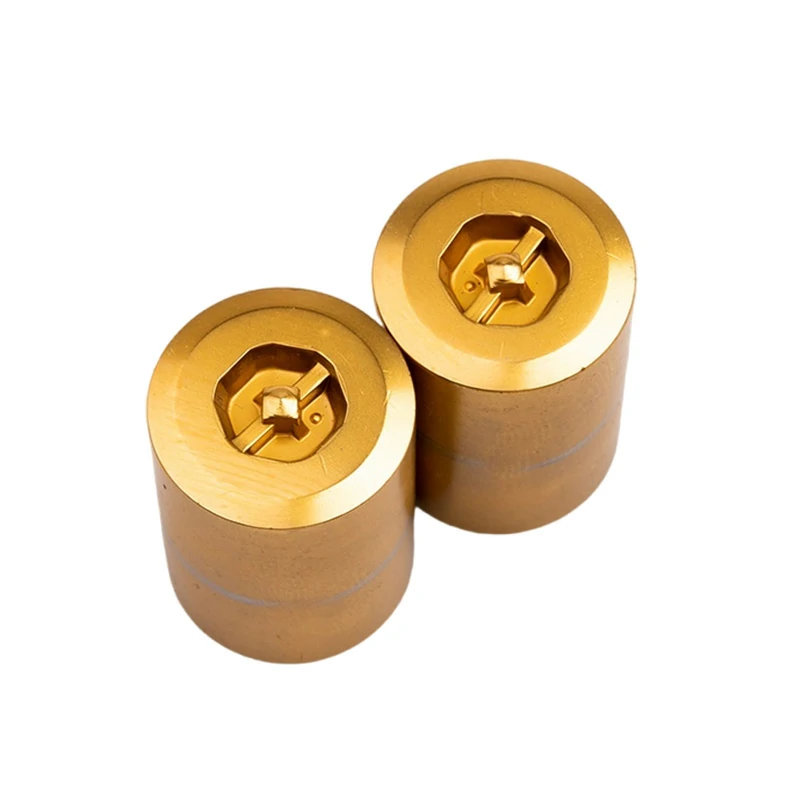
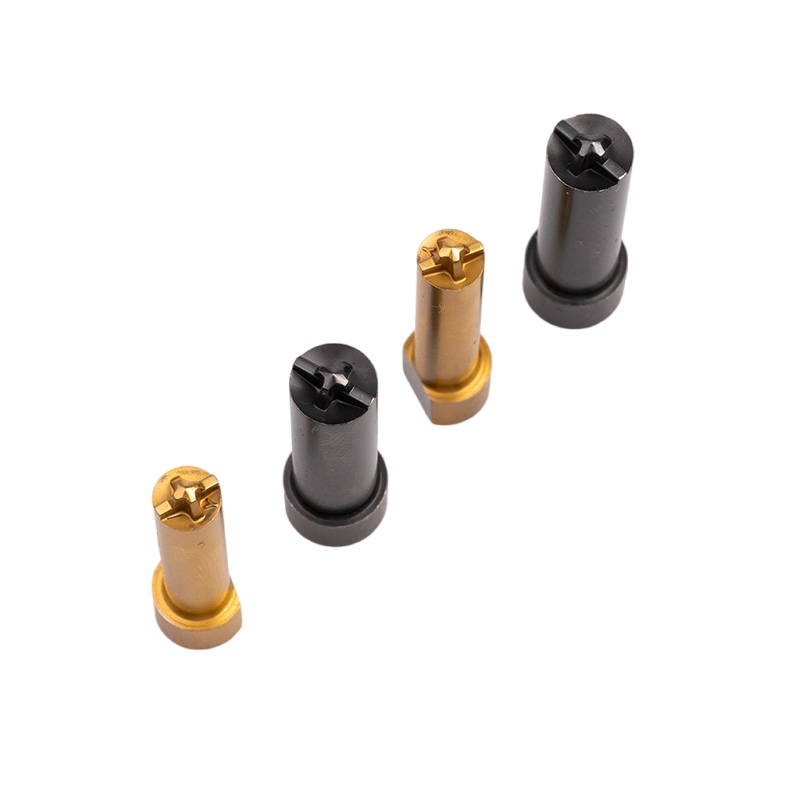
Premature failure of header punches is the primary cause of unplanned downtime in fastener manufacturing, directly impacting OEE (Overall Equipment Effectiveness). The costs extend beyond tool replacement to include scrap generation and missed delivery windows. To prevent this, manufacturers must address abrasive wear, material fatigue due to improper hardness (C50-65 HRC), and misalignment issues. We recommend analyzing failure modes to select the correct carbide grade and precision tolerances.
The Reality of High-Speed Cold Heading
In the cold heading industry, “good enough” tooling is a myth. When your machines are running complex fasteners, a minor deviation in the header punch can result in thousands of rejected parts. At Xiluo Mold Technology, we see this daily. Buyers often focus on unit price, but the real cost lies in the “cost per hit” and machine uptime.
Below is a technical breakdown of why punches fail and how to engineer those failures out of your process.
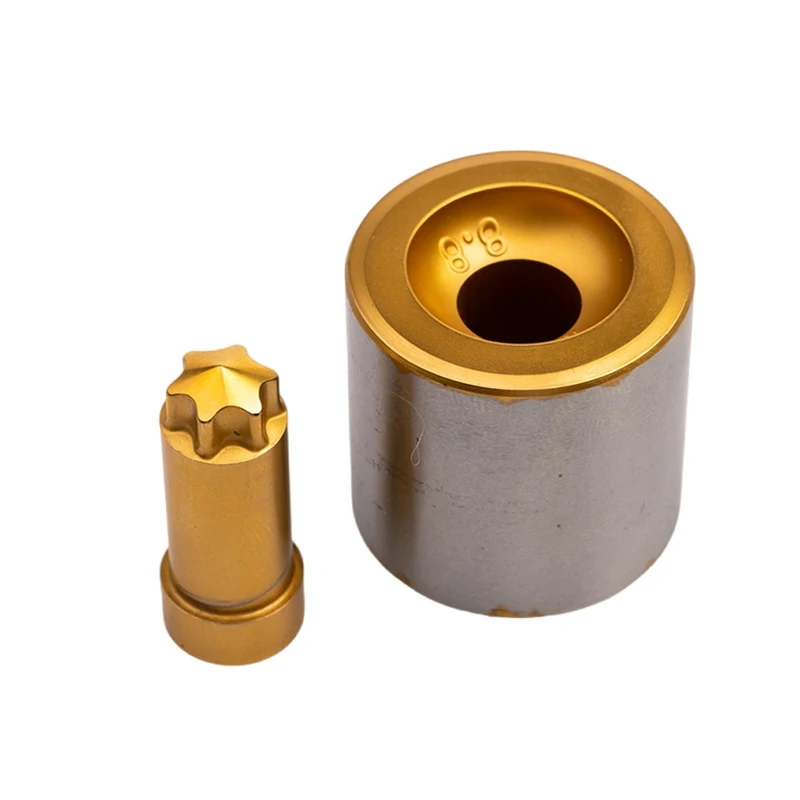
Table of Contents
- Mechanisms of Abrasive Wear and Deformation
- The Critical Role of Material Selection
- Optimal Hardness Ranges for Tool Longevity
- Impact of Misalignment and Concentricity
- Case Study: Carbide Upgrade for High Volume
- Inventory Strategies for Continuous Production
- Detecting Early Failure Signs to Reduce Scrap
1. Mechanisms of Abrasive Wear and Deformation
Why do header punches lose their dimensional accuracy after repetitive cycling?
In high-volume environments, abrasive wear and plastic deformation are inevitable consequences of the extreme compressive forces involved in cold forming. As the punch strikes the wire stock, continuous friction erodes the working surface, leading to “washed out” or rounded edges. This degradation results in fasteners that fail tolerance checks, necessitating immediate tool changes.
The Physics of Deformation
When producing fasteners, the punch face experiences massive pressure. If the yield strength of the punch material is exceeded, plastic deformation occurs.
- Mushrooming: The impact end expands, causing the punch to stick in the die.
- Edge Rounding: The sharp corners required to form the fastener head (e.g., a hex socket or Torx drive) wear down, causing the driver bit to slip in the final product.
In our experience, a standard punch might look fine visually, but a dimensional check will show a drift of 0.02mm, which is often enough to reject a lot of aerospace or automotive fasteners.
2. The Critical Role of Material Selection
How does choosing the wrong material accelerate punch failure?
Selecting a material with insufficient toughness or wear resistance is the leading cause of catastrophic tool failure. While standard tool steels are cost-effective for short runs, high-volume production demands Tungsten Carbide or Powder Metallurgy (PM) steels to withstand the thermal shock and mechanical stress without fracturing or degrading rapidly.
Steel vs. Carbide: Making the Trade-off
We frequently consult with clients who are using High-Speed Steel (HSS) for jobs that require Carbide.
- Standard Tool Steel: Good for general purpose, but under high-speed conditions, it lacks the red hardness (ability to retain hardness at high temperatures) needed.
- Tungsten Carbide: Essential for high-volume runs. It offers superior wear resistance but is more brittle. It requires a rigid machine setup.
Real-World Scenario:
We recently diagnosed a failure where a client used an uncoated standard steel punch for stainless steel wire. The material hardness was insufficient, leading to rapid passivation (dulling). Upgrading to a high-grade alloy with a specialized coating reduced the tool change frequency by 60%.
3. Optimal Hardness Ranges for Tool Longevity
What is the specific hardness range required for reliable header punches?
The optimal hardness for a header punch typically falls between Rockwell C50 and C65, depending strictly on the wire material and head geometry. If the hardness is below C50, the tool will deform and bulge; if it exceeds C65 without proper toughness, it becomes brittle and is prone to shattering under impact.
Balancing Hardness and Toughness
Achieving this balance is a function of precise heat treatment.
| Application Type | Recommended Hardness | Risk of Incorrect Spec |
| Heavy Impact / Large Diameter | HRC 56 – 58 | Too hard = Splitting / Cracking |
| High Precision / Complex Shape | HRC 60 – 62 | Too soft = Loss of definition |
| Standard Carbon Steel Wire | HRC 58 – 60 | Standard balance |
| Stainless Steel / Exotic Alloys | HRC 62 – 64 (Carbide) | Rapid wear if too soft |
At Xiluo, we test every batch. We found that a deviation of just 2 HRC points can reduce tool life by 30%.
4. Impact of Misalignment and Concentricity
Can machine setup errors cause immediate punch breakage?
Yes, poor alignment and lack of concentricity between the punch and the die create uneven load distribution during the heading blow. This off-center force causes localized stress concentrations, leading to immediate chipping, bending, or snapping of the punch, regardless of how expensive the tool material is.
The “Hidden” Killer of Tooling
Even the best punch cannot survive a bad setup.
- Concentricity: If the punch center does not align perfectly with the die center, the side forces (shear stress) increase dramatically.
- Machine Play: Worn rams or loose guideways in older heading machines exacerbate this issue.
Case Example: The Alignment Fix
A client complained that our punches were “brittle.” Upon onsite inspection, we found the machine alignment was off by 0.05mm. The punch was hitting the die edge slightly. After using precision alignment tools to correct the setup, the “brittle” punch ran for 50,000 cycles without issue. Precision tolerances in the tool must be matched by precision in the machine setup.
5. Case Study: Carbide Upgrade for High Volume
Does switching to carbide justifies the higher upfront cost?
In high-volume fastener production, upgrading from standard tool steel to Carbide Header Punches dramatically increases wear resistance and machine uptime. The transition minimizes the frequency of line stoppages for tool changes, effectively lowering the total cost per part despite the higher initial investment in the punch itself.
Project Background
One of our partners operates a line with a production capability of approximately 2,000 pieces per day for a complex automotive fastener.
- The Problem: They were using M2 High-Speed Steel punches. Operators had to stop the machine once a day to polish or replace the punch due to wear, disrupting the rhythm.
- The Solution: We engineered a custom Tungsten Carbide punch with a specific binder content to absorb shock.
- The Result: The new punches lasted over a week before requiring attention. The reduction in downtime and the consistency of the parts produced (less variance) improved their yield significantly.
6. Inventory Strategies for Continuous Production
How should procurement managers handle spare parts to ensure business continuity?
To mitigate the risk of production halts, manufacturers must maintain a strategic safety stock of standard punches. Relying on “just-in-time” delivery for consumables is risky; holding an inventory ensures that tool replacement is immediate, keeping production efficiency high and reducing the impact of unexpected breakage.
The Xiluo Approach to Inventory
We understand that waiting for a tool is not an option.
- Standard Inventory: We maintain a stock of approximately 200,000 standard punches. This allows us to ship common sizes immediately.
- Custom Safety Stock: For our contract partners (OEMs), we recommend keeping a minimum of 3-5 sets of critical punches on-site.
If you are running a high-output facility, the cost of holding $500 worth of punches on a shelf is negligible compared to the cost of a machine sitting idle for 48 hours waiting for a shipment.
7. Detecting Early Failure Signs to Reduce Scrap
How can operators identify punch wear before it ruins a batch of parts?
Operators must actively monitor for signs of surface passivation, friction wear, and dimensional drift on the finished fasteners. Identifying dullness on the punch face or slight burrs on the fastener head allows for scheduled maintenance, preventing the production of thousands of sub-standard parts that must be scrapped.
Visual and Dimensional Indicators
Don’t wait for the punch to break. Look for these warning signs:
- Flash: Excess material squeezing out between the punch and die usually indicates edge wear.
- Poor Finish: If the fastener head looks rough or has drag marks, the punch surface is failing.
- Audit Data: If your quality control charts show a trend toward the tolerance limit, change the punch before it goes out of spec.
Conclusion
The failure of a Header Punch is rarely just “bad luck.” It is usually a calculated result of material choice, hardness specification (C50-65), or machine alignment. By understanding these failure modes—wear, deformation, and misalignment—you can make smarter procurement decisions.
Whether you need a robust inventory of standard parts or a custom carbide solution for a difficult heading application, the engineering team at Xiluo Mold Technology Co., Ltd is ready to assist.
Ready to optimize your cold heading process? Contact our engineering team today for a tool life analysis.