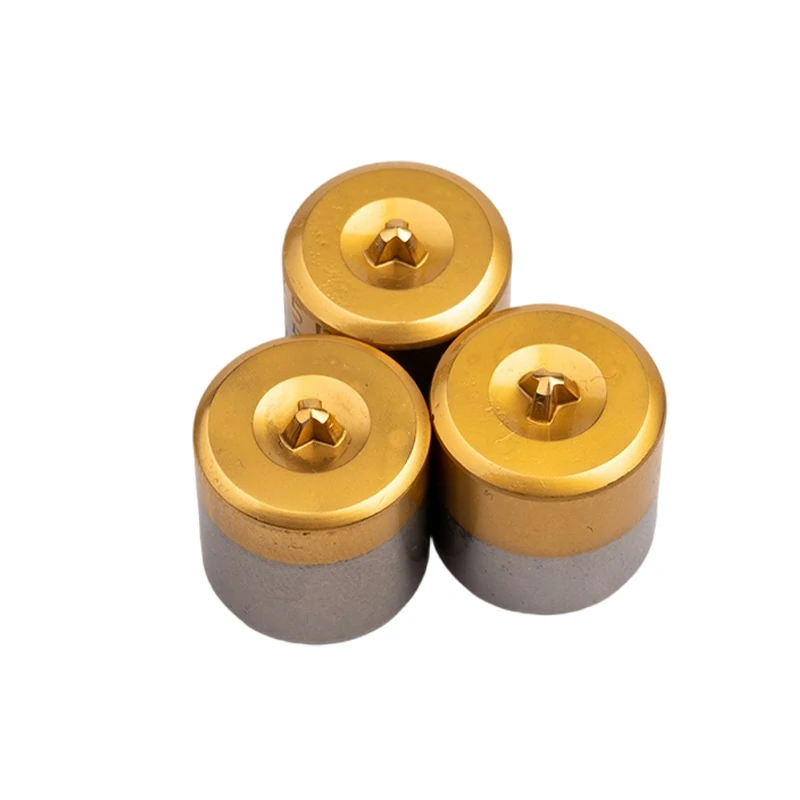
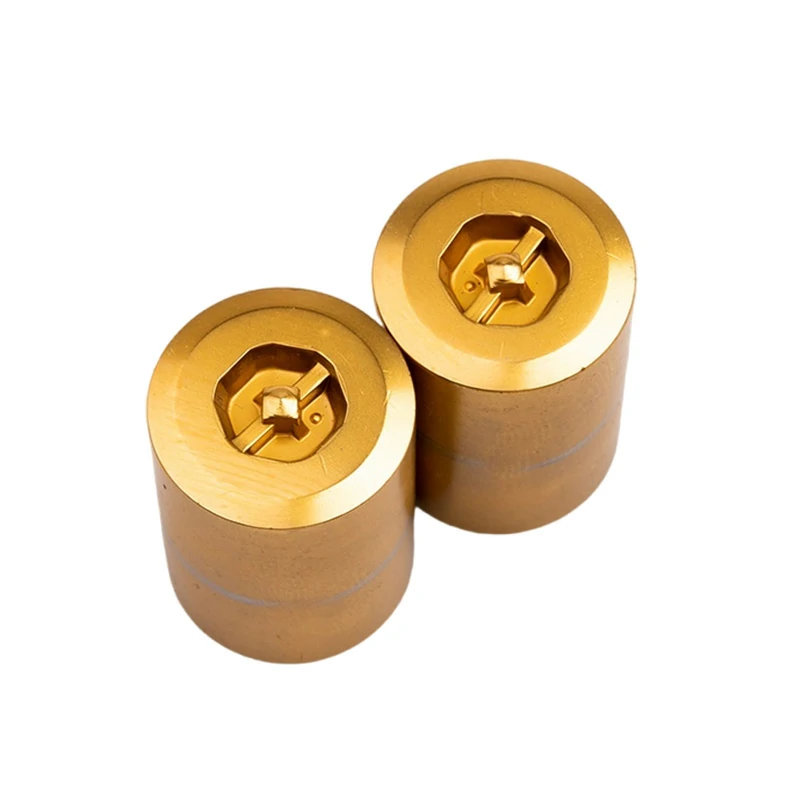
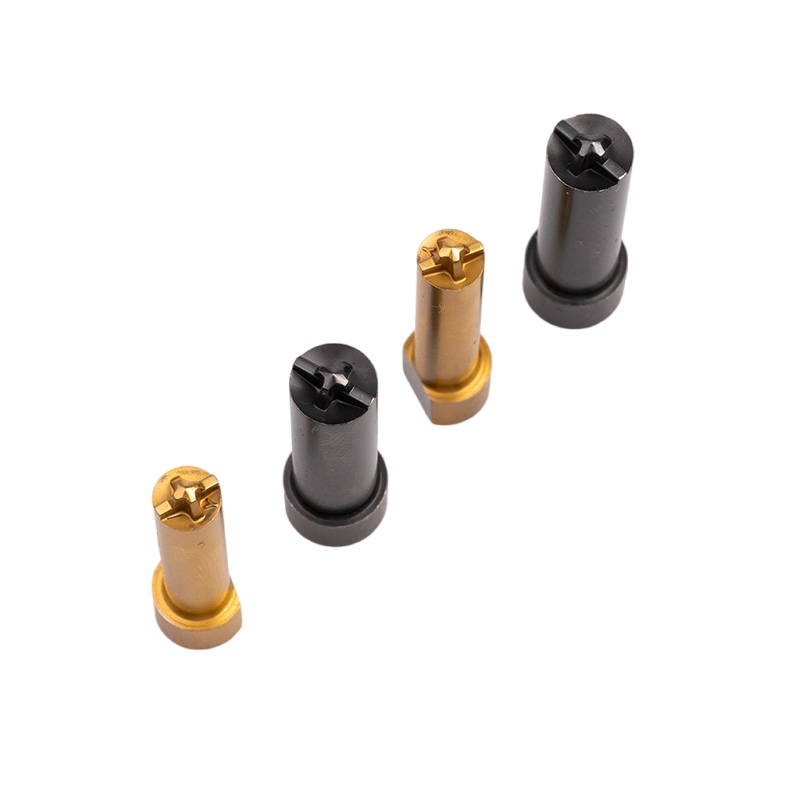
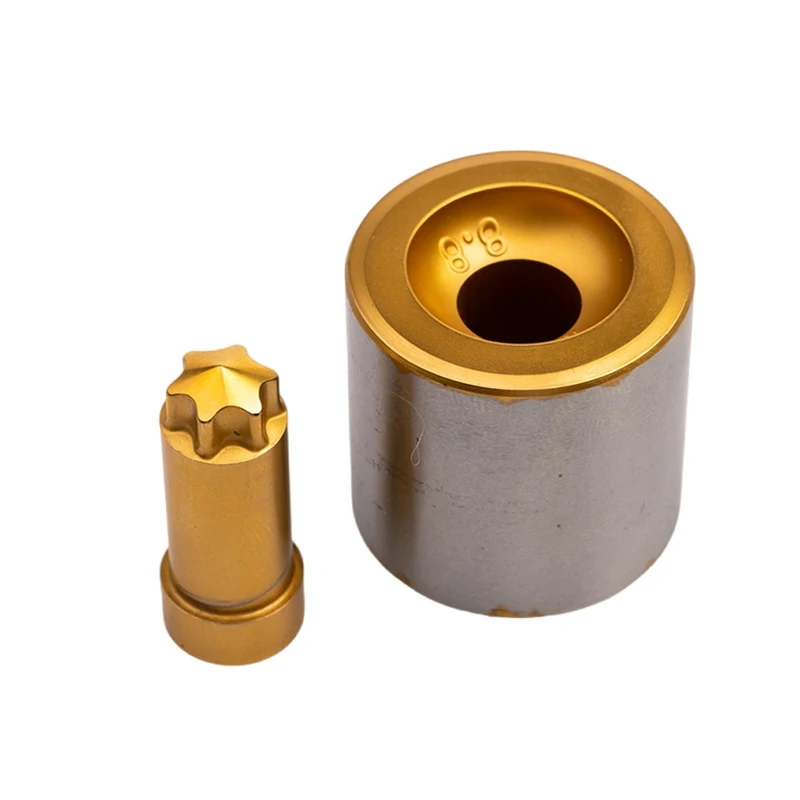
Choosing the wrong header punch material is the silent killer of profitability in cold heading. It manifests as frequent machine stoppages, inconsistent fastener dimensions, and inflated scrap rates. At Xiluo Mold Technology, we believe the solution isn’t simply buying the most expensive tool, but mathematically matching the header punch material properties—specifically hardness and toughness—to your specific production volume and part geometry.
The following guide breaks down the engineering logic behind material selection to help you optimize your tool life and reduce cost-per-part.
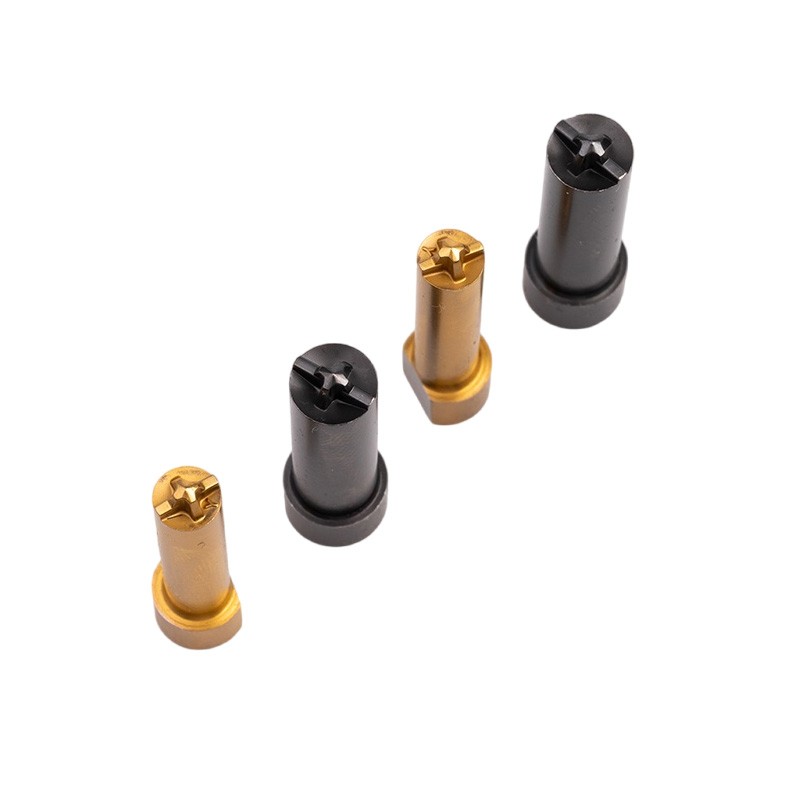
Table of Contents
- The Economics of Material Selection
- Standard Tool Steel vs. Tungsten Carbide
- Matching Hardness to Production Volume
- Complex Geometries and Stress Concentration
- The Role of Surface Coatings in Extending Life
- Real-World Case Studies in Efficiency
- When to Choose Custom Over Standard Punches
1. The Economics of Material Selection
Does saving money on punch material actually cost you more?
Yes, selecting a lower-grade material for a high-demand application inevitably leads to higher costs. While a standard steel punch is cheaper upfront, the true cost includes machine downtime for changeovers, operator labor, and material waste. For high-volume manufacturers, the goal is to maximize the “hits per punch,” making the initial material investment secondary to the long-term OEE (Overall Equipment Effectiveness).
The Hidden Cost of “Cheap” Tools
When a procurement manager buys a lower-grade punch to save 20%, they often ignore the engineering reality:
- Downtime: It takes 15-30 minutes to change and calibrate a punch.
- Quality Drift: As a soft material wears, the last 5,000 parts might be out of tolerance before the operator notices.
2. Standard Tool Steel vs. Tungsten Carbide
What are the fundamental differences between the two main material categories?
The choice between standard tool steel and carbide is a trade-off between toughness and wear resistance. Standard tool steel (HSS) offers excellent shock absorption but lower wear resistance (Hardness: Rockwell C50-55), making it ideal for shorter runs. In contrast, Tungsten Carbide offers extreme hardness (Rockwell C60-65) and rigidity, essential for high-volume precision, though it is more brittle and requires a stable machine setup.
Comparative Analysis
To select the right header punch material, you must understand where they sit on the spectrum.
| Feature | Standard Tool Steel (HSS) | Tungsten Carbide |
| Typical Hardness | HRC 50 – 55 | HRC 60 – 65 |
| Primary Strength | Toughness / Shock Absorption | Wear Resistance / Compressive Strength |
| Failure Mode | Plastic Deformation / Wear | Micro-chipping / Fracture |
| Best Application | Low-Medium Volume, Older Machines | High Volume, Precision Aerospace/Auto |
3. Matching Hardness to Production Volume
At what production volume should you switch from Steel to Carbide?
For production lines running tens of thousands of pieces daily, tool hardness is the deciding factor. Using a standard steel punch (HRC 50-55) in a high-speed environment causes rapid abrasive wear and shape loss. Upgrading to a Carbide punch (HRC 60+) stabilizes dimensions over millions of cycles, making it the only viable economic choice for mass production.
The Volume Threshold
In our facility experience, the transition point usually happens here:
- Low/Medium Volume (<10k parts/run): Standard HSS is sufficient. It is forgiving of minor machine misalignment.
- High Volume (>50k parts/run): Carbide is mandatory.
- Data Point: In high-volume tests (daily output ~2,000+ pieces/machine), Carbide punches maintain dimensional stability 3x longer than steel.
- Result: Less frequent stops mean your machine is actually making money, not waiting for maintenance.
4. Complex Geometries and Stress Concentration
How does the shape of the fastener head dictate material choice?
Complex head shapes create localized stress points that can shatter brittle materials. For fasteners with deep recesses (like Torx or intense hex drives) or thin walls, a material that is too hard may fracture. In these cases, a heat-treated high-strength tool steel or a specific “tough grade” carbide is preferred to prevent catastrophic failure while maintaining forming accuracy.
Balancing Design and Durability
- Simple Flat/Pan Heads: Can utilize harder, more brittle grades of Carbide for maximum life.
- Deep Recesses: Require a material with higher transverse rupture strength. If the header punch material is too hard (e.g., >HRC 65), the corners of the drive shape will snap off under load.
Engineering Tip: For complex geometries, we often recommend a “hybrid” approach—using a steel casing with a carbide insert to balance shock absorption with wear resistance.
5. The Role of Surface Coatings in Extending Life
Can a coating really compensate for base material limitations?
Surface coatings are a critical force multiplier for punch longevity. Applying coatings like TiN (Titanium Nitride) or TiAlN (Titanium Aluminum Nitride) reduces the coefficient of friction significantly. This barrier protects the substrate material from heat and abrasion, typically reducing wear rates by 30%–50% in high-speed cold heading applications.
Coating Selection Guide
Different coatings solve different problems:
- TiN (Gold): General purpose. Good for reducing friction and preventing “galling” (material adhesion).
- TiAlN (Violet/Black): Excellent heat resistance. Best for high-speed headers where thermal buildup is the primary enemy.
Data Insight: We observed that on stainless steel headers, an uncoated punch failed due to heat fatigue. Adding a TiAlN coating extended the run time by 40% simply by managing the thermal load better.
6. Real-World Case Studies in Efficiency
How do these theories play out on an actual factory floor?
Real-world application proves that matching material to the specific job transforms profitability. Below are two specific cases from our client history where changing the header punch material resolved critical bottlenecks.
Case A: The Automotive Upgrade (Carbide)
- Scenario: A client producing automotive bolts on a high-speed line using standard steel punches.
- Issue: Rapid wear required tool changes every shift.
- Solution: We upgraded them to a fine-grain Tungsten Carbide punch (HRC 62).
- Result: Tool life extended by 2-3 times. The reduction in downtime allowed them to add an extra 4 hours of production capacity per week without new machinery.
Case B: The Balanced Approach (Coated Steel)
- Scenario: A manufacturer of specialized screws faced frequent chipping with carbide punches due to machine vibration.
- Solution: We switched them to a premium heat-treated tool steel with a TiN coating.
- Result: The steel absorbed the vibration without breaking, and the TiN coating provided the necessary surface hardness. This optimized mix reduced scrap rates and unplanned maintenance.
7. When to Choose Custom Over Standard Punches
Is it worth paying for a custom-engineered punch?
While standard punches are cost-effective for general use, custom punches are essential for difficult materials. If you are heading exotic alloys or require extremely tight concentricity, off-the-shelf options often fail prematurely. Custom punches allow for specific substrate and coating combinations that standard catalogs cannot offer, ultimately securing quality for critical contracts.
Decision Matrix
- Standard Punches: Ideal for Carbon Steel wire, standard DIN/ISO dimensions, and rapid delivery needs.
- Custom Punches: Necessary when:
- Wire material is harder than average (e.g., Inconel, 316L Stainless).
- Tolerance requirements exceed standard class norms.
- You need to combine a specific steel grade with a non-standard coating.
Conclusion
Selecting the right header punch material is not a guessing game; it is a calculation of volume, geometry, and physics.
- Use Tool Steel (HRC 50-55) for lower volumes or older machines.
- Use Carbide (HRC 60-65) for high-volume, high-precision lines.
- Always consider Coatings (TiN/TiAlN) to reduce friction and heat.
At Xiluo Mold Technology Co., Ltd, we don’t just sell tools; we engineer solutions that fit your production reality.
Unsure which material fits your new project? Contact our engineering team today for a comprehensive material selection audit.