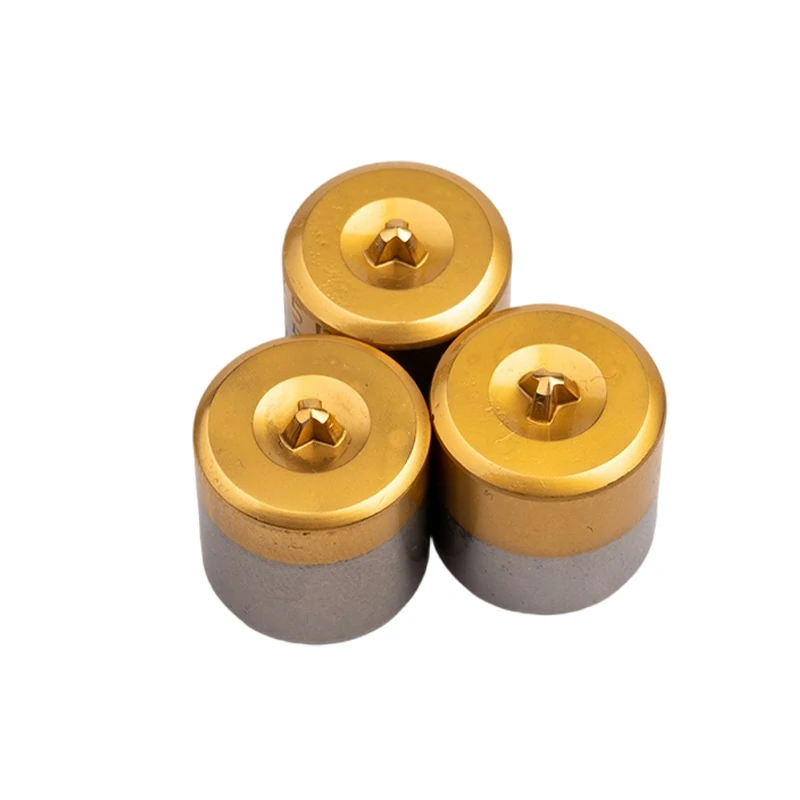
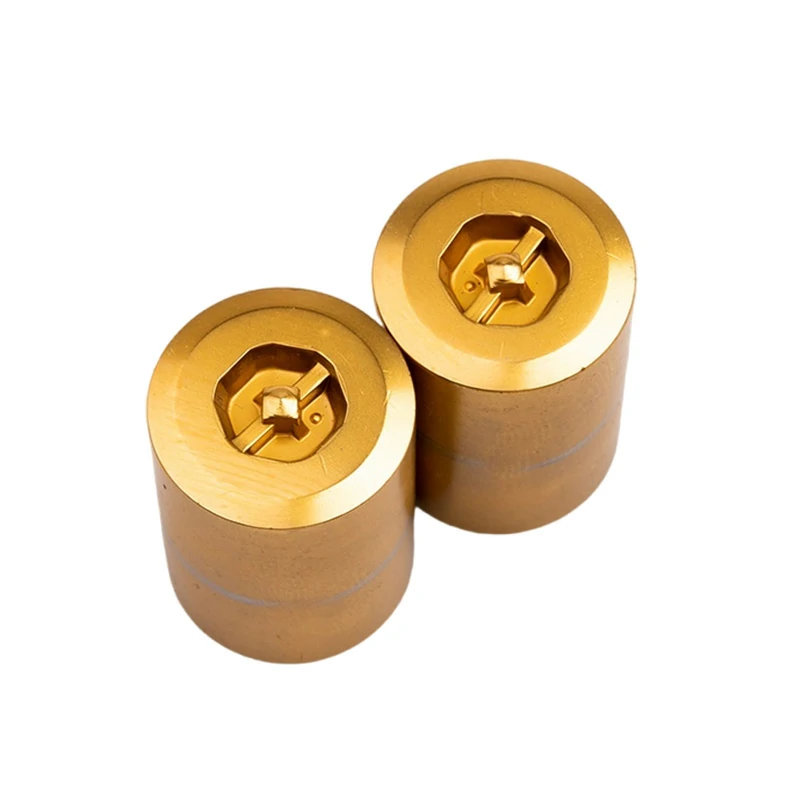
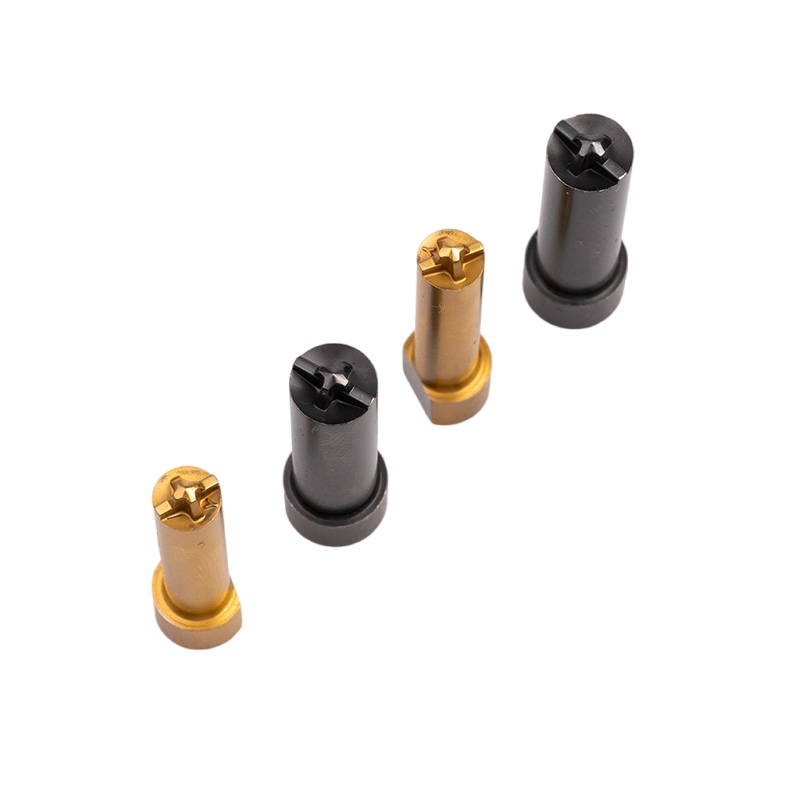
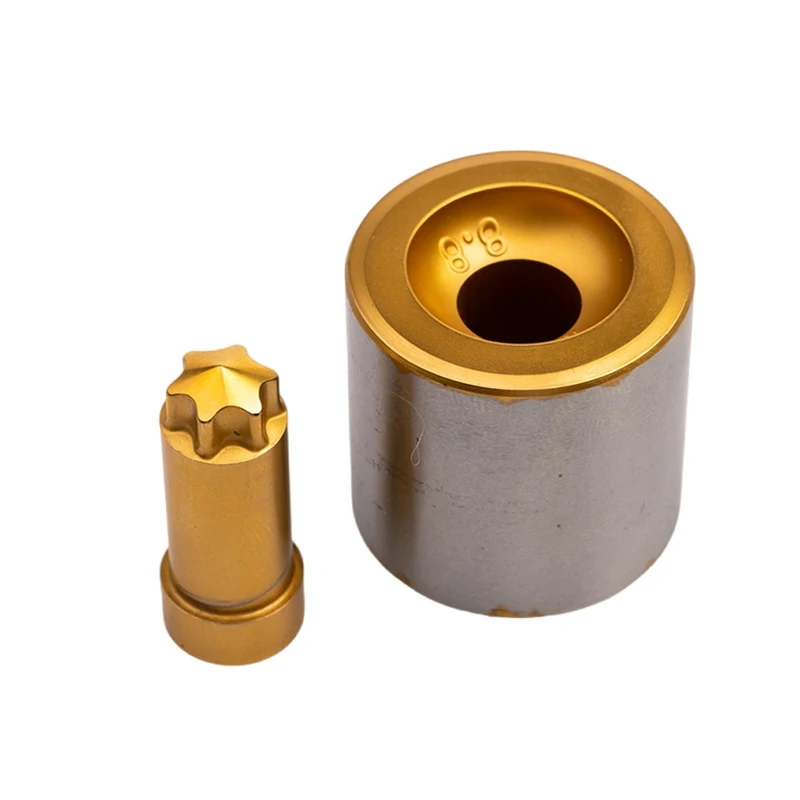
Friction and thermal buildup are the primary enemies of tool longevity in high-speed screw production lines. When running thousands of cycles per day, the heat generated can cause rapid passivation and dimensional drift in standard tooling. Coated Header Punches—specifically those treated with TiN or TiAlN—solve this by creating a thermal barrier that reduces friction wear by 30%–50%. This upgrade stabilizes part quality and significantly lowers the frequency of machine downtime.
The Economics of Surface Treatment
In the cold heading industry, we often see procurement managers hesitate at the extra cost of coated tooling. However, when you calculate the “cost per thousand parts,” the uncoated tool is often the most expensive item on the floor due to the interruptions it causes.
Below is a technical breakdown of how specific coatings function and the data behind their performance in real-world applications.
Table of Contents
- The Physics of Friction in High-Speed Heading
- Limitations of Uncoated Tool Steel and Carbide
- The Mechanism of TiN and TiAlN Coatings
- Matching Coating to Substrate Hardness
- Case Study: 1.8x Life Extension in Screw Production
- Impact on Scrap Rates and Dimensional Consistency
- Maintenance Protocols for Coated Tooling
1. The Physics of Friction in High-Speed Heading
Why does high speed destroy standard punches so quickly?
In high-speed production (thousands of parts per day), the friction between the punch and the wire generates intense localized heat. This heat softens the working edge of the tool, leading to abrasive wear and “galling” (material adhesion). Without a protective barrier, the punch edge dulls rapidly, forcing operators to stop the machine for polishing or replacement to avoid burrs on the screw head.
The Thermal Cycle
Every time the punch strikes:
- Compression: Generates heat.
- Retraction: Exposure to coolant (thermal shock).
- Result: This cycle repeats several times per second. Uncoated metal fatigues quickly under this stress.
2. Limitations of Uncoated Tool Steel and Carbide
Is raw material hardness enough to resist wear?
No, hardness alone cannot prevent friction-induced failure. While we manufacture Coated Header Punches using high-grade substrates—Standard Tool Steel (Rockwell C50–55) or Tungsten Carbide (Rockwell C60–65)—the bare surface is still susceptible to micro-welding. Even a Carbide punch at HRC 65 will suffer from surface erosion if the coefficient of friction is too high against the wire material.
Material Hardness Ranges
- High-Speed Steel (HSS): HRC 50–55. Good toughness, but poor wear resistance without coating.
- Tungsten Carbide: HRC 60–65. Excellent compressive strength, but brittle.
- The Gap: Neither material naturally repels the heat generated by friction; they simply endure it until they fail.
3. The Mechanism of TiN and TiAlN Coatings
How do these coatings physically protect the tool?
Surface coatings like TiN (Titanium Nitride) and TiAlN (Titanium Aluminum Nitride) act as a dry lubricant and a thermal shield. By applying a thin, extremely hard layer (often harder than the substrate itself) via PVD, we lower the coefficient of friction. This reduces the abrasive wear rate by approximately 30%–50%, allowing the underlying tool material to retain its shape for much longer cycles.
Choosing the Right Shield
| Coating | Appearance | Primary Function | Best Application |
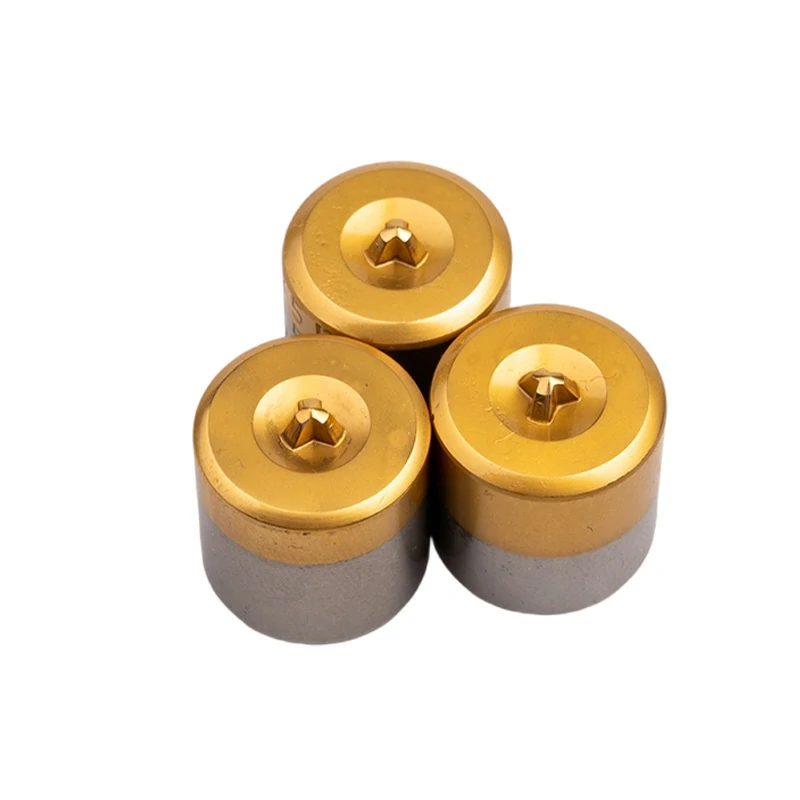
| TiN | Gold | Reduces Friction / Anti-Galling | Standard Screws, Carbon Steel |
| TiAlN | Violet/Black | High Heat Resistance | High-Speed Lines, Stainless Steel |
| TICN | Blue-Grey | High Hardness / Toughness | Heavy Load / High Stress Forming |
4. Matching Coating to Substrate Hardness
Can you coat any punch and expect better results?
A coating is only as good as the substrate supporting it. If you apply a hard coating to a soft steel punch (below HRC 50), the “eggshell effect” occurs: the core deforms, cracking the coating. For maximum efficiency, Coated Header Punches must utilize a rigid substrate like hardened tool steel or carbide to support the coating, which then extends the overall service life by 1.5 to 2 times.
The Synergy Effect
- The Core: Absorbs the impact shock (High Toughness).
- The Skin: Deflects the heat and abrasion (High Hardness).
- Result: A tool that can run at higher speeds without overheating.
5. Case Study: 1.8x Life Extension in Screw Production
What does this upgrade look like in a real factory scenario?
We recently worked with a fastener plant running a high-speed line for automotive screws. They struggled with frequent stops due to punch wear using uncoated HSS tools. By upgrading to TiAlN-coated Carbide punches, they achieved a 1.8x extension in tool life. The coating managed the friction heat, keeping the punch edges sharp long after the uncoated tools would have failed.
Project Data Points
- Problem: Uncoated punches wore out every 15,000 pieces due to high friction.
- Solution: Carbide Substrate + TiAlN Coating.
- Outcome:
- Continuous run time increased significantly.
- Friction-related wear dropped by roughly 40%.
- Efficiency: Fewer tool changes meant the machine ran for more hours per shift.
6. Impact on Scrap Rates and Dimensional Consistency
Does a coated punch actually improve the quality of the screw?
Yes, because the coating maintains the tool’s geometry for a longer period. As an uncoated punch wears, the screw head dimensions slowly drift out of tolerance. By resisting this wear, Coated Header Punches keep the “sharp” definition of the drive recess (e.g., Phillips or Torx) consistent. This stability reduces the scrap rate by approximately 20%–35% compared to uncoated tooling.
Quality Metrics
- Head Precision: Coating prevents the “rounding off” of punch corners.
- Surface Finish: Less galling on the punch means a smoother finish on the screw head.
- Rejection Rate: The production line saw a measurable drop in waste because the tools stayed “in spec” longer.
7. Maintenance Protocols for Coated Tooling
Do coated punches require special care?
To maintain high efficiency, operators must inspect the coating condition regularly. While the coating is durable, it is sacrificial. We recommend a protocol of regular visual checks for coating peeling or localized wear. Catching the moment the coating begins to fail allows you to change the tool before the substrate is damaged, potentially allowing for recoating or refurbishment.
The Maintenance Checklist
- Installation: Ensure the punch and die clearance is precise. Misalignment will strip the coating instantly.
- Visual Audit: Check the punch face every 4 hours for the color change that indicates the coating has worn through.
- Lubrication: Even with coated tools, proper coolant flow is essential to carry away the heat the coating deflects.
Conclusion
The data is clear: in high-volume manufacturing, the initial cost of Coated Header Punches is negligible compared to the savings. By reducing wear by up to 50% and cutting scrap rates by over 20%, coatings like TiN and TiAlN transform the profitability of a line.
At Xiluo Mold Technology Co., Ltd, we don’t just supply tools; we help you select the exact substrate and coating combination to match your wire material and machine speed.
Ready to reduce your scrap rate? Contact our engineering team today to discuss the right coating strategy for your production line.