
How to Overcome Precision Issues in Forming Dies for Screws and Bolts? A Manufacturer’s Guide
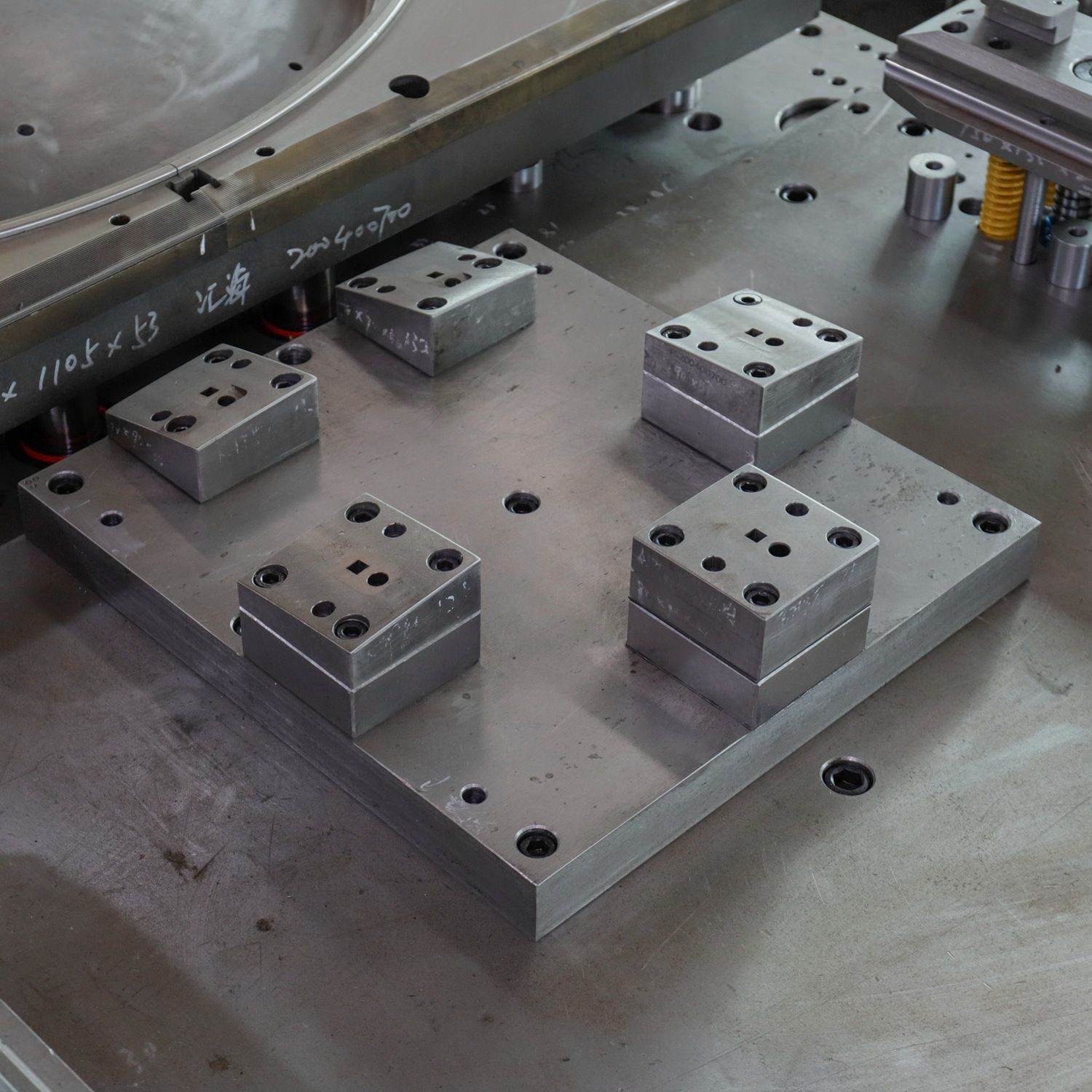
Overcoming precision issues in forming dies for screws and bolts requires a multi-faceted, lifecycle approach that begins with advanced design and material selection, continues through ultra-precision manufacturing, and is maintained with disciplined operational practices. Success hinges on a deep understanding of how factors like finite element analysis (FEA) in design, the choice between tungsten carbide and high-speed steel, the application of performance-enhancing coatings, and rigorous maintenance protocols collectively contribute to achieving and sustaining sub-micron tolerances. This guide provides a comprehensive framework for manufacturers to diagnose, prevent, and solve the most common and costly precision challenges in fastener production.
Traditional vs. Modern Forming Die Manufacturing: Which is Right for You?
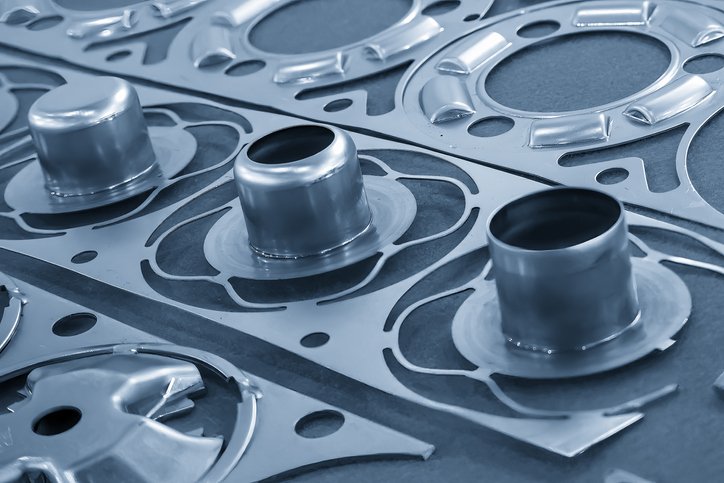
The primary difference between traditional and modern forming die manufacturing lies in the integration of digital technology and automation. Traditional methods rely heavily on manual craftsmanship and conventional machinery, making them suitable for simpler designs, while modern techniques leverage CAD/CAM software, CNC machining, and additive manufacturing for unparalleled precision, speed, and the ability to create highly complex geometries. Understanding this distinction is crucial for any business looking to optimize production costs, lead times, and final part quality. At Xiluo Mold, we harness the best of both worlds, applying decades of experience to state-of-the-art technology to deliver superior tooling solutions tailored to your specific project needs.
Forming Dies: A Comparative Analysis of Steel Types (DC53 vs. D55)
When choosing between DC53 and D55 (a representative of high-wear, high-carbon D-series tool steels) for forming dies, the primary decision hinges on the trade-off between toughness and abrasive wear resistance. DC53 steel offers significantly superior toughness and chip resistance, making it ideal for complex, high-stress applications involving stamping, bending, and forming, while D55 prioritizes maximum hardness and wear resistance for long, high-volume production runs with simpler geometries where abrasion is the main failure mode. This choice directly impacts die lifespan, maintenance costs, and the quality of finished parts, making it a critical strategic decision in tool and die manufacturing.
OEM vs. ODM Forming Dies: Which Service Suits Your Production Needs?
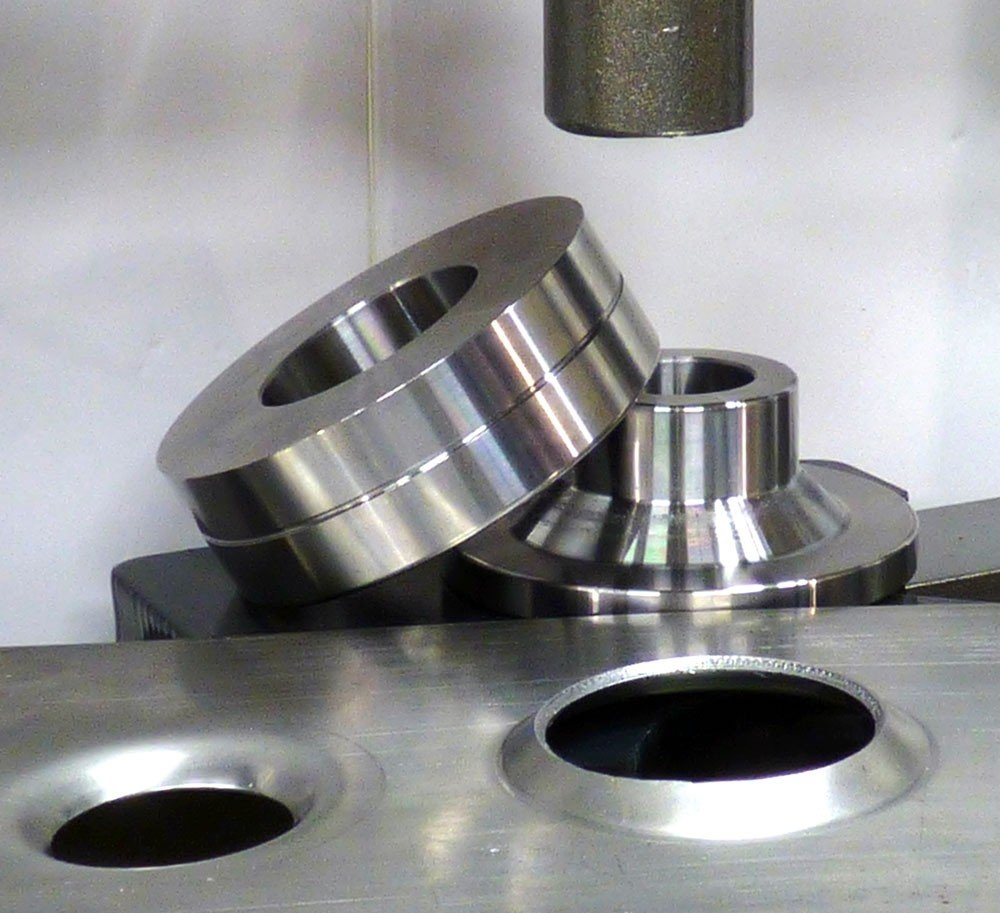
Choosing between OEM and ODM forming die services is a critical decision that directly impacts your product’s uniqueness, intellectual property, budget, and time-to-market. In essence, **OEM (Original Equipment Manufacturer)** is the ideal path when you possess a unique, proprietary die design and require a manufacturing partner to build it to your exact specifications. Conversely, **ODM (Original Design Manufacturer)** is suitable when you need to produce a more standard part and can leverage a manufacturer’s existing, pre-engineered die designs to accelerate production and reduce upfront costs.
Top 5 Innovations Revolutionizing Forming Dies for Fastener Production
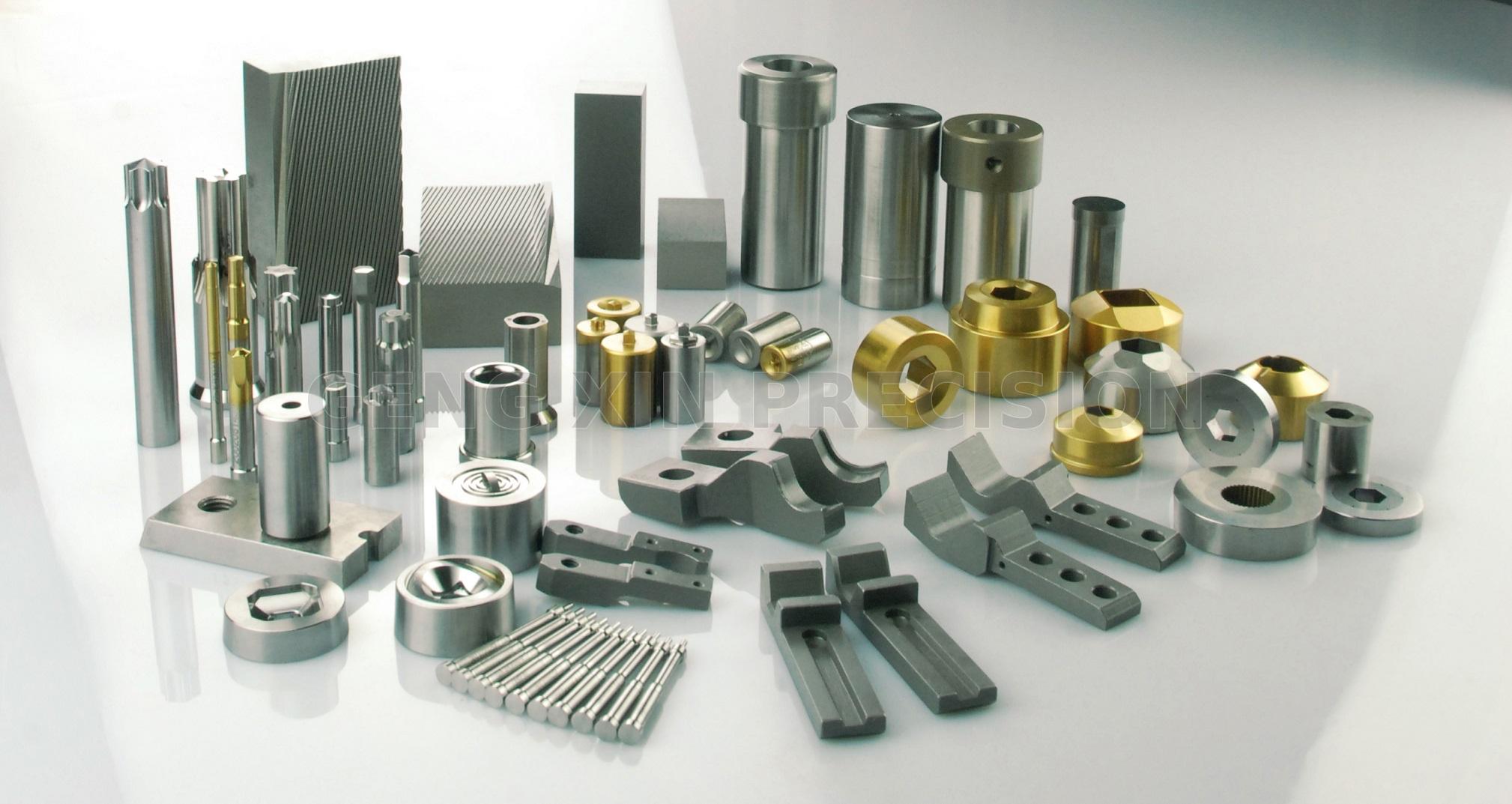
The top 5 innovations in forming dies for fastener production are advanced materials and coatings, simulation-driven design (FEA/CAE), precision manufacturing techniques, modular die designs, and smart dies with integrated sensors. These breakthroughs are not just incremental improvements; they represent a fundamental shift in how manufacturers can achieve higher efficiency, superior fastener quality, and significantly longer tool life. In the high-pressure, high-volume world of fastener manufacturing, the forming die is the heart of the operation. Embracing these technological advancements is no longer an option but a strategic necessity for staying competitive and profitable.
7 Must-Have Features of High-Quality Forming Dies for Optimal Performance
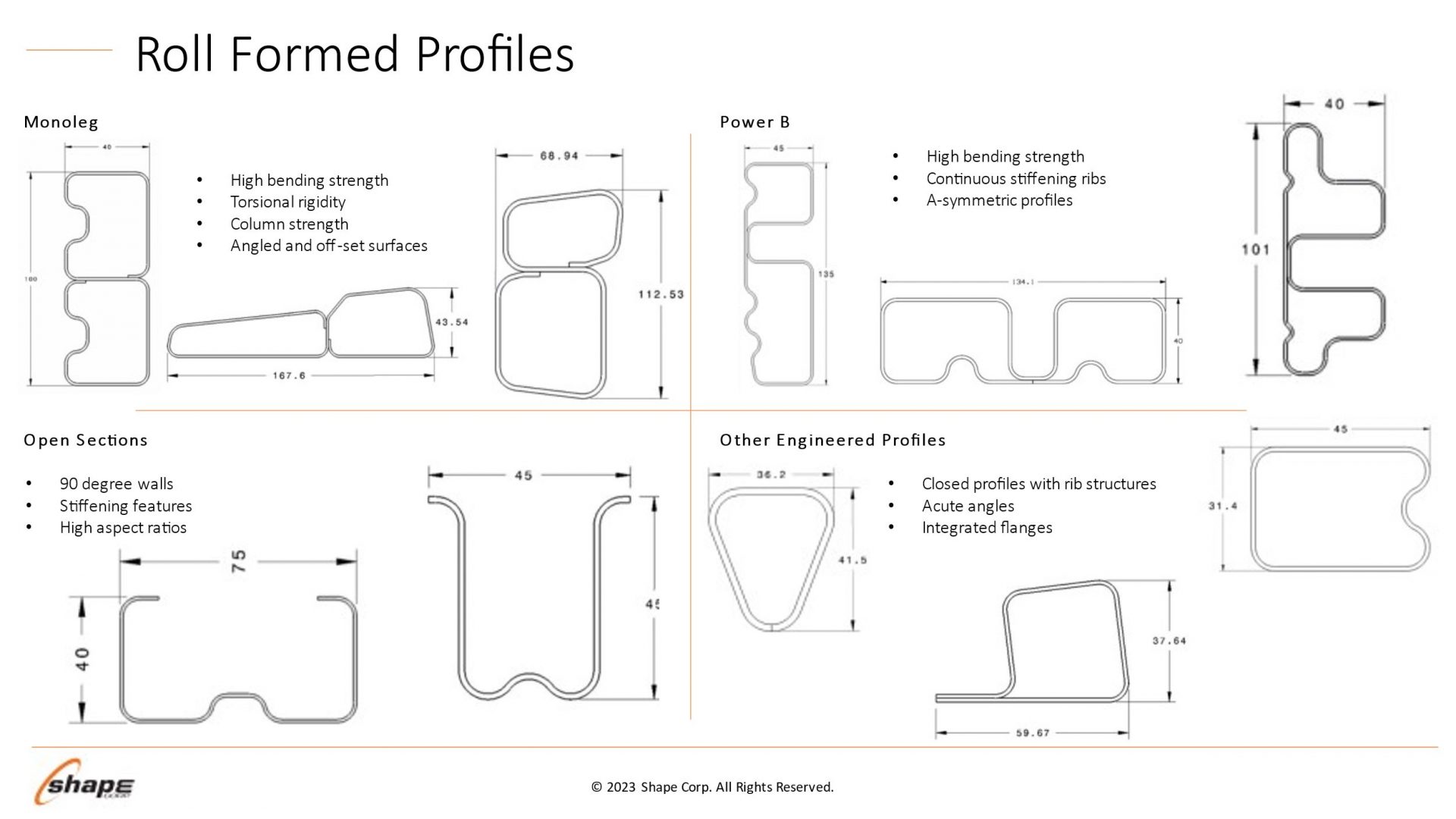
A high-quality forming die is defined by a combination of superior material selection, advanced engineering and design, precision machining to tight tolerances, optimized heat treatment, high-performance surface coatings, robust structural integrity, and a design built for maintainability. These features work in synergy to ensure durability, part consistency, and a higher return on investment by minimizing downtime and maximizing the tool’s productive lifespan.
The 10 Best Practices for Maintaining Your Forming Dies to Maximize Lifespan and ROI
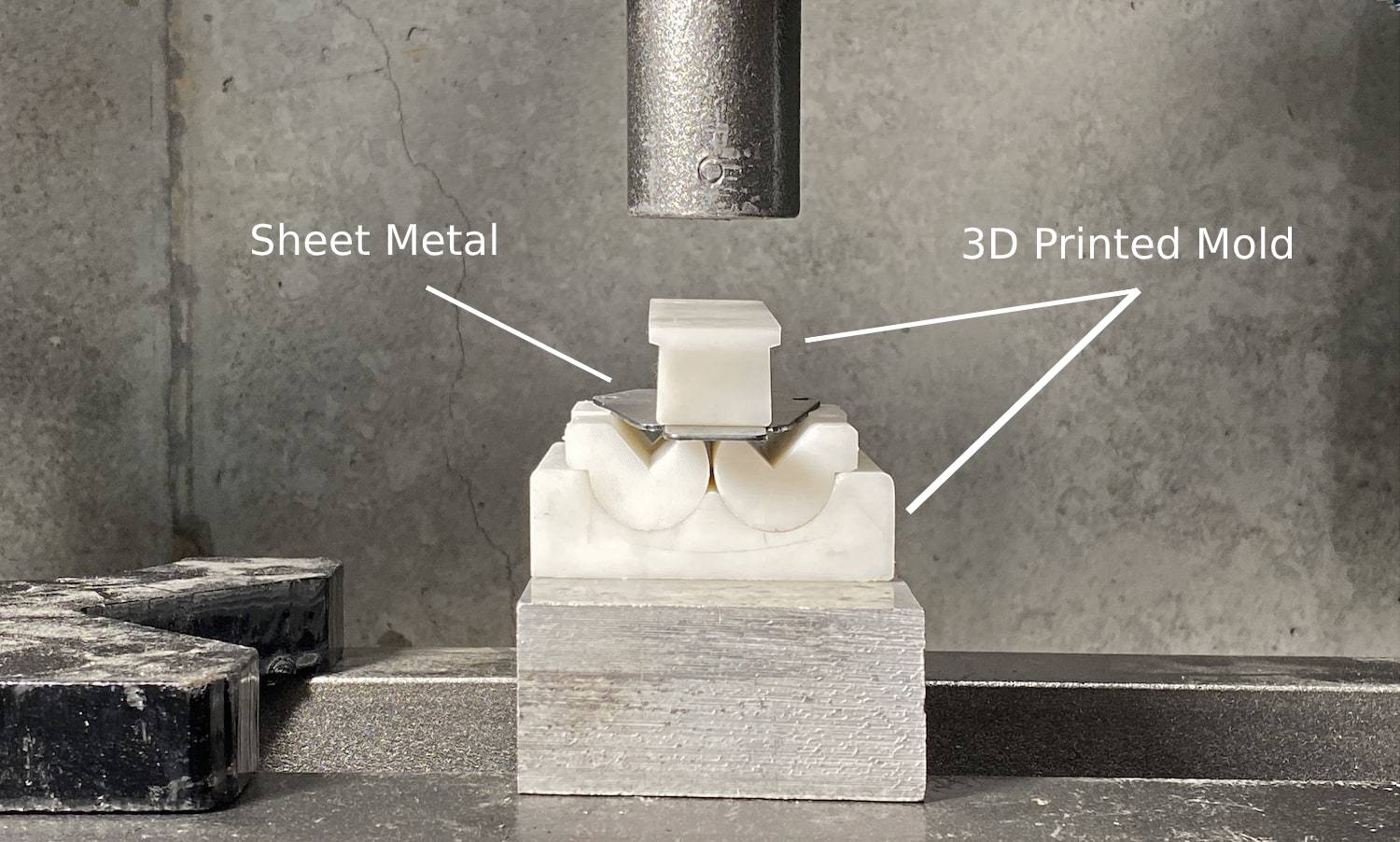
The 10 best practices for maintaining forming dies involve a comprehensive program of regular cleaning, proper lubrication, routine visual and dimensional inspections, timely sharpening, proactive replacement of wear components, correct handling and storage, detailed record-keeping, operator training, precise setup calibration, and strategic inventory of spare parts. Embracing these pillars of preventative maintenance is the single most effective way to protect your significant investment in tooling. A well-maintained die not only lasts longer but also consistently produces high-quality parts, minimizes costly unplanned downtime, and enhances overall operational efficiency. This guide will delve into each of these critical practices, providing actionable insights to help you build a world-class die maintenance program.
Mastering the Craft: A Comprehensive Guide to Solving Common Challenges in Forming Dies for Wire Cold Heading Parts
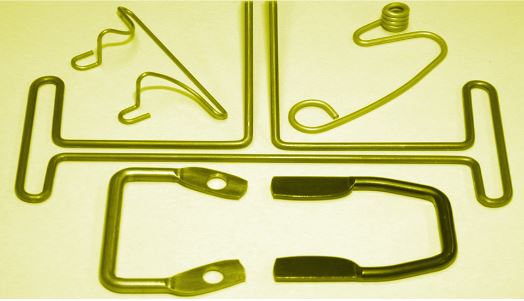
The most common challenges in forming dies for wire cold heading parts include premature die wear, catastrophic cracking or fracture, and dimensional inaccuracies leading to poor part quality. These issues directly impact production efficiency, increase operational costs, and can compromise the integrity of the final components. Understanding the root causes—from material selection and die design to machine setup and lubrication—is the first step toward implementing effective, long-term solutions that enhance die life and ensure consistent manufacturing excellence. This guide provides an in-depth analysis of these problems and offers actionable strategies for overcoming them.
Why Xiluo Mold’s Carbide Cold Heading Die is the Gold Standard for Global Fastener Manufacturers
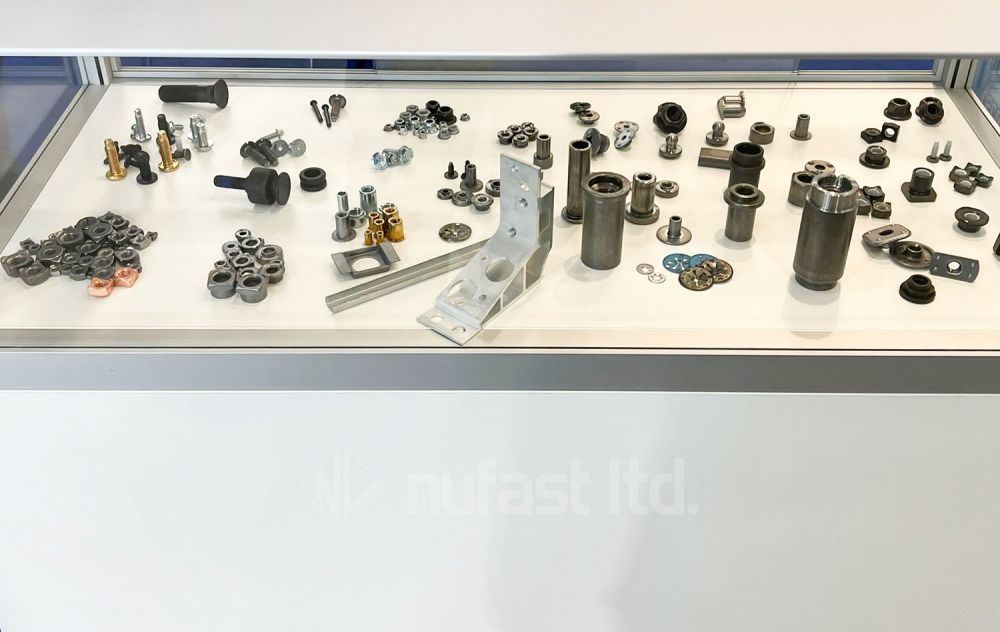
Global fastener manufacturers trust Xiluo Mold’s carbide cold heading dies due to their exceptional durability, precision, and consistency, which directly translate into higher production efficiency, lower cost-per-piece, and superior end-product quality. This industry-wide trust is built on a foundation of advanced material science, state-of-the-art manufacturing processes, and a deep, collaborative understanding of the high-stakes demands of modern manufacturing. In a world where every component’s integrity is paramount—from aerospace to automotive—the tooling used to create fasteners is not just a part, but a critical pillar of the entire production line. Xiluo Mold has distinguished itself not merely as a supplier, but as a strategic partner, delivering tooling solutions that minimize downtime, maximize output, and ensure every fastener meets the most stringent specifications.
