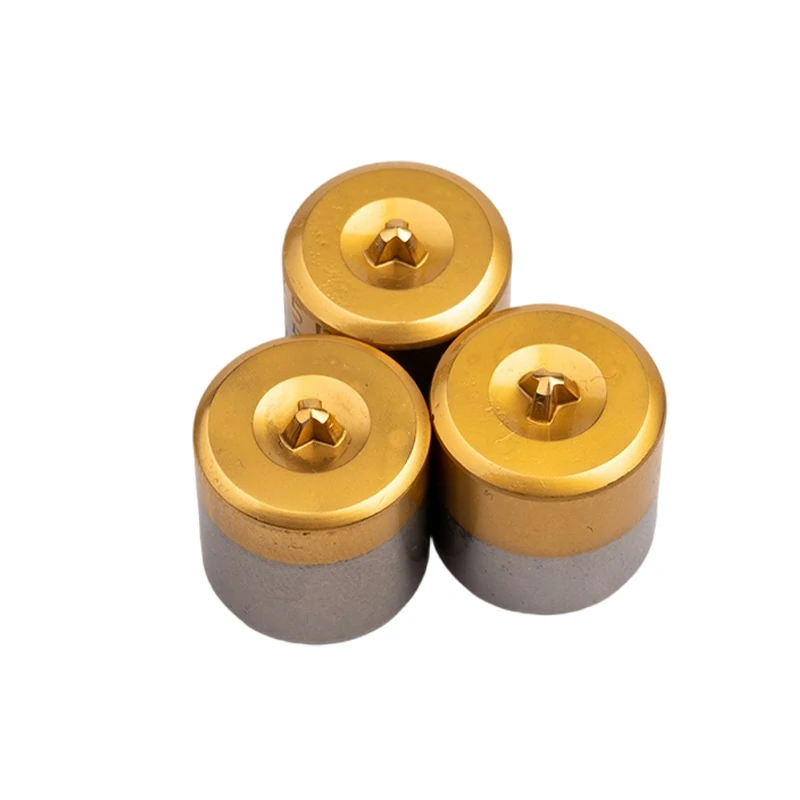
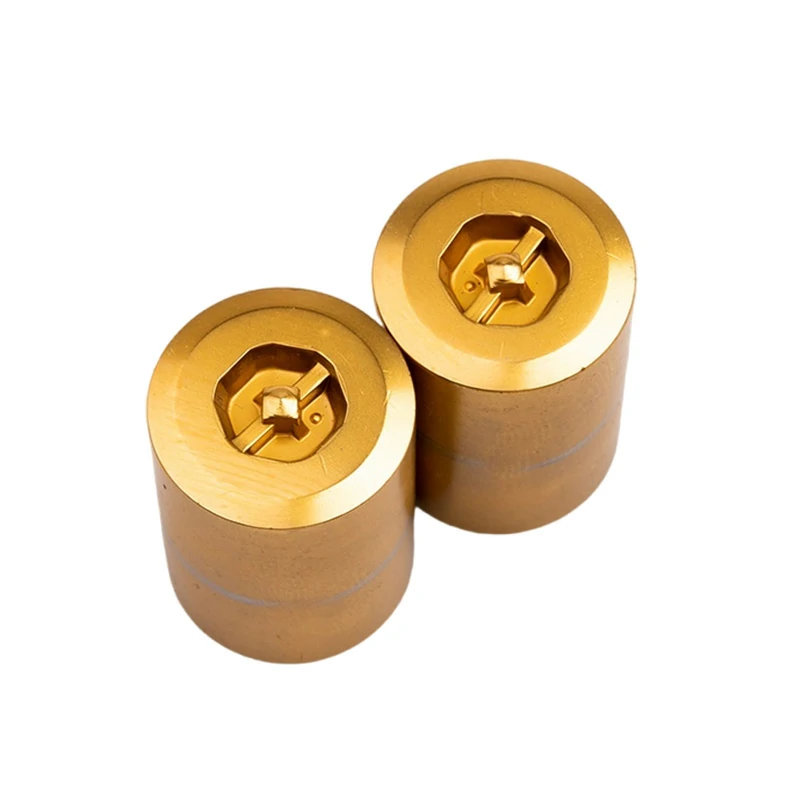
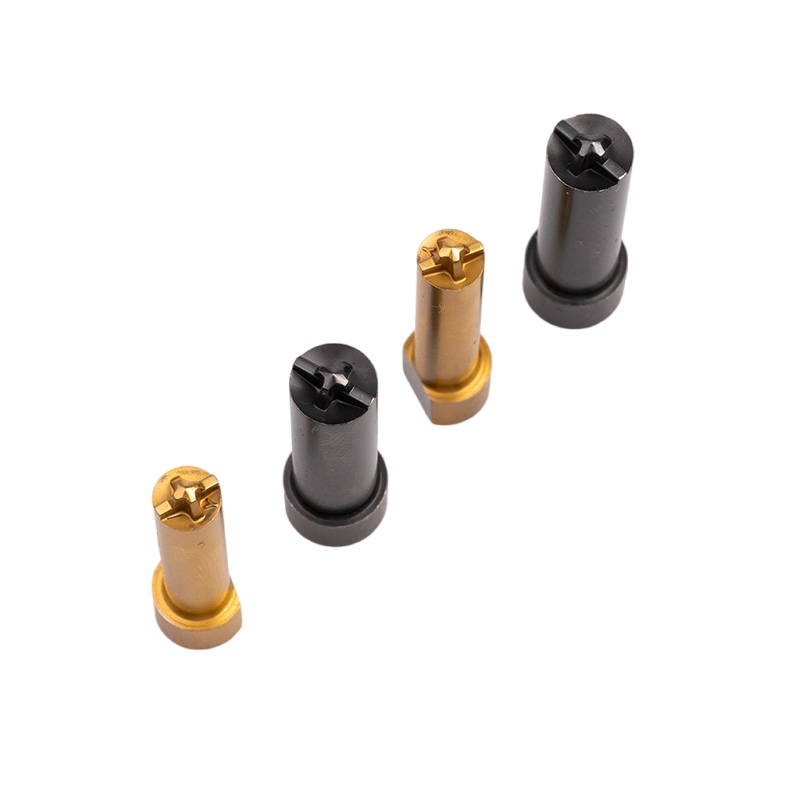
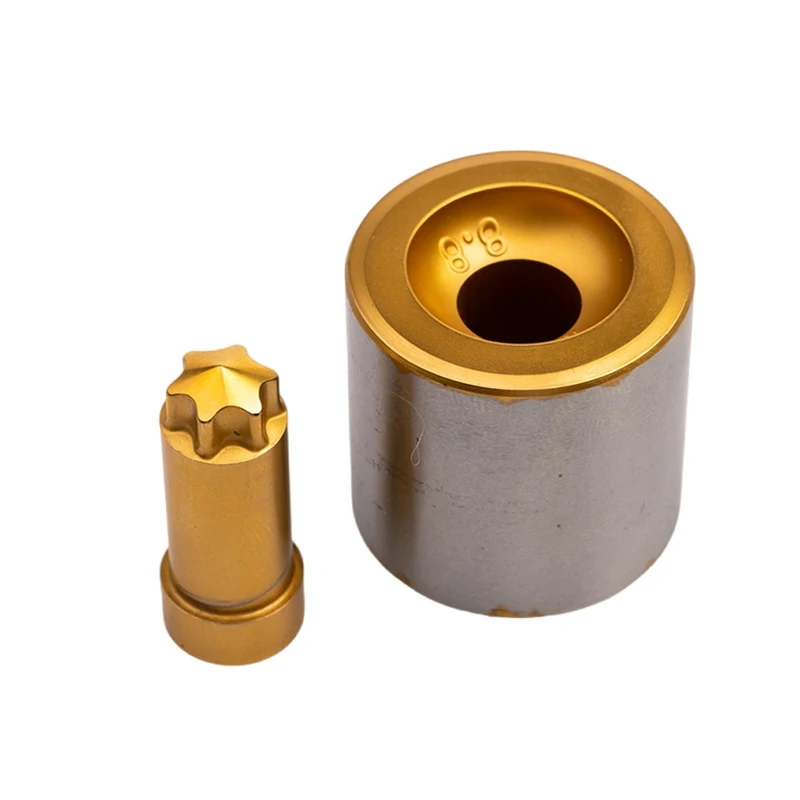
When comparing carbide vs. steel heading dies, carbide dies unequivocally last significantly longer due to their superior hardness, wear resistance, and compressive strength. While steel dies offer a lower initial cost, carbide’s ability to withstand extreme cold heading forces and abrasive materials for millions more cycles translates into dramatically extended tool life, reduced downtime, and lower overall production costs, making them the clear winner for longevity and long-term value.
In the demanding world of fastener manufacturing, the longevity of your tooling directly impacts your bottom line. Heading dies, which shape the heads of countless screws, bolts, and rivets, are subjected to immense forces and abrasive wear. Manufacturers constantly weigh the initial cost against the long-term performance of their tooling. The perennial question arises: when it comes to heading dies, does carbide truly outlast steel, and by how much? Let’s dive into a direct comparison to uncover the definitive answer.
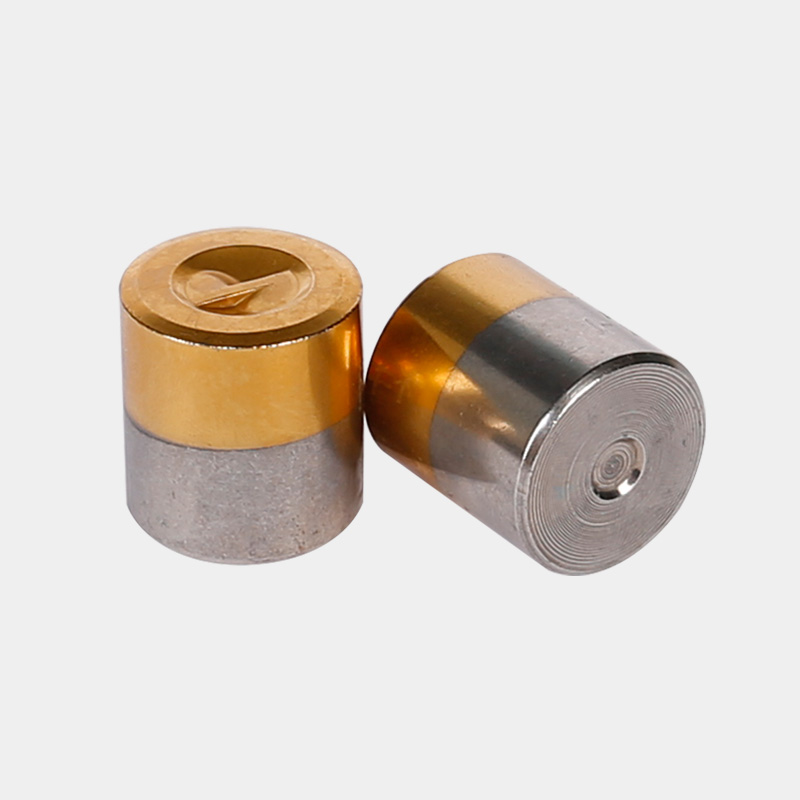
Table of Contents
- What Are the Fundamental Material Differences Between Carbide and Steel Heading Dies?
- How Does Hardness and Wear Resistance Impact Die Longevity?
- What Role Does Toughness and Compressive Strength Play in Die Life?
- How Do Different Fastener Materials Affect Carbide vs. Steel Die Lifespan?
- What Are the Real-World Longevity Differences and Cost Implications?
- How Does XILUO Optimize the Lifespan of Both Carbide and Steel Heading Dies?
1. What Are the Fundamental Material Differences Between Carbide and Steel Heading Dies?
The stark difference in longevity between carbide and steel heading dies stems directly from their fundamental material compositions and manufacturing processes. Carbide heading dies are composite materials primarily made of extremely hard tungsten carbide particles bonded by a cobalt matrix, offering exceptional hardness and compressive strength. In contrast, steel heading dies are alloys of iron with carbon and other elements, which, while heat-treatable for hardness, possess significantly lower inherent hardness and wear resistance compared to carbide.
Composition and Microstructure
The internal structure of these materials dictates their performance.
- Example 1: Tungsten Carbide (WC) with Cobalt Binder: Imagine carbide as a high-performance concrete. The “aggregate” is ultra-hard tungsten carbide (WC) powder, and the “cement” is a tough, ductile cobalt metal. This composite is formed by sintering at high temperatures, creating a dense material where the hard WC grains resist wear, and the cobalt binder provides crucial toughness to prevent brittleness. The percentage of cobalt (typically 6-12%) is carefully controlled to balance hardness and toughness.
- Example 2: Tool Steel (e.g., DC53, D2, M2): Steel heading dies are typically made from high-alloy tool steels. These are iron-based alloys containing elements like chromium, molybdenum, vanadium, and carbon. Their properties are heavily dependent on heat treatment, which transforms their microstructure to achieve a balance of hardness, strength, and toughness. Unlike carbide, steel is a monolithic alloy, not a composite of distinct hard particles and a binder.
- Theoretical Basis: The atomic bonding and crystal structure of tungsten carbide (covalent and metallic) contribute to its extreme hardness, while the metallic bonding in steel allows for greater ductility and toughness, albeit at lower hardness levels.
- Design Trade-offs: Carbide’s composite nature allows for tailored properties by adjusting WC grain size and cobalt content. Steel’s properties are adjusted through alloying elements and heat treatment. XILUO’s expertise lies in selecting the optimal material grade for each specific application.
| Material Type | Primary Composition | Microstructure | Key Property Advantage (Raw) |
| Carbide | Tungsten Carbide (WC) + Cobalt (Co) binder | Hard WC grains in tough Co matrix | Extreme Hardness |
| Tool Steel | Iron (Fe) + Carbon (C) + Alloying elements (Cr, Mo, V) | Tempered martensite, carbides in matrix | Good Toughness |
Manufacturing and Property Development
How these materials are made and processed further differentiates them.
- Example 1: Sintering for Carbide: Carbide dies are produced by powder metallurgy. WC and cobalt powders are mixed, pressed into shape, and then sintered in a furnace at very high temperatures. This process creates a fully dense, extremely hard material with inherent wear resistance.
- Example 2: Heat Treatment for Steel: Steel dies are typically machined in a softer state and then undergo a complex heat treatment process (hardening, quenching, tempering) to develop their final properties. This process transforms the steel’s microstructure, increasing its hardness and strength. However, even optimally heat-treated steel cannot match the inherent hardness of carbide.
- Practical Impacts: Carbide’s inherent hardness means it starts with a significant advantage in wear resistance. Steel relies heavily on precise heat treatment to achieve its best properties, and any deviation can compromise its performance. XILUO’s strict quality control ensures both their carbide and steel dies are manufactured to the highest standards, maximizing their potential lifespan.
2. How Does Hardness and Wear Resistance Impact Die Longevity?
Hardness and wear resistance are the most critical factors determining how long a heading die will last, especially in the abrasive environment of cold heading. Carbide heading dies possess significantly higher hardness and superior wear resistance compared to steel dies, directly translating to dramatically extended longevity. Their ability to resist abrasive wear, indentation, and material removal under continuous high-pressure contact means they maintain their precise geometry for millions more cycles, delaying the need for replacement.
Resistance to Abrasive Wear
Abrasive wear, caused by the friction of the workpiece material against the die surface, is the primary mode of failure for heading dies.
- Example 1: Forming Carbon Steel Fasteners: When heading carbon steel wire, small hard particles (either from the wire itself or contaminants) continuously rub against the die. A carbide die, with its extreme hardness (typically 89-91 HRA), is far more resistant to being scratched or eroded by these particles than a heat-treated steel die (typically 60-64 HRC). This means the carbide die’s precise head form and recess geometry remain intact for a much longer period.
- Example 2: High-Speed Production: In high-speed heading machines, the rate of abrasive wear is accelerated. Carbide’s superior wear resistance allows it to maintain performance under these demanding conditions, whereas steel dies would quickly show signs of wear, leading to dimensional inaccuracies and the need for frequent replacement.
- Theoretical Basis: Hardness is a direct indicator of a material’s resistance to plastic deformation and scratching. Materials with higher hardness generally exhibit better abrasive wear resistance.
- Practical Impacts: Superior wear resistance means fewer die changes, less downtime, and consistent part quality over extended production runs. This directly contributes to higher machine utilization and lower operational costs.
| Die Material | Hardness (HRC/HRA) | Abrasive Wear Resistance | Typical Cycles Before Significant Wear (Relative) |
| Tool Steel | 60-64 HRC | Good | 1x |
| Carbide | 89-91 HRA | Excellent | 10x – 20x+ |
Resistance to Adhesive Wear (Galling)
Adhesive wear, or galling, occurs when workpiece material adheres to the die surface under high pressure and friction.
- Example 1: Forming Stainless Steel: Stainless steel is notorious for its tendency to gall. When heading stainless steel, the material can stick to steel dies, leading to rough surfaces on the fasteners and accelerated die degradation. Carbide dies, with their smoother, denser surface and lower coefficient of friction, are significantly more resistant to galling, ensuring cleaner part release and a better surface finish on the fastener.
- Example 2: Intricate Recesses: For punches forming deep or intricate recesses (e.g., Torx, hex socket), galling can be a major issue, leading to material buildup in the recess and difficulty in part ejection. Carbide’s resistance to adhesion helps maintain the integrity of these complex features.
- Practical Advice: While carbide offers inherent resistance to galling, proper lubrication is still crucial for maximizing die life. XILUO’s carbide heading dies are meticulously polished and can be further enhanced with specialized coatings to optimize their surface properties and further reduce adhesive wear.
3. What Role Does Toughness and Compressive Strength Play in Die Life?
While hardness and wear resistance are paramount, toughness and compressive strength are equally critical for a heading die’s longevity, especially given the extreme forces involved in cold heading. Toughness allows a heading die to absorb impact energy without fracturing, preventing chipping and catastrophic breakage. Compressive strength enables the die to resist plastic deformation under the immense forces of cold heading, ensuring it maintains its precise geometry and structural integrity throughout its operational life.
Toughness: Resisting Chipping and Fracture
Toughness is a material’s ability to absorb energy and plastically deform before fracturing. In heading dies, this is crucial for preventing sudden, catastrophic failures.
- Example 1: Impact Loads: Each strike of a heading machine delivers a significant impact load to the die. A tough die material can absorb this energy without developing micro-cracks that could propagate into larger chips or fractures. While carbide is harder, steel generally has higher toughness. However, specific carbide grades with higher cobalt content are engineered to balance hardness with sufficient toughness for heading applications.
- Example 2: Forming Hard Spots or Inclusions: If the wire blank contains hard spots or inclusions, these can act as localized stress concentrators. A tough die can better withstand these sudden, localized impacts without chipping, whereas a brittle die might fracture.
- Theoretical Basis: Toughness is measured by fracture toughness (KIC) and impact energy. It’s the opposite of brittleness. In cold heading, the die experiences both static compressive loads and dynamic impact loads.
- Design Trade-offs: There’s an inherent trade-off between hardness and toughness. Extremely hard materials tend to be more brittle. XILUO’s expertise involves selecting carbide grades (e.g., YG8) or tool steels (e.g., DC53) that offer the optimal balance for the specific application, ensuring maximum longevity without compromising on resistance to chipping.
| Die Material | Toughness (Relative) | Compressive Strength (MPa) | Resistance to Chipping/Fracture |
| Tool Steel | High | 2000-2500 | Very Good |
| Carbide | Moderate to Good | 4000-5000 | Good (with proper grade selection) |
Compressive Strength: Resisting Deformation
Compressive strength is a material’s ability to withstand forces that tend to crush or compress it. Heading dies are constantly under immense compressive stress.
- Example 1: High Forming Pressures: When forming large fastener heads or heading high-strength materials, the forces exerted on the die can be enormous. Carbide, with its significantly higher compressive strength (typically 4000-5000 MPa) compared to tool steel (2000-2500 MPa), is far more resistant to plastic deformation under these extreme pressures. This means the die’s precise geometry is maintained, preventing the head form from “mushrooming” or distorting.
- Example 2: Maintaining Recess Depth: For punches forming deep recesses, high compressive strength ensures the punch tip does not deform or flatten over time, maintaining consistent recess depth and form.
- Practical Advice: For applications involving very high forming forces or large-diameter fasteners, carbide’s superior compressive strength makes it the clear choice for longevity. XILUO’s engineering team carefully considers the expected compressive loads when recommending the appropriate die material and design, ensuring maximum die life.
4. How Do Different Fastener Materials Affect Carbide vs. Steel Die Lifespan?
The type of material being formed into fasteners has a profound impact on the lifespan of both carbide and steel heading dies, often dictating which material is the more economical and practical choice. The lifespan advantage of carbide heading dies becomes significantly more pronounced when forming abrasive, high-strength, or work-hardening materials like stainless steel, high-carbon steel, or exotic alloys. These materials rapidly wear down steel dies, making carbide an essential investment for maintaining production efficiency and tool longevity.
Abrasive and Work-Hardening Materials
Materials that are inherently abrasive or that rapidly work-harden during deformation pose the greatest challenge to die longevity.
- Example 1: Stainless Steel: Stainless steel is known for its high work-hardening rate and abrasive nature. When heading stainless steel, steel dies experience rapid abrasive wear and are highly susceptible to galling. Carbide dies, with their superior hardness and resistance to adhesion, can withstand these conditions for significantly longer, often yielding 10-20 times the life of steel dies.
- Example 2: High-Carbon Steel: Forming high-carbon steel fasteners requires higher forces and is more abrasive than forming low-carbon steel. While steel dies can be used, their lifespan will be considerably shorter than when forming softer materials. Carbide dies maintain their integrity much better, offering a substantial longevity advantage.
- Theoretical Basis: The wear rate of a die is directly proportional to the abrasiveness and hardness of the workpiece material. Materials that work-harden quickly also increase the effective hardness of the workpiece during deformation, accelerating die wear.
- Practical Impacts: For manufacturers primarily working with difficult materials, the longevity of carbide dies translates into massive savings in tooling costs and downtime, making the higher initial investment easily justifiable.
| Fastener Material | Impact on Die Wear (Relative) | Longevity Advantage of Carbide vs. Steel |
| Low Carbon Steel | Moderate | 5x – 10x |
| Medium Carbon Steel | High | 10x – 15x |
| High Carbon Steel | Very High | 15x – 20x+ |
| Stainless Steel | Extreme (abrasive, work-hardening) | 20x – 30x+ |
| Exotic Alloys | Extreme | 30x+ |
Softer Materials and Lower Volumes
For softer materials or lower production volumes, the longevity advantage of carbide might be less critical.
- Example 1: Aluminum or Brass Fasteners: When heading very soft materials like aluminum or brass, the abrasive wear on the dies is much lower. In these cases, high-quality tool steel dies might offer sufficient longevity at a lower initial cost, making them a more economical choice for certain applications.
- Example 2: Low-Volume Production: For custom or low-volume fastener runs, where the total number of parts produced is relatively small, the extended lifespan of a carbide die might not be fully utilized. In such scenarios, the lower initial cost of a steel die could be more appealing.
- Practical Advice: XILUO’s experts work with clients to analyze their specific production needs, material types, and volume requirements to recommend the most cost-effective and long-lasting die solution, whether it’s a specialized tool steel or a high-performance carbide.
5. What Are the Real-World Longevity Differences and Cost Implications?
The real-world longevity differences between carbide and steel heading dies are substantial, directly impacting overall production costs and profitability. In practical cold heading operations, carbide dies typically last 10 to 30 times longer than high-quality steel dies, depending on the fastener material and application. This dramatic increase in lifespan, despite a higher initial cost, leads to significantly lower total tooling expenditure, reduced machine downtime, and decreased labor costs over the long term, making carbide the more economical choice for high-volume production.
Quantifying the Lifespan Advantage
The longevity of carbide dies is not just marginally better; it’s often orders of magnitude greater.
- Example 1: Typical Production Cycles: A high-quality tool steel heading die might produce between 100,000 to 500,000 fasteners before requiring replacement due to wear or loss of precision. In contrast, a well-designed and properly used carbide heading die can easily produce 1,000,000 to 5,000,000 (or even more) fasteners, especially when forming less abrasive materials. For highly abrasive materials like stainless steel, the ratio can be even higher.
- Example 2: Annual Die Consumption: If a production line uses 20 steel dies per year, switching to carbide might reduce that to just 1 or 2 dies per year, even with a higher initial cost per die.
- Theoretical Basis: The lifespan ratio is a direct consequence of the wear rate difference. If carbide wears 10 times slower, it lasts 10 times longer under similar conditions.
- Practical Impacts: This extended lifespan translates directly into fewer die purchases, simplifying inventory and procurement processes.
| Die Material | Initial Cost (Relative) | Typical Lifespan (Cycles) | Total Dies for 10M Parts | Total Die Cost for 10M Parts (Relative) |
| Tool Steel | 1x | 200,000 – 500,000 | 20 – 50 | 20x – 50x |
| Carbide | 5x – 10x | 1,000,000 – 5,000,000+ | 2 – 10 | 10x – 50x (but often lower overall) |
Total Cost of Ownership (TCO)
While carbide dies have a higher initial purchase price (typically 5-10 times that of steel dies), their TCO is significantly lower.
- Example 1: Downtime Costs: Each time a die is changed, the heading machine is idle. This downtime costs money in lost production, operator wages, and overhead. With carbide dies requiring far fewer changes, these downtime costs are drastically reduced. If a machine produces 1000/hour,andadiechangetakes30minutes,10changescost1000/hour, and a die change takes 30 minutes, 10 changes cost 1000/hour,andadiechangetakes30minutes,10changescost5000 in lost production.
- Example 2: Labor Costs: The labor involved in changing dies, setting up the machine, and making adjustments due to wear is a recurring cost. Fewer die changes mean lower labor costs.
- Example 3: Scrap and Rework: As carbide dies maintain precision for longer, they produce fewer out-of-spec parts, reducing material waste and the need for costly rework.
- Practical Advice: XILUO encourages clients to perform a comprehensive TCO analysis. While a steel die might cost 100andacarbidedie100 and a carbide die 100andacarbidedie500, if the carbide die lasts 20 times longer, the effective cost per part is significantly lower. XILUO’s sales and engineering teams can assist in these calculations, demonstrating the long-term economic benefits of their high-quality carbide heading dies.
6. How Does XILUO Optimize the Lifespan of Both Carbide and Steel Heading Dies?
XILUO (Dongguan Xiluo Mold Technology Co., Ltd.) is dedicated to maximizing the lifespan and performance of both its carbide and steel heading dies through a combination of deep expertise, advanced technology, and stringent quality control. XILUO optimizes die lifespan by leveraging over 24 years of industry experience, selecting only high-quality imported materials (DC53, D55 for steel; premium carbide grades), employing advanced manufacturing processes for precision and superior surface finish, and implementing rigorous multi-stage quality control. Furthermore, XILUO offers customized solutions and surface treatments to specifically enhance durability for diverse cold heading applications.
Strategic Material Selection and Heat Treatment
The foundation of die longevity at XILUO begins with the careful choice and processing of materials.
- Example 1: High-Quality Imported Steel: For steel heading dies, XILUO exclusively uses high-quality imported tool steels such as DC53 and D55. These materials are chosen for their excellent balance of hardness, toughness, and wear resistance. Their precise heat treatment protocols (hardening, tempering, nitriding) are meticulously controlled to achieve optimal microstructure, maximizing the steel’s inherent lifespan potential.
- Example 2: Optimized Carbide Grades: For carbide heading dies, XILUO selects specific carbide grades (e.g., YG8) with tailored cobalt content and grain size to match the application’s demands for hardness, toughness, and wear resistance. Their sintering process ensures a dense, uniform material structure, critical for longevity.
- Theoretical Basis: Material science dictates that the right material, processed correctly, will yield the best performance. XILUO’s deep understanding of metallurgy ensures this principle is applied.
- Practical Impacts: By starting with superior materials and processing them optimally, XILUO ensures its dies have the longest possible inherent lifespan before even considering design and manufacturing.
| XILUO Optimization Factor | Impact on Die Lifespan |
| 24+ Years Expertise | Optimized designs, material selection, process control |
| High-Quality Imported Mat. | Superior inherent hardness, toughness, wear resistance |
| Advanced Manufacturing | Precision, reduced stress points, excellent surface finish |
| Strict Quality Control | Consistency, defect prevention, adherence to specs |
| Customization (OEM/ODM) | Tailored solutions for specific application demands |
| Surface Treatments | Enhanced wear resistance, reduced friction, galling prevention |
Advanced Manufacturing and Quality Control
Beyond materials, XILUO’s manufacturing processes and quality assurance are key to extending die life.
- Example 1: Precision Machining and Surface Finish: XILUO’s 10,000 square meter production base, equipped with over 200 sets of advanced processing equipment, ensures that dies are machined to extremely tight tolerances. Meticulous polishing creates a superior surface finish, which reduces friction, prevents galling, and minimizes stress concentrations, all contributing to extended die life.
- Example 2: Comprehensive Quality Control: XILUO implements strict quality control at every stage, from raw material inspection to final product testing. Advanced testing equipment, such as profile projectors and secondary element measuring machines, verify every critical dimension and surface characteristic. This rigorous inspection process ensures that only dies meeting the highest standards for material integrity and dimensional accuracy reach the customer, guaranteeing maximum lifespan.
- Practical Advice: XILUO offers customized surface treatments (e.g., nitriding, titanium plating) for both steel and carbide dies. These coatings further enhance surface hardness, lubricity, and wear resistance, providing an additional layer of protection and significantly extending the operational life of the dies, especially in challenging applications.
Conclusion
When directly comparing carbide vs. steel heading dies for longevity, the answer is clear: carbide dies unequivocally last significantly longer. Their superior hardness, wear resistance, and compressive strength, derived from their unique tungsten carbide and cobalt composition, enable them to withstand the extreme forces and abrasive nature of cold heading for millions more cycles than even the highest quality tool steel dies. This dramatic increase in lifespan, typically 10 to 30 times greater, translates into substantial long-term cost savings through reduced tooling expenditure, minimized machine downtime, and lower labor and scrap costs.
XILUO (Dongguan Xiluo Mold Technology Co., Ltd.) is your expert partner in optimizing heading die longevity. With over 24 years of specialized experience, a robust R&D capability, and a steadfast commitment to using premium imported materials (DC53, D55 for steel; specialized carbide grades) and advanced manufacturing processes, XILUO delivers heading dies that consistently outperform. Whether your application calls for the cost-effectiveness of high-quality steel or the unparalleled durability of carbide, XILUO provides tailored solutions, ensuring maximum tool life and optimal production efficiency for your fastener manufacturing operations.