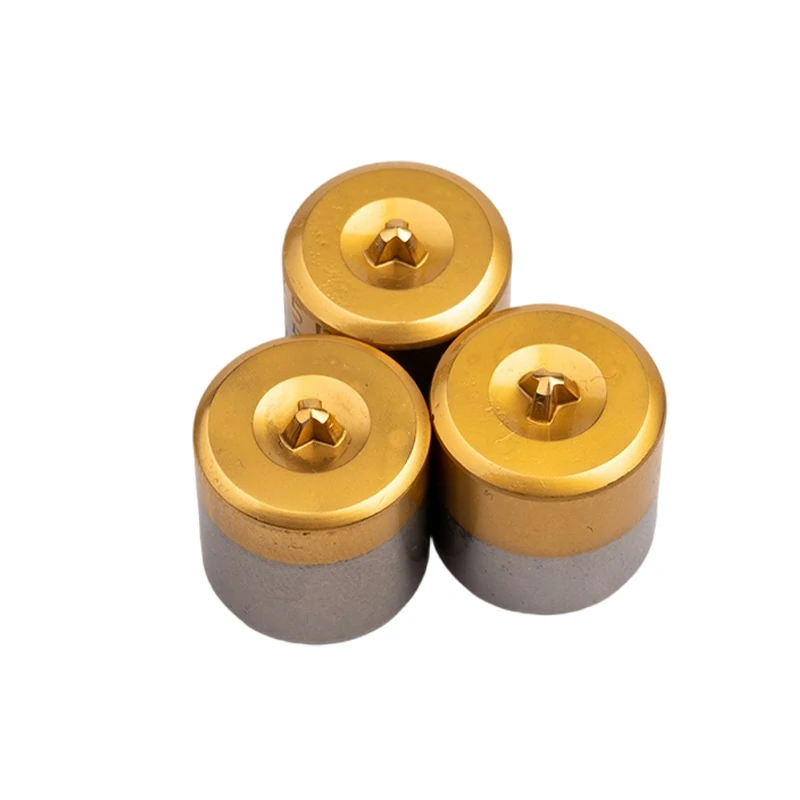
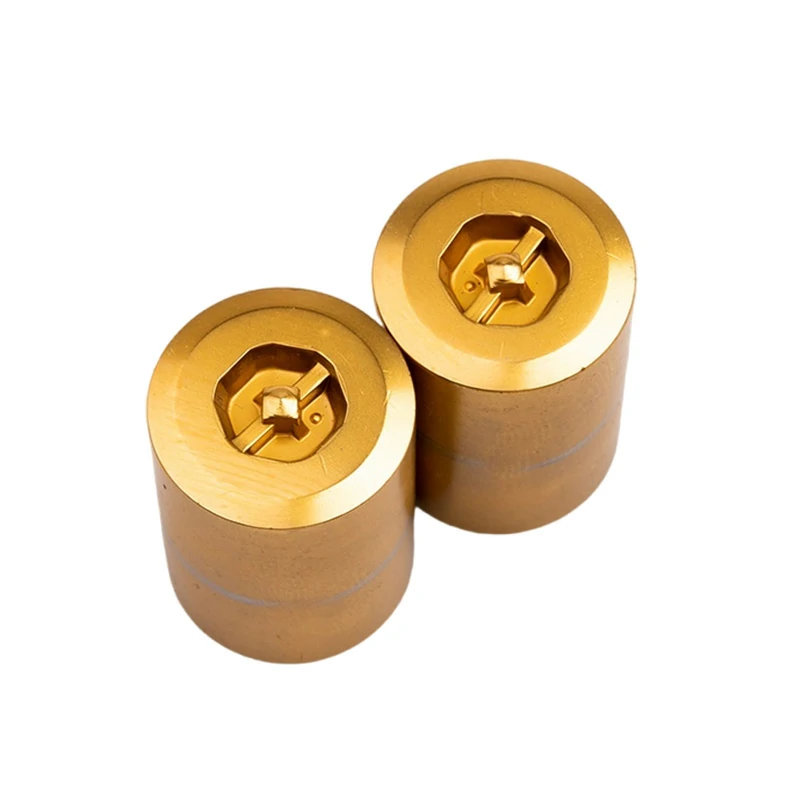
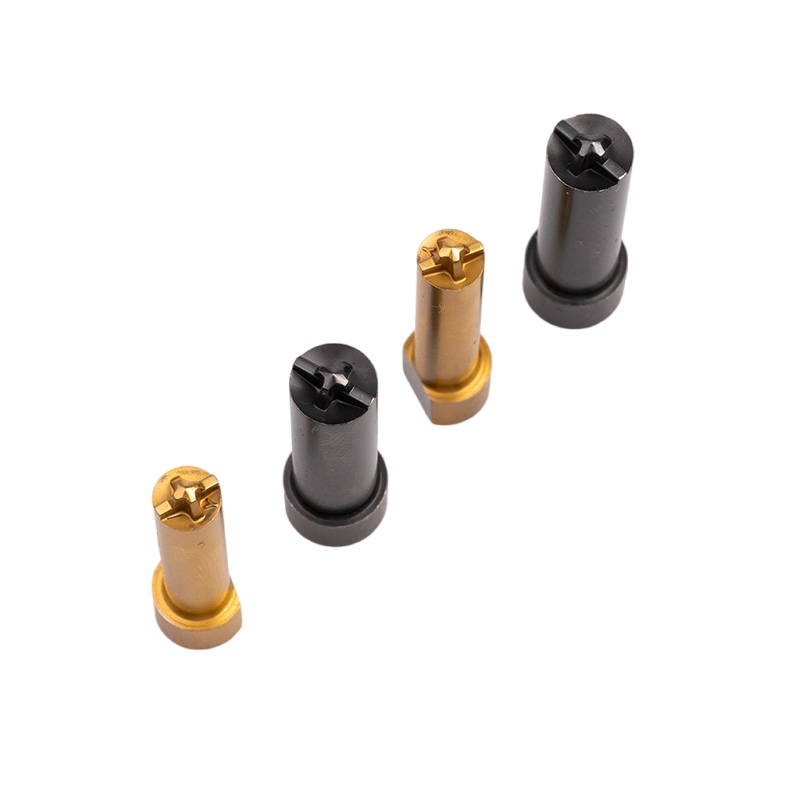
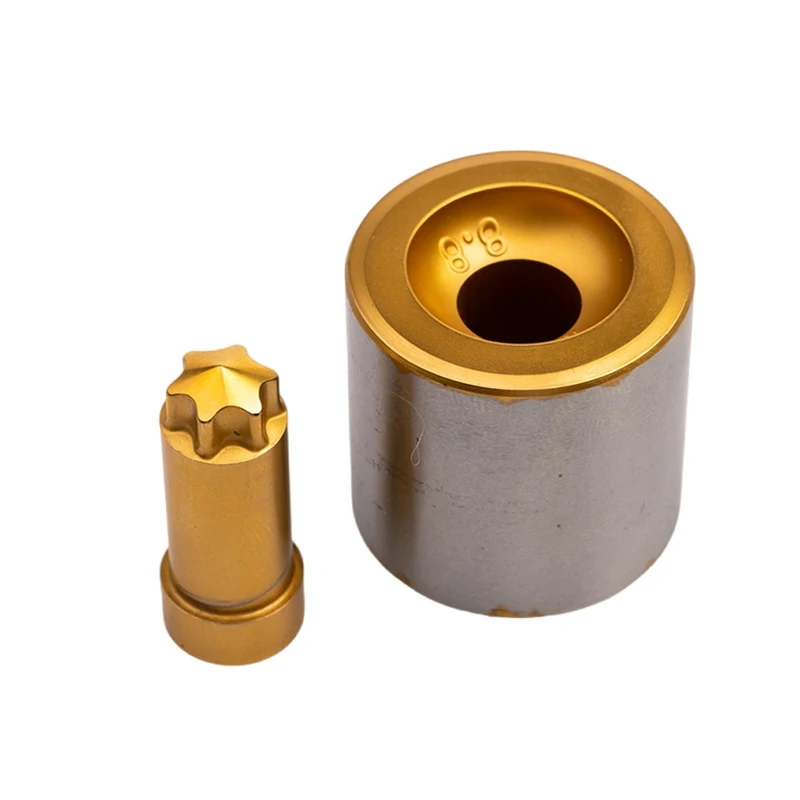
Header punches are indispensable components in cold heading, directly shaping the fastener’s head and recess with precision and efficiency. Their critical role lies in withstanding immense impact forces and abrasive wear while maintaining exact dimensions, ensuring consistent part quality, extended tool life, and optimal production rates. The quality and design of header punches are paramount for successful and cost-effective fastener manufacturing.
In the intricate dance of cold heading, where raw wire transforms into finished fasteners at high speeds, every component of the tooling system plays a vital role. Among these, the header punch stands out as a true workhorse. It’s the tool that makes the first, often most critical, impression on the fastener blank, defining its head shape and any internal features like recesses. Far from being a simple piece of metal, a header punch is a precision-engineered component whose performance directly dictates the quality, consistency, and cost-effectiveness of your entire production line. Let’s explore why these seemingly small tools hold such immense importance.
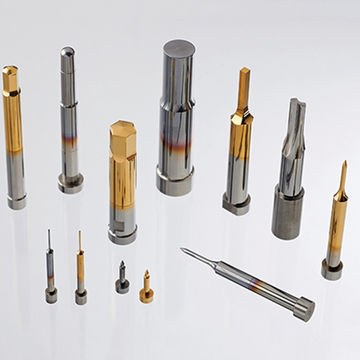
Table of Contents
- What is the Primary Function of Header Punches in Cold Heading?
- How Do Header Punches Withstand Extreme Impact and Wear?
- What Role Do Header Punches Play in Achieving Fastener Precision and Quality?
- How Do Header Punches Contribute to Production Efficiency and Tool Life?
- What Are the Key Design Considerations for Optimal Header Punch Performance?
- How Does XILUO Ensure the Superiority of Its Header Punches?
1. What is the Primary Function of Header Punches in Cold Heading?
The primary function of header punches in cold heading is to precisely form the head and any internal features (like recesses or drive systems) of a fastener from a wire blank. Header punches are responsible for the initial shaping of the fastener’s head, compressing and displacing material under extreme force to create the desired external geometry and internal drive features. This critical role directly impacts the fastener’s functional performance, aesthetic appeal, and adherence to dimensional specifications.
Shaping the Fastener Head
The most obvious and fundamental role of a header punch is to give the fastener its head shape. This can range from simple round or flat heads to complex flange heads.
- Example 1: Hex Head Bolts: For a hex head bolt, the header punch will have a hexagonal cavity that precisely forms the six-sided head. The punch must withstand the force required to compress the material into this shape, ensuring sharp corners and flat faces for proper wrench engagement.
- Example 2: Pan Head Screws: For a pan head screw, the punch creates the characteristic domed top and flat underside. The punch’s surface finish and geometry are critical to achieving a smooth, blemish-free head surface.
- Theoretical Basis: Cold heading is a plastic deformation process where material is forced to flow into a die cavity. The header punch acts as the male component, applying compressive force to shape the material against the female die. The punch’s geometry dictates the final shape of the formed part.
- Practical Impacts: The accuracy of the head shape directly affects the fastener’s ability to be driven, its bearing surface, and its overall appearance.
| Fastener Head Type | Header Punch Feature | Critical Performance Aspect |
| Hex Head | Hexagonal cavity, sharp corners | Wrench engagement, torque transmission |
| Pan Head | Domed surface, flat underside | Aesthetic appeal, bearing surface, drive system integration |
| Flange Head | Integrated washer-like feature | Load distribution, self-locking properties |
| Socket Head | Cylindrical cavity with internal hex/Torx recess | Drive system integrity, high torque capability |
Forming Internal Recesses and Drive Systems
Beyond the external head shape, header punches are also responsible for creating the internal drive features that allow fasteners to be driven.
- Example 1: Phillips or Pozi-Drive Recesses: For these common drive types, the header punch incorporates the specific cross-shaped or star-shaped geometry. The punch must be precisely machined to create sharp, clean recesses that allow the driver bit to engage securely without cam-out.
- Example 2: Hex Socket or Torx Recesses: For high-torque applications, fasteners often feature internal hex (Allen) or Torx recesses. The header punch for these requires exceptional strength and precision to form these deep, intricate geometries without fracturing or deforming.
- Design Trade-offs: The design of the punch for internal recesses involves balancing the need for sharp features with the punch’s structural integrity. Thin sections or sharp corners on the punch can be points of weakness. XILUO’s expertise in punch design ensures optimal geometry for both fastener performance and punch durability.
- Practical Advice: The quality of the internal recess directly impacts the fastener’s drivability and the longevity of the driver bit. A poorly formed recess can lead to stripped heads or damaged tools.
2. How Do Header Punches Withstand Extreme Impact and Wear?
Header punches operate under some of the most brutal conditions in manufacturing, enduring immense impact forces and abrasive wear with every cycle. Header punches are engineered to withstand extreme impact and wear through the strategic selection of high-quality tool steels or carbide, combined with advanced heat treatment processes that optimize hardness, toughness, and compressive strength. Specialized coatings further enhance their surface durability, enabling them to resist deformation, chipping, and abrasion under continuous, high-stress operation.
Material Selection: Tool Steel vs. Carbide
The choice of material is paramount for a header punch’s ability to survive its harsh environment.
- Example 1: High-Speed Steel (HSS) or Cold Work Tool Steel (e.g., M2, D2): For less demanding applications, or when forming softer materials, these tool steels offer a good balance of hardness and toughness. They are heat-treated to achieve high hardness (typically 60-64 HRC) to resist wear, while retaining enough toughness to prevent brittle fracture under impact. XILUO uses high-quality imported steel like DC53 for punches, known for its excellent balance of wear resistance and toughness.
- Example 2: Tungsten Carbide: For high-volume production, forming hard materials, or creating intricate recesses, tungsten carbide is the material of choice. Its extreme hardness (89-91 HRA) and high compressive strength allow it to resist abrasive wear and deformation far better than steel, significantly extending punch life. The cobalt binder in carbide provides crucial toughness to withstand impact.
- Theoretical Basis: Impact resistance (toughness) and wear resistance (hardness) are often inversely related. The goal of material selection and heat treatment is to achieve an optimal balance for the specific application. Compressive strength is critical for resisting the immense forces that try to deform the punch.
- Design Trade-offs: While carbide offers superior wear resistance, it can be more brittle than tool steel. Therefore, the punch design must account for this, often incorporating larger radii and robust support structures.
| Material Type | Hardness (HRC/HRA) | Toughness (Relative) | Compressive Strength (MPa) | Primary Advantage |
| Tool Steel (e.g., DC53) | 60-62 HRC | Good | 2000-2500 | Balance of hardness & toughness, cost-effective |
| Carbide (e.g., YG8) | 89-91 HRA | Moderate | 4000-5000 | Extreme hardness, wear resistance, long life |
Advanced Heat Treatment and Surface Coatings
Beyond the base material, how it’s treated and coated further enhances a punch’s resilience.
- Example 1: Precision Heat Treatment: XILUO employs precise heat treatment processes (hardening, tempering, nitriding) to optimize the microstructure of tool steel punches. This creates a hard outer layer for wear resistance while maintaining a tougher core to absorb impact. For carbide, specialized sintering processes ensure optimal grain structure and cobalt distribution.
- Example 2: PVD/CVD Coatings (e.g., TiN, TiCN, AlTiN): Applying thin, hard coatings via Physical Vapor Deposition (PVD) or Chemical Vapor Deposition (CVD) significantly boosts a punch’s surface hardness and lubricity. For instance, a TiN (Titanium Nitride) coating can increase surface hardness to over 2000 HV, drastically reducing friction and abrasive wear, especially when forming abrasive materials like stainless steel.
- Practical Advice: Regular inspection of punches for signs of wear, chipping, or coating degradation is crucial. XILUO offers various surface treatment options, including polishing, heat treatment, nitriding, and titanium plating, allowing customers to select the optimal combination for their specific application to maximize punch life and performance.
3. What Role Do Header Punches Play in Achieving Fastener Precision and Quality?
The precision and quality of the final fastener are directly and significantly influenced by the header punch. Header punches are critical for achieving fastener precision and quality by consistently forming accurate head dimensions, sharp internal recesses, and smooth surface finishes. Their ability to maintain exact geometry under extreme conditions ensures that every fastener meets stringent dimensional tolerances and functional requirements, preventing defects like incomplete heads, shallow recesses, or surface imperfections.
Dimensional Accuracy and Consistency
The header punch is the primary tool that defines the critical dimensions of the fastener head.
- Example 1: Head Diameter and Height: The punch’s cavity precisely controls the final head diameter and height. Any wear or deformation of the punch will directly translate into out-of-spec fasteners. A high-quality punch maintains these dimensions consistently over millions of cycles, ensuring every fastener is within tolerance.
- Example 2: Recess Depth and Form: For fasteners with internal drives, the punch’s ability to form a consistent recess depth and sharp, clean drive features (e.g., hex socket, Torx) is paramount. A worn punch can lead to shallow or distorted recesses, causing driver cam-out or stripping during assembly.
- Theoretical Basis: The principle of cold heading relies on the die and punch acting as a mold. The accuracy of this mold directly determines the accuracy of the formed part. Any deviation in the punch’s geometry is replicated on the fastener.
- Practical Impacts: Inaccurate dimensions lead to fasteners that fail quality control, cannot be assembled correctly, or perform poorly in application, resulting in costly scrap and rework.
| Fastener Feature | Impact of Punch Quality on Precision | Consequence of Poor Punch Quality |
| Head Diameter | Consistent, within tight tolerances | Oversized/undersized, assembly issues |
| Recess Depth | Accurate, uniform | Shallow, driver cam-out, stripping |
| Recess Form | Sharp, clean, precise | Distorted, poor driver engagement |
| Surface Finish | Smooth, blemish-free | Rough, galled, aesthetic defects |
Surface Finish and Defect Prevention
The surface quality of the header punch directly impacts the surface finish of the fastener head.
- Example 1: Smooth Punch Surface: A header punch with a highly polished, smooth surface will impart a superior finish to the fastener head. This is crucial for aesthetic applications, for fasteners that will be coated, or to prevent stress concentrators that could lead to fatigue failure. XILUO’s punches are meticulously polished to achieve this.
- Example 2: Preventing Galling and Material Adhesion: As the punch repeatedly contacts and deforms the workpiece, there’s a risk of material adhesion (galling). A punch with excellent surface finish and appropriate coatings minimizes galling, preventing material buildup on the punch that would otherwise transfer defects (scratches, tears) to subsequent fasteners.
- Testing Method: Fastener quality is typically checked using go/no-go gauges, optical comparators, and profilometers to measure critical dimensions and surface finish. Regular inspection of the header punch itself for wear, chipping, or material buildup is also essential.
- Practical Advice: Investing in high-quality header punches from XILUO, known for their precision manufacturing and superior surface treatments, is a direct investment in the quality and reliability of your final fastener products.
4. How Do Header Punches Contribute to Production Efficiency and Tool Life?
Header punches are not just about forming quality parts; they are central to the overall efficiency and profitability of a cold heading operation. Header punches contribute significantly to production efficiency and tool life by enabling longer continuous production runs due to their exceptional durability and wear resistance, which minimizes the frequency of punch changes and machine adjustments. This reduction in downtime, coupled with consistent part quality and minimized scrap, directly translates to higher output, lower operational costs, and extended lifespan for the entire tooling system.
Extended Tool Life and Reduced Downtime
The ability of a header punch to withstand millions of cycles without significant wear is a direct driver of efficiency.
- Example 1: High-Volume Production Lines: In a high-speed cold heading machine, a punch might strike a blank hundreds of times per minute. If a punch wears out quickly, frequent stoppages for replacement are necessary. A durable XILUO header punch, made from high-quality carbide or specialized tool steel, can run for extended periods, minimizing these interruptions and maximizing machine uptime.
- Example 2: Minimizing Adjustments: As a punch wears, the dimensions of the formed head can change, requiring operators to make frequent adjustments to the machine. A punch that maintains its geometry for longer reduces the need for these time-consuming adjustments, allowing for more consistent, uninterrupted production.
- Theoretical Basis: Production efficiency is maximized when machine uptime is high and non-value-added activities (like tool changes and adjustments) are minimized. Tool life directly impacts these factors.
- Practical Impacts: Extended punch life means fewer punch purchases, reduced inventory management, and less labor dedicated to tool changes, all contributing to a lower total cost of ownership.
| Factor | Impact on Production Efficiency | Benefit of High-Quality Header Punches |
| Punch Changes | Downtime, labor cost, machine idle time | Fewer changes, increased uptime |
| Machine Adjustments | Time-consuming, potential for scrap during setup | Less frequent, consistent output |
| Scrap Rate | Material waste, rework, quality control effort | Minimized, higher first-pass yield |
| Tooling Costs | Frequent purchases, inventory management | Lower over time, better ROI |
Reduced Scrap Rates and Rework
A high-quality header punch directly contributes to a lower scrap rate, which is a significant cost saving.
- Example 1: Consistent Quality: As discussed, a durable punch maintains dimensional accuracy and surface finish. This means fewer fasteners are produced out of specification, reducing the number of parts that need to be scrapped or reworked.
- Example 2: Preventing Defects: A worn or poorly designed punch can lead to various defects like incomplete heads, shallow recesses, or cracks. By preventing these issues, high-quality punches ensure a higher first-pass yield, saving material and processing time.
- Practical Advice: When evaluating header punches, it’s crucial to consider not just the initial cost but the overall impact on your production line’s efficiency and profitability. XILUO’s header punches are designed for maximum durability and precision, offering a superior return on investment through extended tool life and reduced operational costs.
5. What Are the Key Design Considerations for Optimal Header Punch Performance?
The performance of a header punch is not solely dependent on its material; its design plays an equally critical role in ensuring durability, precision, and efficiency. Optimal header punch performance hinges on meticulous design considerations including precise head and recess geometry, appropriate material selection and heat treatment, robust support and clamping features, and careful attention to surface finish and coatings. These elements collectively ensure the punch can withstand extreme forces, maintain accuracy, and achieve extended tool life in cold heading operations.
Geometry of the Head and Recess
The internal geometry of the punch, which forms the fastener head and recess, is paramount.
- Example 1: Radii and Fillets: Sharp internal corners within the punch’s cavity (e.g., where the recess meets the head surface) create stress concentration points. Proper radii and fillets in these areas distribute stress more evenly, significantly reducing the risk of punch cracking or chipping, especially when forming hard materials.
- Example 2: Draft Angles: Appropriate draft angles in the punch’s cavity facilitate easier ejection of the formed fastener, reducing friction and preventing the part from sticking. This minimizes wear on the punch and prevents damage to the fastener during ejection.
- Theoretical Basis: Stress concentration occurs at sharp corners, leading to localized stress levels much higher than the average stress. Proper geometric design minimizes these concentrations.
- Design Trade-offs: While sharp corners might seem to offer a crisper fastener feature, they compromise punch durability. XILUO’s design engineers balance aesthetic and functional requirements with punch longevity.
| Design Feature | Impact on Punch Performance | Benefit |
| Radii & Fillets | Reduces stress concentration, prevents cracking/chipping | Extended punch life, improved reliability |
| Draft Angles | Facilitates part ejection, reduces friction | Less wear, prevents sticking, faster cycles |
| Support Features | Prevents bending/buckling, distributes load | Enhanced stability, prevents premature failure |
| Surface Finish | Reduces friction, prevents galling, improves part finish | Longer life, higher quality fasteners |
| Coating Selection | Enhances hardness, lubricity, wear resistance | Significantly extended punch life, reduced friction |
Support, Clamping, and Surface Finish
How the punch is supported, clamped, and its surface quality are also critical.
- Example 1: Robust Support: Header punches are often subjected to off-center loads or bending moments. A well-designed punch incorporates features that ensure it is adequately supported by the punch holder, preventing bending or buckling. This is particularly important for long, slender punches used for deep recesses.
- Example 2: Optimal Surface Finish: As discussed, a highly polished surface on the punch reduces friction, prevents galling, and ensures a superior surface finish on the fastener. XILUO’s manufacturing process includes meticulous polishing to achieve this.
- Practical Advice: When ordering header punches, providing detailed specifications, including material, desired coatings, and any specific design requirements, is crucial. XILUO offers OEM and ODM services, allowing for fully customized header punch designs that are optimized for specific applications, ensuring maximum performance and tool life. Their team works closely with clients to understand their unique needs and provide tailored solutions.
6. How Does XILUO Ensure the Superiority of Its Header Punches?
Choosing XILUO (Dongguan Xiluo Mold Technology Co., Ltd.) for header punches means partnering with a company that guarantees exceptional quality and performance through a comprehensive, integrated approach. XILUO ensures the superiority of its header punches through over 24 years of specialized industry experience, a robust in-house R&D team, stringent selection of high-quality imported tool steels and carbide, advanced manufacturing processes with over 200 sets of equipment, and rigorous multi-stage quality control. This commitment delivers durable, high-precision header punches that consistently meet the most demanding cold heading requirements globally.
Deep Expertise and Integrated R&D
XILUO’s foundation is built on extensive experience and a continuous drive for innovation.
- Example 1: Over 24 Years of Industry Leadership: With more than two decades in the field, XILUO possesses an unparalleled understanding of cold heading processes, material science, and tooling demands. This deep expertise informs every aspect of their header punch design and manufacturing, ensuring optimal performance and reliability.
- Example 2: “One-Stop” R&D and Production: XILUO is unique in China as a “one-stop” factory that integrates the research, development, and production of a full range of fastener and wire cold heading dies. This means their R&D team is directly connected to manufacturing, allowing for rapid prototyping, continuous improvement, and the development of cutting-edge punch designs tailored to evolving industry needs.
- Theoretical Basis: A strong R&D capability, combined with extensive practical experience, allows for the creation of highly optimized and innovative tooling solutions.
- Practical Impacts: Customers benefit from header punches that are not only robust but also incorporate the latest advancements in cold heading technology, leading to superior performance and problem-solving capabilities.
| XILUO Core Competency | How it Ensures Header Punch Quality & Performance |
| 24+ Years Experience | Deep understanding of cold heading, optimized designs, problem-solving |
| Strong R&D Team | Innovation, custom solutions, material optimization, cutting-edge tech |
| High-Quality Materials | Superior wear resistance, toughness, consistent performance |
| Advanced Manufacturing | Precision machining, tight tolerances, excellent surface finish |
| Strict QC | Dimensional accuracy, material integrity, defect prevention |
| Customization (OEM/ODM) | Tailored solutions for unique customer requirements |
Premium Materials and Advanced Manufacturing Processes
The quality of a header punch starts with its raw materials and the precision of its production.
- Example 1: Strict Material Selection: XILUO meticulously selects high-quality imported tool steels (like DC53, D55) and carbide grades. This ensures that the base material for each header punch possesses the ideal balance of hardness, toughness, and compressive strength required to withstand the extreme forces of cold heading.
- Example 2: State-of-the-Art Production Facilities: With a 10,000 square meter production base and over 200 sets of advanced processing equipment, XILUO employs sophisticated manufacturing techniques. This includes precision grinding, EDM, and meticulous polishing to achieve extremely tight tolerances and superior surface finishes on their header punches. They also offer various surface treatments like nitriding and titanium plating to further enhance durability.
- Practical Advice: XILUO implements rigorous quality control at every stage, from raw material inspection to final product verification. Advanced testing equipment, such as profile projectors and secondary element measuring machines, are used to ensure every critical dimension and surface characteristic meets XILUO’s exacting standards and customer specifications. This comprehensive approach guarantees that XILUO’s header punches deliver consistent, high-performance results, cycle after cycle.
Conclusion
Header punches are far more than simple tools in the cold heading process; they are precision-engineered components that are absolutely critical to the quality, efficiency, and profitability of fastener manufacturing. Their ability to withstand extreme impact and wear, consistently form accurate head geometries and recesses, and contribute to extended tool life makes them indispensable. Investing in high-quality header punches directly translates to reduced downtime, lower scrap rates, and superior fastener products.
XILUO (Dongguan Xiluo Mold Technology Co., Ltd.) is your trusted partner for exceptional header punches. With over 24 years of industry-leading expertise, a dedicated R&D team, and a commitment to using premium imported materials and advanced manufacturing techniques, XILUO delivers header punches that consistently meet the most demanding specifications. Our rigorous quality control and comprehensive customization services ensure that every header punch provides unparalleled durability, precision, and performance, helping you achieve optimal production efficiency and fastener quality.