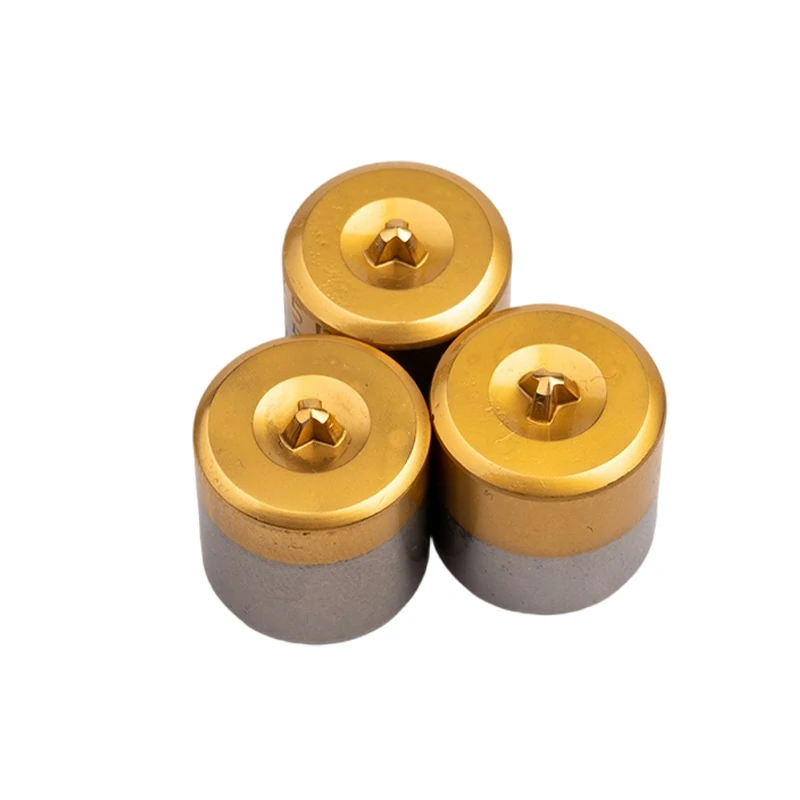
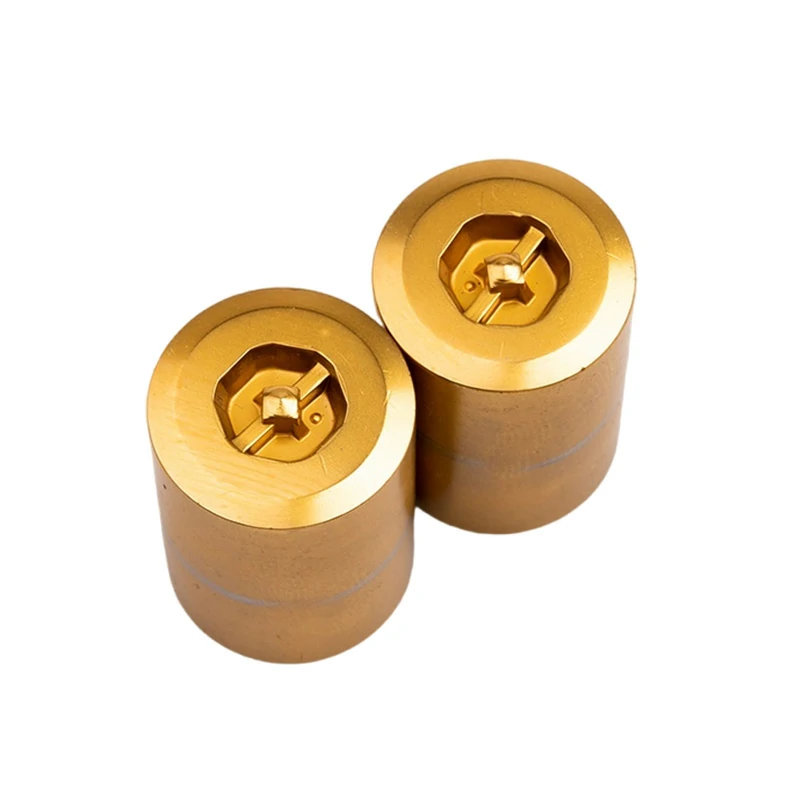
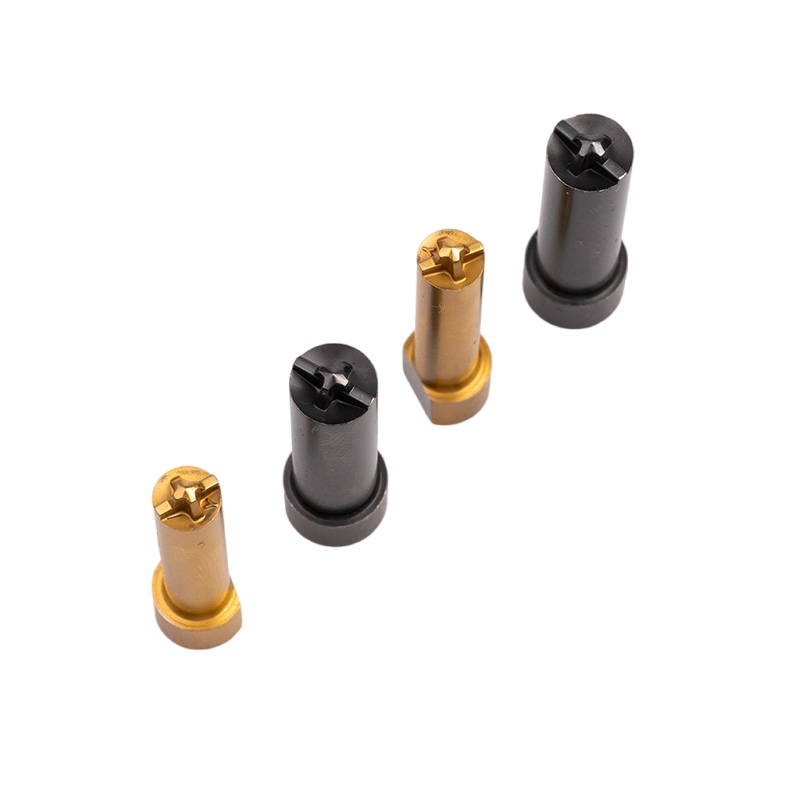
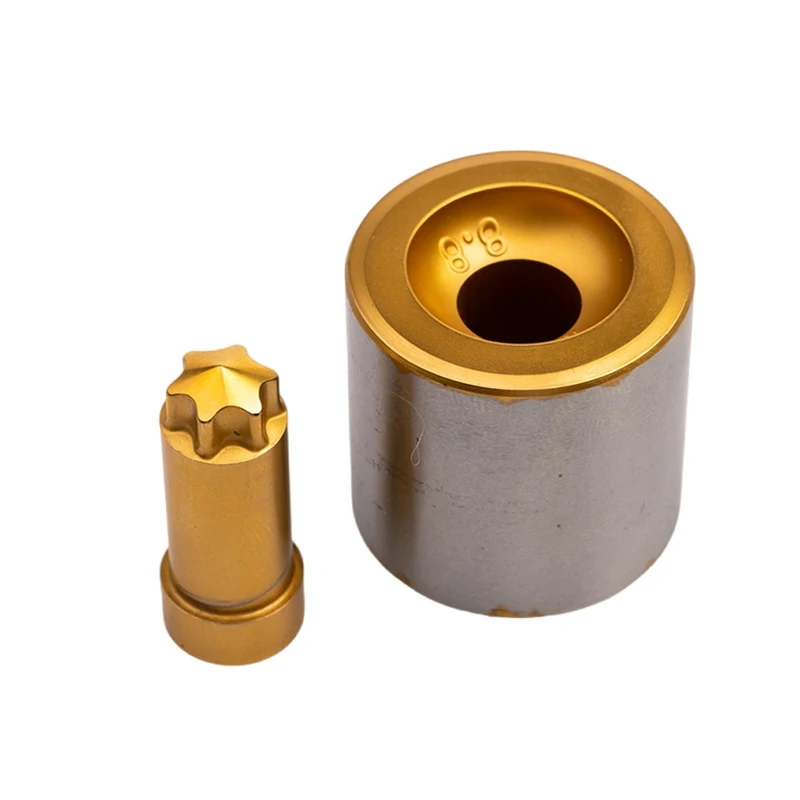
Manufacturers choose tungsten carbide for cold heading dies due to its exceptional combination of extreme hardness, superior wear resistance, and immense compressive strength. This advanced material directly translates to significantly longer tool life, higher precision in finished parts, and dramatically reduced production downtime when compared to traditional tool steels, making it the most cost-effective solution for high-volume, high-pressure forming operations.
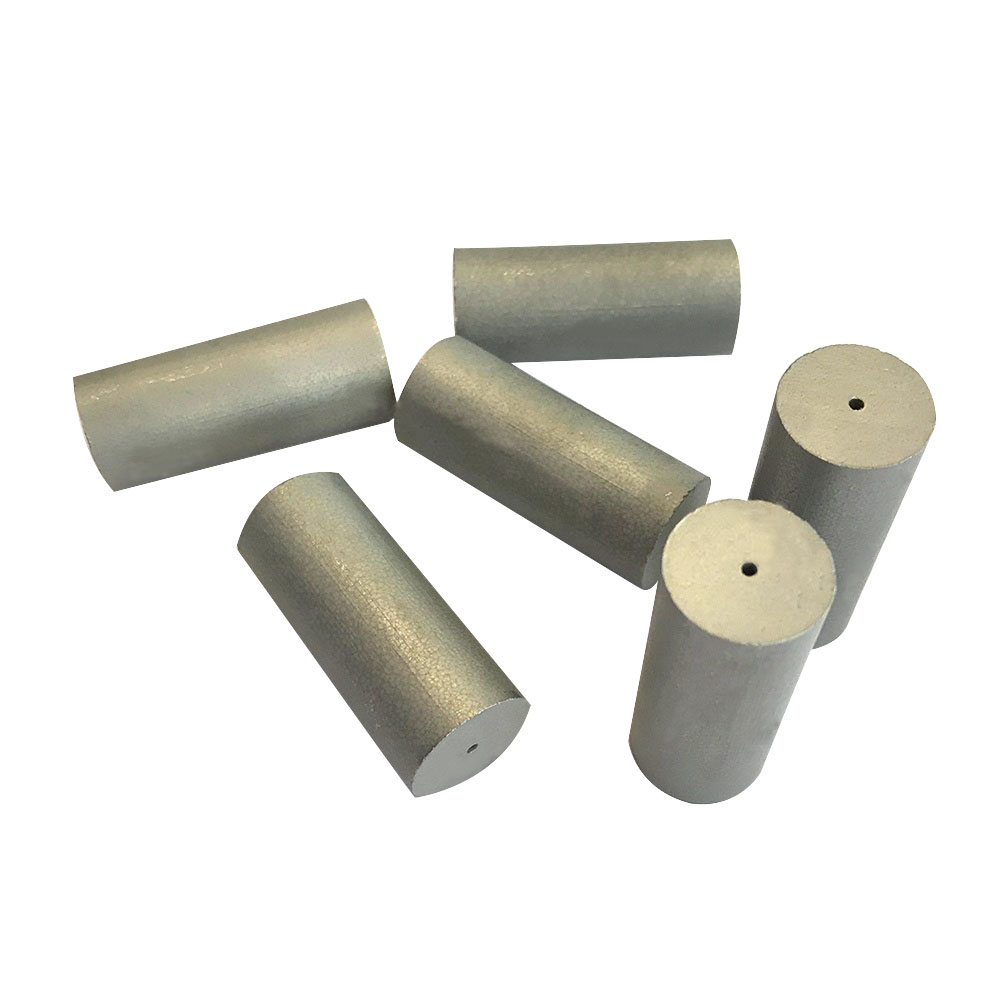
At Xiluomold, we’ve witnessed firsthand the transformative impact that a well-designed carbide die can have on a manufacturing line. The cold heading (or cold forming) process is a marvel of modern engineering, shaping metal at room temperature through immense force and precision. However, this process exerts brutal stresses on the tooling. The dies responsible for shaping the workpiece must withstand repeated, high-velocity impacts and extreme abrasive friction. Choosing the right die material isn’t just a technical decision; it’s a strategic business decision that impacts efficiency, quality, and profitability. This guide will explore precisely why tungsten carbide has become the undisputed champion material for cold heading dies.
Table of Contents
- The Unforgiving World of Cold Heading: Why Material Choice is Paramount
- What is Tungsten Carbide? The Champion Material Explained
- Carbide vs. Steel: A Head-to-Head Comparison for Cold Heading Dies
- The Tangible Business Benefits: How Carbide Dies Boost Your Bottom Line
- Not All Carbide is Created Equal: How Do You Select the Right Grade?
- Partnering with Experts: Maximizing the Potential of Carbide Dies
- Conclusion: The Clear Choice for Modern High-Speed Manufacturing
The Unforgiving World of Cold Heading: Why Material Choice is Paramount
Cold heading is a high-speed, high-pressure manufacturing process used to form parts like screws, bolts, rivets, and other fasteners from metal wire. The process involves striking a piece of wire with a series of punches and dies, plastically deforming it into a desired shape without heating it. The forces involved are astronomical, often exceeding 300,000 psi (2070 MPa). This environment is incredibly hostile to tooling. The die material must endure constant, violent impacts, extreme surface pressure, and the abrasive flow of the workpiece material against its forming surfaces.
Using a substandard material like conventional tool steel can lead to rapid die failure through chipping, cracking, or premature wear. This doesn’t just mean replacing a tool; it means unscheduled machine downtime, lost production hours, increased scrap rates from out-of-spec parts, and potential damage to the cold heading machine itself. Therefore, the selection of the die material is one of the most critical factors in achieving an efficient, stable, and profitable cold heading operation. The ideal material must not just survive this environment—it must thrive in it.
What is Tungsten Carbide? The Champion Material Explained
Tungsten carbide, often referred to simply as “carbide,” is not a simple metal but a composite material. It is produced through a process called powder metallurgy, where microscopic particles of tungsten carbide (WC) are fused together with a metallic binder, most commonly cobalt (Co). This structure is key to its remarkable properties. The tungsten carbide particles provide extreme hardness and wear resistance, while the softer, tougher cobalt binder holds the particles together, providing fracture toughness and resistance to impact.
This composite nature allows for a wide range of “grades” by varying the WC grain size and the percentage of the cobalt binder. This customizability enables manufacturers like Xiluomold to engineer the perfect balance of properties for a specific application, from heavy-impact heading to high-precision finishing. Let’s break down the core properties that make it so dominant.
Extreme Hardness and Unmatched Wear Resistance
Tungsten carbide is one of the hardest materials known, second only to diamond. Its hardness is typically measured on the Rockwell A scale (HRA), with values often ranging from 88 to 94 HRA, far exceeding the 60-65 HRC (approx. 82-84 HRA) of hardened tool steels. This extreme hardness provides phenomenal resistance to abrasive wear. As the workpiece material flows over the die surface under immense pressure, a softer material would quickly erode, causing the die dimensions to change and producing out-of-tolerance parts. Carbide’s hardness ensures the die’s critical geometry is maintained for millions of cycles, preserving part accuracy and quality over long production runs.
Incredible Compressive Strength
Compressive strength is the ability of a material to withstand forces that push it together or try to crush it. This is arguably the most important property for cold heading dies. Tungsten carbide boasts a compressive strength that is typically three times higher than that of high-speed steel. During the heading blow, the die is subjected to immense squeezing forces. Carbide’s ability to resist deformation under this load prevents the die from expanding or “breathing,” which is critical for maintaining tight dimensional tolerances on the finished part. This high compressive strength is the primary reason carbide can withstand the colossal forces of cold forming without failing.
Superior Stiffness and Thermal Stability
Tungsten carbide has a very high Young’s Modulus, meaning it is incredibly stiff and resists elastic deformation. This stiffness contributes to the precision of the forming process. Furthermore, while cold heading is a “cold” process, significant localized heat is generated from the friction and rapid deformation of the metal. Carbide maintains its hardness and strength at elevated temperatures far better than steel, a property known as “hot hardness.” This thermal stability prevents the die from softening or degrading during continuous, high-speed operation, ensuring consistent performance from the first part to the last.
Carbide vs. Steel: A Head-to-Head Comparison for Cold Heading Dies
To fully appreciate the advantages of tungsten carbide, it’s helpful to compare it directly with high-quality tool steels (like M2 or D2) traditionally used for tooling applications. While tool steels are excellent materials in their own right, the specific demands of high-volume cold heading push them past their limits.
| Property / Feature | Tungsten Carbide | High-Speed Tool Steel (HSS) |
|---|---|---|
| Hardness | Extremely high (88-94 HRA) | High (62-65 HRC) |
| Wear Resistance | Exceptional. Lasts millions of cycles. | Good, but wears significantly faster under abrasive conditions. |
| Compressive Strength | Up to 700,000+ psi. Resists deformation under extreme load. | Around 250,000 psi. Can “breathe” or deform under peak loads. |
| Stiffness (Young’s Modulus) | Very high (~600 GPa). Minimal elastic deformation. | High (~200 GPa). Three times more elastic deflection than carbide. |
| Tool Life | Can be 10 to 50 times longer than HSS in the same application. | Baseline standard. Requires frequent replacement in high-volume production. |
| Fracture Toughness | Lower. More brittle and sensitive to sharp impacts or misalignments. | Higher. More forgiving of setup errors and severe shocks. |
| Initial Cost | Higher | Lower |
The Tangible Business Benefits: How Carbide Dies Boost Your Bottom Line
The superior technical properties of tungsten carbide are not just academic; they translate directly into measurable financial and operational advantages for manufacturers.
Dramatically Extended Tool Life
The most immediate and obvious benefit is the massive increase in tool life. A carbide cold heading die can often produce 10, 20, or even 50 times more parts than a steel die before needing to be replaced. This longevity is a direct result of its wear resistance and ability to withstand the fatigue of millions of impact cycles. For a high-volume fastener manufacturer, this means fewer tool changes, less money spent on replacement tooling, and a more predictable production schedule.
Unwavering Part Quality and Consistency
Because carbide dies wear so slowly, the dimensions of the parts they produce remain consistent for a much longer period. This significantly reduces dimensional variation within a production lot and from one lot to the next. The result is a higher-quality final product with tighter tolerances, leading to fewer rejections from quality control, improved Cpk values, and greater customer satisfaction. This is especially critical in industries like automotive and aerospace where component precision is non-negotiable.
Reduced Downtime and Increased Productivity
Every time a machine is stopped to change a worn die, production ceases. These short but frequent stops add up to a significant loss of productivity over time. With carbide dies lasting many times longer, the frequency of these tool changes is drastically reduced. This maximizes machine uptime, allowing for more parts to be produced per shift. The result is higher throughput, greater overall equipment effectiveness (OEE), and a more efficient manufacturing floor.
Superior Total Cost of Ownership (TCO)
While the initial purchase price of a carbide die is higher than a steel die, its Total Cost of Ownership (TCO) is significantly lower. TCO accounts for not only the initial cost but also the costs associated with downtime, labor for tool changes, scrap rates, and the number of replacement tools needed over a given period. When you factor in the massive increase in productivity and the drastic reduction in replacement and operational costs, the initial investment in carbide pays for itself many times over, delivering a far superior return on investment.
Not All Carbide is Created Equal: How Do You Select the Right Grade?
Choosing “carbide” is only the first step. The key to success lies in selecting the correct grade for the specific cold heading application. This is where the percentage of the cobalt binder and the tungsten carbide grain size become critical. The interplay between these two factors determines the final balance between hardness and toughness.
- Low Cobalt Binder (e.g., 6-10%): These grades are harder, more wear-resistant, and have higher compressive strength. They are ideal for finishing operations or forming less complex shapes where abrasion is the primary failure mode and impact is moderate.
- High Cobalt Binder (e.g., 15-25%): Increasing the cobalt content makes the composite tougher and more resistant to chipping or cracking from severe impacts. These grades are used for the most demanding applications, such as the initial heading blows on complex parts or for forming harder materials where the risk of catastrophic die failure is high.
Selecting the optimal grade requires a deep understanding of the forming process, the workpiece material, the machine being used, and the specific failure modes being encountered. This is where partnering with an experienced die manufacturer like Xiluomold becomes invaluable.
Partnering with Experts: Maximizing the Potential of Carbide Dies
While carbide is a superior material, it is also less forgiving than steel. Its brittleness means that proper die design, precise machine alignment, and careful handling are essential. A poorly designed die or a misaligned machine can cause a carbide die to crack or chip, negating its benefits. An expert tooling partner provides more than just a part; they provide a solution.
At Xiluomold, our engineering team works closely with clients to analyze their specific application. We consider the part geometry, material flow, and stress concentrations to design a die that maximizes the strengths of the chosen carbide grade while minimizing its weaknesses. This includes incorporating proper stress-relief features, polished surfaces to reduce friction, and robust die case designs. This collaborative approach ensures that you not only get the benefits of carbide but that you maximize them for the longest possible tool life and highest productivity.
Conclusion: The Clear Choice for Modern High-Speed Manufacturing
For modern manufacturers facing demands for higher efficiency, tighter tolerances, and lower costs, tungsten carbide is not a luxury—it is a necessity. Its unique combination of hardness, compressive strength, and wear resistance makes it the ideal material to withstand the brutal environment of cold heading. By delivering exponentially longer tool life, unparalleled part consistency, and significantly reduced downtime, carbide dies provide a clear and compelling return on investment.
The decision to switch from steel to carbide is a strategic step towards a more productive and profitable operation. By understanding the properties of this champion material and partnering with an expert manufacturer who can help you select the right grade and design, you can unlock a new level of performance in your cold heading processes. Contact Xiluomold’s experts today to discuss your specific application and discover how our custom carbide cold heading dies can revolutionize your production line.