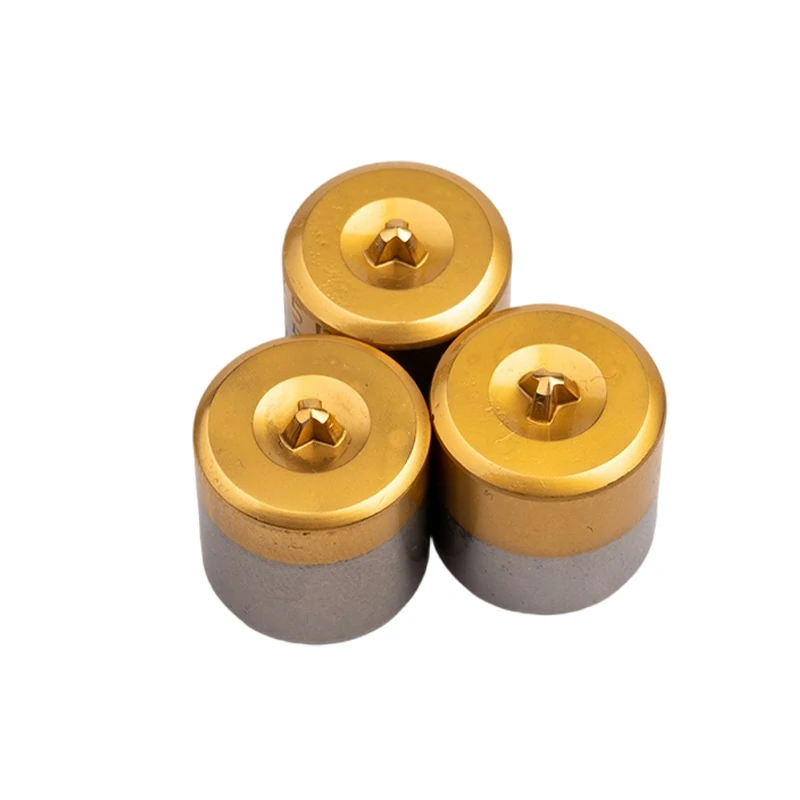
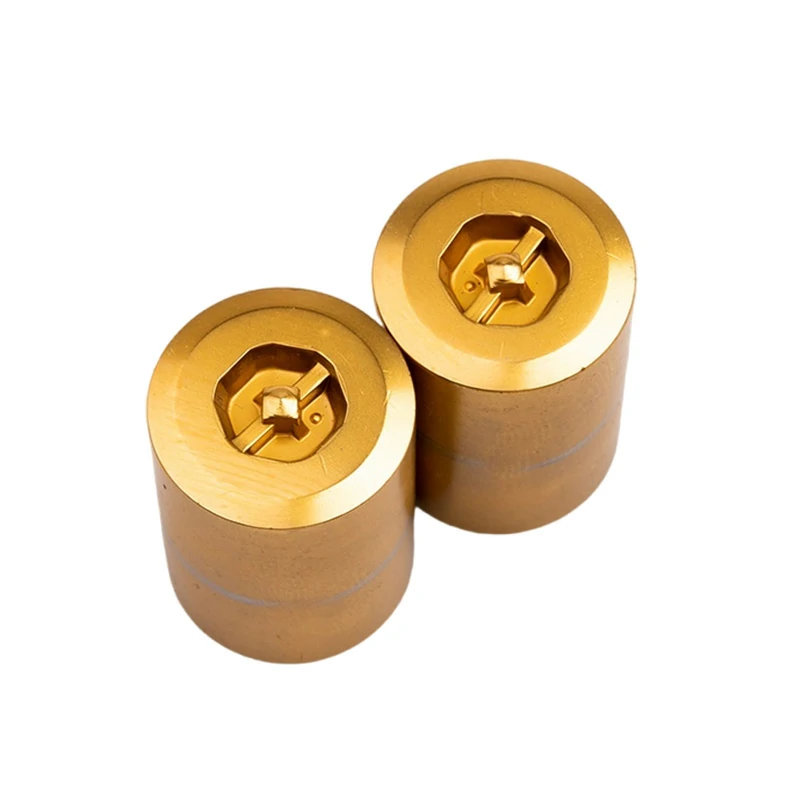
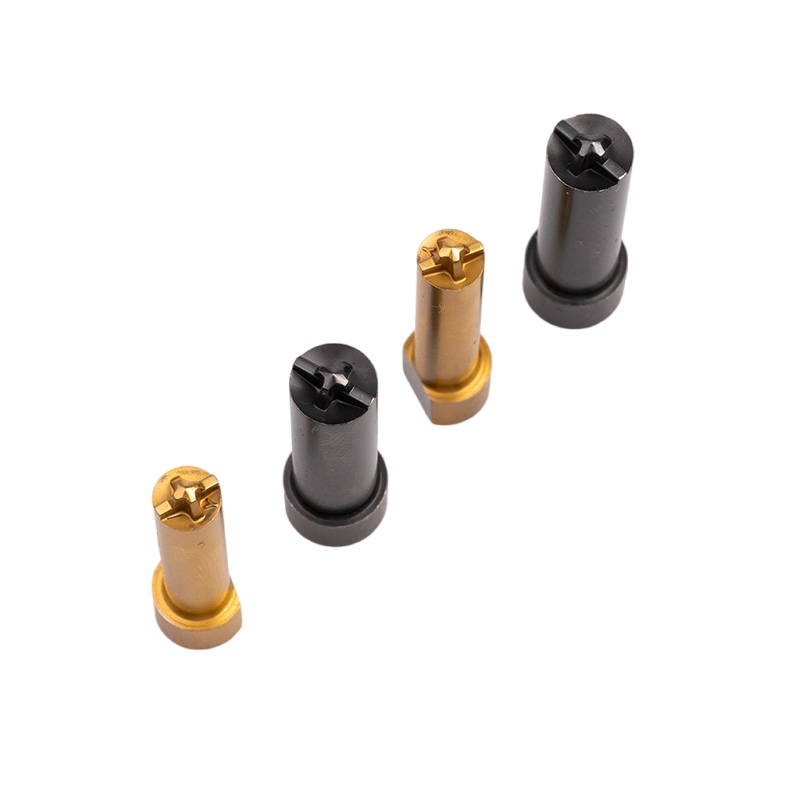
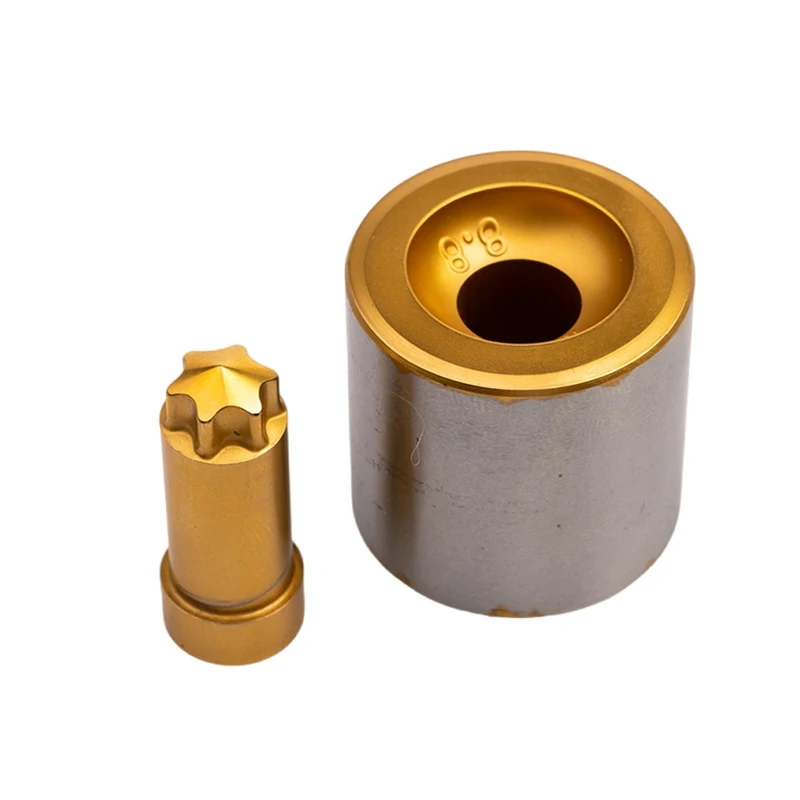
A pin punch, also known as an ejector pin or knockout (KO) pin in cold heading operations, is a critical, high-precision tooling component responsible for the clean and rapid ejection of a newly formed part, like a screw or bolt, from the forming die cavity. Its flawless performance is not just a procedural step but the linchpin that ensures continuous production, maintains part quality, and prevents catastrophic tooling damage. While seemingly small, the pin punch withstands immense repetitive force and is fundamental to the efficiency and profitability of any high-volume fastener manufacturing process.
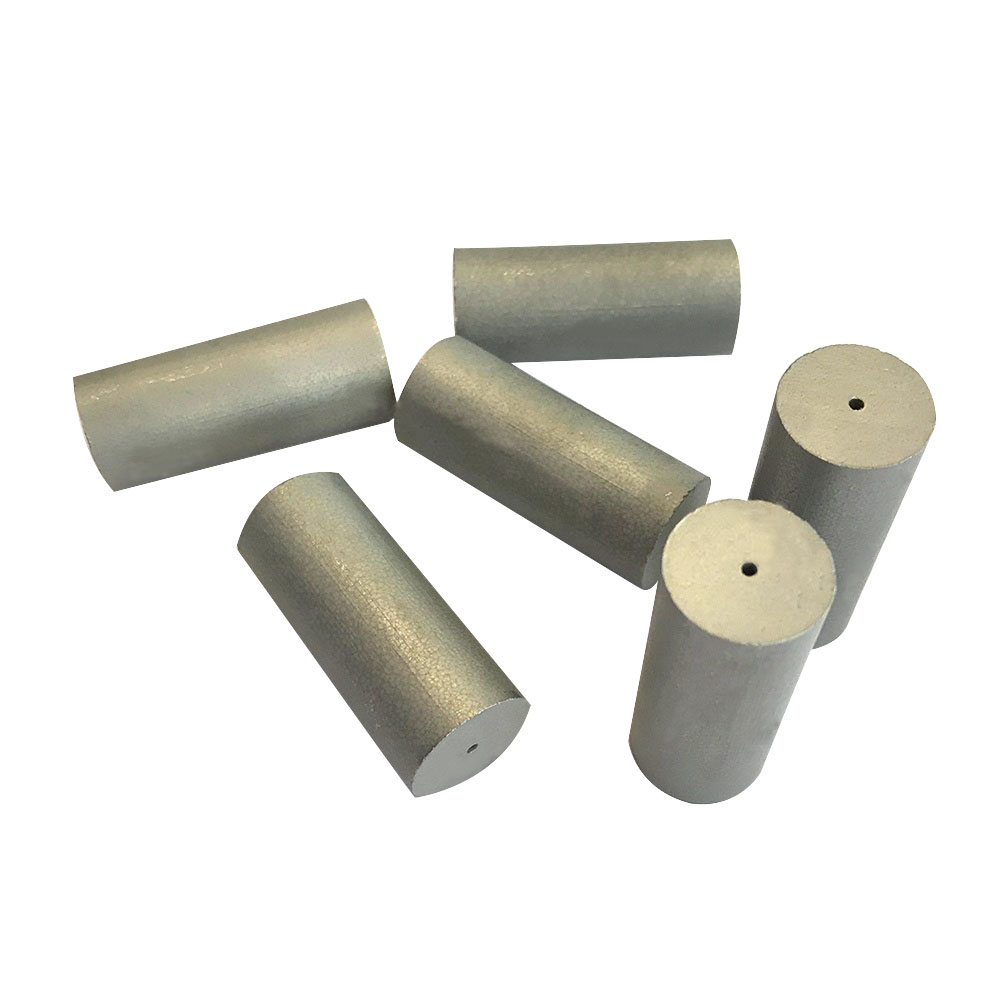
In the world of precision manufacturing, especially within the demanding environment of cold heading (or cold forming), every component matters. The process involves shaping metal wire at room temperature through a series of forceful impacts inside a die. While much attention is given to the dies and forming punches that shape the metal, the role of the humble pin punch is often underestimated. This article will delve deep into the function, types, materials, and critical importance of pin punches, demonstrating why selecting the right one is a cornerstone of operational success.
Table of Contents
- Demystifying the Pin Punch: What Exactly Is It?
- Why Is the Pin Punch a Cornerstone of Cold Heading?
- Exploring the Types of Pin Punches Used in Cold Forming
- The Science of Strength: Materials and Coatings for Pin Punches
- Common Challenges and Failure Modes of Pin Punches
- How to Select the Right Pin Punch for Your Application
- Conclusion: The Unsung Hero of Precision Manufacturing
Demystifying the Pin Punch: What Exactly Is It?
At its core, a pin punch is a hardened, cylindrical rod that is precisely actuated to push the finished fastener out of the die after the final forming stage. It operates in a perfectly timed sequence, moving forward with significant force to eject the part and then retracting to allow the next piece of wire to enter the die. This cycle repeats thousands of times per hour, making the pin punch one of the most active components in the tooling assembly.
The Core Function: More Than Just an Ejector
The primary function of a pin punch is *ejection*. After a metal blank is forced into a die and shaped into its final form, it fits snugly within the die cavity. Without a reliable ejection mechanism, the part would remain stuck, leading to an immediate machine stoppage. The pin punch provides the necessary mechanical force to overcome the friction and adhesion holding the part in place. Its action must be fast, precise, and consistent. Any hesitation or misalignment can cause a “jam-up,” a costly event that can damage not only the pin punch itself but also the far more expensive forming die.
However, in some advanced tooling designs, the pin punch can also serve a secondary forming function. For instance, the face of the pin punch might be shaped to impart a specific feature onto the end of the fastener as it pushes against it during the forming or ejection cycle. This dual-purpose role requires even greater precision in design and manufacturing.
Pin Punch vs. Ejector Pin: Is There a Difference?
In the context of cold heading, the terms pin punch, ejector pin, and knockout pin (KO pin) are often used interchangeably. They all refer to the component that ejects the part from the die. While “ejector pin” is a common term in plastic injection molding, “pin punch” is frequently favored in cold forming because it better reflects the high-impact, forceful nature of its operation. The “punching” action is more akin to a forceful strike than a gentle push. For the purpose of this article and within the industry, these terms are synonymous and describe the same vital component.
Why Is the Pin Punch a Cornerstone of Cold Heading?
Understanding the function of a pin punch is one thing; appreciating its critical importance is another. A high-quality, properly selected pin punch directly influences production speed, product quality, and overall operational cost. It is not an exaggeration to say that the success of a high-volume cold heading operation can depend on the reliability of this single component.
Ensuring Flawless Ejection and Continuous Production
The number one role of the pin punch is to ensure the manufacturing line keeps running. In a modern cold heading machine producing hundreds or even thousands of parts per minute, any interruption is incredibly costly. A failing pin punch is a primary cause of downtime. If a pin breaks, bends, or wears down, it can fail to eject the part completely. This leads to a machine fault, requiring an operator to intervene, clear the jam, and replace the pin. This non-productive time directly impacts output and profitability.
Impact on Final Product Quality and Dimensional Accuracy
A pin punch makes direct contact with every single part produced. Therefore, its condition has a direct effect on the quality of the final product.
- Surface Finish: A worn, chipped, or rough pin punch face can leave marks, burrs, or other cosmetic defects on the head or shank of the fastener. For applications where appearance is important, or for parts that require subsequent plating, this is unacceptable.
- Dimensional Accuracy: If a pin punch bends or deforms under pressure, it can cause the ejected part to be slightly skewed or damaged. More critically, if the pin is part of the forming process, its dimensional integrity is paramount to the final dimensions of the fastener.
- Concentricity: The pin must be perfectly centered and aligned within the die. Any misalignment can cause uneven force on the part during ejection, potentially leading to microscopic cracks or structural weaknesses.
The Economic Impact: How a Small Pin Affects the Bottom Line
The true cost of a pin punch is not its purchase price but the cost of its failure. A low-quality pin punch that costs a few dollars less can lead to thousands of dollars in losses through:
- Lost Production: Every minute the machine is down is a minute it’s not making money.
- Scrapped Parts: Parts that are damaged during ejection must be scrapped, wasting material, machine time, and energy.
- Tooling Damage: A catastrophic pin failure can lead to the destruction of the main die, a component that can cost tens of thousands of dollars and take weeks to replace.
Investing in a high-quality, durable pin punch from a reputable manufacturer like Xiluo Mold is a crucial form of insurance against these costly events.
Exploring the Types of Pin Punches Used in Cold Forming
Pin punches are not a one-size-fits-all component. They come in various shapes and designs, tailored to specific applications, fastener types, and machine requirements. The choice of punch type depends on the geometry of the part, the forces involved, and the design of the die assembly.
| Type of Pin Punch | Description | Common Applications |
|---|---|---|
| Straight Pin Punch | A simple cylindrical pin with a uniform diameter along its entire length. | Basic ejection tasks for simple parts where the ejection force is not excessively high. |
| Shoulder Pin Punch | Features a larger diameter head (the shoulder) that steps down to a smaller diameter body. The shoulder provides a strong-bearing surface. | The most common type in cold heading. The shoulder provides excellent support against high ejection forces and helps with precise alignment. |
| Pilot Pin Punch | Features a small, protruding tip (the pilot) that helps locate or form a feature on the part. | Used for parts with central holes or recesses, or where precise alignment with a feature on the part is required during ejection. |
| Profiled/Shaped Pin Punch | The face of the pin is custom-shaped to match the contour of the part, such as the drive recess (e.g., Phillips, Torx) of a screw. | Essential for ejecting parts with complex geometries without causing damage. Can also serve a minor forming or coining role. |
Standard vs. Custom Pin Punches: When to Choose Which?
For common fastener sizes and types, standard pin punches are readily available and cost-effective. They are ideal for straightforward production runs where the application falls within typical parameters. However, for specialized industries like aerospace, automotive, and electronics, fasteners often have unique, complex geometries. In these cases, a custom pin punch is essential.
A custom pin punch is designed and manufactured to the exact specifications of a particular part and process. This allows for optimization of material, geometry, and coatings to maximize performance and tool life. Partnering with a tooling expert like Xiluo Mold allows you to leverage our engineering expertise to design a custom pin punch that provides perfect ejection, enhances part quality, and withstands the unique rigors of your specific cold heading application.
The Science of Strength: Materials and Coatings for Pin Punches
The extreme environment inside a cold heading machine demands that pin punches be made from highly engineered materials. The material must possess a difficult combination of properties: extreme hardness to resist wear, excellent toughness to resist chipping and breaking under impact, and high compressive strength to avoid bending or deforming.
High-Speed Steel (HSS): The Versatile Workhorse
High-Speed Steel (HSS), particularly grades like M2 or M42, is a common and reliable material for pin punches. HSS offers an excellent balance of toughness and hardness, making it resistant to breakage from the repetitive shock of ejection. It is also more economical than carbide, making it a great choice for short to medium production runs or for applications where the risk of misalignment could lead to frequent pin breakage.
Tungsten Carbide (WC): The Champion of Durability
For the most demanding applications, Tungsten Carbide (WC) is the material of choice. Carbide is significantly harder and more wear-resistant than HSS. This translates to an exceptionally long tool life, especially in high-volume production runs or when forming abrasive materials like stainless steel. A carbide pin punch can often last many times longer than an HSS equivalent, leading to less downtime for tool changes and more consistent part quality over millions of cycles. While it has a higher initial cost and is more brittle than HSS, its longevity often results in a lower overall cost per part.
The Role of Advanced Coatings
To further enhance performance, pin punches are often treated with advanced PVD (Physical Vapor Deposition) coatings. These ultra-thin, super-hard ceramic coatings provide significant benefits:
- Increased Surface Hardness: Protects against abrasive wear.
- Reduced Friction: Allows for smoother, easier ejection, reducing the required force and preventing material “galling” or adhesion to the pin face.
- Thermal Barrier: Helps to manage heat in high-speed operations.
Common coatings include Titanium Nitride (TiN), Titanium Carbonitride (TiCN), and Aluminum Chromium Nitride (AlCrN), each offering a unique set of properties suited for different forming materials and conditions.
Common Challenges and Failure Modes of Pin Punches
Even the best-made pin punches will eventually fail. Understanding how and why they fail is key to troubleshooting production issues and extending tool life. Proactive monitoring and partnering with a knowledgeable tooling supplier can help mitigate these common problems.
Addressing Wear, Chipping, and Breakage
Wear is the gradual erosion of the pin’s material, leading to a loss of dimension and a rounded face. This is a natural process but is accelerated by abrasive workpiece materials or inadequate lubrication. Chipping and catastrophic breakage are often caused by excessive impact force, misalignment between the pin and the die, or using a material that is too brittle for the application (e.g., using carbide where the high toughness of HSS is needed).
The Dangers of Bending and Deformation
If a pin is too long and slender for the force it must withstand, it can bend. This is known as “buckling.” A bent pin will cause uneven ejection, damage parts, and will likely break prematurely. This can be prevented by ensuring the pin is properly supported within the tool assembly and by selecting a material with high compressive strength. Proper tool design, which is a specialty of expert manufacturers, is the best defense against bending and deformation.
How to Select the Right Pin Punch for Your Application
Choosing the correct pin punch is a technical decision that requires a holistic view of the manufacturing process. Getting it right from the start saves time, money, and headaches down the line.
Key Selection Criteria: A Checklist
When specifying a pin punch, consider the following factors:
- Workpiece Material: Is it a soft material like aluminum or a hard, abrasive one like stainless steel? This will heavily influence the choice between HSS and carbide.
- Part Geometry: Is the part simple or complex? Does it require a standard or custom-profiled pin face?
- Production Volume: For long runs, the durability of carbide and advanced coatings provides a better ROI. For short runs or prototypes, HSS may be more economical.
- Machine Speed and Force: Higher speeds and forces demand higher-performance materials and more robust pin designs (e.g., shouldered pins).
- Lubrication: The type and application of lubrication can impact the choice of material and coating.
The Importance of Partnering with an Expert Tooling Manufacturer
Navigating these variables can be complex. The most effective way to ensure you have the optimal pin punch is to collaborate with a specialist tooling manufacturer. An expert partner like Xiluo Mold doesn’t just sell you a part; we provide a solution. We work with you to understand your entire operation—your machine, your workpiece material, and your quality requirements. With this information, we can recommend the ideal combination of design, material, and coating to maximize your productivity and minimize your costs.
Conclusion: The Unsung Hero of Precision Manufacturing
The pin punch is a perfect example of a small component with a massive impact. In the high-stakes world of cold heading, it is the unsung hero that works tirelessly in the background, ensuring that every cycle completes successfully. Its role is fundamental to maintaining production flow, guaranteeing the quality and integrity of every fastener, and protecting the significant investment made in dies and machinery.
By understanding the different types, materials, and failure modes of pin punches, and by prioritizing quality and precision in their selection, manufacturers can transform a potential weak point into a source of reliability and strength. Never underestimate the power of the pin punch—it is an essential element in the pursuit of manufacturing excellence.
Ready to enhance the reliability and efficiency of your cold heading operations? Contact Xiluo Mold today. Our team of tooling experts is here to help you design and manufacture the perfect custom pin punches for your unique application, ensuring maximum performance and profitability.