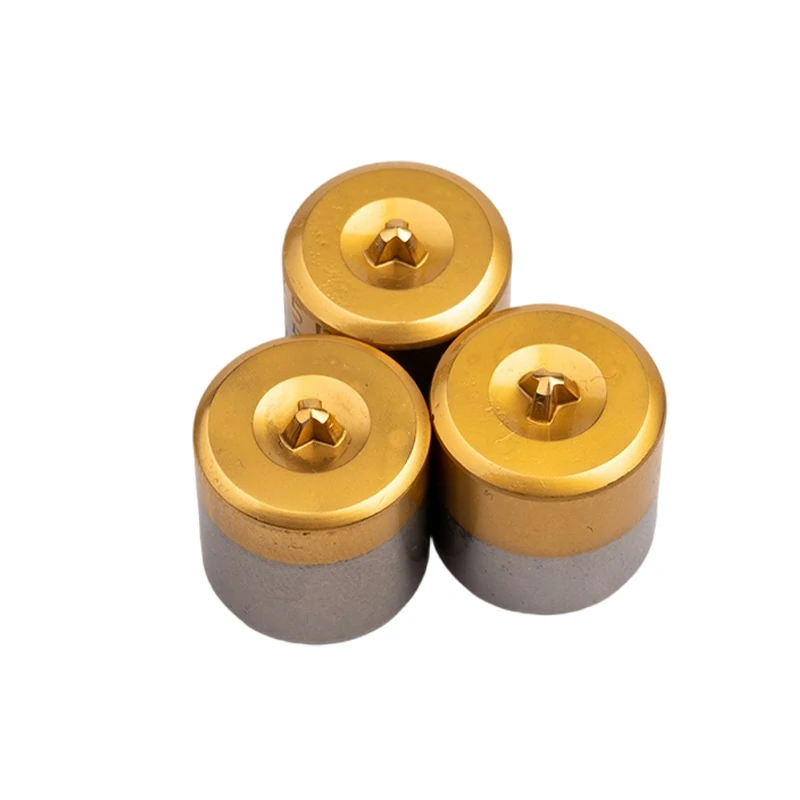
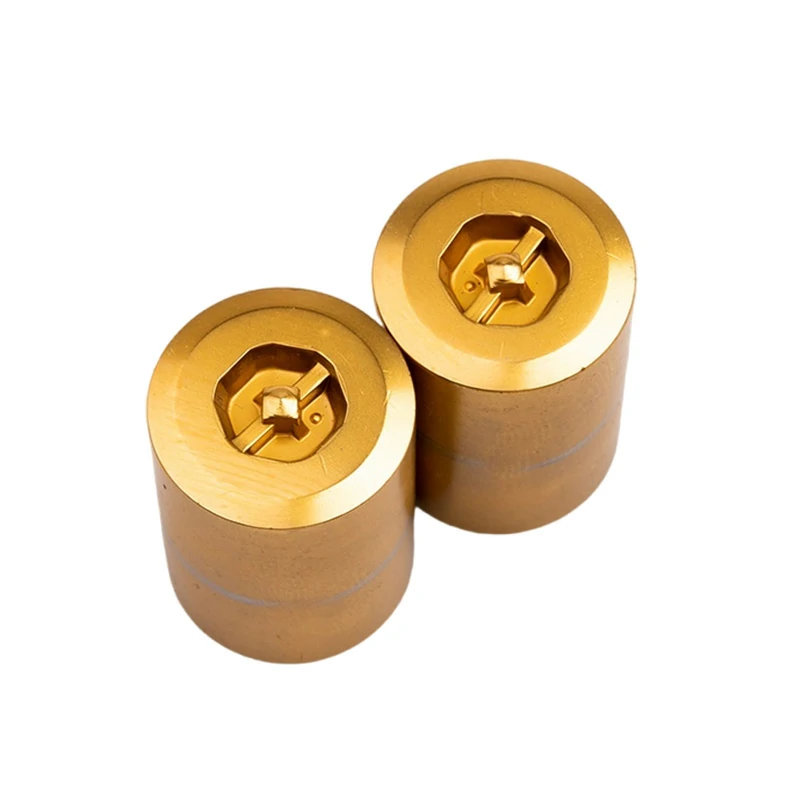
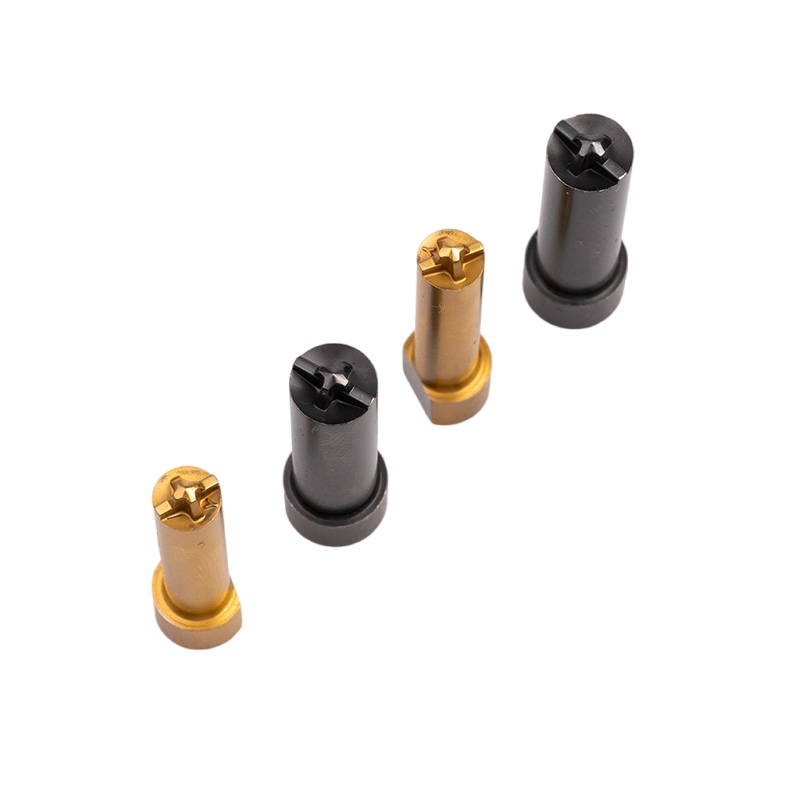
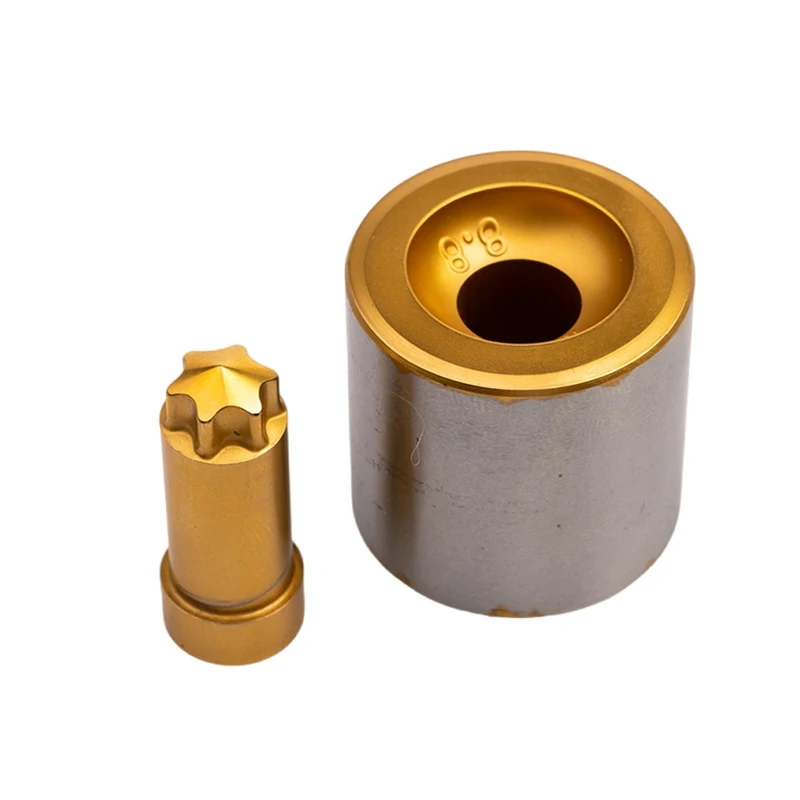
The primary advantages of using carbide heading dies in fastener production include exceptional wear resistance, longer tool life, improved dimensional accuracy, superior surface finish on products, and a lower total cost of ownership despite a higher initial investment. These benefits directly translate to increased manufacturing efficiency, higher quality fasteners, and significant long-term cost savings. As the backbone of the cold forming process, the choice of die material is a critical decision that impacts every aspect of production, from machine uptime to the final product’s integrity. Opting for tungsten carbide is a strategic move for manufacturers looking to gain a competitive edge in a demanding market.
In the world of high-volume fastener manufacturing—where millions of screws, bolts, and rivets are produced daily—every second of downtime and every rejected part erodes profitability. The cold heading (or cold forming) process subjects tooling to immense pressure, friction, and impact forces. While traditional steel dies have long been used, they often fall short when faced with the demands of modern production speeds and harder workpiece materials. This is where tungsten carbide heading dies emerge as the superior solution, offering a robust and reliable alternative that fundamentally enhances the entire production line.
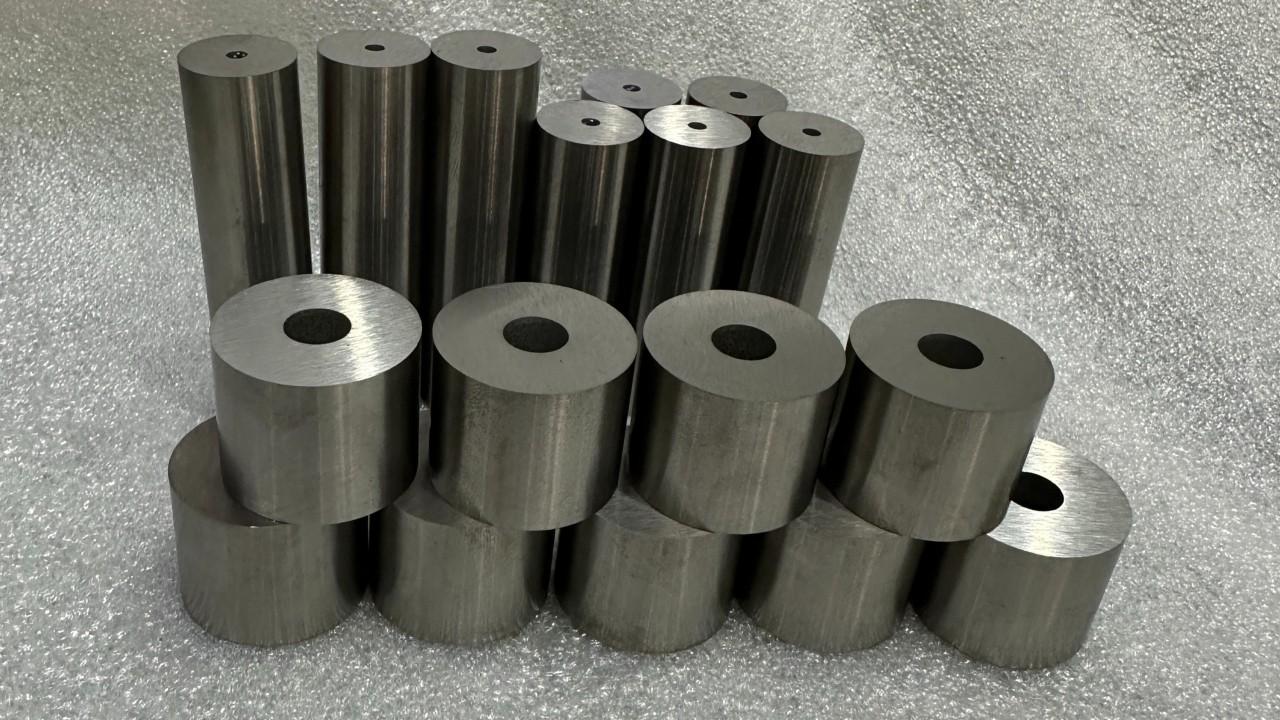
This comprehensive guide will explore the top seven advantages of integrating carbide heading dies into your fastener production. We will delve into what makes these dies unique, compare them directly to their steel counterparts, and explain how partnering with an expert manufacturer like Xiluo Mold can unlock their full potential.
What Exactly Are Carbide Heading Dies?
Before exploring their advantages, it’s crucial to understand what makes carbide heading dies so effective. A heading die is a critical tool in the cold forming process that shapes a piece of wire into a “blank” with a head, which will later become a screw or bolt. Carbide heading dies are made from Tungsten Carbide (WC), a composite material often referred to as a cermet (ceramic and metal). It is not a pure metal but a compound manufactured through a process called sintering.
In this process, fine tungsten carbide powder is mixed with a metallic binder, most commonly cobalt (Co). This mixture is pressed into the desired die shape and then heated to a high temperature (below the melting point of the binder). The cobalt melts and flows into the gaps between the tungsten carbide grains, creating an incredibly dense and hard composite structure upon cooling. The result is a material that combines the extreme hardness and wear resistance of tungsten carbide with the toughness and fracture resistance of the cobalt binder. It is this unique combination that gives carbide dies their exceptional performance characteristics in high-stress industrial applications.
Top 7 Advantages of Using Carbide Heading Dies
Integrating tungsten carbide dies into your fastener production isn’t just an upgrade; it’s a transformation. These dies address the most common pain points in cold heading, from tool wear to product quality. Let’s examine the seven core benefits in detail.
1. Unmatched Durability and Wear Resistance
The standout characteristic of tungsten carbide is its phenomenal hardness. On the Rockwell Hardness scale, carbide grades used for dies typically range from 88 to 92 HRA, far exceeding even the hardest tool steels. This inherent hardness provides exceptional resistance to abrasive wear, which is a constant challenge when forming metal wire at high speeds. The die’s internal geometry remains intact for a much longer duration, even when working with abrasive materials like stainless steel.
Furthermore, carbide dies exhibit excellent compressive strength. During the cold heading process, the die must withstand immense and repeated impact forces as the punch strikes the wire. Tungsten carbide’s ability to resist deformation under this extreme pressure ensures that the die cavity does not distort, which is essential for maintaining consistent part dimensions throughout a long production run. This resistance to both wear and deformation is the foundation for many of the other benefits on this list.
2. Extended Tool Life and Reduced Downtime
How does superior durability translate to your bottom line? The most direct impact is a dramatic increase in tool life. A high-quality carbide heading die can often produce 10 to 20 times more fasteners than a conventional tool steel die before requiring replacement. In some applications, the difference can be even more significant, with carbide dies lasting for millions of cycles.
This incredible longevity directly minimizes one of the biggest hidden costs in manufacturing: downtime. Every time a machine is stopped to change a worn-out die, you lose valuable production time. The process involves halting the machine, removing the old tool, installing and aligning the new one, and running test pieces to ensure quality. With carbide dies, these changeovers become far less frequent. The result is more machine uptime, higher overall equipment effectiveness (OEE), and a more predictable and streamlined production schedule.
3. Superior Precision and Dimensional Accuracy
For industries like automotive, aerospace, and electronics, fastener specifications are non-negotiable. Even minor deviations in head diameter, height, or concentricity can lead to assembly issues or catastrophic failures. Carbide heading dies are instrumental in achieving and maintaining tight dimensional tolerances. Because the material resists wear and deformation so effectively, the die cavity’s precise geometry is preserved for a much longer period.
As a steel die wears, the dimensions of the fasteners it produces begin to drift out of spec, leading to a higher rejection rate. In contrast, a carbide die produces consistent, uniform parts from the beginning to the end of its extended life. This reliability reduces the need for constant quality checks and adjustments, ensuring that a higher percentage of the fasteners produced meet the required standards. This is particularly crucial for complex fastener designs and applications demanding high levels of precision.
4. Enhanced Surface Finish on Fasteners
The quality of a fastener isn’t just about its dimensions; it’s also about its surface. A smooth, clean surface finish is often a sign of a well-controlled manufacturing process and can be critical for subsequent operations like plating, coating, or thread rolling. Carbide dies contribute significantly to a superior surface finish. Thanks to their low coefficient of friction and high polishability, the metal flows more smoothly into the die cavity during formation.
This smooth material flow minimizes galling, scuffing, and other surface imperfections that can occur with steel dies, especially at high speeds. The resulting fasteners have a brighter, more uniform appearance. This not only improves the aesthetic quality of the final product but can also enhance its performance by reducing friction in threaded applications and improving corrosion resistance, as a smoother surface is less prone to trapping contaminants.
5. Capability for Higher Production Speeds
In a competitive market, throughput is king. The ability to run machinery at higher speeds without sacrificing quality or tool life is a major advantage. Tungsten carbide’s excellent thermal conductivity and ability to withstand high temperatures make it ideal for high-speed heading operations. The friction generated during cold forming creates significant heat, which can cause steel dies to soften, leading to accelerated wear and failure.
Carbide, however, retains its hardness and strength at elevated temperatures, allowing manufacturers to increase the strokes per minute of their heading machines. This means more parts can be produced in the same amount of time, directly boosting productivity. The ability to run faster, combined with the reduced downtime from longer tool life, creates a powerful compounding effect on overall factory output.
6. Excellent Performance with Tough Materials
The demand for fasteners made from high-strength and corrosion-resistant alloys, such as stainless steel, titanium, and nickel-based superalloys, is growing. These materials are notoriously difficult to form due to their high tensile strength and abrasive nature. Using standard tool steel dies to form these materials often results in extremely short tool life and poor part quality.
This is where carbide dies truly shine. Their exceptional hardness and wear resistance make them the go-to choice for forming tough and exotic alloys. A properly designed carbide die can successfully and efficiently form materials that would destroy a steel die in a matter of minutes. This capability opens up new market opportunities for fastener manufacturers, allowing them to produce high-value, specialty fasteners for demanding industries.
7. Lower Total Cost of Ownership (TCO)
A common point of hesitation for manufacturers is the initial purchase price of carbide dies, which is higher than that of steel dies. However, focusing solely on the upfront cost is a shortsighted approach. The true measure of value is the Total Cost of Ownership (TCO), which considers the entire lifecycle of the tool. When you factor in the extended tool life, reduced machine downtime, lower scrap rates, and increased production speed, the cost per-piece produced with a carbide die is significantly lower.
Imagine a scenario: a steel die costs $100 and produces 100,000 pieces, while a carbide die costs $500 and produces 2,000,000 pieces. The cost per piece for the steel die is $0.001. The cost per piece for the carbide die is just $0.00025. This simple calculation doesn’t even account for the cost of 19 additional machine changeovers saved. Investing in carbide tooling is a strategic financial decision that yields substantial returns over time.
Carbide vs. Steel Dies: A Head-to-Head Comparison
To summarize the key differences, the following table provides a direct comparison between tungsten carbide heading dies and conventional high-speed steel (HSS) dies.
| Feature | Tungsten Carbide Dies | High-Speed Steel (HSS) Dies |
|---|---|---|
| Hardness (HRA) | Extremely High (88-92 HRA) | Moderate (62-67 HRC, which is lower than 88 HRA) |
| Wear Resistance | Exceptional; ideal for abrasive materials and long runs. | Good, but wears significantly faster than carbide. |
| Tool Life | Very long (often 10-20x that of steel). | Standard; requires frequent replacement. |
| Initial Cost | High | Low |
| Total Cost of Ownership (TCO) | Very Low | High due to frequent replacements and downtime. |
| Max Production Speed | High; excellent thermal stability allows faster operation. | Limited; heat build-up can cause softening and failure. |
| Toughness (Fracture Resistance) | Good, but can be more brittle than steel. Proper design is key. | Excellent; more forgiving of misalignment. |
| Best Application | High-volume production, tight tolerances, and difficult-to-form materials. | Low-volume runs, prototyping, and less demanding applications. |
Why Your Choice of Die Manufacturer Matters
Unlocking all the benefits of tungsten carbide is not as simple as just buying a carbide die. The performance of the tool is heavily dependent on the expertise of its manufacturer. A strategic partner like Xiluo Mold brings critical value in three key areas:
- Material Grade Selection: Not all carbide is the same. Different grades have varying percentages of cobalt binder and different grain sizes, which affect the balance between hardness and toughness. An experienced manufacturer will help you select the optimal grade for your specific application—whether you are forming soft aluminum or tough stainless steel.
- Precision Engineering and Design: The internal geometry, polish, and stress relief features of a die are critical. Advanced engineering, using CAD/CAM and finite element analysis (FEA), ensures the die is designed to maximize material flow, minimize stress concentrations, and withstand the forces of your specific heading machine. This custom design is what prevents premature failure and ensures maximum performance.
- Manufacturing Excellence: The final quality of the die depends on precision grinding, polishing, and quality control processes. At Xiluo Mold, we utilize state-of-the-art equipment and rigorous inspection protocols to ensure every die we produce meets the most demanding specifications for dimension, surface finish, and concentricity.
Conclusion: A Strategic Investment in Quality and Efficiency
In the competitive landscape of fastener production, efficiency, quality, and cost-effectiveness are paramount. Tungsten carbide heading dies are not merely a component; they are a strategic investment that delivers compounding returns. From their unparalleled durability and extended tool life to their ability to hold tight tolerances and produce superior surface finishes, carbide dies fundamentally elevate the cold heading process. While the initial investment is higher than that of steel, the dramatically lower Total Cost of Ownership, reduced downtime, and increased throughput make them the clear choice for any serious manufacturer.
By embracing this advanced tooling technology and partnering with an expert manufacturer who understands the nuances of material science and precision engineering, you can ensure your production line operates at peak performance, delivering higher quality fasteners at a lower cost per piece.
Ready to unlock the full potential of your fastener production? Contact the tooling experts at Xiluo Mold today to discuss your custom carbide heading die requirements and discover how our solutions can drive your success.
Frequently Asked Questions (FAQs)
- 1. Are carbide dies suitable for all types of fastener production?
- While highly advantageous for most applications, especially high-volume and hard-material forming, steel dies might still be cost-effective for very small-batch prototyping or forming extremely soft materials where tool wear is not a primary concern. However, for the vast majority of modern fastener production, carbide is superior.
- 2. What causes a carbide die to fail?
- Unlike steel dies which typically fail from gradual wear, carbide dies are more susceptible to chipping or fracturing if subjected to severe shock, misalignment, or improper handling. This is why proper machine setup and a die design that manages stress are so critical. Choosing the right tough-grade carbide also mitigates this risk.
- 3. How much longer does a carbide heading die last compared to a steel die?
- The lifespan increase can vary greatly depending on the material being formed, machine speed, and die design, but a general rule of thumb is that a carbide die will last 10 to 20 times longer than a standard HSS die in the same application.
- 4. Can you use carbide dies to form stainless steel fasteners?
- Absolutely. In fact, carbide dies are the preferred and often necessary choice for cold forming stainless steel. The abrasive nature of stainless steel rapidly wears down steel dies, whereas the high wear resistance of tungsten carbide allows for efficient, high-volume production of stainless steel fasteners.
- 5. What is the difference between a heading die and a drawing die?
- A drawing die is used to reduce the diameter of a wire by pulling it through the die. A heading die is used in a cold heading machine to form the head of a fastener by striking a cut-off piece of wire and forcing it to fill the die cavity.