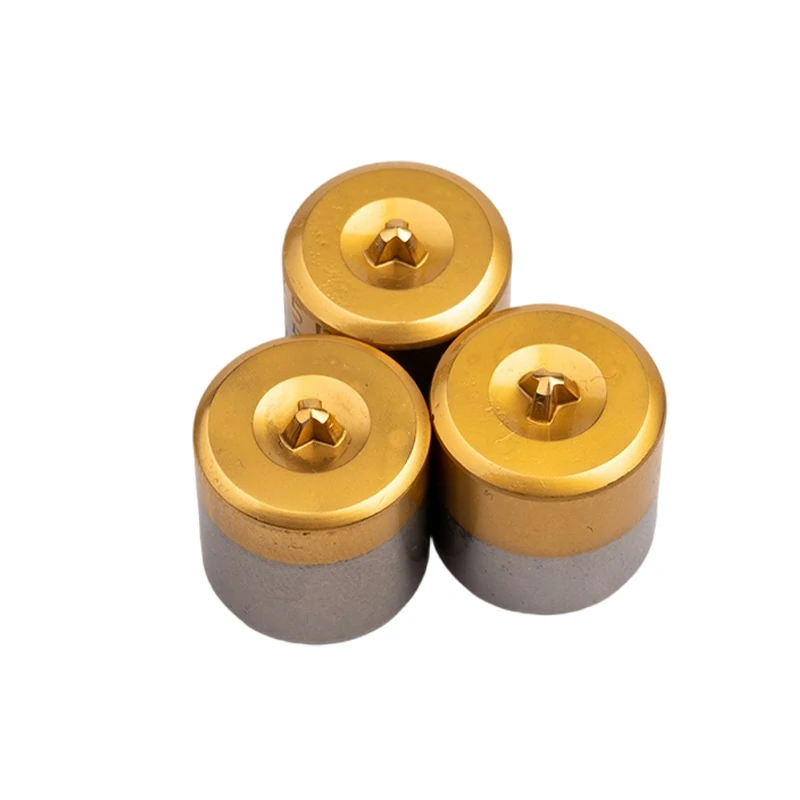
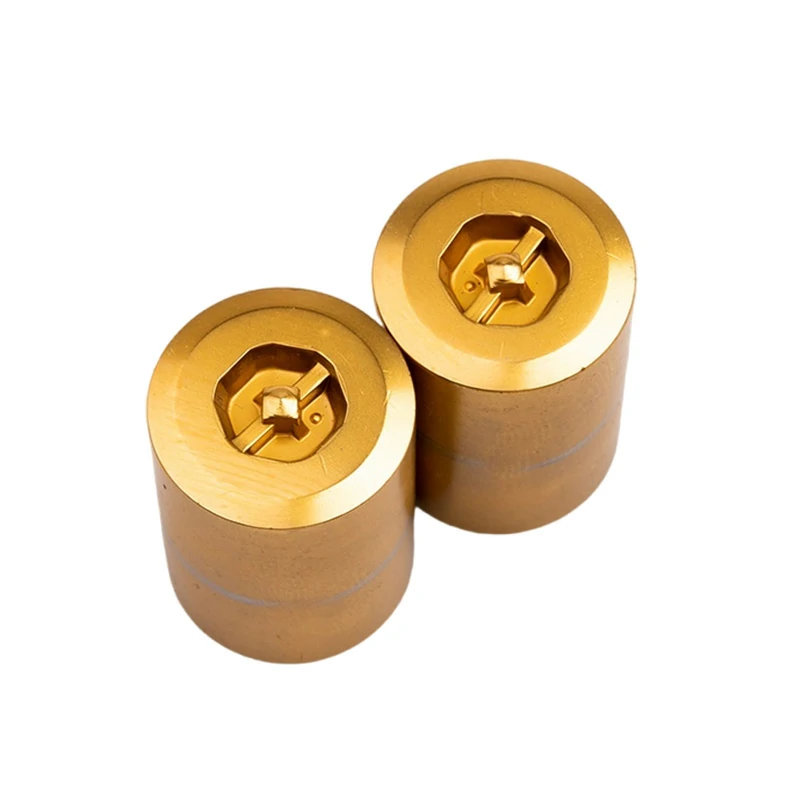
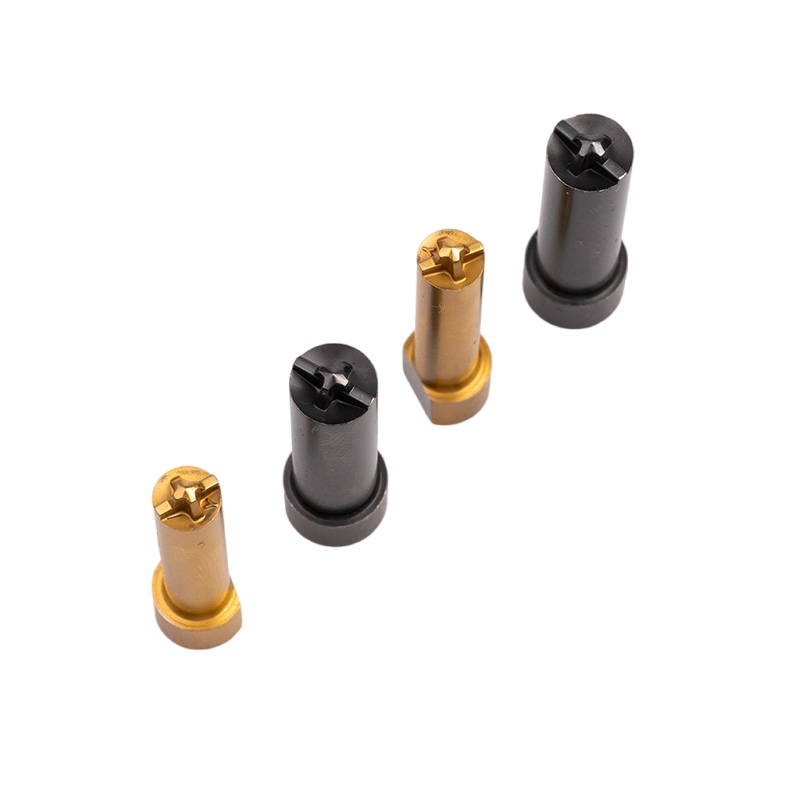
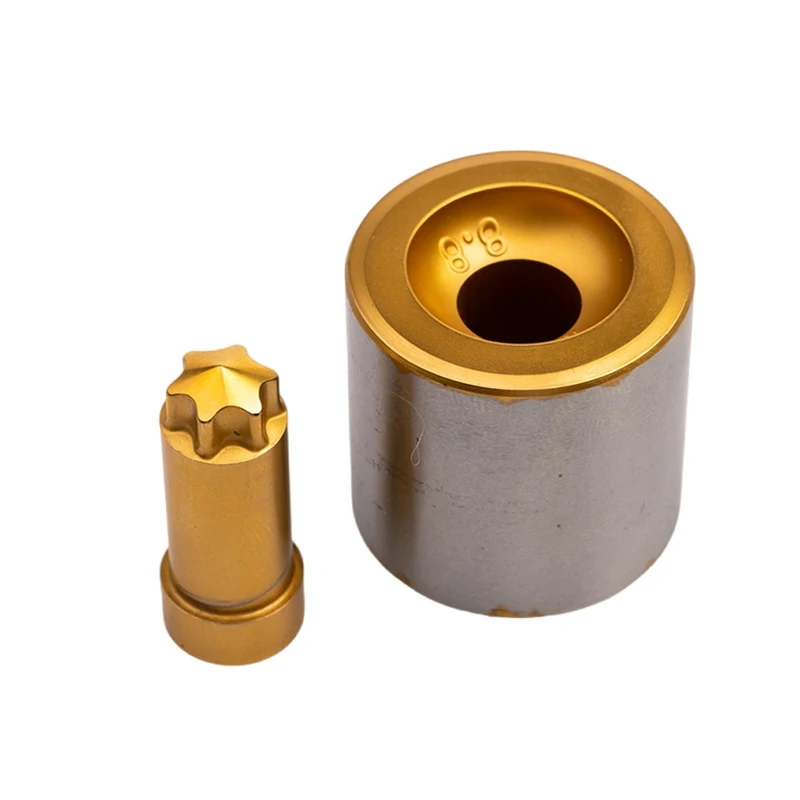
Featured Snippet: Real-world cases consistently demonstrate that switching to tungsten carbide heading dies can dramatically increase manufacturing output and operational efficiency. By leveraging carbide’s superior hardness, wear resistance, and thermal stability, manufacturers of fasteners, bolts, and other cold-formed parts have achieved significantly longer tool life, reduced downtime for die changes, and improved finished part quality, leading to substantial cost savings and a higher return on investment. These case studies provide tangible proof of carbide’s value in high-volume production environments.
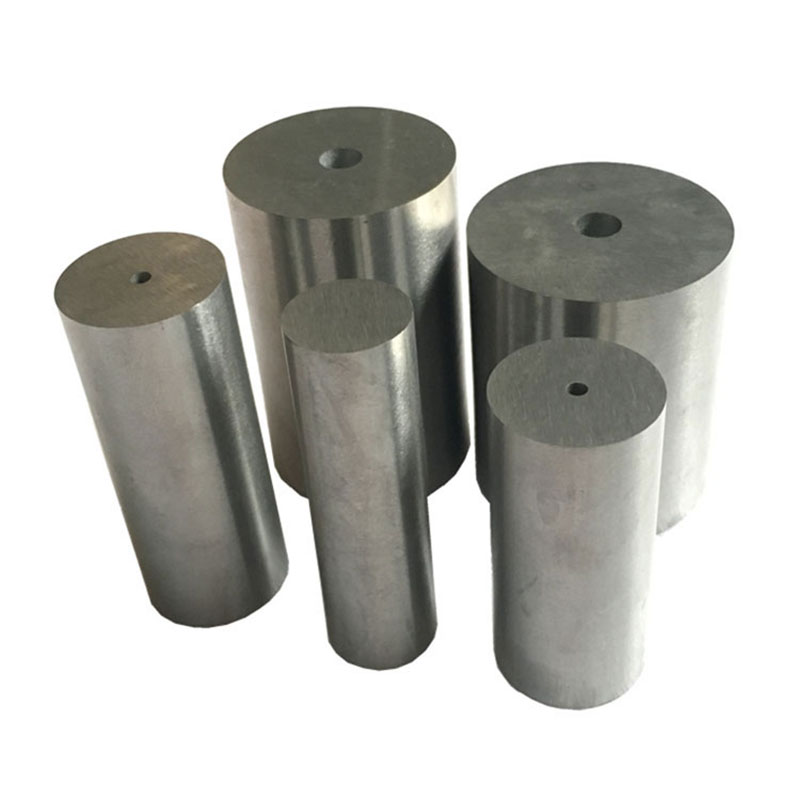
In the competitive world of cold forming and heading, every minute of uptime and every ounce of material counts. The pressure to increase output without sacrificing quality is constant. While traditional steel dies have long been the standard, they often represent a bottleneck due to frequent wear, breakage, and the resulting downtime. This is where tungsten carbide heading dies emerge as a game-changing solution. Their exceptional material properties are not just theoretical advantages; they translate into measurable gains in real-world manufacturing scenarios. This article explores several case studies and practical examples, showcasing how integrating carbide heading dies can be a pivotal strategy for boosting production efficiency and profitability.
Understanding the Carbide Advantage: Why Do Carbide Heading Dies Increase Output?
Before diving into specific cases, it’s essential to understand why tungsten carbide is so effective. Unlike tool steels, which are alloys of iron and carbon, tungsten carbide is a composite material made from hard carbide particles bonded together by a metallic binder, typically cobalt. This unique composition gives it a powerful combination of properties that directly address the most common challenges in cold heading operations.
- Exceptional Hardness and Wear Resistance: Carbide is significantly harder than even the most robust tool steels. This means it can withstand the immense pressures and abrasive forces of cold forming for much longer periods. The result is a die that maintains its critical dimensions for millions of cycles, whereas a steel die might fail after tens or hundreds of thousands.
- Superior Compressive Strength: The heading process involves immense compressive forces. Carbide’s ability to resist deformation under this pressure ensures consistent part geometry and precision, from the first part to the millionth. This reduces part-to-part variation and lowers scrap rates.
- High Thermal Stability: Rapid, continuous operation generates significant heat. Carbide’s ability to retain its hardness and strength at elevated temperatures prevents the die from softening, galling, or failing prematurely. This allows for higher machine speeds and more continuous production runs.
- Reduced Friction and Galling: The smooth surface finish and low coefficient of friction of polished carbide dies reduce the tendency for workpiece material to adhere to the die (galling). This leads to a better surface finish on the final product and less force required for forming, further extending tool life.
Real-World Case Study 1: Automotive Fastener Manufacturer
The Challenge: Frequent Downtime and Inconsistent Quality
An automotive supplier specializing in high-tensile bolts for engine assemblies was struggling with production targets. They were using high-quality tool steel dies but faced constant interruptions. Their primary issues were:
- Short Die Life: The steel dies averaged only 150,000 to 200,000 pieces before showing significant wear or catastrophic failure, requiring a change.
- Excessive Downtime: Each die change took approximately 45-60 minutes, including machine stop, removal, installation, and recalibration. With multiple machines running, this added up to hours of lost production time each day.
- High Scrap Rate: As the steel dies wore down, the dimensions of the bolt heads would drift out of the strict automotive tolerances, leading to a scrap rate of nearly 3%.
The Solution: Strategic Implementation of Carbide Heading Dies
After a comprehensive analysis with a die specialist like Xiluo Mold, the manufacturer transitioned to custom-designed tungsten carbide heading dies for their most demanding production lines. The carbide grade was specifically selected to balance toughness and wear resistance for their particular alloy steel feedstock. The results were transformative.
| Metric | Tool Steel Dies | Tungsten Carbide Dies | Improvement |
|---|---|---|---|
| Average Die Life (Pieces) | 180,000 | 2,500,000+ | >1,280% Increase |
| Production Downtime (per 2.5M pieces) | ~14 Hours | ~1 Hour | ~93% Reduction |
| Scrap Rate | 3% | <0.5% | ~83% Reduction |
| Machine Speed | Standard | Increased by 15% | 15% Faster Output |
The switch not only slashed downtime but also allowed the manufacturer to run their machines 15% faster due to the thermal stability of the carbide. The dramatic increase in die life and the sharp reduction in scrap parts led to a significant increase in overall equipment effectiveness (OEE). The initial higher investment in carbide dies was recouped within three months of operation.
Real-World Case Study 2: Construction and Rivet Production
The Challenge: Abrasive Materials and High-Volume Demands
A producer of steel rivets for the construction industry was facing a profitability squeeze. Their primary issue was the abrasive nature of the low-carbon steel wire they were using, which rapidly eroded their steel dies. This led to frequent “wash-out” where the die cavity’s sharp corners would become rounded, producing out-of-spec rivet heads. They were forced to replace dies multiple times per shift, making it impossible to meet high-volume orders profitably.
The Solution: Carbide Inserts for Extended Tool Longevity
Instead of a full carbide die, a more cost-effective solution was engineered: a tool steel die holder (case) fitted with a precision tungsten carbide insert. This approach, often recommended by experienced die makers, combines the toughness and lower cost of a steel body with the unparalleled wear resistance of a carbide working surface. The results were immediate and impactful.
- Extended Tool Life: The carbide inserts lasted, on average, for 3 to 4 million cycles, compared to the 80,000-100,000 cycles of the previous solid steel dies. This represented a more than 30-fold increase in lifespan.
- Massively Reduced Downtime: Die changes went from a multi-per-shift occurrence to a planned maintenance activity scheduled weekly or bi-weekly. This liberated operators and maintenance staff to focus on other value-added tasks.
- Improved Product Consistency: The dimensional stability of the carbide insert ensured that every rivet head was formed to the exact same specification, eliminating the “wash-out” problem and improving the overall quality and reliability of their product. This strengthened their brand reputation in the competitive construction market.
What Are the Key Factors for a Successful Transition to Carbide?
Simply buying a carbide die is not a guarantee of success. Achieving the incredible results seen in these case studies requires a holistic approach and partnership with an expert die manufacturer. Key considerations include:
- Correct Carbide Grade Selection: Not all carbide is the same. The percentage of cobalt binder and the grain size of the tungsten carbide must be carefully selected. A higher cobalt content increases toughness (resistance to chipping and cracking) but slightly reduces wear resistance. An expert supplier like Xiluo Mold can analyze your application—the material being formed, machine speed, and part complexity—to recommend the optimal grade.
- Precision Die Design and Manufacturing: The internal geometry, surface finish, and tolerances of the die are critical. A poorly made carbide die will fail just as quickly as a steel one. Look for a manufacturer with advanced CNC grinding, EDM, and polishing capabilities to ensure a flawless internal profile that promotes smooth material flow and reduces stress concentrations.
- Machine and Setup Integrity: Carbide’s hardness also means it is more brittle than steel. It is less forgiving of misalignment. The heading machine must be in good condition, with proper alignment between the punch and die, to prevent off-center loading that can cause the carbide to fracture. Proper operator training on setup procedures is crucial.
- Proper Lubrication: Effective lubrication is vital in any cold forming operation, but it’s especially important with carbide dies to manage heat and friction. Using the right high-pressure lubricant helps ensure a clean forming process and maximizes the life of the die.
Conclusion: Is Investing in Carbide Heading Dies Worth It?
The evidence from real-world manufacturing floors is clear: for high-volume, demanding cold heading applications, tungsten carbide dies are not just a component; they are a strategic investment in productivity and profitability. While the upfront cost is higher than that of traditional tool steel dies, the return on investment (ROI) is rapid and substantial. By drastically increasing tool life, minimizing machine downtime, reducing scrap rates, and enabling faster production speeds, carbide heading dies directly address the most significant pain points in modern manufacturing.
If your operation is experiencing bottlenecks due to frequent tool changes or inconsistent part quality, it’s time to evaluate the potential of tungsten carbide. Partnering with a knowledgeable and experienced manufacturer like Xiluo Mold is the first step. We don’t just sell dies; we provide engineered solutions. By analyzing your specific challenges and production goals, we can design and produce custom carbide heading dies that will unlock new levels of output and efficiency for your business. Contact us today to discuss your application and start your journey toward higher productivity.
* **Featured Snippet Paragraph:** Summarizing how carbide dies boost output, reduce downtime, and improve ROI through real-world examples.
* **Introductory Paragraph:** Highlighting the industry pressure for efficiency and introducing carbide dies as the solution to the bottlenecks of traditional steel dies.
* **H2: Understanding the Carbide Advantage: Why Do Carbide Heading Dies Increase Output?**
* Focus Keyword: Why use carbide heading dies
* Subtopics:
* Exceptional Hardness and Wear Resistance (vs. steel)
* Superior Compressive Strength for dimensional stability
* High Thermal Stability for faster machine speeds
* Reduced Friction and Galling for better part finish
* **H2: Real-World Case Study 1: Automotive Fastener Manufacturer**
* Long-tail Keyword: Carbide die case study for automotive bolts
* **H3: The Challenge: Frequent Downtime and Inconsistent Quality**
* Details on the problems with steel dies (short life, downtime, scrap rate).
* **H3: The Solution: Strategic Implementation of Carbide Heading Dies**
* Details on the switch to custom carbide dies.
* Use of a table to compare metrics (Die Life, Downtime, Scrap Rate, Machine Speed) between steel and carbide.
* **H2: Real-World Case Study 2: Construction and Rivet Production**
* Long-tail Keyword: Tungsten carbide die inserts for rivets
* **H3: The Challenge: Abrasive Materials and High-Volume Demands**
* Details on the “wash-out” problem and frequent replacements.
* **H3: The Solution: Carbide Inserts for Extended Tool Longevity**
* Explanation of the carbide insert/steel holder design.
* Quantifiable results (tool life, downtime reduction, consistency).
* **H2: What Are the Key Factors for a Successful Transition to Carbide?**
* Interrogative Keyword: How to implement carbide dies successfully
* Subtopics as an ordered list:
1. Correct Carbide Grade Selection (mentioning expert help from Xiluo Mold).
2. Precision Die Design and Manufacturing (highlighting the need for a quality supplier).
3. Machine and Setup Integrity (importance of alignment).
4. Proper Lubrication (its role in performance).
* **H2: Conclusion: Is Investing in Carbide Heading Dies Worth It?**
* Summarize the key benefits and the clear ROI.
* Reiterate that carbide is a strategic investment.
* Strong Call-to-Action (CTA): Encourage readers to contact Xiluo Mold for a consultation on their specific application.**Table of Contents (TOC) with Anchor Links:**
1. Understanding the Carbide Advantage: Why Do Carbide Heading Dies Increase Output?
2. Real-World Case Study 1: Automotive Fastener Manufacturer
3. The Challenge: Frequent Downtime and Inconsistent Quality
4. The Solution: Strategic Implementation of Carbide Heading Dies
5. Real-World Case Study 2: Construction and Rivet Production
6. The Challenge: Abrasive Materials and High-Volume Demands
7. The Solution: Carbide Inserts for Extended Tool Longevity
8. What Are the Key Factors for a Successful Transition to Carbide?
9. Conclusion: Is Investing in Carbide Heading Dies Worth It?
**Anchor Text Suggestions for Internal/External Linking:**
* **Internal Link to a product page:** “custom-designed tungsten carbide heading dies”
* **Internal Link to a materials page:** “Correct Carbide Grade Selection”
* **Internal Link to a capabilities page:** “advanced CNC grinding, EDM, and polishing”
* **Internal Link to Contact Us page:** “Contact us today”
* **External Link to an industry authority (optional):** “overall equipment effectiveness (OEE)”