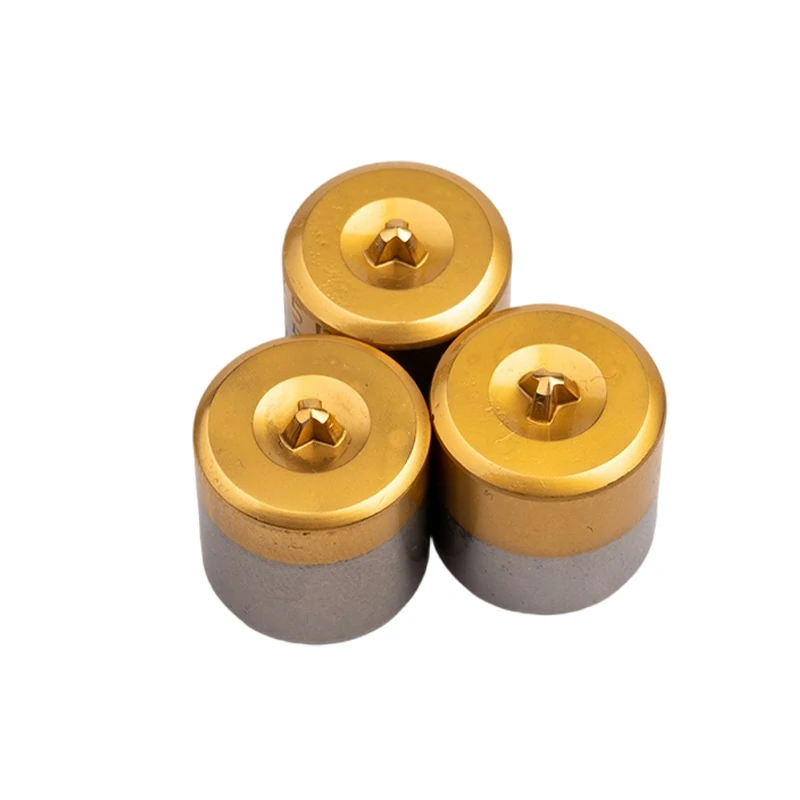
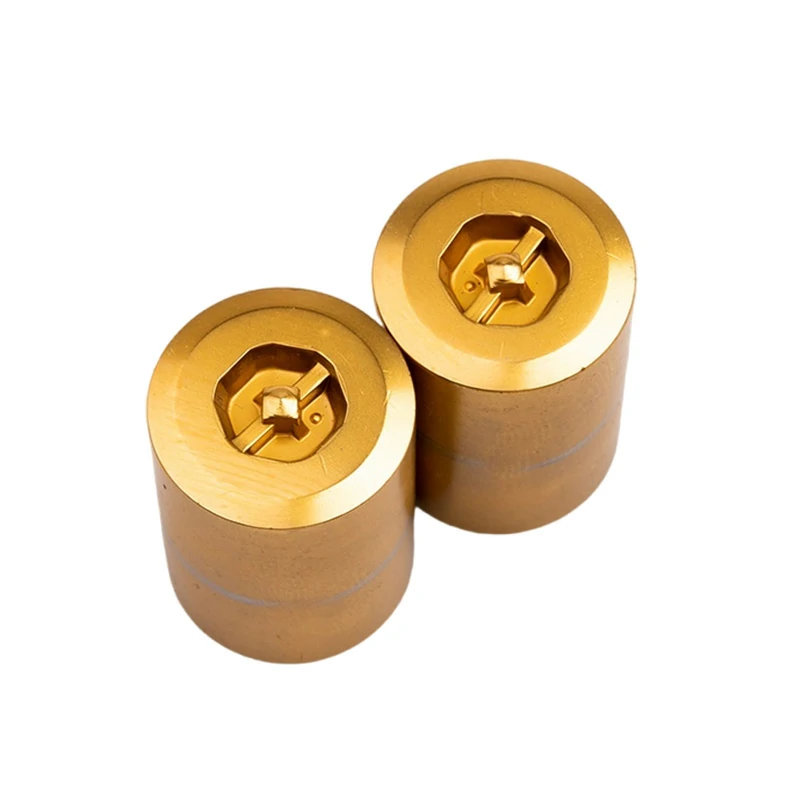
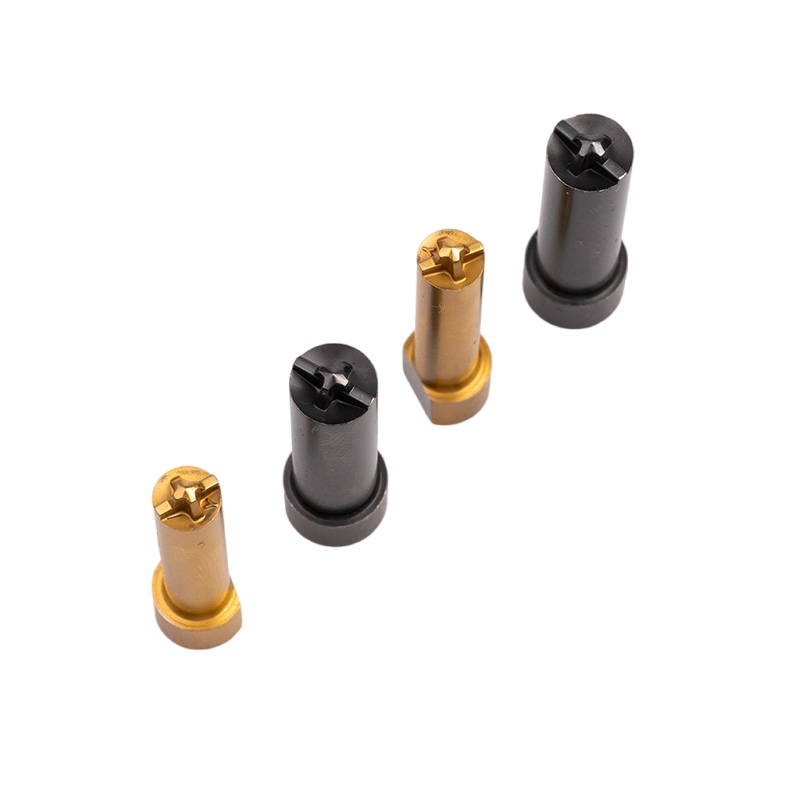
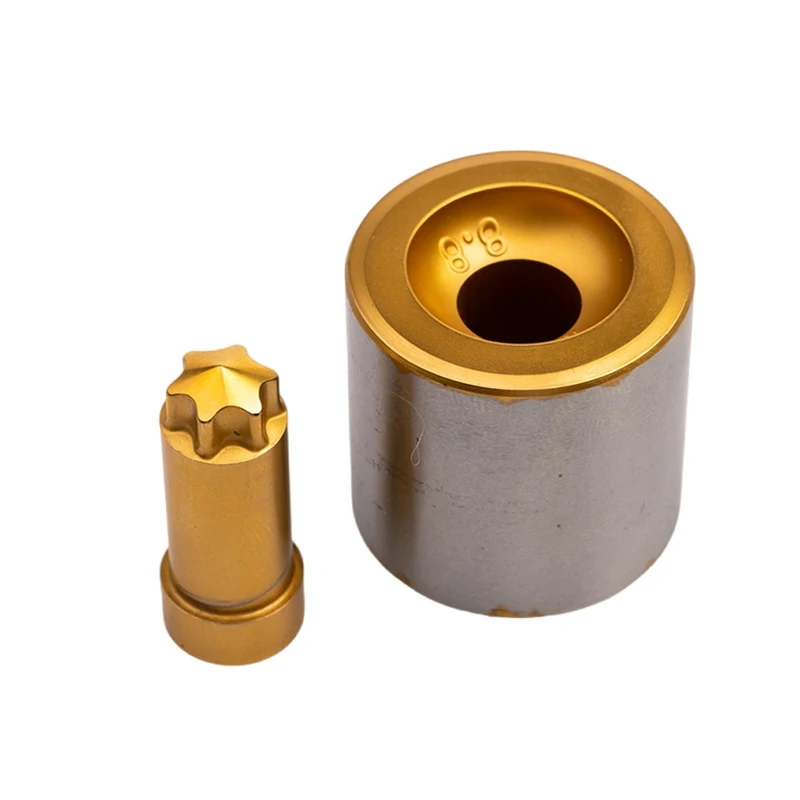
High-quality pin punches are the cornerstone of successful fastener manufacturing, directly determining the final product’s dimensional accuracy, surface integrity, and batch-to-batch consistency. The quality of a punch—from its material composition and geometric precision to its surface finish—has a profound and measurable effect on production outcomes, significantly reducing scrap rates, minimizing machine downtime, and ultimately boosting overall production yield and profitability. Investing in superior punches is not merely an operational expense; it is a strategic investment in precision and efficiency.
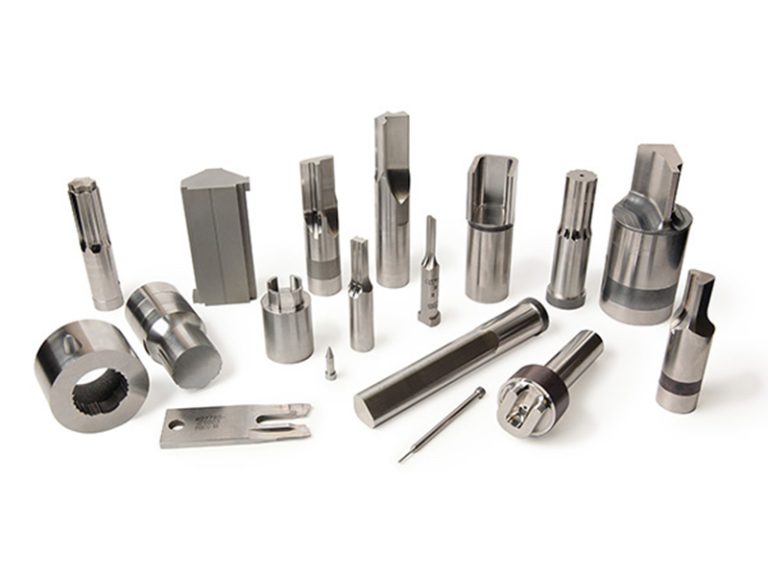
Table of Contents
What is a Pin Punch and What is Its Role in Fastener Manufacturing?
In the world of high-volume fastener production, particularly through the process of cold heading or cold forming, the pin punch is a critical component of the tooling assembly. A wire blank is fed into a die, and the pin punch, mounted in the heading machine, strikes the end of this blank with immense force. This action displaces the metal, forcing it to flow and conform to the shape of the die and the punch tip. This single, violent impact forms the head of a screw, the end of a rivet, or the specific drive feature (like a Phillips or Torx recess) of a fastener. The punch is, in essence, the master tool that imparts the final, precise geometry onto the product. Its role is not passive; it is an active, high-impact tool that must withstand millions of cycles while maintaining its exact shape and integrity.
The Core Pillars of Pin Punch Quality
The term “punch quality” is not abstract. It refers to a specific set of measurable physical and metallurgical attributes. Each of these pillars contributes directly to the punch’s performance, lifespan, and its ability to produce fasteners that meet stringent specifications. Neglecting any one of these areas can lead to a domino effect of production failures.
Material Selection: The Foundation of Durability (HSS vs. Tungsten Carbide)
The choice of material is the first and most critical decision in defining a punch’s quality. The material must possess a combination of hardness (to resist deformation), toughness (to resist chipping and fracture under impact), and wear resistance (to maintain its shape over time). The two most common materials are High-Speed Steel (HSS) and Tungsten Carbide (WC).
- High-Speed Steel (HSS): HSS, particularly grades like M2 or M42, offers excellent toughness, making it more resistant to catastrophic fracture from misalignment or shock loads. It is a more forgiving and cost-effective option, often suitable for less demanding applications, complex shapes that are difficult to grind in carbide, or shorter production runs.
- Tungsten Carbide (WC): Carbide is significantly harder and more wear-resistant than HSS. This allows it to hold a sharp edge and maintain precise dimensions for a much longer duration, especially in high-speed, high-volume production. While more brittle and having a higher upfront cost, its extended tool life often leads to a lower total cost of ownership in demanding applications.
| Feature | High-Speed Steel (HSS) | Tungsten Carbide (WC) |
|---|---|---|
| Hardness & Wear Resistance | Good | Exceptional (2-3 times harder than HSS) |
| Toughness (Fracture Resistance) | Excellent | Good (but more brittle than HSS) |
| Tool Life in High-Volume Runs | Moderate | Very Long (can be 5-10x longer than HSS) |
| Upfront Cost | Lower | Higher |
| Ideal Application | Complex shapes, short runs, applications requiring high toughness. | High-speed, long production runs, standard shapes, forming hard materials. |
Geometric Precision: The Blueprint for Accuracy
A punch is only as good as its geometry. Even the best material will fail if the punch isn’t ground to exact specifications. Key geometric factors include:
- Concentricity: This refers to how perfectly centered the punch’s tip is relative to its shank. Poor concentricity (or runout) means the punch will strike the blank off-center. This uneven force application leads to lopsided heads, inconsistent recess depths, and increased lateral stress on the punch, causing premature wear and failure.
- Dimensional Tolerances: The critical dimensions of the punch tip—its diameter, profile, and recess-forming features—must be held to extremely tight tolerances, often measured in microns (μm). Any deviation from the print will be directly transferred to every fastener produced.
- Head and Shank Straightness: The entire body of the punch must be perfectly straight to ensure it travels true within the tooling assembly. A bent or bowed punch will induce stress and produce inconsistent parts.
Surface Finish (Ra): The Secret to Flawless Forming and Tool Life
The smoothness of the punch’s working surfaces, measured as a Roughness average (Ra), is critically important. A rough surface, even on a microscopic level, creates higher friction during the forming process. This friction leads to several problems: galling (where material from the fastener blank adheres to the punch), increased heat generation, and accelerated wear. A highly polished, low-Ra surface finish allows the blank material to flow smoothly and cleanly, resulting in a better fastener finish and significantly extending the punch’s operational life by reducing frictional wear.
Heat Treatment and Coatings: Enhancing Strength and Resilience
Proper heat treatment is essential to achieve the desired hardness and toughness in HSS punches. For both HSS and Carbide, advanced surface coatings applied via Physical Vapor Deposition (PVD) can provide a dramatic boost in performance. Coatings like Titanium Nitride (TiN) or Titanium Carbo-Nitride (TiCN) create a super-hard, lubricious outer layer. This layer acts as a thermal barrier, reduces friction, and prevents material adhesion, thereby increasing punch life by 2 to 5 times or more in the right application. Choosing the right coating is a key part of optimizing the tool for a specific fastener material and production speed.
How Does Poor Punch Quality Sabotage Fastener Precision?
When a pin punch is of inferior quality—whether due to poor material, imprecise grinding, or rapid wear—it directly compromises the precision of the fasteners it produces. This isn’t a gradual decline; it’s an immediate and ongoing assault on quality control.
Dimensional Inaccuracies and Tolerance Failures
This is the most direct consequence. A punch with poor concentricity will create fasteners with off-center drive recesses, making them difficult or impossible to use with automated or even manual drivers. If the punch tip wears down, the head height or diameter of the fastener will change, falling out of the acceptable tolerance range. These parts will fail gauging inspections, cannot be sold, and become scrap. The integrity of an entire batch can be compromised by a single, rapidly wearing punch.
Surface Imperfections: Cracks, Galling, and Poor Finish
A punch that begins to micro-chip or has a rough surface finish will transfer these imperfections to the fastener. This can manifest as tiny stress fractures in the head-to-shank fillet, which are serious failure points. As mentioned, poor surface finish can also cause galling, leading to smeared, torn-looking surfaces on the fastener head or in the drive recess. These cosmetic and structural defects lead to rejection, as they can compromise the fastener’s performance and plating adhesion.
Inconsistent Batches and Frequent Adjustments
A low-quality punch wears inconsistently. This means the fasteners produced at the beginning of its life will be dimensionally different from those produced near the end. This lack of predictability forces machine operators to constantly halt production to inspect parts and make minute adjustments to the machine setup. This “chasing tolerances” is a major source of inefficiency and introduces variability that is the enemy of modern quality control systems like SPC (Statistical Process Control).
The Ripple Effect: From Low Precision to Decreased Production Yield
The impact of a poor-quality punch extends far beyond a single bad fastener. It creates a ripple effect that erodes the efficiency and profitability of the entire production line. Yield isn’t just about good parts; it’s about the overall output efficiency of the process.
Increased Scrap Rates: The Obvious Cost
Every fastener that fails inspection is a direct loss. It represents wasted raw material, wasted machine time, and wasted energy. When a punch wears quickly or fails catastrophically, it can produce thousands of defective parts before the issue is caught. A high scrap rate is the most visible symptom of poor tooling, and it directly eats into profit margins.
Machine Downtime: The Hidden Expense
What is the true cost of a cheap punch? It’s often found in machine downtime. A punch that needs frequent replacement requires the machine to be stopped. During this time, which can take anywhere from 15 minutes to over an hour, the machine is not producing anything. This unscheduled downtime for tool changes, coupled with the time spent on constant adjustments and inspections, is a massive hidden cost that drastically reduces the potential output of a multi-million dollar cold heading machine.
Reduced Throughput and Missed Deadlines
The combination of higher scrap and increased downtime inevitably leads to lower overall throughput. If a machine is rated to produce 300 parts per minute but is only operational 80% of the time due to tooling issues, its effective output is only 240 parts per minute. Over a week or a month, this adds up to tens of thousands of lost parts. This reduction in capacity can lead to delayed shipments, missed customer deadlines, and damage to a company’s reputation as a reliable supplier.
Why Investing in High-Quality Pin Punches is a Strategic Business Decision
Viewing high-quality punches as an “expensive” part is a shortsighted perspective. A superior punch should be seen as a strategic investment that pays dividends in precision, efficiency, and reliability.
Calculating the ROI: Beyond the Upfront Cost
The true measure of a punch’s cost is its Total Cost of Ownership (TCO). A carbide punch may cost three times more than an HSS punch, but if it lasts ten times longer and eliminates five hours of downtime per month, its return on investment (ROI) is enormous. The calculation is simple: the savings from reduced scrap, minimized downtime, and increased throughput will almost always far outweigh the higher initial purchase price of a precision-made punch from a reputable manufacturer.
Partnering with an Expert Punch Manufacturer
The best way to ensure punch quality is to work with a tooling partner, not just a supplier. An expert manufacturer like Xiluomold brings more than just a product to the table. They provide:
- Material and Coating Consultation: Helping you select the absolute best material (e.g., specific carbide grades) and PVD coating for your unique application to maximize performance.
- Manufacturing Excellence: Utilizing advanced CNC grinding and inspection equipment to guarantee that every punch meets exact geometric tolerances for concentricity, profile, and surface finish.
- Problem-Solving: Analyzing failed or worn punches to diagnose production issues and recommend design or material improvements to prevent future failures.
This partnership approach transforms tooling from a consumable into a competitive advantage.
Conclusion: Elevate Your Production with Precision Punches
In fastener manufacturing, the pin punch is a small tool with a massive impact. Its quality is not a detail to be overlooked; it is the fundamental driver of fastener precision and, by extension, production yield. A low-quality punch guarantees a constant struggle with dimensional errors, surface defects, high scrap rates, and costly downtime. Conversely, a high-quality, precision-engineered pin punch made from the correct materials and to exact specifications is a catalyst for efficiency. It ensures consistent, in-spec parts, maximizes machine uptime, and ultimately drives the profitability and reliability of your entire operation. To elevate your production, start by elevating the quality of your tooling.