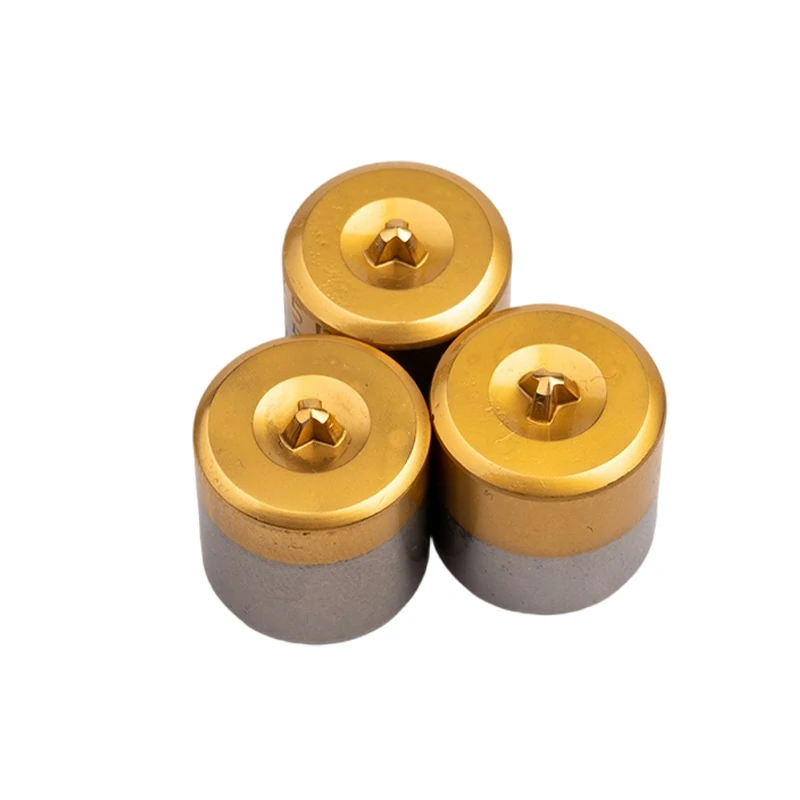
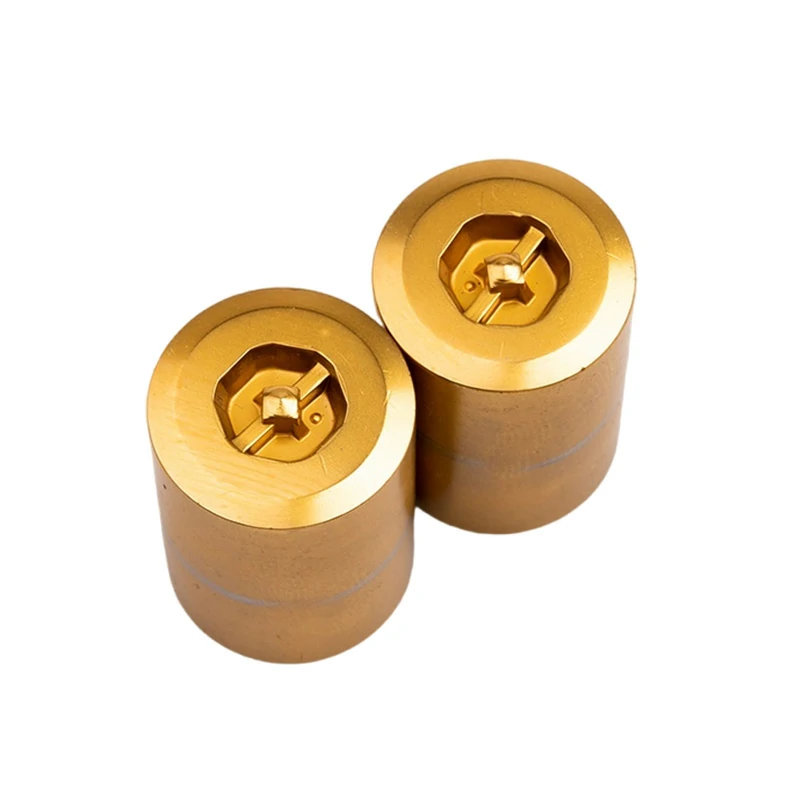
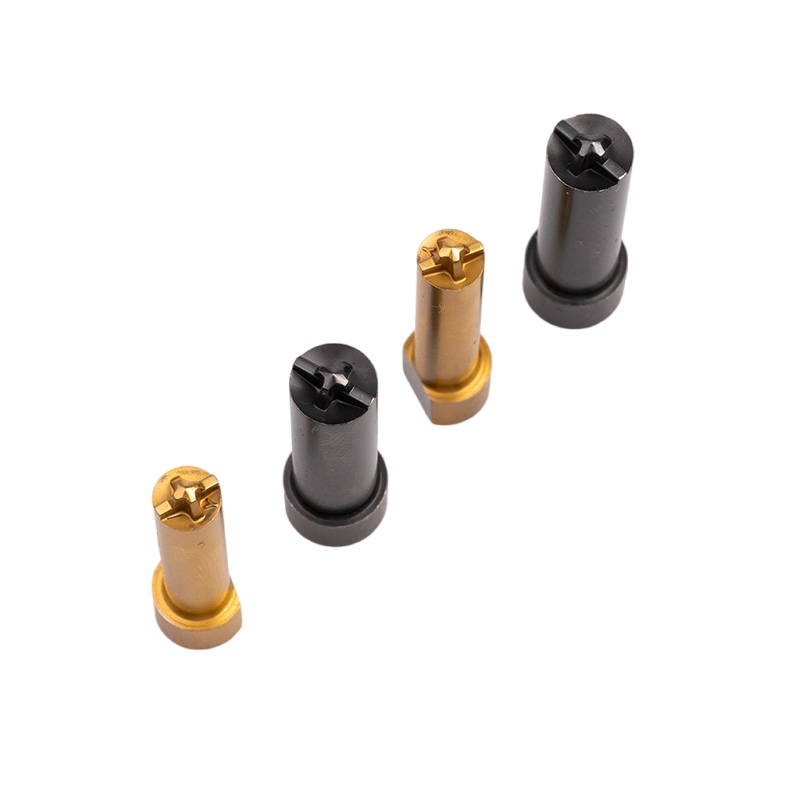
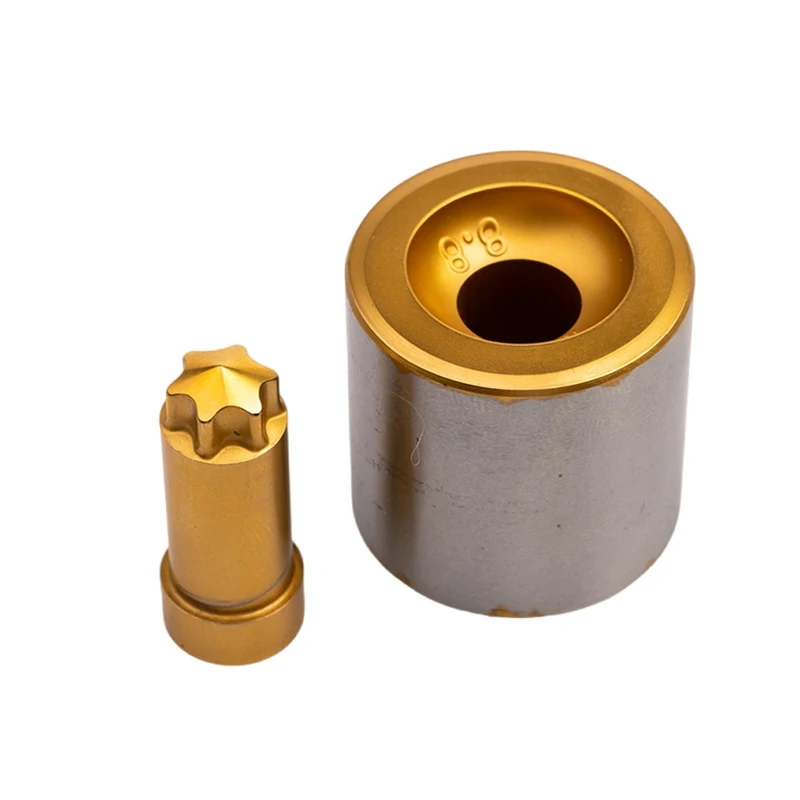
Carbide heading dies significantly improve thread quality and production efficiency by offering unparalleled hardness, wear resistance, and thermal stability compared to traditional steel dies. This results in longer production runs with minimal downtime, consistently precise thread forming, a superior surface finish on fasteners, and a substantial reduction in scrap rates. For manufacturers aiming to meet stringent quality standards while maximizing output, transitioning to tungsten carbide dies is not just an upgrade—it’s a strategic necessity for achieving a competitive edge and a higher return on investment (ROI).
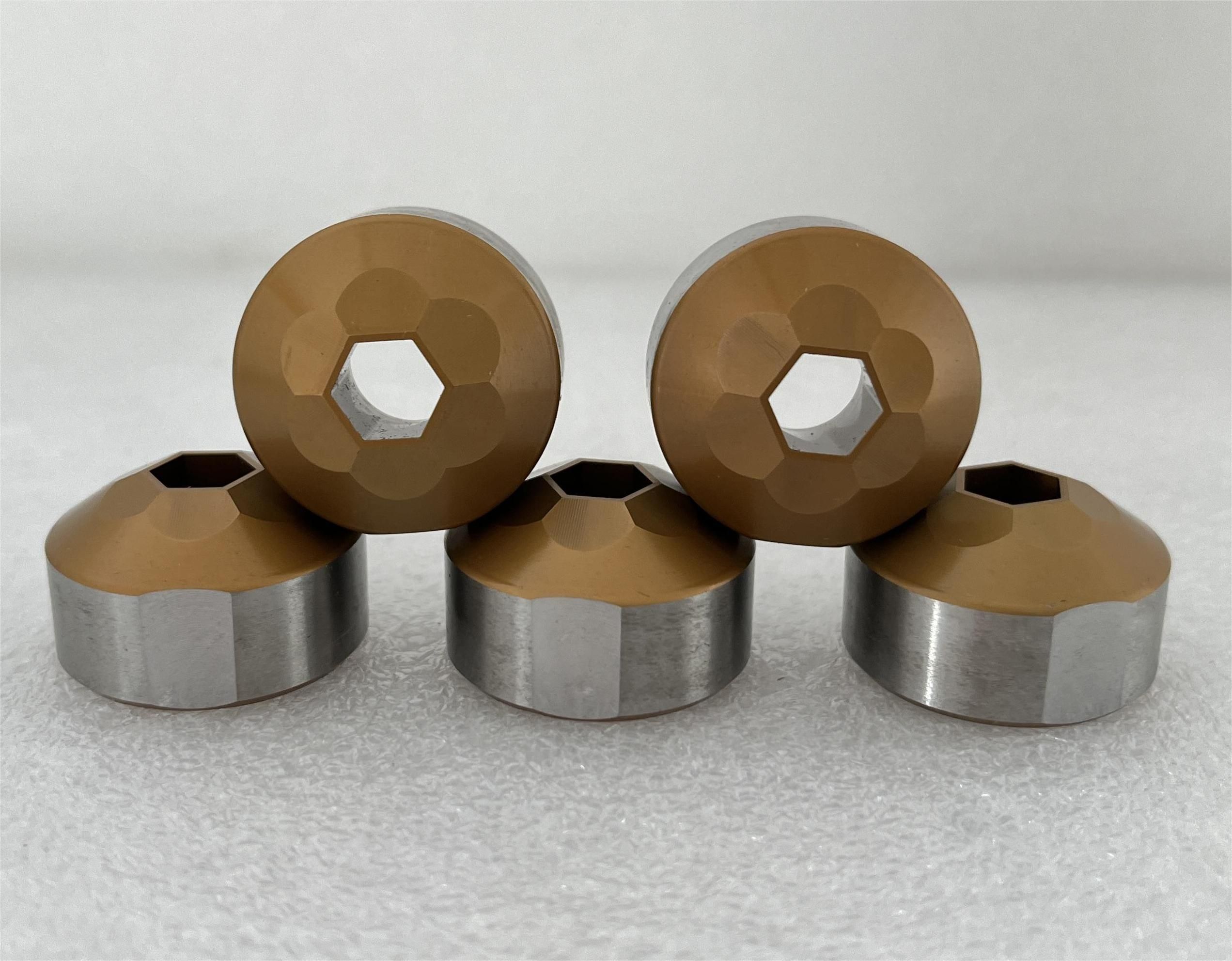
In the high-stakes world of fastener and component manufacturing, every detail matters. The demand for stronger, more reliable, and perfectly uniform screws, bolts, and custom-formed parts is constantly increasing. The tool at the very heart of this production process is the heading die. While traditional steel dies have served the industry for decades, they often fall short when faced with modern demands for speed and precision. This is where tungsten carbide heading dies emerge as the superior solution, fundamentally transforming what’s possible on the production floor. This article will explore exactly how these advanced tools deliver exceptional results, moving beyond a simple material change to a comprehensive upgrade for your entire manufacturing process.
Table of Contents
- What Are Carbide Heading Dies? The Engine of Modern Fastener Production
- Carbide vs. Steel Dies: A Head-to-Head Comparison
- Deep Dive: How Carbide Dies Directly Enhance Thread Quality
- Boosting Your Bottom Line: The Impact on Production Efficiency
- Why Choosing the Right Carbide Heading Die is Crucial
- Best Practices for Maximizing Carbide Die Performance
- Conclusion: The Clear Choice for High-Performance Manufacturing
What Are Carbide Heading Dies? The Engine of Modern Fastener Production
Before diving into the benefits, it’s essential to understand what a carbide heading die is. A heading die is a critical tool used in the cold forming or cold heading process. This process shapes a metal wire into a “blank” with a specific head geometry—the precursor to a screw or bolt before the threads are rolled. A carbide heading die is a die made from tungsten carbide, an extremely hard composite material often referred to as a “cermet” (ceramic and metal). It is created by sintering tungsten carbide (WC) particles with a metallic binder, most commonly cobalt (Co).
The unique properties of tungsten carbide make it an ideal material for high-impact, high-wear applications like cold heading. Unlike tool steel, which is a monolithic alloy, carbide’s composite structure gives it an extraordinary combination of compressive strength and wear resistance. When a wire is forced into the die cavity at immense pressures, the carbide material resists deformation, abrasion, and heat buildup far more effectively than any steel. This inherent toughness and stability are the primary reasons why carbide dies are the engine behind high-quality, high-efficiency fastener production.
Carbide vs. Steel Dies: A Head-to-Head Comparison
To truly appreciate the advantages of carbide, a direct comparison with traditional high-speed steel (HSS) or tool steel dies is necessary. While steel dies are less expensive upfront, their performance limitations become a significant liability in demanding production environments. The choice between the two materials directly impacts everything from part quality to operational costs.
The table below outlines the key differences, highlighting why the long-term value of carbide far outweighs its initial investment.
| Feature | Tungsten Carbide Dies | Traditional Steel Dies |
|---|---|---|
| Hardness (HRA) | Extremely high (typically 88-94 HRA). Resists deformation under immense pressure. | High, but significantly lower than carbide (typically 60-68 HRC). Prone to wear and deformation over time. |
| Wear Resistance | Exceptional. Die life can be 10 to 50 times longer than steel, resulting in consistent part geometry. | Good, but wears down progressively, leading to dimensional drift and frequent replacement. |
| Compressive Strength | Superior. Maintains its shape and internal cavity dimensions under extreme forming forces. | Can deform or “breathe” under high pressure, affecting part consistency. |
| Thermal Stability | Excellent heat dissipation. Allows for higher machine speeds without risk of annealing or material failure. | Can soften or lose temper at high temperatures, limiting production speed. |
| Surface Finish (Part) | Produces a smooth, gall-free surface due to low coefficient of friction. | Susceptible to galling and material pickup, which can mar the part’s surface. |
| Total Cost of Ownership | Higher initial cost, but significantly lower long-term cost due to longevity, reduced downtime, and lower scrap rates. | Lower initial cost, but higher long-term cost from frequent replacements, machine downtime, and higher scrap. |
As the comparison shows, the properties of tungsten carbide directly translate into tangible manufacturing benefits. Steel dies are a viable option for low-volume or less demanding applications, but for high-speed, high-precision manufacturing, carbide is the undisputed leader.
Deep Dive: How Carbide Dies Directly Enhance Thread Quality
The ultimate goal of any fastener manufacturer is to produce threads that are strong, precise, and consistent. Carbide heading dies play a pivotal role in achieving this, not just during heading but by creating a perfect blank for the subsequent thread-rolling stage. A flawed blank will always result in a flawed thread.
Achieving Unmatched Dimensional Accuracy and Consistency
Thread quality starts with the blank. A heading die’s primary job is to form the head and shank of the fastener blank to exact specifications. Because of its incredible hardness and compressive strength, a carbide die cavity does not deform, expand, or “breathe” under the extreme pressures of cold forming. This rigidity ensures that every single part produced, from the first to the millionth, has virtually identical dimensions. This consistency is critical for the thread-rolling process, as a uniform blank diameter allows the thread-rolling dies to form perfect, uniform threads without variations in pitch diameter or crest shape.
Delivering Superior Surface Finish
The surface of a fastener is not just for aesthetics; it impacts its performance, corrosion resistance, and how well it engages with a mating part. Tungsten carbide has a very low coefficient of friction and is highly resistant to galling—a form of wear caused by adhesion between sliding surfaces. When metal is forced into a steel die, microscopic bits of the workpiece can weld themselves to the die surface, which then tears or mars the surface of subsequent parts. Carbide’s natural lubricity and resistance to this phenomenon result in a blank with a much smoother, cleaner, and more polished surface. This superior finish carries over through the thread-rolling process, resulting in threads that are free of surface defects.
Eliminating Micro-Fractures and Material Fatigue
The flow of material during cold forming is a violent event. A smooth, well-designed die cavity is essential for ensuring the metal flows uniformly without creating internal stress points. The wear and tear on a steel die can create microscopic imperfections on its surface, which disrupt this smooth flow. This can induce micro-fractures or areas of high stress within the fastener blank, which become weak points in the final threaded part. The polished, wear-resistant surface of a carbide die promotes an uninterrupted, laminar flow of material, preserving the grain structure and creating a stronger, more fatigue-resistant final product.
Boosting Your Bottom Line: The Impact on Production Efficiency
While superior quality is a major benefit, the impact of carbide dies on production efficiency and profitability is equally compelling. In manufacturing, time is money, and uptime is paramount.
Drastically Extending Die Lifespan and Reducing Downtime
This is perhaps the most celebrated advantage of carbide dies. A typical tool steel die might last for 50,000 to 200,000 cycles before it wears out of tolerance and needs to be replaced. A well-made tungsten carbide die, under similar conditions, can often last for 1 million to 5 million cycles, or even more. This staggering increase in lifespan means that machine operators spend dramatically less time on die changes. Every die change is a period of non-productive downtime. By minimizing these interruptions, carbide dies maximize machine uptime and allow for longer, continuous production runs, directly increasing throughput.
Enabling Higher Production Speeds
Cold forming generates a significant amount of heat due to friction and material deformation. Steel dies have a limited ability to withstand and dissipate this heat. If the machine runs too fast, the heat can build up and cause the die to soften (anneal) or fail catastrophically. Tungsten carbide, on the other hand, has excellent thermal stability and can operate at much higher temperatures without losing its hardness. This property allows manufacturers to run their cold heading machines at faster speeds, increasing the number of parts produced per hour without compromising die life or part quality.
Minimizing Scrap Rates and Rework
Scrap is a direct drain on profitability. As steel dies wear, their dimensions change, and they start producing parts that are out of specification. This leads to a higher scrap rate. Because carbide dies maintain their dimensional integrity for a much longer period, the number of rejected parts is drastically reduced. The consistency they provide ensures that once a process is dialed in, it stays in spec for an extended run. This reliability not only saves material costs but also eliminates the labor and time associated with sorting and reworking faulty components.
Why Choosing the Right Carbide Heading Die is Crucial
Simply switching to “carbide” is not a complete solution. The performance of a carbide die is heavily dependent on the quality of its manufacturing, including the specific grade of carbide used and the precision of its design. Partnering with an expert die manufacturer like Xiluomold is critical to unlocking the full potential of this advanced material.
Understanding Carbide Grades and Composition
Not all tungsten carbide is created equal. It is available in numerous grades, which are defined by two main factors: the grain size of the tungsten carbide particles (from micro-grain to coarse) and the percentage of the cobalt binder (typically from 6% to 25%).
- Higher Cobalt %: Increases toughness and impact resistance but slightly reduces hardness and wear resistance. Ideal for high-impact heading operations.
- Lower Cobalt %: Increases hardness and wear resistance but makes the material more brittle. Best for applications where abrasion is the primary concern.
Selecting the correct grade is a balancing act that requires a deep understanding of the specific application, the material being formed, and the forces involved. An experienced die maker can recommend the optimal grade to ensure maximum performance and longevity.
The Importance of Precision Die Design and Geometry
The best material in the world will fail if the tool is not designed correctly. The internal geometry of the die—including angles, radii, and surface finishes—is meticulously engineered to control material flow. At Xiluomold, we utilize advanced CAD/CAM software and precision manufacturing techniques like CNC grinding and EDM to create dies with flawless geometry. A well-designed die reduces forming pressure, improves material flow, and minimizes stress on both the workpiece and the die itself, further extending its operational life and ensuring perfect part formation.
Best Practices for Maximizing Carbide Die Performance
To get the highest ROI from your investment in carbide dies, proper handling and use are essential. Follow these best practices:
- Proper Lubrication: Always use a high-quality, high-pressure lubricant appropriate for cold forming. Good lubrication reduces friction, heat, and wear.
- Precise Alignment: Ensure the die is perfectly aligned within the machine. Misalignment is a primary cause of premature die failure and chipping.
- Careful Handling: While extremely hard, carbide is more brittle than steel. Avoid dropping or subjecting the dies to sharp impacts during setup or storage.
- Regular Inspection: Periodically inspect the die cavity for any signs of chipping or wear, especially during long production runs. Early detection can prevent catastrophic failure.
Conclusion: The Clear Choice for High-Performance Manufacturing
The evidence is clear: for manufacturers who prioritize thread quality, production efficiency, and long-term profitability, tungsten carbide heading dies are the superior choice. By resisting wear, maintaining dimensional stability, and enabling higher production speeds, they solve the core challenges faced in modern fastener production. The benefits are comprehensive, leading to better products, less downtime, lower scrap rates, and a significantly improved bottom line.
While the initial cost is higher than steel, the immense increase in die life and operational efficiency delivers an exceptional return on investment. It’s a strategic upgrade that pays for itself many times over. Ready to transform your production line with the power and precision of custom-engineered carbide heading dies? Contact the experts at Xiluomold today to discuss your specific application and discover how we can help you achieve unparalleled quality and efficiency.