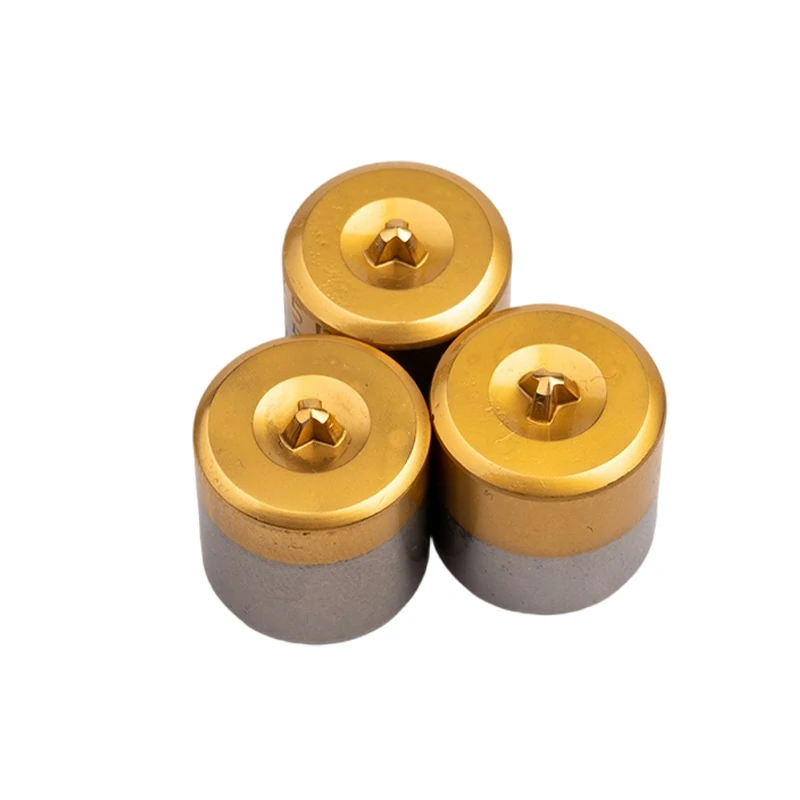
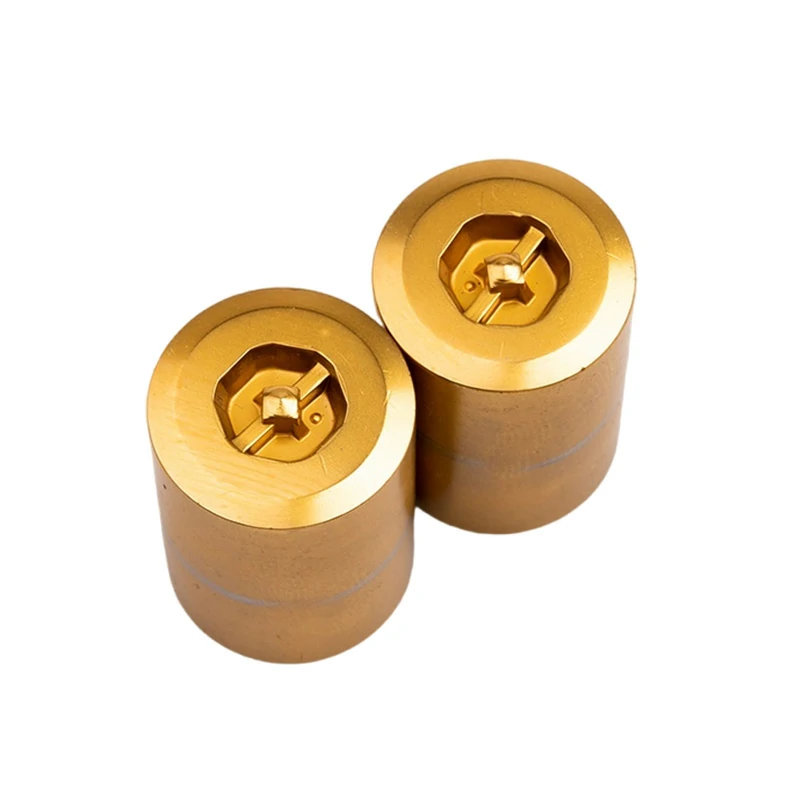
Carbide heading dies are indispensable tools in modern fastener production, offering significant advantages over traditional steel dies. For manufacturers aiming to enhance efficiency, precision, and profitability, understanding these benefits is crucial. The primary advantages of using carbide heading dies include unmatched durability and wear resistance, superior dimensional accuracy, increased productivity through high-speed operation, improved fastener surface finish, and a lower total cost of ownership (TCO), making them a strategic investment for any high-volume production line.
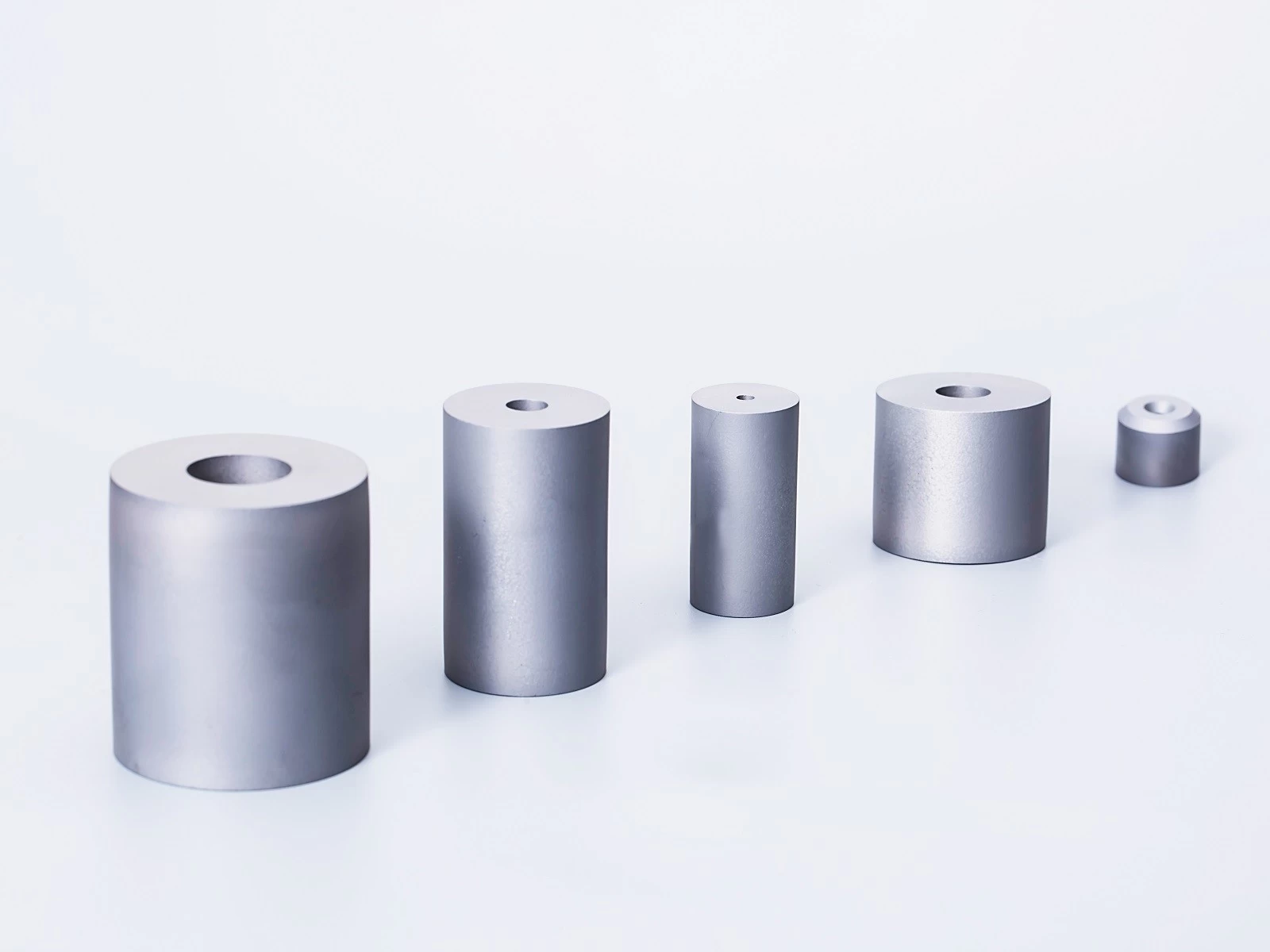
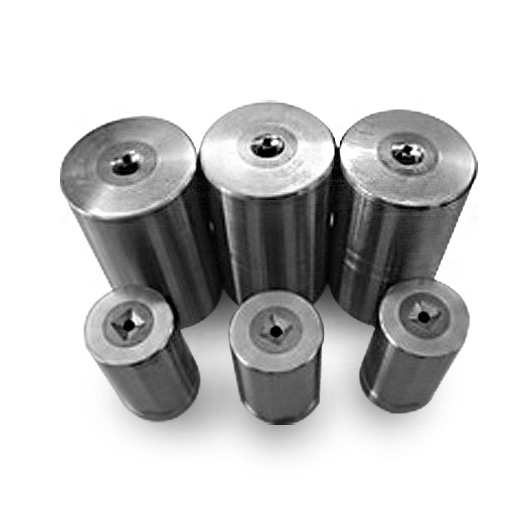
At Xiluomold, we specialize in engineering high-performance tooling solutions that empower our clients. This article delves into the five key advantages of integrating tungsten carbide heading dies into your fastener manufacturing process, providing an in-depth analysis to help you make informed decisions for your operations. We will explore how these advanced tools can revolutionize your production floor, from extending tool life to elevating the quality of your final product.
Table of Contents
- What Are Heading Dies and Their Role in Fastener Production?
- Five Key Advantages of Carbide Heading Dies
- Carbide vs. Steel Dies: A Comparative Analysis
- How Do You Choose the Right Carbide Heading Die?
- Conclusion: Partner with a Carbide Die Expert for Optimal Performance
What Are Heading Dies and Their Role in Fastener Production?
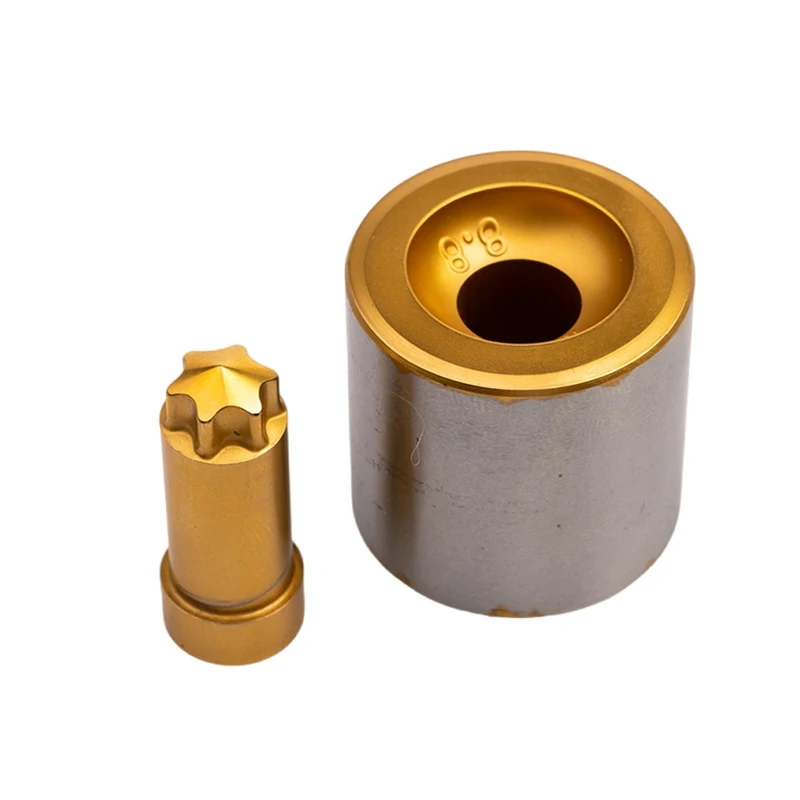
Before exploring the advantages of carbide, it’s essential to understand the function of a heading die. In the world of cold forming or cold heading, a heading die is a critical piece of tooling that shapes a metal wire blank into a specific geometry, forming the head of a fastener like a screw, bolt, or rivet. This process involves exerting immense pressure to force the metal to flow and conform to the die’s internal cavity. The die’s material, design, and precision directly impact the efficiency of the manufacturing process and the quality of the final fastener.
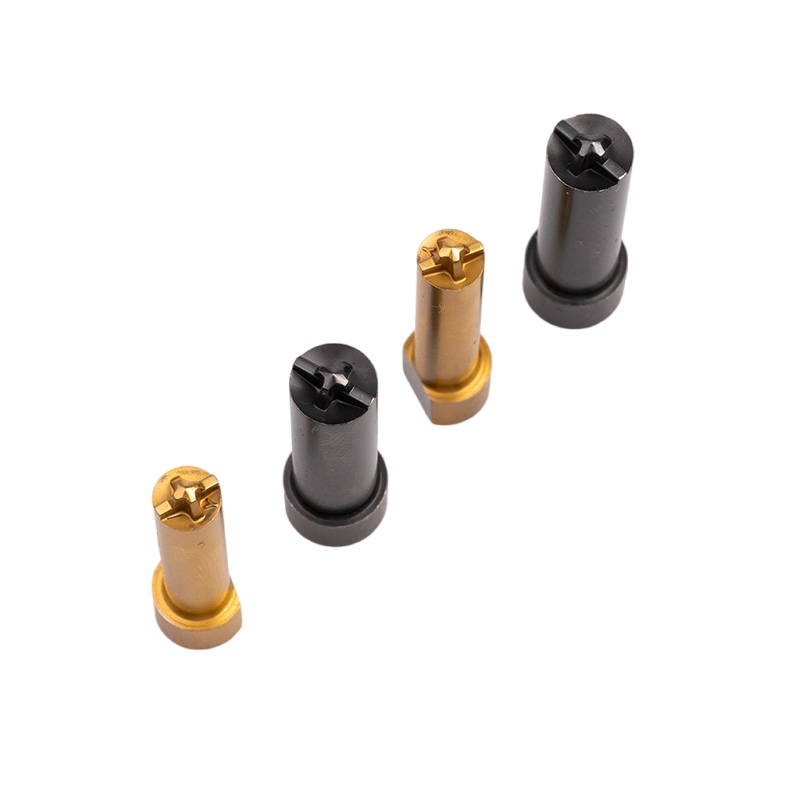
The heading die works in conjunction with a punch. A wire is fed into the cold heading machine, cut to a precise length, and then struck one or more times by the punch, forcing it into the die cavity. This high-impact, high-pressure environment is incredibly demanding on the tooling. Therefore, the material chosen for the die must withstand extreme forces, abrasion, and heat generation without failing or losing its dimensional integrity. This is precisely where the unique properties of tungsten carbide come into play, setting it apart as the premier material for high-performance heading dies.
Five Key Advantages of Carbide Heading Dies
Switching from traditional tool steels to tungsten carbide for your heading dies is not just an upgrade; it’s a strategic move towards operational excellence. Let’s explore the five core benefits that make carbide heading dies the industry standard for serious fastener producers.
1. Unmatched Durability and Wear Resistance
The number one advantage of tungsten carbide (WC) is its extraordinary hardness and wear resistance. Ranking just below diamond on the Mohs hardness scale, carbide is significantly harder and more durable than even the toughest tool steels. This translates directly to a longer tool life. While a steel die might produce tens of thousands of parts before needing replacement, a high-quality carbide heading die can often produce hundreds of thousands or even millions of parts under the same conditions.
This exceptional durability stems from carbide’s material composition—a composite of hard carbide particles bonded together by a metallic binder, typically cobalt. This structure provides incredible compressive strength and resistance to abrasive wear caused by the constant flow of metal during forming. Furthermore, it resists galling (a form of wear caused by adhesion between sliding surfaces) and deformation under pressure. This means less frequent tool changes, significantly reduced machine downtime, and more consistent production runs, which are critical for meeting demanding schedules.
2. Superior Precision and Dimensional Accuracy
In fastener production, consistency is key. Every screw or bolt must meet tight dimensional tolerances to ensure proper fit and function. The superior stiffness and thermal stability of tungsten carbide ensure that the die cavity retains its precise shape and size for a much longer period compared to steel. Steel dies can “breathe” or slightly deform under the immense pressures of cold heading, leading to dimensional variations in the final parts over the course of a production run.
Carbide’s high modulus of elasticity (a measure of stiffness) means it deforms far less under load. This results in fasteners with exceptional dimensional consistency from the first part to the last. This is particularly crucial for producing complex, high-precision, or safety-critical fasteners used in the automotive, aerospace, and medical industries. By using precision cold forming tools from Xiluomold, you can ensure that every part you produce adheres to the most stringent quality standards.
3. Enhanced Productivity and High-Speed Operation
The goal of any manufacturer is to maximize output without sacrificing quality. Carbide heading dies are a key enabler of high-speed fastener manufacturing. Their excellent thermal conductivity allows them to dissipate the heat generated during the rapid cold forming process more effectively than steel. This thermal management reduces the risk of overheating, which can lead to tool failure and part defects.
Because they wear out so slowly and resist the heat and pressure of rapid cycling, carbide dies allow machines to be run at significantly higher speeds. Increased strokes-per-minute directly translate to higher output and improved operational efficiency. The combination of reduced downtime for tool changes and faster machine operation means a dramatic increase in overall productivity, allowing you to produce more parts in less time and lower the cost-per-part.
4. Improved Surface Finish and Product Quality
The surface finish of a fastener is not just cosmetic; it can affect its performance, resistance to corrosion, and ability to accept coatings or platings. The extremely fine and polishable surface of a carbide die, combined with its resistance to galling and material pickup, imparts a superior surface finish on the formed fastener. As a steel die begins to wear, its surface can become rough, transferring imperfections to the parts being produced.
Carbide dies maintain their smooth, highly polished internal surface for a much longer duration. This results in cleaner, shinier fasteners with fewer surface defects. For applications where aesthetics are important or where a smooth surface is critical for subsequent processes like plating or thread rolling, the quality improvement offered by carbide dies is a significant advantage. This commitment to quality reflects positively on your brand and reduces part rejection rates.
5. Lower Total Cost of Ownership (TCO) Over Time
One of the initial hesitations for some manufacturers is the higher upfront cost of carbide heading dies compared to steel. However, focusing solely on the purchase price is shortsighted. The true financial benefit lies in the lower Total Cost of Ownership (TCO). While a carbide die costs more initially, its vastly extended tool life and impact on productivity deliver substantial long-term savings.
Consider the factors that contribute to TCO:
- Reduced Tooling Cost: One carbide die can outlast 10 or more steel dies, drastically reducing the annual budget for replacement tooling.
- Less Machine Downtime: Fewer tool changes mean more uptime for production, directly increasing revenue-generating activity.
- Lower Labor Costs: Less time spent by operators setting up machines and changing dies means labor can be allocated to more value-added tasks.
- Reduced Scrap Rate: The consistent precision of carbide dies leads to fewer rejected parts, saving material and production costs.
When all these factors are accounted for, the investment in tungsten carbide tooling provides a clear and compelling return, making it the most economically sound choice for high-volume fastener production.
Carbide vs. Steel Dies: A Comparative Analysis
To crystallize the differences, a direct comparison is often helpful. The choice between carbide and steel depends on production volume, material being formed, and quality requirements. For low-volume or prototype runs, steel may suffice. But for serious, high-volume manufacturing, carbide is the clear winner.
| Feature | Tungsten Carbide Dies | High-Speed Steel (HSS) Dies |
|---|---|---|
| Tool Life | Exceptional (10x to 20x+ longer than steel) | Standard |
| Wear Resistance | Extremely High | Good |
| Production Speed | Very High | Moderate |
| Dimensional Stability | Excellent | Fair to Good |
| Part Surface Finish | Superior | Good, but degrades with wear |
| Upfront Cost | Higher | Lower |
| Total Cost of Ownership (TCO) | Much Lower | Higher |
How Do You Choose the Right Carbide Heading Die?
Selecting the optimal carbide heading die involves more than just ordering a part; it requires a careful consideration of several factors. What makes a carbide die superior for a specific application depends on its design and material grade. You should consider the type of fastener being produced, the material of the wire (e.g., steel, stainless steel, aluminum), the complexity of the head shape, and the specifics of your cold heading machine.
Key considerations include:
- Carbide Grade: Different grades of carbide offer varying balances of hardness and toughness. A harder grade provides better wear resistance but may be more brittle, while a tougher grade can better withstand high-impact shocks. Choosing the right grade is critical.
- Die Design: The internal geometry, relief angles, and overall construction of the die must be optimized for smooth material flow and long life.
- Manufacturer Expertise: Partnering with a manufacturer like Xiluomold, who has deep expertise in both material science and tooling design, is crucial. An experienced partner can help you select the perfect grade and design for your unique application, ensuring you get the maximum performance out of your investment.
Conclusion: Partner with a Carbide Die Expert for Optimal Performance
In summary, the transition to tungsten carbide heading dies is a proven strategy for fastener manufacturers looking to gain a competitive edge. The five key advantages—durability, precision, productivity, quality, and lower TCO—combine to create a powerful value proposition that directly impacts your bottom line. These are not just incremental improvements; they are transformative benefits that redefine what is possible in high-volume fastener production.
At Xiluomold, we don’t just sell dies; we provide engineered solutions. With our deep understanding of cold forming tooling and advanced materials, we are dedicated to helping our clients optimize their production processes. If you are ready to unlock the full potential of your fastener manufacturing operations, we invite you to reach out to our team of experts. Let us help you engineer the perfect carbide heading die solution for your specific needs and drive your business forward.
Long-tail Keywords: Five key advantages of carbide heading dies, benefits of tungsten carbide in tooling, carbide vs steel heading dies, high-speed fastener manufacturing, precision cold forming, what are heading dies used for, extending tool life in fastener production, lower total cost of ownership tooling, how do you choose the right carbide heading die, what makes carbide dies superior