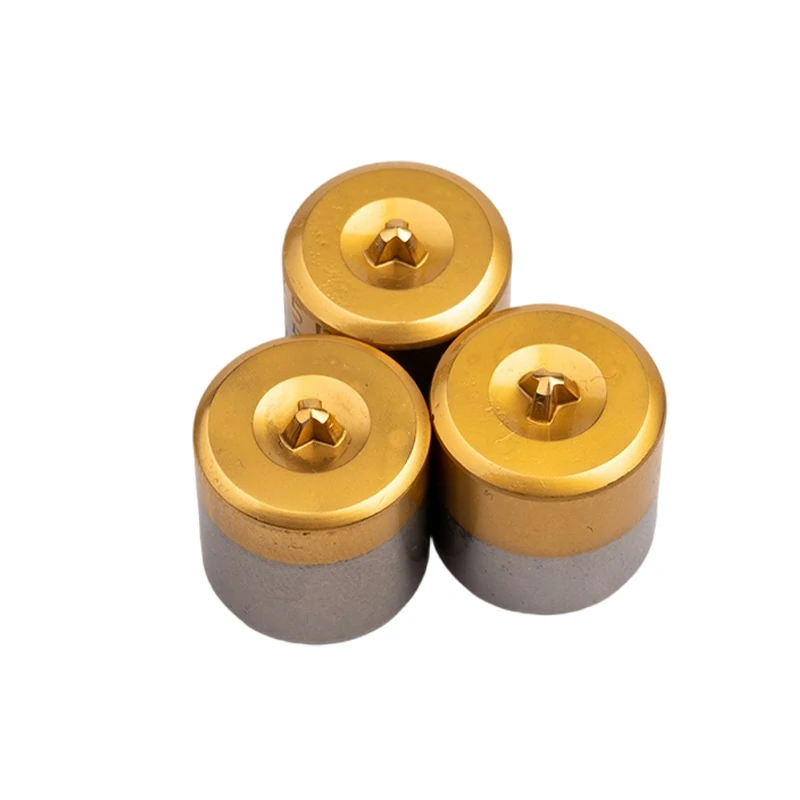
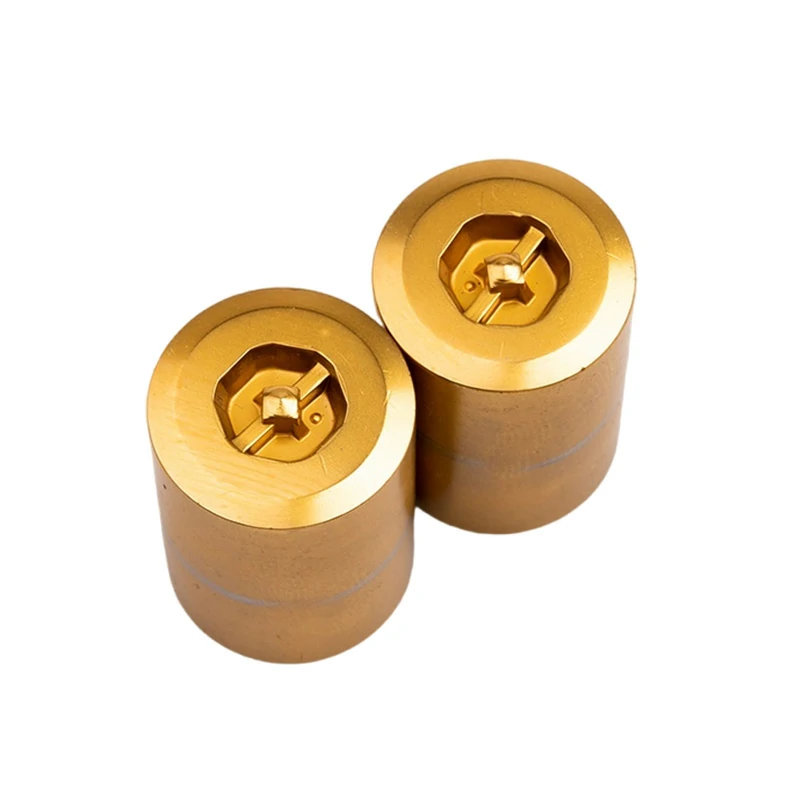
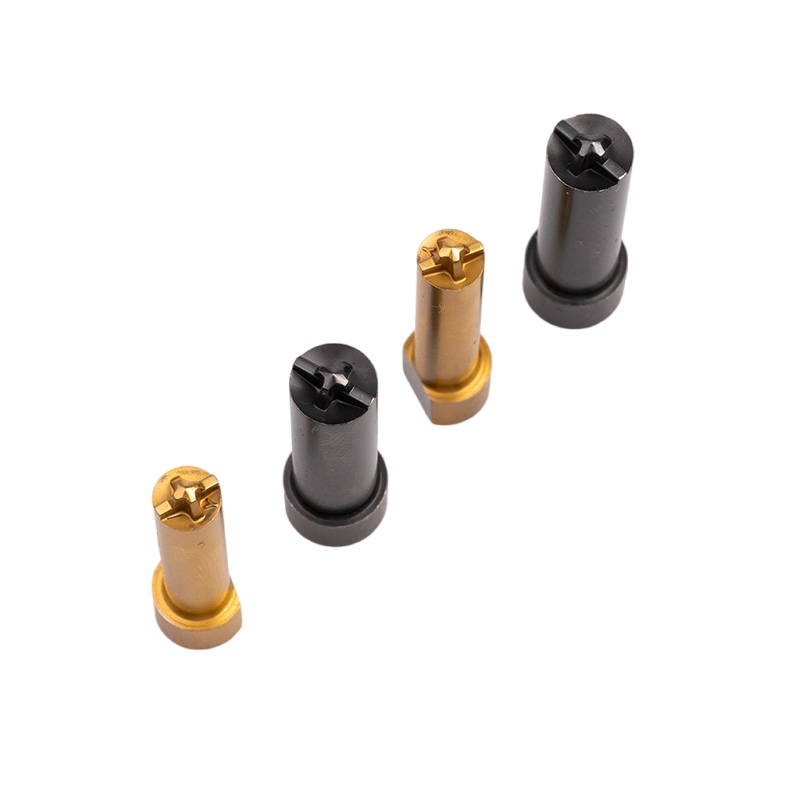
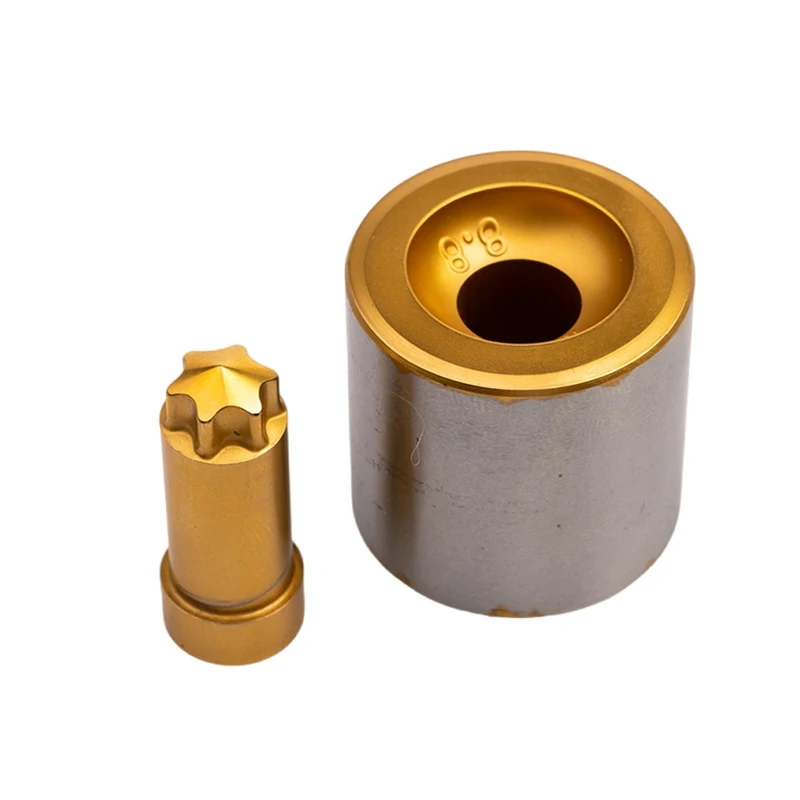
Tungsten carbide heading dies are critical components in the cold forming industry, used to manufacture fasteners like screws, bolts, and rivets with exceptional precision and durability. Valued for their extreme hardness, superior wear resistance, and ability to withstand high pressures, these dies shape metal wire into specific head forms. Their unique properties, derived from a composite of tungsten carbide particles and a metallic binder like cobalt, allow for high-speed, high-volume production while maintaining tight tolerances and extending tool life far beyond that of traditional steel dies. For any manufacturing operation focused on efficiency and quality, understanding the nuances of tungsten carbide heading dies is essential.
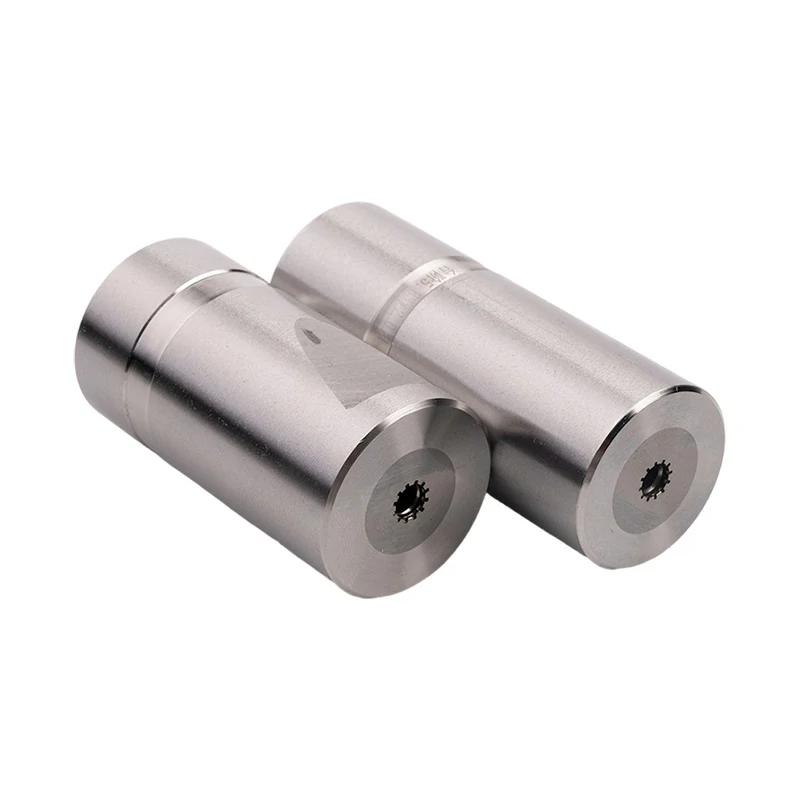
What Are Tungsten Carbide Heading Dies? A Deep Dive
Tungsten carbide heading dies, often simply called carbide dies, are specialized tooling components at the heart of the cold heading or cold forming process. Cold forming is a manufacturing method where metal wire, typically at room temperature, is forced into a die cavity under immense pressure to form a specific shape. The “heading” part of the name refers to the primary function of these dies: creating the head of a fastener, such as the hexagonal head of a bolt or the slotted head of a screw.
Unlike dies made from tool steel, tungsten carbide dies are not a single metal. They are a composite material made through a process called powder metallurgy. This involves mixing fine powders of tungsten carbide (WC), an extremely hard ceramic, with a softer, more ductile metallic binder, most commonly cobalt (Co). This mixture is pressed into the desired shape and then sintered at high temperatures. During sintering, the cobalt binder melts and fuses the tungsten carbide grains together, creating a dense, incredibly hard matrix. This composite structure is the secret to their success: the hard WC particles provide wear resistance, while the cobalt binder gives the die the toughness needed to resist fracturing under the intense, repetitive impacts of the heading process.
The Critical Role of Heading Dies in Cold Forming
The cold forming process is a marvel of efficiency, and heading dies are its star players. Imagine a continuous spool of metal wire being fed into a cold heading machine. Here’s a simplified breakdown of the die’s role:
- Shearing: The machine first cuts a precise length of wire, known as a “blank.”
- Positioning: This blank is transferred and held securely in front of the heading die.
- Forming: A powerful punch ram strikes the end of the blank with tremendous force, pushing the metal into the die’s intricately shaped cavity. The metal flows like a very thick liquid, filling the cavity and taking its shape.
- Ejection: The newly formed fastener head is ejected from the die, and the cycle repeats—often hundreds of times per minute.
The heading die must perform this cycle millions of times without significant wear or failure. Any dimensional change in the die cavity, even by a few microns, will result in out-of-spec products. This is why the material properties of tungsten carbide are not just a benefit; they are a necessity for modern, high-volume fastener production.
Why Choose Tungsten Carbide Over Other Materials?
While tool steels were the original material for heading dies, tungsten carbide has become the industry standard for most applications. The comparison reveals a clear winner in terms of performance, longevity, and long-term cost-effectiveness.
Unmatched Hardness and Wear Resistance
The most significant advantage of tungsten carbide is its exceptional hardness. On the Rockwell hardness scale, tungsten carbide grades typically range from 88 to 92 HRA, whereas hardened tool steels usually top out around 65-70 HRC (a different scale, but significantly softer). This extreme hardness translates directly into superior abrasion resistance. As metal wire is forced into the die, it creates immense friction. Softer steel dies wear down quickly, altering the die cavity and producing oversized or misshapen parts. Tungsten carbide withstands this abrasive action for a much longer period, ensuring consistent part quality over millions of cycles.
Superior Compressive Strength and High-Temperature Performance
Cold heading generates not only friction but also intense localized heat and immense pressure. Tungsten carbide possesses a very high compressive strength, meaning it can resist being crushed or deformed under the extreme forces of the heading punch. It also maintains its hardness at elevated temperatures (known as “hot hardness”) far better than steel. While the process is called “cold” forming, friction can heat the die surface to several hundred degrees. Steel would begin to soften at these temperatures, leading to rapid wear and failure. Tungsten carbide remains hard and stable, ensuring uninterrupted production.
Corrosion Resistance and Surface Finish
The cobalt binder in tungsten carbide provides good resistance to corrosion and oxidation, which can be a problem with standard tool steels. Furthermore, the ability to polish the die’s internal surfaces to a mirror-like finish is a critical factor. A smoother surface reduces friction during the forming process, which not only improves material flow and prevents defects but also further extends the life of the die. This excellent surface finish is directly transferred to the finished product, resulting in high-quality fasteners with clean, precise head forms.
| Property | Tungsten Carbide Dies | High-Speed Steel (HSS) Dies |
|---|---|---|
| Hardness | Extremely High (88-92 HRA) | High (62-67 HRC) |
| Wear Resistance | Exceptional. Ideal for millions of cycles. | Good, but wears significantly faster than carbide. |
| Compressive Strength | Very High. Resists deformation under extreme pressure. | Good, but susceptible to deformation under high loads. |
| Tool Life | Significantly longer, often 10-50x that of steel. | Shorter. Requires more frequent replacement. |
| Initial Cost | Higher | Lower |
| Cost Per Piece | Lower, due to extended life and reduced downtime. | Higher, due to frequent tool changes and machine downtime. |
The Manufacturing Process of a Tungsten Carbide Heading Die
Creating a high-precision tungsten carbide die is a multi-step, technologically advanced process that demands expertise and meticulous quality control. At XiLuo Mold, we have perfected this process to deliver dies that meet the most demanding specifications.
Step 1: Material Selection and Powder Preparation
The journey begins with selecting the right “grade” of tungsten carbide. This is a critical decision based on the application. Grades vary by the size of the tungsten carbide grains (from sub-micron to coarse) and the percentage of cobalt binder (typically from 6% to 25%). A higher cobalt content increases toughness but slightly reduces hardness. For heading softer materials, a harder grade might be chosen. For forming harder alloys or complex shapes that exert more stress, a tougher, more cobalt-rich grade is preferred. The chosen WC and Co powders are then meticulously mixed to ensure a perfectly homogeneous blend.
Step 2: Compaction and Green Machining
The powder mixture is loaded into a die and compacted under high pressure to form a “green” compact. This compact is chalk-like in consistency and can be handled, but it is fragile. At this stage, it can be easily machined—a process called green machining. Basic features of the die’s shape can be milled or turned into the compact before it becomes too hard to work with easily. This step is crucial for creating complex geometries efficiently.
Step 3: Sintering – The Heart of the Process
The green compact is placed in a high-temperature vacuum furnace for sintering. The temperature is raised above the melting point of cobalt (around 1400°C or 2550°F). The molten cobalt flows into the voids between the tungsten carbide particles, acting like a glue. This process eliminates porosity and causes the part to shrink significantly (up to 20-25% in volume), resulting in a fully dense, extremely hard final piece. Precise control over the sintering cycle is vital to achieve the desired material properties.
Step 4: Precision Finishing and Polishing
After sintering, the die is nearly as hard as a diamond, making further machining extremely difficult. Finishing processes require specialized grinding and erosion techniques:
- Grinding: Diamond grinding wheels are used to achieve precise outer dimensions and flat surfaces.
- Electrical Discharge Machining (EDM): Wire EDM and Sinker EDM are used to create the intricate internal profile of the die cavity with extreme accuracy. An electric spark erodes the material, allowing for the creation of sharp corners and complex shapes that would be impossible to machine otherwise.
- Polishing: Finally, the internal cavity is painstakingly polished using diamond pastes. This creates a mirror-like surface finish that is essential for reducing friction, improving material flow, and ensuring a high-quality finish on the final product.
Types of Tungsten Carbide Heading Dies
Heading dies are not one-size-fits-all. They are designed for specific stages of the forming process and for creating different fastener geometries. Understanding the common types is key to appreciating their function within a cold heading machine.
First Punch / Upsetting Dies
The first stage in a multi-blow heading process often involves a first punch die, also known as an upsetting or gathering die. This die’s primary function is not to create the final shape but to pre-form the blank. It gathers a specific volume of material at the end of the wire, preparing it for the final heading blow. This controlled upsetting ensures that there is enough material in the right place to fully form the final head shape without defects like folds or cracks.
Finish Heading Dies
This is the die that imparts the final, precise geometry onto the fastener head. Its internal cavity is a perfect negative of the desired head shape, whether it’s a hex, round, flat, or custom design. The precision and finish of this die directly determine the final quality and dimensional accuracy of the manufactured part. These dies are subject to the highest stresses and wear, making the use of high-quality tungsten carbide essential.
Segmented / Hex Insert Dies
For complex shapes like hexagonal bolt heads, a single, solid carbide die can be extremely expensive and difficult to manufacture. A more economical and practical solution is the segmented heading die. This design consists of a tough steel casing that holds multiple (typically six) precision-ground tungsten carbide inserts or “segments.” Together, these segments form the hexagonal cavity. This approach offers several advantages:
- Cost-Effectiveness: If one segment wears out or is damaged, only that single piece needs to be replaced, not the entire die assembly.
- Precision: It allows for extremely tight tolerances on the flats and corners of the hex shape.
- Durability: The steel case provides robust support for the carbide inserts, helping them withstand the immense radial forces of the heading process.
How to Maximize the Lifespan of Your Tungsten Carbide Dies
Investing in high-quality carbide dies is only the first step. Proper use, handling, and maintenance are critical for maximizing their lifespan and achieving the best return on investment. Neglecting these practices can lead to premature failure and costly downtime.
Proper Setup and Alignment
The single most important factor in die life is perfect alignment within the heading machine. The punch and die must be perfectly concentric. Any misalignment will cause uneven force distribution, leading to chipping on one side of the die and premature, asymmetrical wear. Use precision alignment tools and ensure the machine is well-maintained to prevent shifts during operation.
Lubrication: The Unsung Hero
Lubrication is not optional; it is essential. A high-quality heading lubricant performs several critical functions:
- Reduces Friction: It creates a thin film between the workpiece and the die, preventing direct metal-to-metal contact and drastically reducing wear.
- Cools the Tooling: It dissipates the heat generated by friction and plastic deformation.
- Aids Ejection: It helps prevent the formed part from sticking in the die cavity.
Ensure a consistent and clean supply of the correct lubricant. Contaminated lubricant containing metal fines can act as an abrasive, accelerating die wear.
Regular Inspection and Polishing
Don’t wait for a die to fail. Implement a schedule for regular inspection. Remove the die from the machine and examine the internal cavity under magnification for signs of wear, micro-chipping, or “heat checking” (fine cracks on the surface). If minor wear or galling is detected, a light re-polishing can often restore the surface finish and significantly extend the die’s usable life. This proactive maintenance is far more cost-effective than running a die to catastrophic failure.
Choosing the Right Tungsten Carbide Die Manufacturer
The quality of your heading dies is a direct reflection of your manufacturer’s expertise and commitment. When selecting a partner like XiLuo Mold, you are investing in reliability, precision, and performance. Here’s what to look for in a top-tier supplier:
Material Expertise: Does the manufacturer have a deep understanding of different tungsten carbide grades and their applications? Can they recommend the optimal grade (grain size, binder percentage) for your specific material and part geometry? At XiLuo Mold, our engineers work with you to select the perfect material for maximum performance.
Advanced Manufacturing Capabilities: A leading manufacturer must invest in state-of-the-art technology. This includes precision powder blending systems, high-temperature sintering furnaces with precise atmospheric control, and advanced finishing equipment like high-precision CNC grinders and Wire EDM machines. These technologies are essential for achieving the tight tolerances and superior finishes that modern manufacturing demands.
Stringent Quality Control: Quality cannot be an afterthought. Look for a manufacturer with a robust quality management system. This should include in-process inspections at every stage, from powder analysis to final dimensional verification using advanced metrology equipment. Every die leaving our facility at XiLuo Mold is guaranteed to meet or exceed your specifications.
Engineering Support and Partnership: The best suppliers act as partners, not just vendors. They offer design support to optimize die performance, troubleshoot production issues, and work collaboratively to improve tool life and reduce your overall costs. We pride ourselves on building long-term relationships with our clients, offering expert support to ensure your success.
By partnering with an experienced and technologically advanced manufacturer like XiLuo Mold, you ensure that your investment in tungsten carbide heading dies translates into superior product quality, increased uptime, and a more profitable operation.