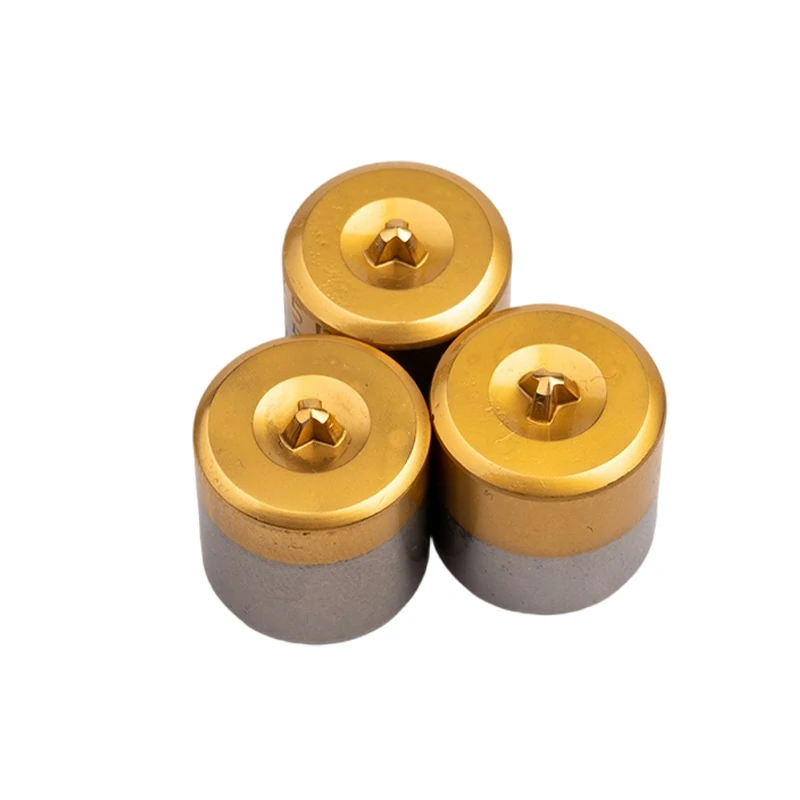
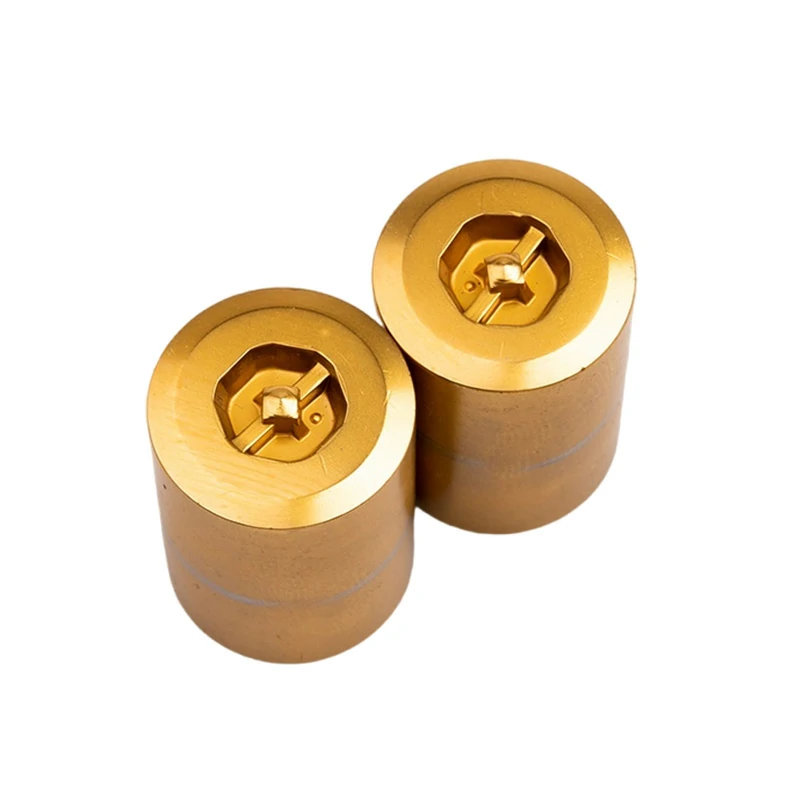
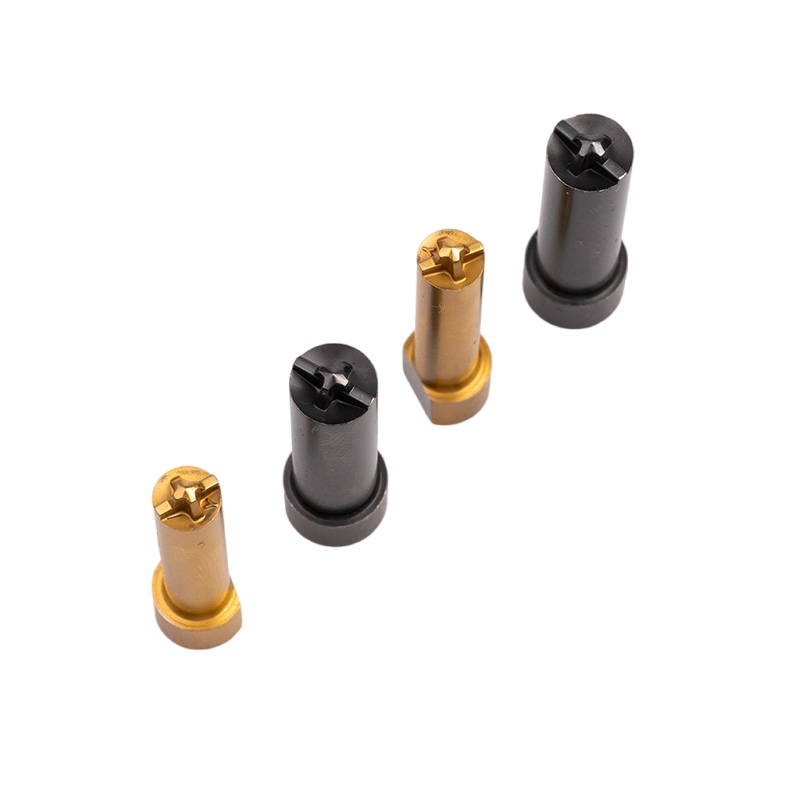
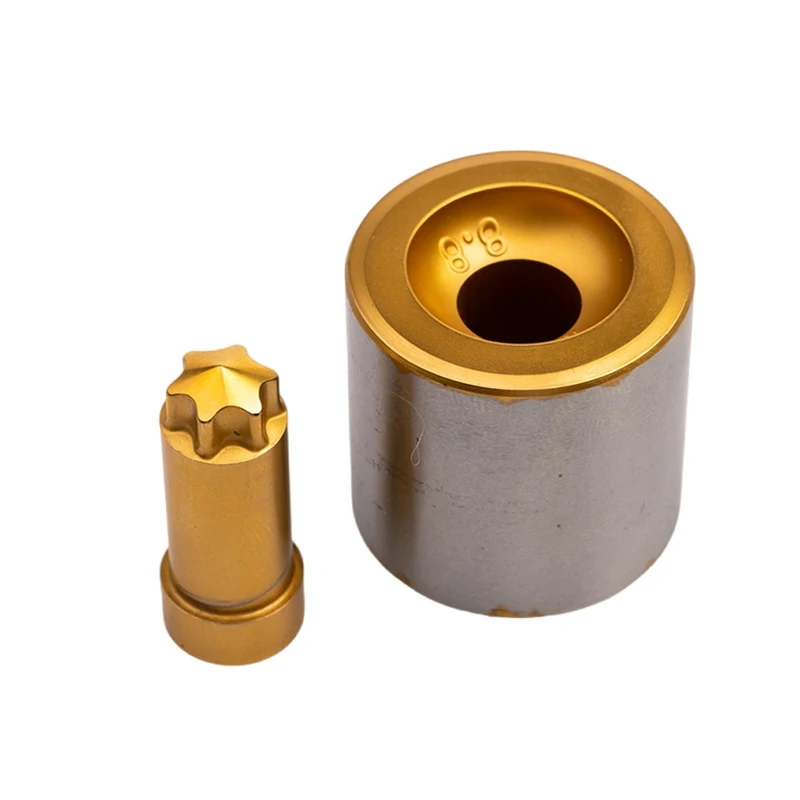
In the high-pressure world of cold forming, the cold heading die is the heart of the operation. It is subjected to immense cyclical stresses, high pressures, and abrasive forces with every part it produces. Consequently, die failure is not a matter of *if*, but *when*. However, by understanding the mechanisms behind these failures, manufacturers can transition from a reactive to a proactive maintenance and procurement strategy. This guide provides an in-depth analysis of the common failure types seen in cold heading dies, exploring their causes and, most importantly, the engineering and operational strategies to prevent them. A well-designed, expertly manufactured die isn’t an expense; it’s a critical investment in operational efficiency and profitability.
Why Understanding Die Failure is Crucial for Your Bottom Line
Die failures are far more than just a broken piece of tooling. They have a cascading effect on the entire production line, leading to significant and often hidden costs. Recognizing these impacts highlights the importance of investing in high-quality, durable cold heading dies.
- Unplanned Downtime: The most immediate cost is production stoppage. Every minute the press is idle is a minute of lost revenue and wasted labor.
- Reduced Part Quality: A wearing or deforming die will produce out-of-spec parts, leading to increased scrap rates, costly rework, or even customer rejections and reputational damage.
- Damage to Equipment: A catastrophic die failure can cause collateral damage to the heading machine itself, leading to even more extensive and expensive repairs.
- Increased Tooling Costs: Premature failures mean more frequent die replacements, driving up the annual tooling budget and negating any savings from purchasing cheaper, lower-quality dies.
Ultimately, a deep understanding of failure modes allows you to make informed decisions about die design, material selection, and operational practices, transforming tooling from a liability into a competitive advantage.
The Major Categories of Cold Heading Die Failure
Cold heading die failures can be broadly classified into four primary categories. While they can sometimes occur in combination, identifying the dominant failure mode is key to effective troubleshooting. We will explore each of these in detail.
Failure Mode 1: Fracture and Cracking
Fracture is a catastrophic failure, often occurring without warning and resulting in a complete loss of the die. It is typically caused by stresses exceeding the ultimate tensile strength of the die material.
Gross Cracking (Overload Fracture)
What is it? This is a sudden, large-scale fracture that splits the die into two or more pieces. It is the most dramatic and dangerous type of failure.
Common Causes:
- Stress Concentrators: Sharp internal corners, stamp marks, or rough machine finishes in high-stress areas act as initiation points for cracks. Good die design mandates generous radii in all corners.
- Material Defects: Internal flaws within the tool steel or carbide, such as inclusions or voids, can act as internal stress risers.
- Massive Overload: A significant setup error, a misfeed of raw material, or the introduction of a foreign object can create a single-cycle stress event that instantly fractures the die.
- Improper Press Fit: An excessively tight interference fit between the die insert and the casing can induce high residual tensile stresses, making the die much more susceptible to fracture under operational load.
How to Prevent It: Prevention begins in the design phase. At Xiluomold, our design process utilizes Finite Element Analysis (FEA) to identify and eliminate stress concentration points. We also insist on using high-purity, certified tool steels and carbide grades with rigorous quality control to ensure no internal defects. Proper press fit calculations and careful assembly are final, crucial steps.
Thermal Fatigue Cracking (Heat Checking)
What is it? This appears as a network of fine, shallow cracks on the die surface, often resembling a spiderweb. It’s caused by the cyclical heating and cooling of the die surface during high-speed operation, especially when lubrication is insufficient.
Common Causes:
- Inadequate Lubrication: The primary cause. Lubrication’s dual role is to reduce friction and dissipate heat. Poor lubrication leads to a rapid temperature spike on the die surface with every stroke.
- High Operating Speeds: Faster cycle times mean less time for heat to dissipate, exacerbating thermal shock.
- Material Choice: Some materials have lower thermal shock resistance than others.
How to Prevent It: The key is a robust lubrication strategy using high-quality lubricants with excellent cooling properties. Selecting a carbide grade with high hot hardness and good thermal conductivity can also significantly mitigate the risk. Slowing the machine speed, if possible, can also help.
Failure Mode 2: Progressive Wear
Unlike fracture, wear is a gradual loss of material from the die surface. While less dramatic, it is a primary driver of part quality degradation and eventually leads to the die being taken out of service.
Abrasive Wear
What is it? This is the physical scraping or grinding away of the die surface by hard particles. It often appears as scratches or grooves aligned with the direction of material flow.
Common Causes:
- Scale and Oxides: Hard, abrasive oxides on the surface of the workpiece material (wire) are a major culprit.
- Contaminants: Dirt, metallic debris, or other contaminants in the lubricant or on the wire can get trapped and abrade the die.
- Workpiece Hardness: Forming materials with hard inclusions or a high base hardness will naturally accelerate abrasive wear.
How to Prevent It: Ensuring the cleanliness of the raw material is paramount. Using pre-treated or descaled wire can make a huge difference. Implementing a high-quality filtration system for the lubricant is also critical. From a die perspective, using highly wear-resistant carbide grades or applying advanced surface coatings like PVD (Physical Vapor Deposition) or CVD (Chemical Vapor Deposition) can create a much harder, more resilient working surface.
Adhesive Wear (Galling)
What is it? This occurs when microscopic “cold welds” form between the workpiece and the die surface due to high localized pressure and friction. As the workpiece moves, these welds are torn apart, pulling material from the die surface and leaving a rough, pitted appearance.
Common Causes:
- Poor Lubricity: The lubricant film breaks down, allowing direct metal-to-metal contact.
- Chemical Affinity: Some workpiece materials have a greater chemical affinity for the die material, promoting adhesion.
- High Pressure and Low Speed: These conditions can squeeze out the lubricant and provide enough time for adhesive bonds to form.
How to Prevent It: The solution lies in lubrication and material science. Using lubricants with extreme pressure (EP) additives is essential. Selecting a die material or coating that is less chemically reactive with the workpiece is a key strategy. For example, certain PVD coatings like TiN or AlCrN have excellent anti-galling properties. A highly polished die surface also reduces the propensity for adhesion.
Failure Mode 3: Plastic Deformation
This failure mode involves a change in the shape of the die without any loss of material. The die essentially “moves” or “sinks” under the immense operational pressure, leading to out-of-tolerance parts.
Upsetting or Sinking
What is it? This is a permanent compression or sinking of the die cavity. The internal dimensions of the die grow larger, resulting in oversized parts.
Common Causes:
- Insufficient Compressive Strength: The chosen die material simply cannot withstand the forming pressure and deforms. This is common with lower-grade tool steels.
- Improper Heat Treatment: If the die is not tempered correctly, it can be too “soft,” lacking the hardness and compressive strength needed for the application.
- Excessive Operational Load: Attempting to form a part that requires more tonnage than the die was designed for will inevitably lead to deformation.
How to Prevent It: This is almost entirely a material selection and heat treatment issue. It’s critical to match the compressive strength of the die material (often a high-cobalt tungsten carbide) to the calculated forming pressures. Verifying the hardness and microstructure of the die after heat treatment is a non-negotiable quality assurance step. Adhering to the designed operational parameters is equally important.
Failure Mode 4: Surface Fatigue and Chipping
This is a localized fracture that doesn’t cause a total die failure but can severely impact part quality. It occurs when small pieces of the die break away from the working surface or edges.
Common Causes:
- Edge Brittleness: Extremely sharp edges are inherently weak and prone to chipping under impact loading.
- Material Toughness: Using a carbide grade that is extremely hard but lacks toughness (impact resistance) can lead to chipping. There is always a trade-off between hardness (wear resistance) and toughness (chip resistance).
- Misalignment: If the punch and die are not perfectly aligned, it can create a side-load on the die edges, causing them to chip.
How to Prevent It: Proper die design should incorporate small radii or chamfers on sharp edges to add strength. Choosing the right material is a balancing act; for applications with high impact, a tougher carbide grade (often with a higher cobalt percentage) may be preferable to the hardest available grade. Finally, meticulous machine setup and alignment are critical operational controls.
Troubleshooting Die Failures: A Summary Table
For quick reference, this table summarizes the common failure modes and their primary causes and preventive measures.
| Failure Mode | Primary Cause(s) | Key Preventive Strategy |
|---|---|---|
| Gross Cracking | Stress concentrators (sharp corners), material defects, severe overload. | Improved die design (radii), high-quality material, proper press fit. |
| Thermal Fatigue | Inadequate lubrication, high operating speed, thermal shock. | Optimize lubrication (type and flow), select materials with good thermal conductivity. |
| Abrasive Wear | Scale/oxides on wire, contaminants in lubricant. | Use clean raw material, filter lubricant, apply wear-resistant PVD/CVD coatings. |
| Adhesive Wear (Galling) | Lubricant breakdown (metal-to-metal contact), material affinity. | Use lubricants with EP additives, select non-reactive materials/coatings, high polish. |
| Plastic Deformation | Insufficient material compressive strength, improper heat treatment. | Select appropriate high-strength material (e.g., tungsten carbide), verify heat treatment. |
| Chipping | Edge brittleness, low material toughness, machine misalignment. | Design with edge radii, select a tougher material grade, ensure precise alignment. |
Partner with Xiluomold for Durable, High-Performance Dies
Preventing premature die failure is a science. It requires a holistic approach that integrates advanced design principles, deep material science expertise, precision manufacturing, and a thorough understanding of the cold forming process. At Xiluomold, we don’t just manufacture dies; we engineer solutions for longevity and performance.
Our team works closely with clients to understand their specific application, material, and operational parameters. This allows us to design and fabricate cold heading dies that are not only perfectly suited for the job but are also inherently resistant to the common failure modes discussed in this guide. By investing in a Xiluomold die, you are investing in less downtime, higher quality parts, and a more profitable operation.
Ready to reduce your tooling costs and boost production efficiency? Contact our engineering team today to discuss your cold heading die challenges.