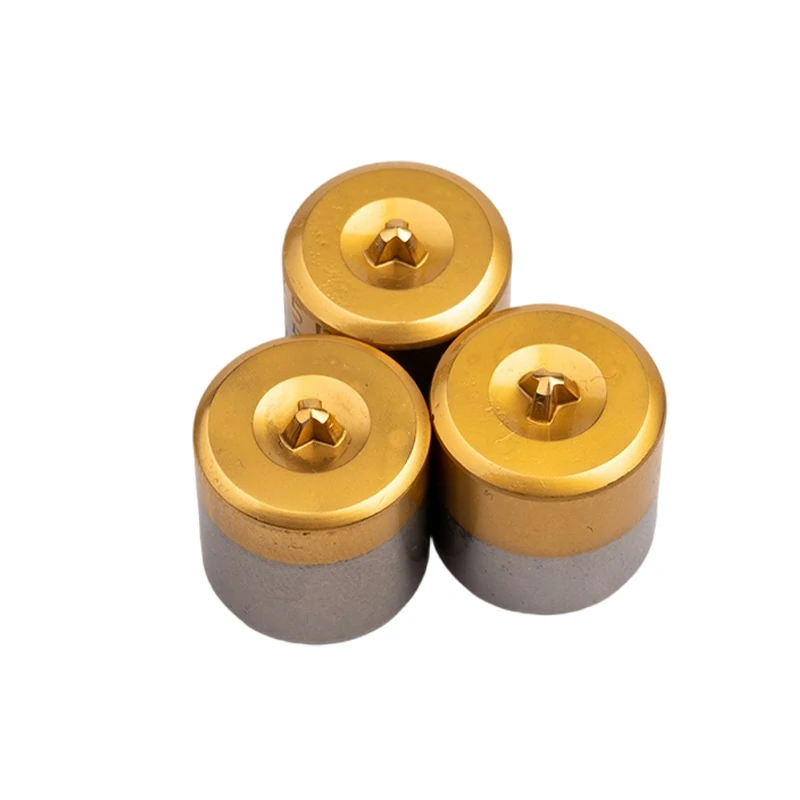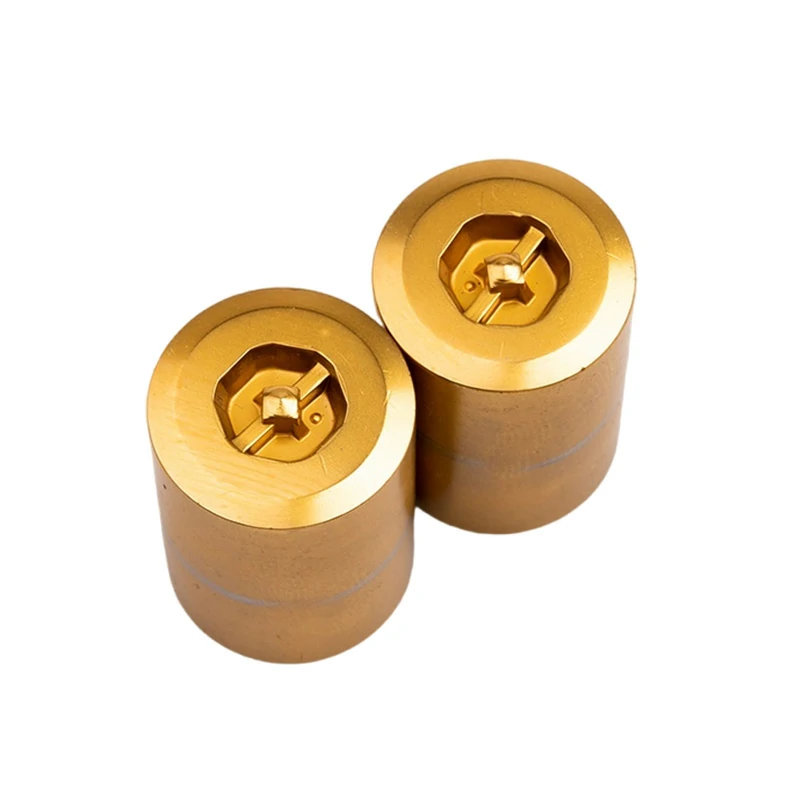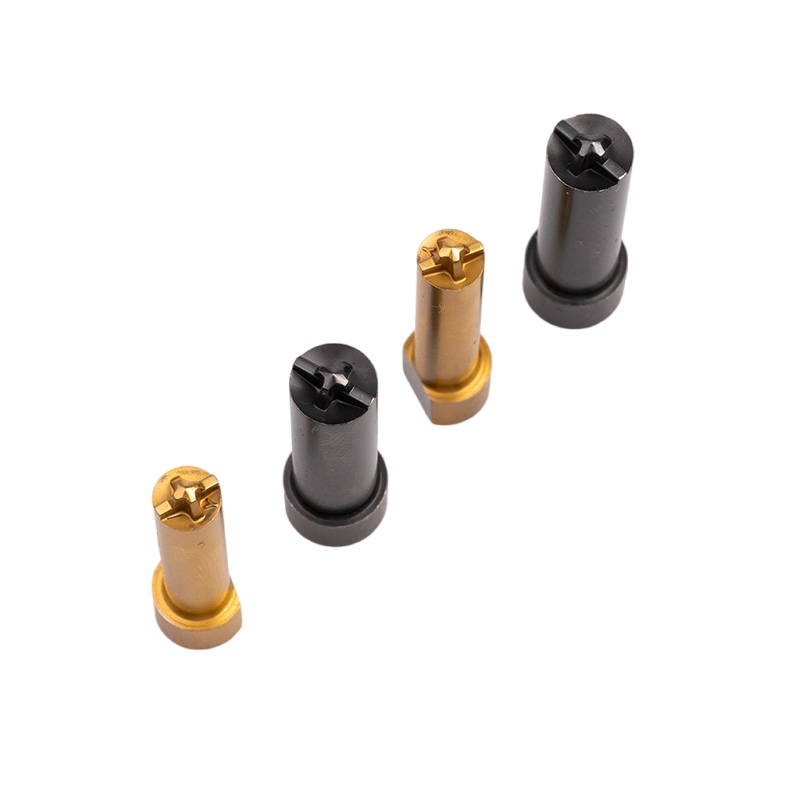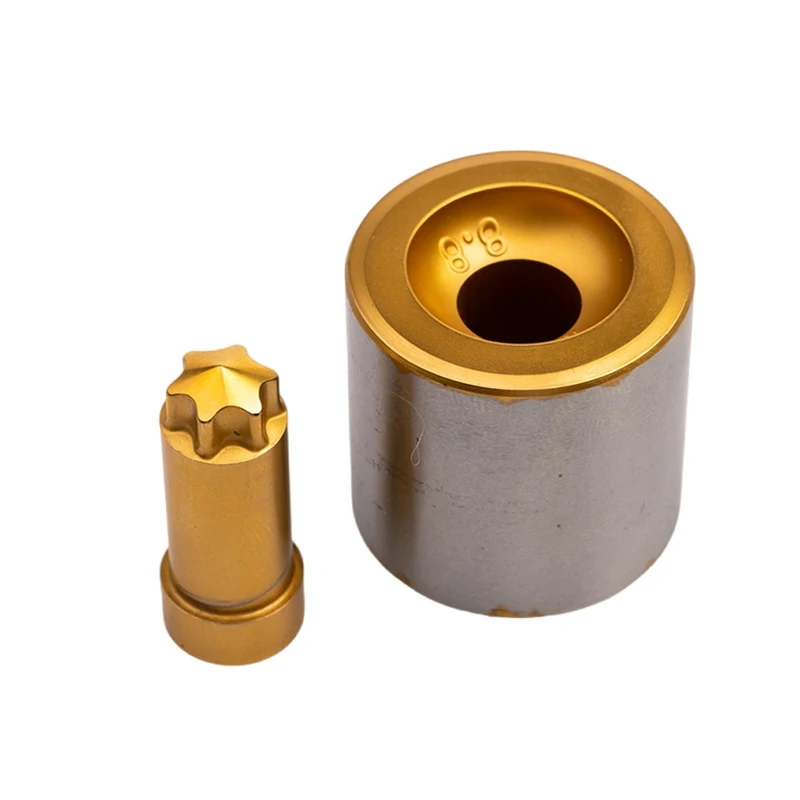
Cold heading vs. hot forging is a critical manufacturing decision based on temperature; cold heading shapes metal at room temperature for high-speed, precise production of smaller parts, while hot forging heats metal above its recrystallization point to form larger, more complex components with enhanced ductility. Understanding the fundamental differences between these two powerful metal forming techniques is essential for optimizing part performance, cost-effectiveness, and production efficiency. Choosing the right method directly impacts the final product’s strength, surface finish, and overall integrity, making this knowledge vital for engineers, designers, and procurement managers.
At Xiluo Mold, we specialize in providing high-precision tooling for both processes. This guide leverages our deep industry experience to demystify these methods, helping you make the most informed decision for your next project. We will explore the core mechanics, compare their material impacts, and outline the ideal applications for each, ensuring your component is manufactured for optimal success.
Table of Contents
- What Exactly is Cold Heading? A Closer Look at Room Temperature Forming
- What is Hot Forging? The Power of High-Temperature Shaping
- Cold Heading vs. Hot Forging: A Head-to-Head Comparison
- How Do These Processes Affect Material Properties?
- Which Process is Right for Your Application?
- Partner with Xiluo Mold for Your Forging and Heading Needs
- Frequently Asked Questions (FAQ)
What Exactly is Cold Heading? A Closer Look at Room Temperature Forming
Cold heading, also known as cold forming, is a high-speed manufacturing process that shapes metal wire at or near room temperature. The process involves feeding a coil of wire into a machine that cuts it to a precise length (a “blank”) and then forces it into a series of dies and punches. This high-pressure action reshapes the metal into a desired, often complex, net-shape or near-net-shape part without any heating. Think of it as controlled, high-pressure sculpting of metal at an industrial scale.
The core principle behind cold heading is the metal’s plasticity. Instead of removing material (like in machining), the process displaces it, forcing the metal’s grain structure to follow the contours of the die. This maintains the material’s integrity and often enhances its strength through a phenomenon called work hardening or strain hardening. Because there’s no heat involved, the finished parts boast exceptional dimensional accuracy and a superior surface finish, often eliminating the need for costly secondary operations like grinding or polishing.
This method is incredibly efficient for high-volume production of small to medium-sized parts, most notably fasteners like screws, bolts, rivets, and specialty pins. The speed of cold heading machines is remarkable, capable of producing hundreds of parts per minute with minimal material waste, making it a highly cost-effective choice for large production runs.
What is Hot Forging? The Power of High-Temperature Shaping
Hot forging, as its name implies, involves shaping metal at elevated temperatures. A metal billet or preform is heated above its recrystallization temperature—the point at which new, strain-free grains begin to form. For steel, this is typically above 1150°C (2100°F). Once heated, the malleable metal is placed between dies and shaped by compressive force, which can be applied by a hammer, a press, or an upsetter.
Heating the metal significantly reduces its yield strength and increases its ductility, making it easier to form into complex and large shapes that would be impossible to achieve through cold forming. The high temperature allows the metal’s grain structure to break down and reform (recrystallize) during the process. This grain refinement results in a homogenized, tougher material with increased ductility and resistance to impact. It effectively eliminates internal voids and inconsistencies present in the original billet, resulting in a component with superior metallurgical properties.
However, this high-temperature process has its trade-offs. The heating and cooling cause thermal expansion and contraction, leading to less precise dimensional tolerances compared to cold heading. A layer of scale (oxide) often forms on the surface, resulting in a rougher finish that almost always requires secondary machining or finishing processes. Hot forging is the go-to method for producing large, safety-critical components for industries like aerospace, automotive (e.g., crankshafts, connecting rods), and heavy equipment manufacturing.
Cold Heading vs. Hot Forging: A Head-to-Head Comparison
To make an informed decision, it’s crucial to compare these two processes across several key criteria. While both fall under the umbrella of “forging,” their operational differences lead to vastly different outcomes in the final product. The choice between them is not about which is “better” overall, but which is uniquely suited to your project’s specific requirements.
| Attribute | Cold Heading (Cold Forming) | Hot Forging |
|---|---|---|
| Process Temperature | Performed at or near room temperature. No external heating is required. | Performed above the metal’s recrystallization temperature (e.g., >1150°C for steel). |
| Dimensional Accuracy | Excellent. Tight tolerances (±0.05 mm) are achievable due to the absence of thermal effects. | Fair to Good. Tolerances are wider (±0.5 mm or more) due to thermal expansion and contraction. |
| Surface Finish | Superior. Smooth, clean finish, often requiring no secondary operations. | Rough. Characterized by surface scale and requires post-processing like sandblasting or machining. |
| Part Size & Complexity | Best for small to medium-sized parts with less extreme geometric complexity. | Ideal for large, custom, and highly complex geometric shapes. |
| Production Speed & Cost | Extremely fast (up to 400 parts/min). Low per-piece cost for high volumes. | Slower process due to heating/handling. More economical for low to medium volumes and large parts. |
| Material Waste | Minimal to none. A true net-shape process. | Moderate. “Flash” (excess material) is created and must be trimmed, and material is lost to scale. |
| Tooling Cost | High initial tooling investment, but justified by high-volume production. | Tooling costs are generally lower and have a shorter lifespan due to thermal stress. |
How Do These Processes Affect Material Properties?
The temperature at which a part is formed fundamentally alters its internal structure and, consequently, its mechanical properties. This is perhaps the most critical distinction for engineers designing components that must withstand specific stresses.
The Impact of Cold Heading: Strain Hardening
When metal is shaped cold, its crystalline grain structure is deformed and elongated. This process, known as strain hardening, makes the material harder, stronger, and increases its tensile strength. The continuous, unbroken grain flow follows the part’s contour, which significantly improves fatigue resistance. However, this increase in strength comes at the cost of reduced ductility, meaning the material becomes more brittle. This is a crucial consideration, as over-working the material can lead to cracking. Therefore, cold heading is best suited for materials that are already ductile, such as low-to-medium carbon steels, aluminum, brass, and copper alloys.
The Impact of Hot Forging: Grain Refinement
Heating metal above its recrystallization point allows for a complete “reset” of its grain structure. As the metal is deformed, the original coarse grains are broken down and new, finer, more uniform grains are formed upon cooling. This refined grain structure leads to a unique combination of properties:
- Increased Toughness: The ability to absorb energy and deform without fracturing is significantly enhanced.
- Improved Ductility: The material can undergo more plastic deformation before it breaks.
- Homogenized Structure: The process closes internal voids and eliminates chemical inconsistencies, resulting in a more reliable and predictable material.
This makes hot-forged parts exceptionally durable and well-suited for high-stress, high-impact applications where failure is not an option.
Which Process is Right for Your Application?
The final decision hinges on a careful analysis of your project’s specific needs. Ask yourself the following questions: What is the required production volume? What are the part’s size and complexity? What are the critical performance requirements? Answering these will point you toward the optimal manufacturing path.
When Should You Choose Cold Heading?
Cold heading is the clear winner under these circumstances:
- High Production Volumes: If you need tens of thousands or millions of identical parts, the high speed and low per-piece cost of cold heading are unmatched.
- Tight Tolerances are Critical: For applications requiring precision and interchangeability without secondary machining, cold heading delivers superior accuracy.
- Excellent Surface Finish is Needed: When the part needs a smooth finish straight out of the machine for aesthetic or functional reasons.
- Small to Medium-Sized Parts: The process is ideal for fasteners, electrical connectors, and small automotive components.
- Material Savings is a Priority: With virtually no scrap, cold heading is an environmentally and economically sound choice.
Common Applications: Screws, bolts, nuts, rivets, spark plug shells, valve stems, custom automotive sensors, and other fasteners.
When Should You Choose Hot Forging?
Hot forging should be your preferred method when:
- Superior Strength and Toughness are Non-Negotiable: For safety-critical components that must withstand extreme stress, impact, and fatigue, the refined grain structure of hot forging is essential.
- Large and/or Complex Parts are Required: The malleability of heated metal allows for the creation of large, intricate shapes that cold forming cannot produce.
- Low to Medium Production Volumes: The lower tooling costs make hot forging more economical for smaller runs or custom parts.
- A Wider Range of Materials is Needed: Hot forging can shape higher carbon and alloy steels that would fracture if cold-formed.
- Secondary Machining is Already Planned: If the part’s design already requires post-forging machining, the looser tolerances of hot forging are not a disadvantage.
Common Applications: Crankshafts, connecting rods, gears, axles, suspension components, pipeline flanges, and aerospace structural parts.
Partner with Xiluo Mold for Your Forging and Heading Needs
Whether your project calls for the high-speed precision of cold heading or the robust strength of hot forging, the quality of the final part is directly dependent on the quality of the tooling. At Xiluo Mold, we bring decades of expertise in designing and manufacturing high-performance dies, punches, and molds for both processes. Our deep understanding of material science, metal flow, and process parameters ensures that our tooling maximizes efficiency, minimizes wear, and produces parts that meet the most stringent specifications.
We don’t just create tooling; we provide manufacturing solutions. Our engineering team works closely with clients to analyze part designs, recommend the optimal forming process, and develop a tooling strategy that balances cost, performance, and longevity. By partnering with us, you gain access to the expertise needed to turn your concept into a high-quality, reliably manufactured component.
Contact our experts today to discuss your project requirements and discover how our precision tooling can elevate your manufacturing process.
Frequently Asked Questions (FAQ)
1. Is cold-headed or hot-forged steel stronger?
This is a complex question. Cold heading increases tensile strength and hardness through work hardening. Hot forging enhances toughness, ductility, and impact strength through grain refinement. For applications requiring high hardness and resistance to pulling forces, a cold-headed part might be considered “stronger.” For applications needing to withstand sudden impacts and fatigue, a hot-forged part is superior. The “stronger” part depends entirely on the application’s definition of strength.
2. Which process is more expensive?
The cost depends on volume. For high volumes, cold heading is significantly cheaper per piece due to its high speed and low material waste, despite high initial tooling costs. For low volumes, hot forging is often more cost-effective because its tooling is generally less expensive to produce.
3. Can all metals be cold-headed?
No. Only ductile metals can be cold-headed without fracturing. This includes low and medium carbon steels, stainless steel (in certain grades), aluminum, copper, and brass. High-carbon steels and many exotic alloys are too brittle and must be hot-forged.
4. Does hot forging require more finishing work?
Yes, almost always. The formation of surface scale and the wider dimensional tolerances mean that hot-forged parts typically require secondary operations such as descaling (e.g., shot blasting) and CNC machining to achieve their final dimensions and desired surface finish.