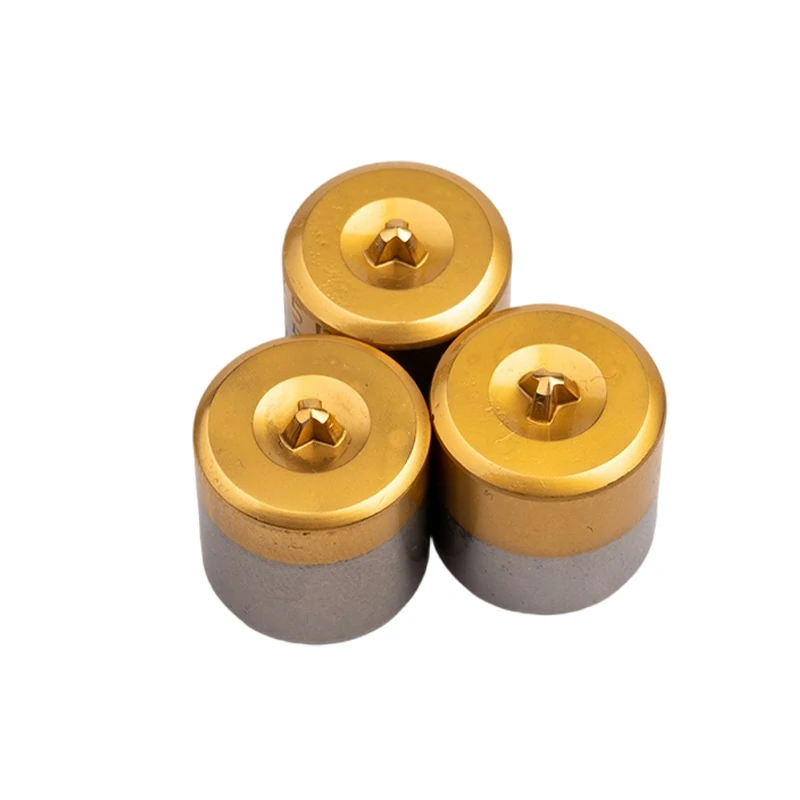
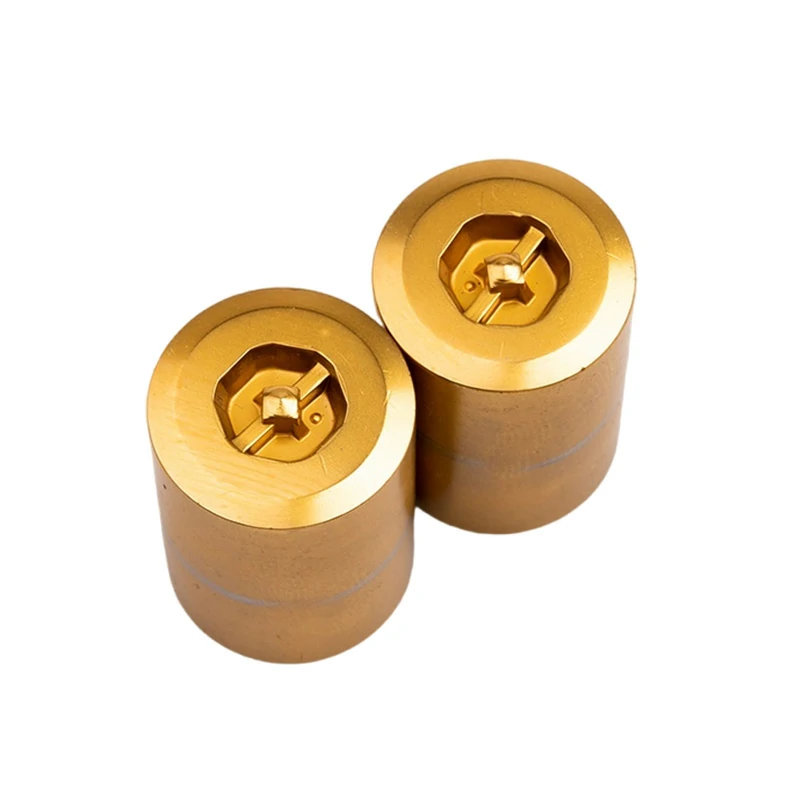
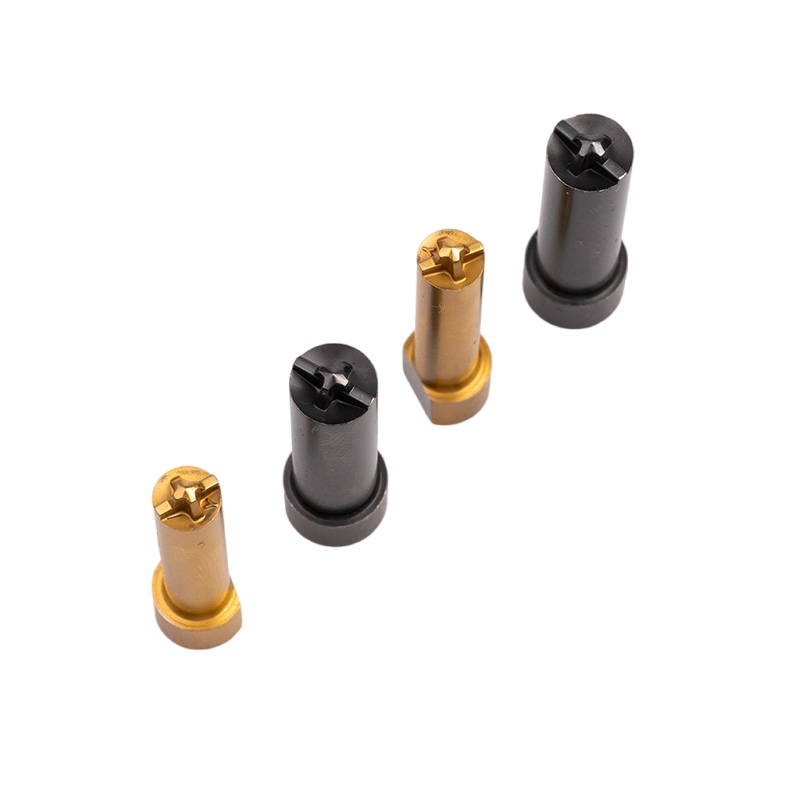
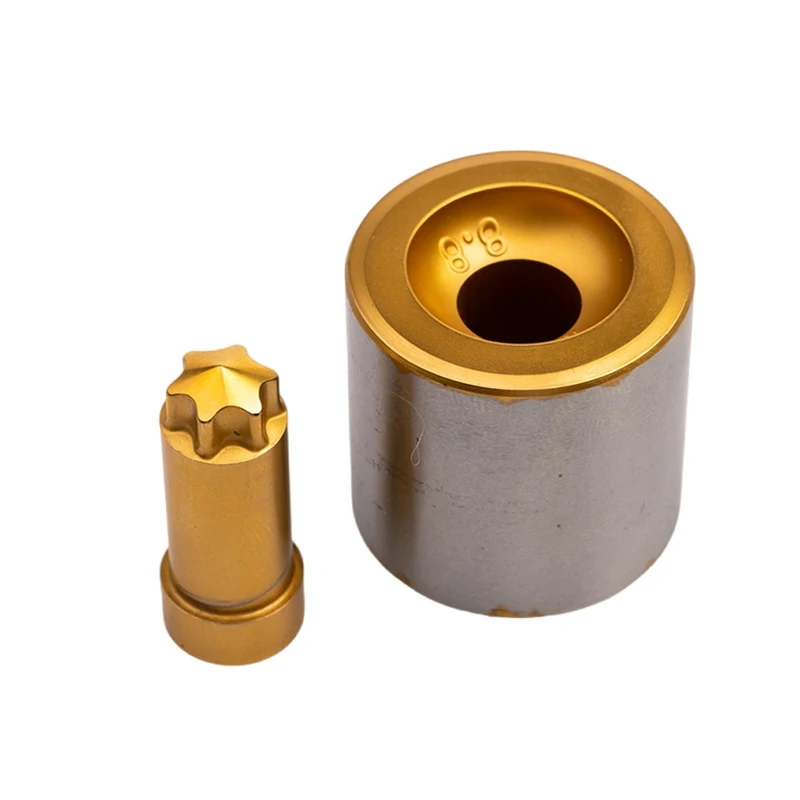
When selecting the right material for heading dies, manufacturers face a critical choice between Tungsten Carbide and High-Speed Steel (HSS). The primary advantage of choosing carbide heading dies over high-speed steel is their exceptional wear resistance, which translates to significantly longer tool life, reduced downtime, and improved long-term cost-effectiveness, especially in high-volume production environments. While HSS offers good toughness and a lower initial cost, carbide’s superior hardness and ability to maintain its properties at high temperatures make it the premium choice for demanding applications requiring precision and consistency.
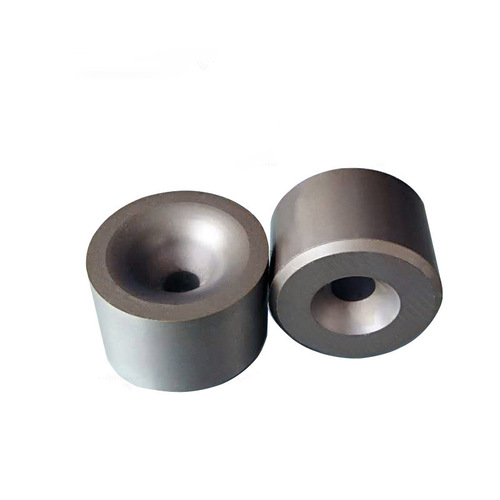
At Xiluo Mold, we understand that this decision directly impacts your operational efficiency, product quality, and bottom line. A heading die isn’t just a piece of metal; it’s a critical component that shapes your final product. Making an informed choice requires a deep understanding of how each material performs under the unique pressures of the cold heading and forging processes. This comprehensive guide will dissect the properties, advantages, and ideal applications of both carbide and HSS to help you determine which material offers the best value for your manufacturing needs.
Table of Contents
- What Are Heading Dies and Why Does Material Choice Matter?
- A Closer Look at High-Speed Steel (HSS) Heading Dies
- The Superior Choice: Tungsten Carbide Heading Dies
- Carbide vs. HSS Heading Dies: A Head-to-Head Comparison
- How Do You Choose Between Carbide and HSS for Your Application?
- Why Partner with Xiluo Mold for Your Heading Die Needs?
- Frequently Asked Questions (FAQ)
What Are Heading Dies and Why Does Material Choice Matter?
Heading dies are fundamental tools used in cold forming and forging processes to shape metal wire into complex components like screws, bolts, rivets, and other fasteners. The process involves exerting immense pressure to force a piece of metal, known as a “blank,” into the die’s cavity, plastically deforming it into the desired shape. The die must withstand repetitive, high-impact forces, extreme pressures, and the abrasive friction of the workpiece material. The performance and longevity of a heading die are almost entirely dependent on the material from which it is made.
The choice between Tungsten Carbide and High-Speed Steel (HSS) is not merely a technical detail; it is a strategic business decision. The right material ensures dimensional accuracy, superior surface finish, and operational consistency over millions of cycles. Conversely, the wrong material can lead to frequent tool failure, production stoppages, increased scrap rates, and compromised product quality. Therefore, understanding the distinct characteristics of each material is crucial for optimizing your manufacturing process and achieving a competitive edge.
A Closer Look at High-Speed Steel (HSS) Heading Dies
High-Speed Steel has been a mainstay in the tool and die industry for decades, valued for its balanced properties and reliability in a wide range of applications. It represents a solid, traditional choice for many manufacturing scenarios.
What is High-Speed Steel?
High-Speed Steel is a specific type of tool steel alloy known for its “red hardness,” which is its ability to retain hardness and cutting edges even when heated to high temperatures (up to 600°C or 1112°F) generated by friction during machining or forming. HSS alloys typically contain a high percentage of alloying elements such as tungsten, molybdenum, chromium, vanadium, and cobalt. These elements form hard carbides within the steel matrix, providing excellent wear resistance and toughness. Common grades used for heading dies include M2, M4, and M42.
Key Advantages of HSS Dies
HSS heading dies are popular for several compelling reasons:
- Excellent Toughness: HSS’s primary advantage is its superior toughness and fracture resistance. This makes it highly resilient to chipping and cracking under sudden, high-impact loads, which are common in heading operations. This toughness is particularly beneficial when forming complex shapes or dealing with slight misalignments in the machinery.
- Lower Initial Cost: Compared to tungsten carbide, HSS is significantly more affordable. This lower upfront investment makes it an attractive option for short production runs, prototyping, or for companies with tighter budget constraints.
- Good Machinability: HSS is easier to machine and grind into complex die shapes than carbide. This simplifies the manufacturing process for the die itself, potentially reducing lead times and fabrication costs.
Limitations of HSS Dies
Despite its benefits, HSS has notable limitations, especially in modern, high-speed manufacturing:
- Lower Wear Resistance: HSS is much softer than tungsten carbide. In high-volume production, it wears down more quickly, leading to a loss of dimensional accuracy and requiring more frequent replacement. This results in increased machine downtime for tool changes.
- Limited Performance at Extreme Temperatures: While HSS has good red hardness, its properties begin to degrade at the extreme temperatures generated in very high-speed heading operations. This can lead to faster wear and plastic deformation of the die itself.
- Shorter Tool Life: The direct consequence of lower wear resistance is a shorter operational lifespan. A single HSS die may produce hundreds of thousands of parts, whereas a carbide die can often produce millions, making HSS less cost-effective for long-term, continuous production.
The Superior Choice: Tungsten Carbide Heading Dies
For manufacturers aiming for maximum productivity, precision, and tool life, Tungsten Carbide stands out as the premium material. Its unique properties make it exceptionally well-suited for the rigors of modern cold forming.
What is Tungsten Carbide?
Tungsten Carbide (often simply called “carbide”) is not a metal but a cermet, a composite material made by sintering (heating under pressure) powdered tungsten carbide (WC) with a metallic binder, typically cobalt (Co). The tungsten carbide particles provide extreme hardness and wear resistance, while the cobalt binder imparts toughness and prevents the material from being overly brittle. By varying the percentage of cobalt and the grain size of the WC, different grades of carbide can be produced with tailored properties for specific applications.
The Unmatched Advantages of Carbide Dies
The benefits of using carbide heading dies are substantial and directly address the limitations of HSS:
- Exceptional Wear Resistance: This is carbide’s hallmark advantage. With a hardness second only to diamond (around 88-92 HRA), carbide dies can withstand abrasive wear for exceptionally long periods. This results in a tool life that can be 10 to 50 times longer than that of HSS dies under similar conditions.
- Superior Compressive Strength: Carbide can withstand immense pressures without deforming. This ensures that the die cavity maintains its precise dimensions even after millions of forming cycles, leading to unparalleled consistency and part quality.
- High Thermal Stability: Carbide retains its hardness and strength at much higher temperatures than HSS. This “hot hardness” is critical in high-speed heading, where friction generates significant heat. The die remains stable, preventing dimensional changes and premature failure.
- Reduced Downtime and Increased Productivity: The incredibly long life of carbide dies means fewer tool changes are required. This directly translates to less machine downtime, more consistent production, and higher overall equipment effectiveness (OEE).
- Improved Surface Finish: Because carbide resists wear and galling (adhesion of workpiece material to the die), it can produce parts with a smoother, more consistent surface finish over the entire production run.
Considerations for Carbide Dies
While superior in performance, carbide is not without its own set of considerations:
- Higher Initial Investment: The raw materials and complex manufacturing process make carbide dies significantly more expensive upfront than HSS dies.
- Lower Toughness (More Brittle): While modern carbide grades have improved toughness, they are inherently more brittle than HSS. This makes them more susceptible to catastrophic failure (chipping or cracking) if subjected to severe shock, improper setup, or mechanical overload. Careful machine alignment and operation are essential.
Carbide vs. HSS Heading Dies: A Head-to-Head Comparison
To make the choice clearer, let’s directly compare the key performance metrics of Tungsten Carbide and High-Speed Steel in a simple table.
| Property | Tungsten Carbide | High-Speed Steel (HSS) |
|---|---|---|
| Wear Resistance | Exceptional (Hardness 88-92 HRA) | Good (Hardness ~64-67 HRC) |
| Tool Life | Extremely Long (Millions of cycles) | Moderate (Hundreds of thousands of cycles) |
| Toughness / Fracture Resistance | Good (but more brittle than HSS) | Excellent |
| Hot Hardness | Excellent (maintains hardness at high temps) | Good (but softens at extreme temps) |
| Initial Cost | High | Low |
| Total Cost of Ownership | Low (due to longevity & reduced downtime) | High (due to frequent replacements) |
| Best Application | High-volume, high-speed production, standard shapes, abrasive materials | Low-volume runs, complex/irregular shapes, prototypes, high-shock applications |
How Do You Choose Between Carbide and HSS for Your Application?
The optimal choice depends on a careful analysis of your specific operational factors. Ask yourself the following questions:
Evaluating Production Volume and Speed
Is your production run in the millions or the thousands? For high-volume, continuous production, carbide is the clear winner. The reduction in downtime for tool changes far outweighs the higher initial cost. The ability to run machines faster without accelerating die wear further boosts productivity. For short runs, custom jobs, or prototyping, the lower upfront cost and easier machinability of HSS make it a more practical and economical choice.
Considering the Workpiece Material and Complexity
What material are you forming? How complex is the part? When forming standard fasteners from common materials like low-carbon steel or aluminum, carbide’s wear resistance provides a significant advantage. If you are working with tougher, more abrasive materials like stainless steel or high-alloy steels, carbide is almost essential to achieve reasonable tool life. However, for parts with very complex, non-symmetrical geometries that create uneven stresses, the superior toughness of HSS might be necessary to prevent the die from chipping or fracturing.
Long-Term vs. Short-Term Cost Analysis
Are you focused on minimizing initial expense or total cost of ownership? A short-term view favors HSS due to its low purchase price. However, a long-term, strategic analysis often reveals the superior value of carbide. To calculate the total cost of ownership (TCO), you must factor in:
- The initial cost of the die.
- The total number of parts produced per die.
- The cost of machine downtime for each tool change.
- Labor costs associated with die setup and replacement.
- The scrap rate associated with worn-out dies.
When these factors are considered, the per-piece cost using a carbide die is often substantially lower in high-volume settings.
Why Partner with Xiluo Mold for Your Heading Die Needs?
At Xiluo Mold, we don’t just sell dies; we provide engineered solutions. With extensive experience in both tungsten carbide and HSS tooling, we help our clients navigate this critical decision to maximize their manufacturing success. Our expertise ensures you get the right material, the right grade, and the right geometry for your specific application.
We leverage state-of-the-art manufacturing processes and stringent quality control to produce heading dies that deliver unparalleled performance and longevity. Whether you require the extreme durability of our premium carbide dies for high-volume fastener production or the resilient toughness of our custom HSS dies for a specialized application, Xiluo Mold is your trusted partner for precision, quality, and value. Contact our engineering team today to discuss your project and discover how our tooling solutions can enhance your productivity and profitability.
Frequently Asked Questions (FAQ)
1. Can carbide dies be repaired or reworked?
Yes, to some extent. Minor wear or chipping on carbide dies can sometimes be repaired by skilled technicians through precision grinding or EDM (Electrical Discharge Machining). However, major fractures usually mean the die must be replaced. Reworking is more complex and costly than with HSS.
2. What carbide grade is best for heading dies?
The best grade depends on the application. Grades with a higher percentage of cobalt (e.g., 10-15%) offer greater toughness, making them suitable for higher-impact heading stages. Grades with lower cobalt content and finer WC grains provide higher hardness and wear resistance, ideal for finishing stages or forming less abrasive materials.
3. Is HSS completely obsolete for heading dies?
Not at all. HSS remains highly relevant for specific niches: prototyping, very complex shapes prone to causing die fracture, low-volume production, and applications where the upfront cost is the single most important factor. Its excellent toughness ensures it will always have a place in the tool and die industry.
4. How much longer does a carbide die last compared to an HSS die?
The lifespan multiplication factor can vary widely, but a general industry estimate is that a carbide die will last anywhere from 10 to 50 times longer than an HSS die in the same high-volume application. This depends on the material being formed, machine speed, lubrication, and die design.