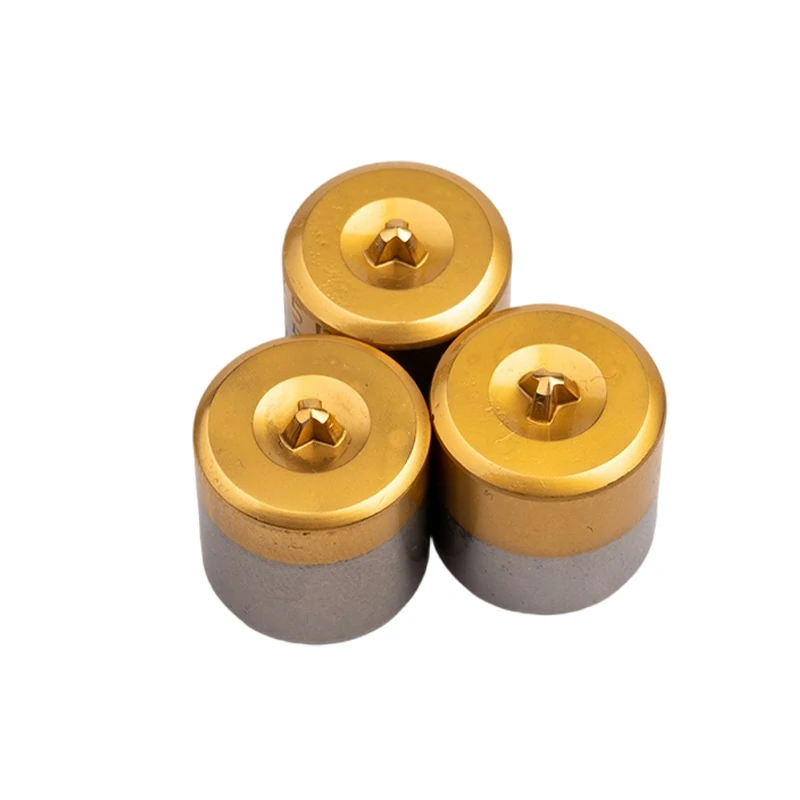
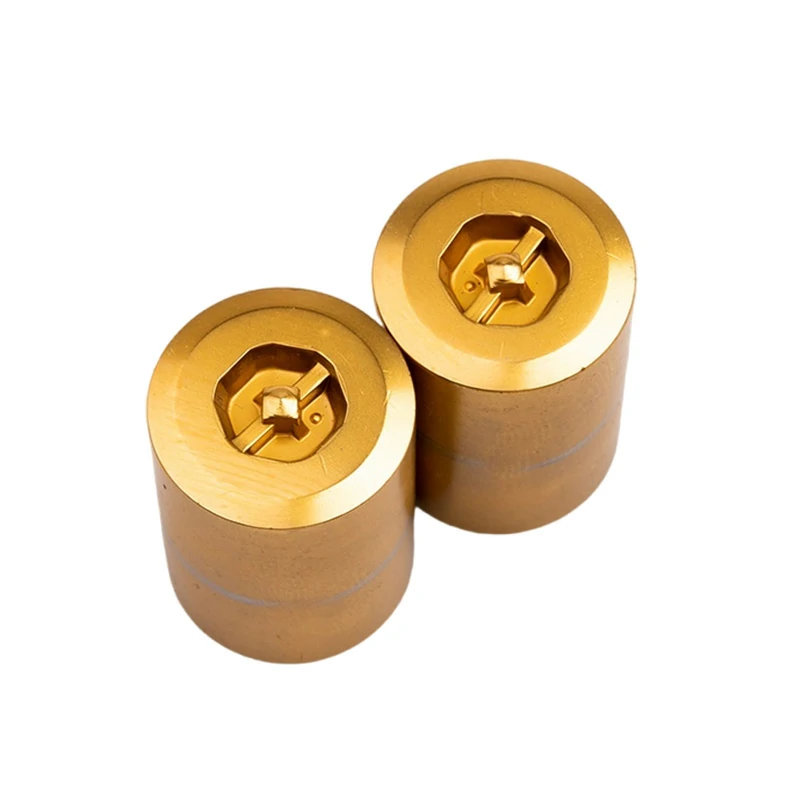
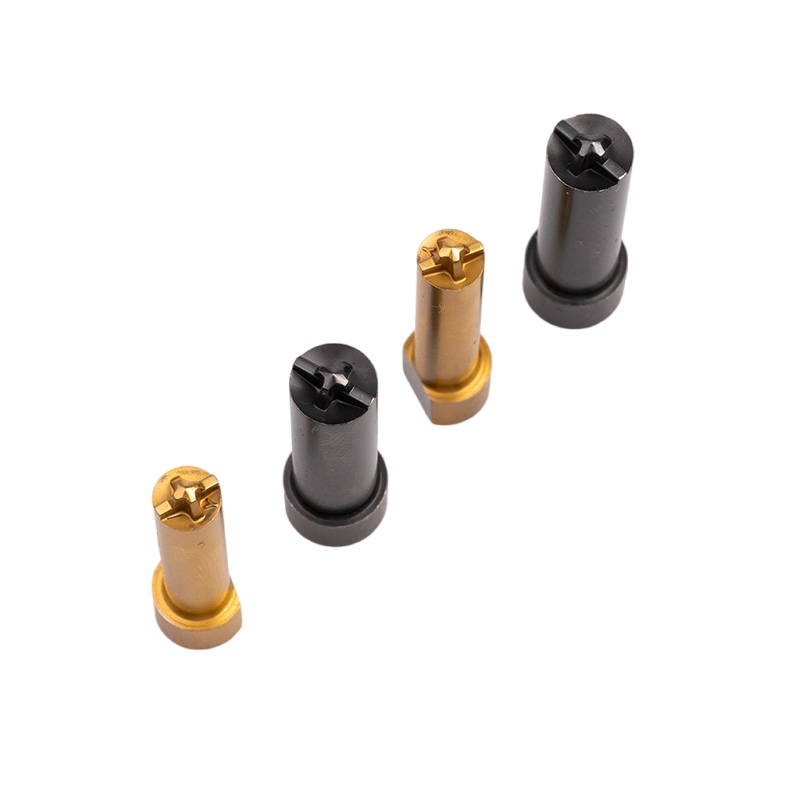
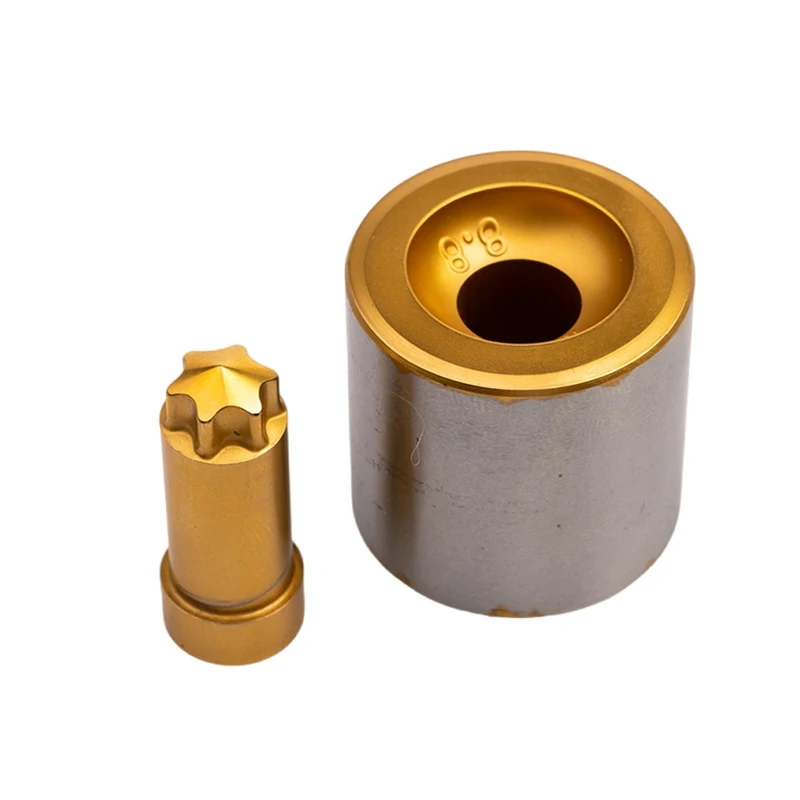
When selecting the right tooling for cold heading and forming operations, the choice between a carbide heading die and a steel die is one of the most critical decisions a manufacturing shop can make. For high-volume, precision manufacturing, carbide heading dies deliver vastly superior performance due to their exceptional hardness, unparalleled wear resistance, and significantly longer tool life, which translates to a lower total cost of ownership despite a higher initial investment. Conversely, traditional steel dies, while more affordable upfront and tougher against catastrophic fracture, are typically better suited for low-volume runs, prototyping, or forming softer materials where the demands on the tool are less extreme.
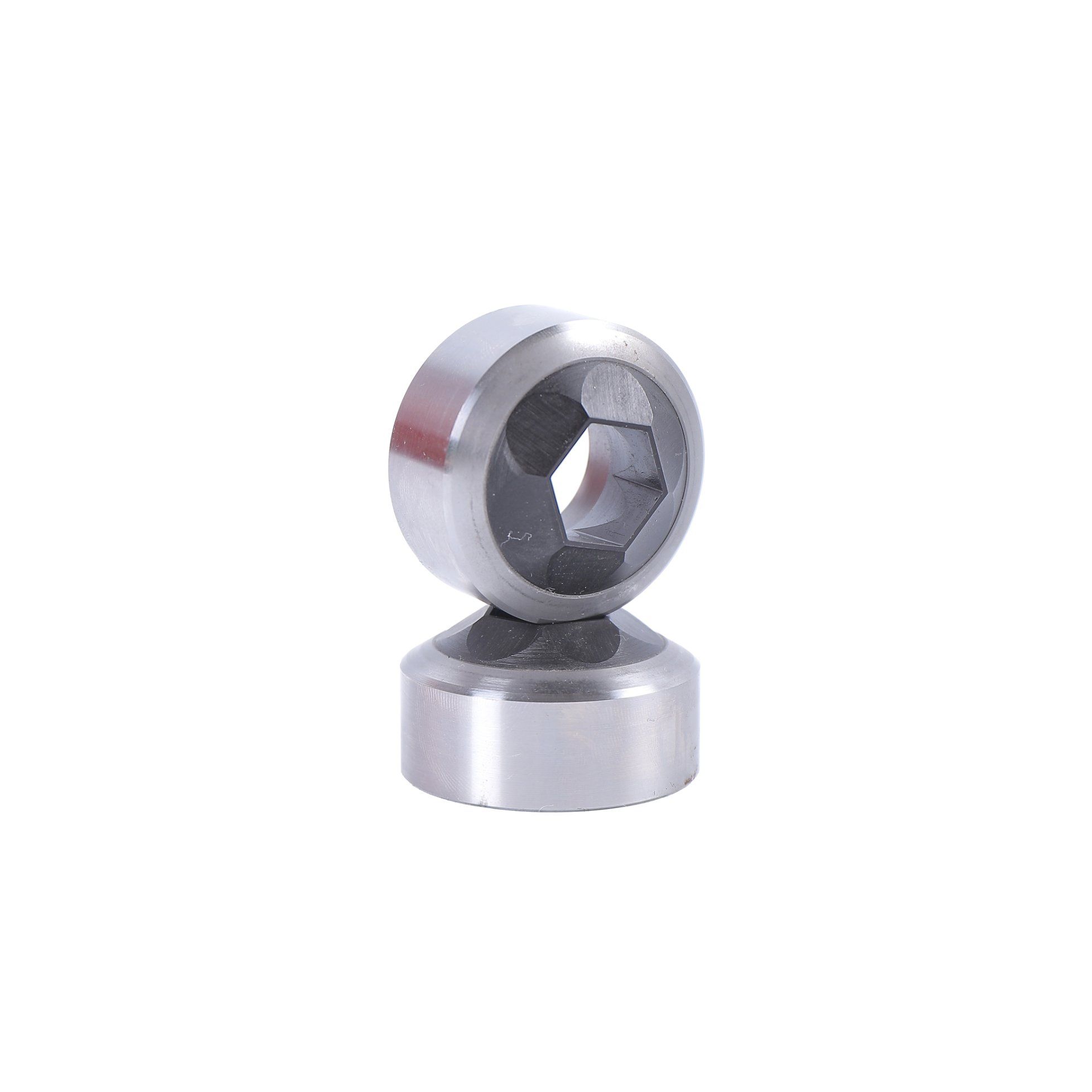
The decision is not merely about material properties; it’s a strategic choice that directly impacts your shop’s productivity, profitability, part quality, and overall efficiency. Understanding the nuanced differences, advantages, and ideal applications for each material is essential for optimizing your production line. This in-depth guide will break down everything you need to know to make an informed decision that aligns with your operational goals, helping you move from simply producing parts to manufacturing with peak performance and profitability.
Table of Contents
- The Critical Role of a Heading Die in Cold Forming
- What is a Steel Heading Die? An Overview
- What is a Carbide Heading Die? A Closer Look
- Head-to-Head Comparison: Carbide vs. Steel Dies
- Beyond the Initial Cost: Calculating the Total Cost of Ownership (TCO)
- How to Choose the Right Die Material for Your Application?
- Partnering with an Expert Die Manufacturer: The Xiluomold Advantage
- Conclusion: Making the Strategic Choice for Peak Performance
The Critical Role of a Heading Die in Cold Forming
Before comparing materials, it’s vital to appreciate the intense environment a heading die operates in. In the cold forming process, a wire or rod is fed into a machine, sheared to length, and then forced into a series of dies and punches at high speed and under immense pressure. The heading die is the primary tool that shapes the head of the part, such as a screw, bolt, or rivet. This process involves extreme impact forces, high compressive loads, and significant friction. Therefore, the die material must be able to withstand these forces repeatedly—often millions of times—without failing, deforming, or wearing out quickly. The choice of die material is the foundation upon which part consistency, production speed, and operational uptime are built.
What is a Steel Heading Die? An Overview
Steel has been a traditional workhorse material for tool and die making for decades. Specifically, high-carbon, high-chromium tool steels like D2 or high-speed steels (HSS) such as M2 and M42 are commonly used for heading dies. These materials are heat-treated to achieve a balance of hardness and toughness required for cold forming applications.
Material Composition and Properties
Tool steels are iron-based alloys containing various elements like carbon, chromium, molybdenum, vanadium, and tungsten. These elements form hard carbide particles within the steel matrix after heat treatment. The primary characteristic of steel dies is their *toughness*—the ability to absorb impact energy and resist catastrophic cracking or chipping. While hard, they do not approach the hardness levels of tungsten carbide, making them more susceptible to abrasive wear over time.
Primary Advantages of Steel Dies
The main draws for choosing steel dies are rooted in cost and ease of manufacturing. Steel is significantly less expensive as a raw material, and it is easier to machine, grind, and modify than carbide. This makes it an excellent choice for creating complex die geometries or for situations requiring frequent design changes. Furthermore, its inherent toughness makes it more forgiving in setups with potential misalignment or when forming parts with features that can induce high-stress concentrations, reducing the risk of a sudden, brittle failure.
Ideal Applications and Limitations
Steel heading dies are best suited for specific scenarios. They are the go-to option for prototyping and short production runs, where the cost of a long-life carbide die isn’t justified. They also perform well when forming softer, non-ferrous materials like aluminum or low-carbon steel, where abrasive wear is less of a concern. However, their primary limitation is a shorter operational life. In high-volume production, steel dies wear out relatively quickly, leading to frequent tool changes, increased machine downtime, and a gradual decline in part quality and dimensional accuracy as the die wears.
What is a Carbide Heading Die? A Closer Look
Tungsten carbide, often referred to simply as carbide, is not a metal but a composite material. It represents the pinnacle of performance for modern heading and forming applications. Custom carbide heading dies are the standard for any shop focused on high-volume, high-precision, and high-efficiency manufacturing.
Understanding Tungsten Carbide (WC) Composition
Carbide is a cermet (ceramic and metal composite) made by sintering microscopic particles of tungsten carbide (WC) within a metallic binder, typically cobalt (Co). The tungsten carbide particles provide extreme hardness and wear resistance, while the cobalt binder imparts the necessary *toughness* to prevent the die from being overly brittle. By varying the WC grain size and the percentage of cobalt binder (typically from 6% to 25%), manufacturers like Xiluomold can fine-tune the material’s properties to match the specific demands of an application.
The Unmatched Advantages of Carbide Dies
The performance benefits of carbide are substantial. Its most significant advantage is its exceptional wear resistance, which is many times greater than that of the best tool steels. This results in a tool life that can be 10 to 50 times longer than a steel die in the same application. This longevity means far fewer tool changes, drastically reduced machine downtime, and more consistent part quality over millions of cycles. Additionally, carbide maintains its hardness at elevated temperatures caused by friction, has a lower coefficient of friction leading to better part finish, and exhibits high compressive strength, preventing the die from deforming under extreme heading pressures.
Common Applications and When It’s the Best Choice
Carbide heading dies are the undisputed champion for high-volume production of standard and complex fasteners. They are essential when working with harder materials like stainless steel, alloy steels, and exotic metals. Any application that demands tight dimensional tolerances, a superior surface finish, and maximum operational uptime will benefit from carbide. While the initial investment is higher, the return on investment through increased productivity and reduced downtime makes it the most cost-effective solution in the long run for serious manufacturing operations.
Head-to-Head Comparison: Carbide vs. Steel Dies
To make the choice clearer, here is a direct comparison of the key performance attributes of carbide and steel heading dies.
| Attribute | Carbide Heading Die | Steel Heading Die |
|---|---|---|
| Wear Resistance | Exceptional. Can last 10-50x longer than steel. Maintains tight tolerances for millions of cycles. | Good. Prone to abrasive wear over time, especially with hard materials, leading to dimensional changes. |
| Hardness (HRA) | Very High (Typically 88-94 HRA). Resists scratching, abrasion, and deformation. | High (Typically 60-65 HRC, which is ~80-83 HRA). Softer and more prone to wear than carbide. |
| Toughness | Good. More brittle than steel; can be prone to chipping or fracture under severe shock or misalignment. Requires proper support (e.g., in a steel case). | Excellent. Highly resistant to chipping and catastrophic failure, making it more forgiving. |
| Initial Cost | High. The raw material and complex manufacturing/grinding process lead to a higher upfront investment. | Low. Raw material is cheaper and it is easier to machine, resulting in a lower initial purchase price. |
| Tool Life / Uptime | Extremely Long. Leads to maximum machine uptime and productivity. | Short to Moderate. Requires frequent tool changes, causing significant machine downtime. |
| Production Speed | Allows for higher machine speeds due to thermal stability and wear resistance. | May require lower speeds to manage heat and wear, reducing overall output. |
| Total Cost of Ownership (TCO) | Very Low. The long life and reduced downtime provide a superior return on investment for high-volume production. | High. The low initial cost is quickly offset by costs of replacement tools, labor, and lost production. |
Beyond the Initial Cost: Calculating the Total Cost of Ownership (TCO)
Focusing solely on the purchase price of a die is a common but costly mistake. The true financial impact is revealed by the Total Cost of Ownership (TCO), which considers all associated expenses over the tool’s life. For high-volume manufacturers, the TCO of carbide dies is almost always significantly lower than that of steel dies.
Factoring in Downtime and Tool Changes
Every time a machine is stopped for a tool change, you lose money. This includes the cost of the operator’s time, the lost production output, and the scrap generated during setup and ramp-up. Let’s say a steel die produces 100,000 parts before needing a change, while a carbide die produces 2,000,000 parts. For every one carbide die change, you would have performed 20 steel die changes. If each change takes 30 minutes, that’s 10 hours of lost production time you save by using a single carbide die. The savings in uptime alone often justify the higher initial cost of carbide.
The Impact on Part Quality and Scrap Rates
As a steel die wears, the dimensions of the part begin to drift out of tolerance. This can lead to increased inspection frequency and higher scrap rates as parts fail to meet quality standards. Carbide’s superior wear resistance ensures exceptional dimensional stability over millions of parts. This consistency means fewer rejected parts, less wasted material, and a more reliable and predictable manufacturing process. The reduction in scrap costs further solidifies the financial argument for carbide tooling.
How to Choose the Right Die Material for Your Application?
So, how do you decide? Ask yourself these four critical questions about your specific operation.
What is your production volume?
This is the most important factor. For runs of a million pieces or more, or for continuous production, carbide is the clear winner. Its longevity and the resulting uptime are paramount. For short runs, prototypes, or jobs under 50,000 pieces, a steel die may be more economical.
What material are you forming?
If you are heading hard or abrasive materials like stainless steel (e.g., 304, 316), alloy steels, or titanium, you need the wear resistance of carbide. The friction and stress generated by these materials will destroy a steel die very quickly. For softer materials like low-carbon steel, copper, or aluminum, steel dies can offer adequate performance.
What are your tolerance and quality requirements?
For applications demanding tight dimensional tolerances and a pristine surface finish, such as in the aerospace, automotive, or medical industries, carbide is essential. Its resistance to wear ensures that the millionth part is dimensionally identical to the first. If tolerances are more generous and a perfect finish is not critical, steel may suffice.
What is your budget and long-term strategy?
Is your priority to minimize upfront spending, or to maximize long-term profitability? A steel die is a short-term, low-cost solution. A carbide die is a long-term, strategic investment in efficiency and quality. If your business model is built on high-volume, competitive manufacturing, investing in carbide tooling is not just an option—it’s a necessity for success.
Partnering with an Expert Die Manufacturer: The Xiluomold Advantage
Making the right material choice is only half the battle. The design, manufacturing precision, and quality of the die itself are equally important. An improperly made carbide die can fail just as easily as a steel one. This is where partnering with an experienced manufacturer like Xiluomold becomes a competitive advantage. With years of specialized experience, we understand the intricate relationship between die design, material selection, and application-specific stresses.
At Xiluomold, we don’t just sell dies; we provide engineered solutions. We work closely with our clients to analyze their production needs, material specifications, and performance goals. Whether you need a robust steel die for a pilot run or a high-performance, custom-engineered carbide heading die designed for maximum life, our team has the expertise to deliver tooling that optimizes your process. We utilize premium-grade materials and state-of-the-art manufacturing techniques to ensure every die we produce delivers unparalleled performance and value.
Conclusion: Making the Strategic Choice for Peak Performance
In the debate of carbide heading die vs. steel die, there is no single “best” answer, only the “right” answer for a specific application. Steel dies remain a viable, cost-effective choice for low-volume, prototyping, and soft-material applications where their upfront affordability and toughness are key advantages. However, for the demands of modern, high-volume manufacturing, the evidence is overwhelming. Tungsten carbide heading dies are the superior strategic investment.
Their extraordinary wear resistance, long life, and ability to hold tight tolerances deliver a powerful return on investment through drastically increased uptime, reduced scrap, and unparalleled part consistency. By choosing carbide, you are investing not just in a tool, but in the productivity, quality, and long-term profitability of your entire operation. When you are ready to elevate your shop’s performance, an expert consultation can help you specify the perfect die solution for your needs.