Recent Blog

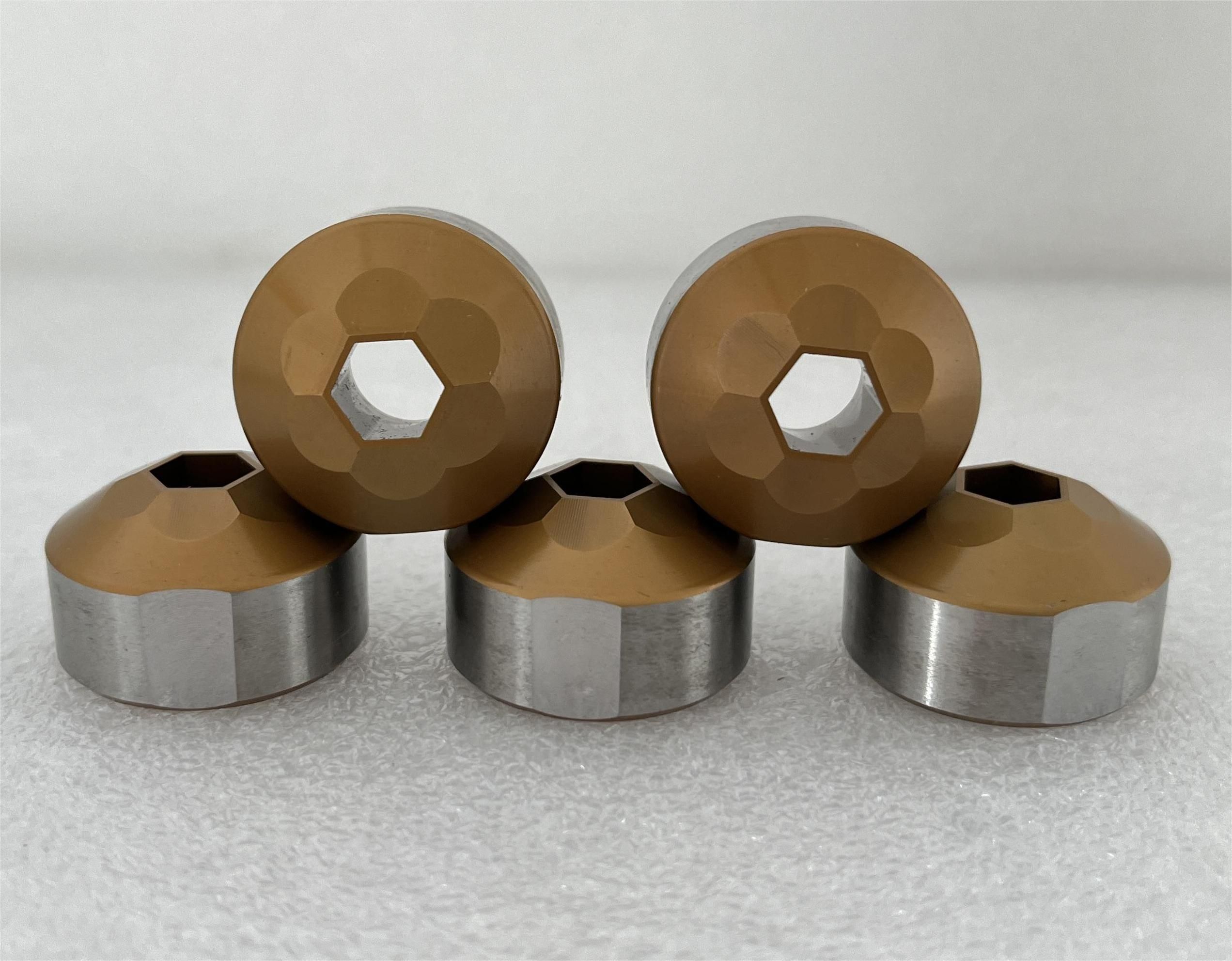
Adjusting Punch Geometry

How Does Adjusting Punch Geometry Prevent Cracking and Chipping in High-Stress Cold Heading?

This technical analysis explains how Adjusting Punch Geometry directly resolves the common issues of cracking and chipping in cold heading tools. By focusing on the optimization of chamfers, transition radii, and load distribution, manufacturers can prevent stress concentration that leads to premature failure. The article highlights how geometry works in tandem with high-hardness materials (HRC 50–65) and surface coatings to extend tool life by 1.5–2 times. Backed by real-world case studies, it provides a practical roadmap for procurement managers to improve line stability and reduce scrap rates.
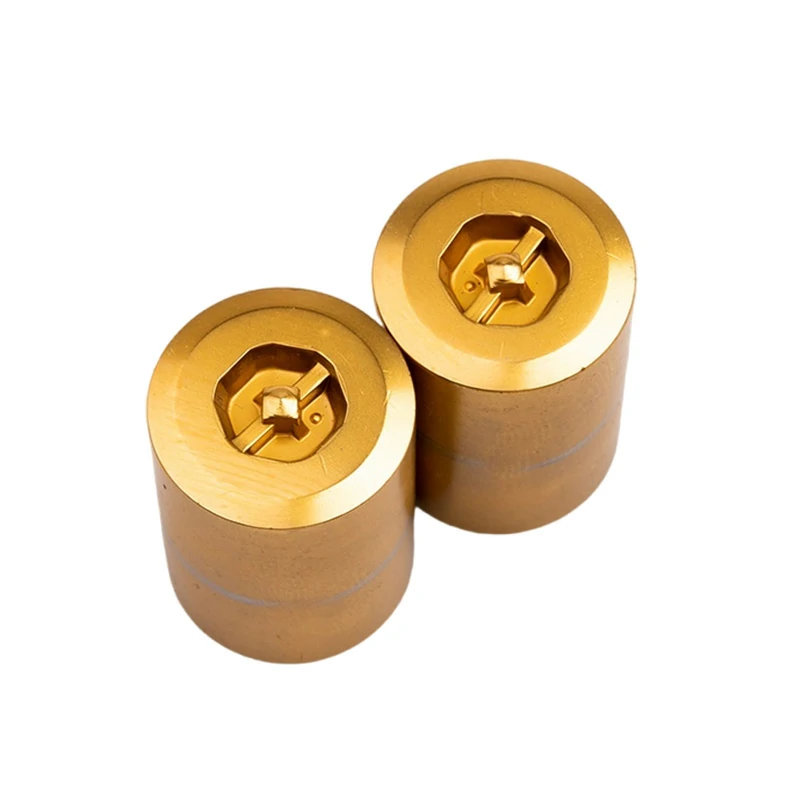
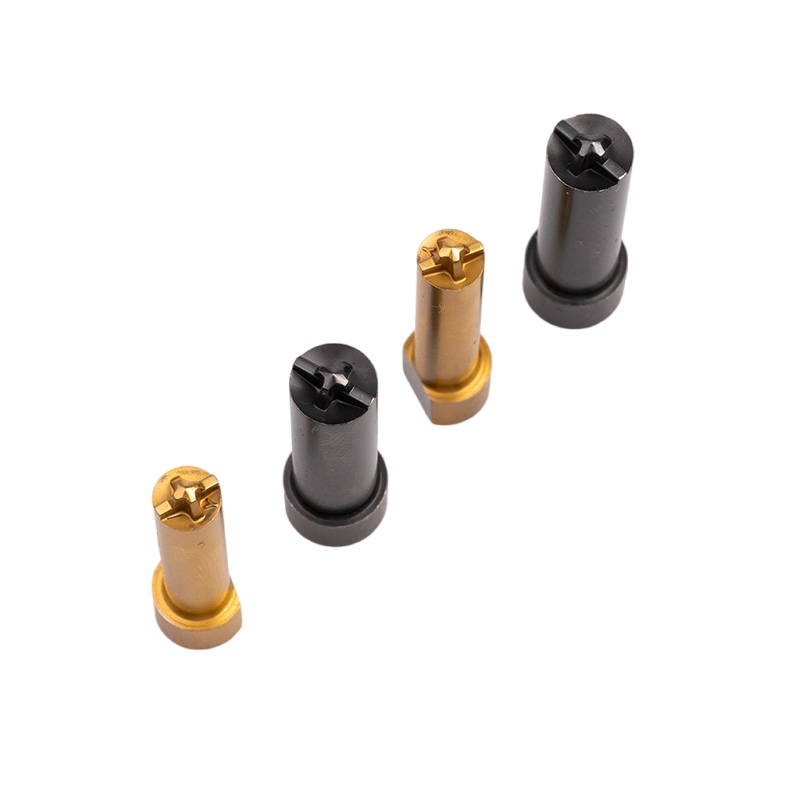
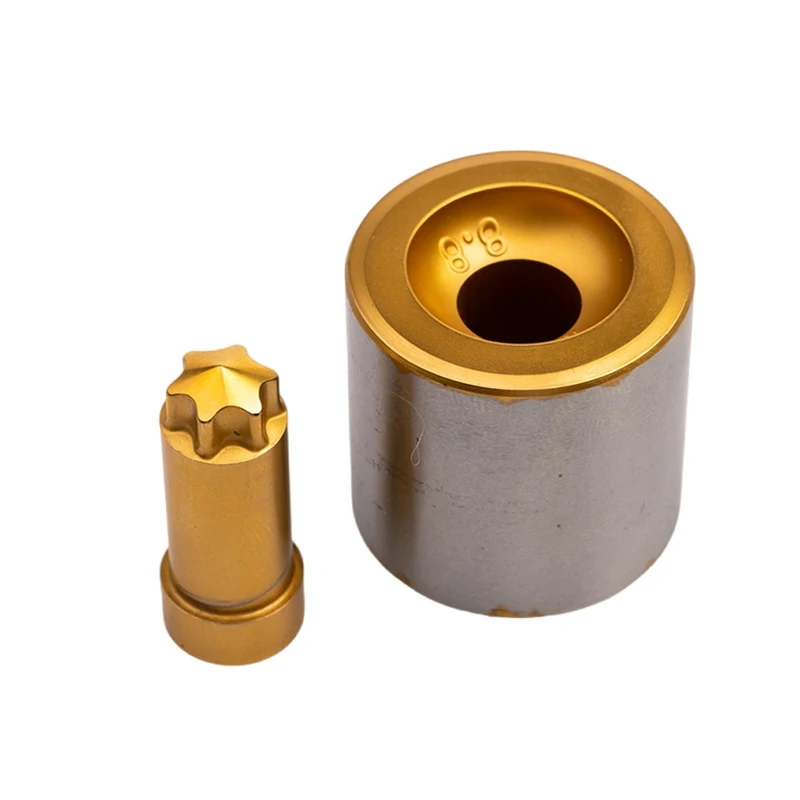
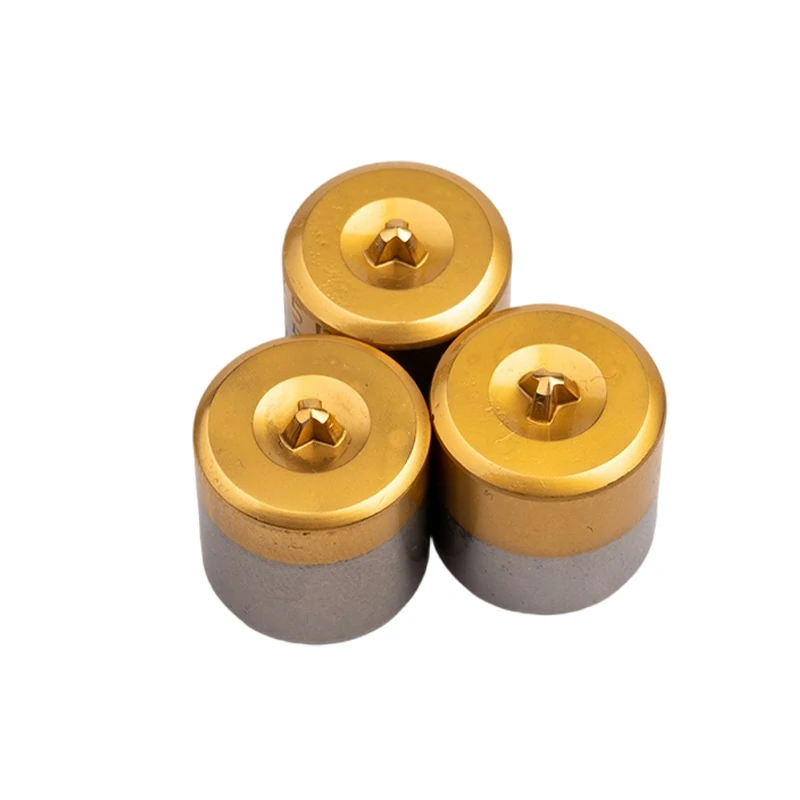
Coated Header Punches

How Do Coated Header Punches Extend Tool Life in High-Speed Screw Production?

This engineering guide explains how applying TiN or TiAlN coatings to Coated Header Punches solves friction issues in high-speed screw production. It details the synergy between hard substrates (HRC 50-65) and thermal barriers, which reduce abrasive wear by 30-50%. The article includes a real-world case study demonstrating a 1.8x increase in tool life and a 20-35% reduction in scrap rates, providing a clear roadmap for procurement managers to optimize production efficiency.

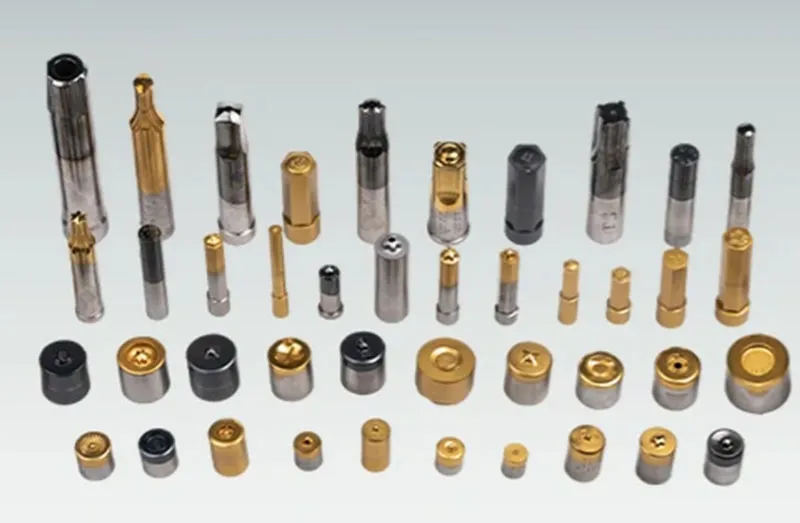
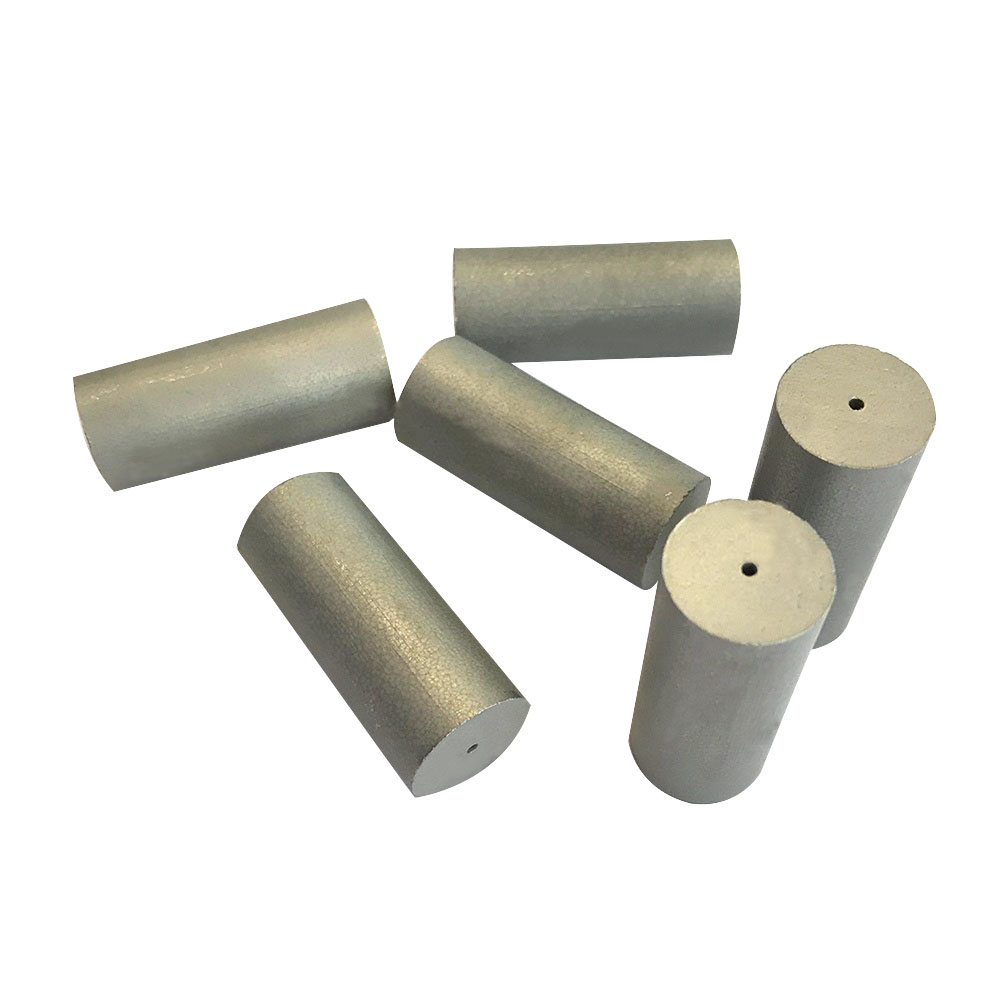
Precision Header Punches

Solving Alignment Issues in High‑Volume Cold Heading With Precision Header Punches

This case study explores the critical role of Precision Header Punches in solving alignment issues within high-volume cold heading production. It analyzes how microscopic misalignment leads to stress concentration and premature failure. Through a real-world automotive fastener example (2,000 parts/day), the article demonstrates that combining high-precision geometry (HRC 50-65) with TiN/TiAlN coatings and strict alignment protocols can extend tool life by 60% and significantly reduce unplanned maintenance.

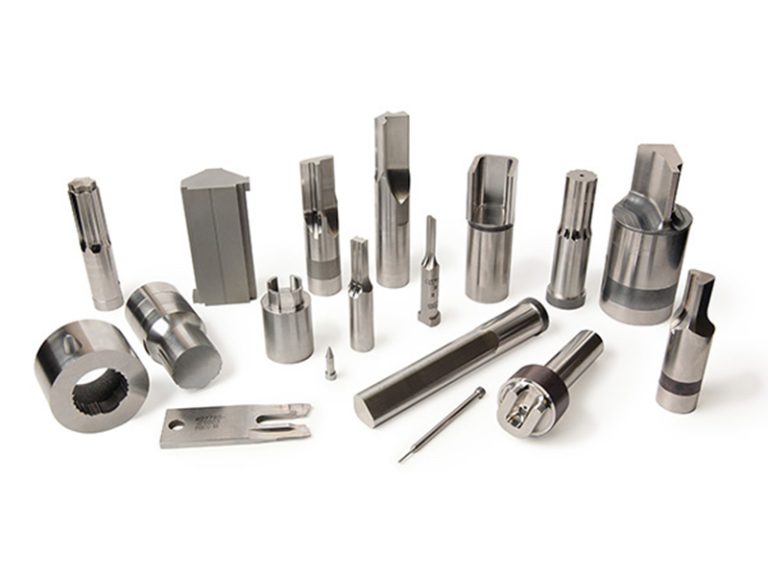
Header Punch

What Are the Main Failure Modes of Header Punches in High-Volume Cold Heading, and How to Prevent Them?

This technical guide analyzes the primary causes of header punch failure in high-speed fastener manufacturing. It identifies abrasive wear, plastic deformation, and misalignment as the core risks to production efficiency. By optimizing tool hardness (Rockwell C50-65), selecting high-grade materials like tungsten carbide, and maintaining precision concentricity, manufacturers can significantly reduce downtime and scrap rates. The article provides data-driven strategies for B2B procurement managers to improve “cost per hit” and tool longevity.

How Pin Punch Quality Directly Impacts Fastener Precision and Yield

High-quality pin punches are the cornerstone of successful fastener manufacturing, directly determining the final product’s dimensional accuracy, surface integrity, and batch-to-batch consistency. The quality of a punch—from its material composition and geometric precision to its surface finish—has a profound and measurable effect on production outcomes, significantly reducing scrap rates, minimizing machine downtime, and ultimately boosting overall production yield and profitability. Investing in superior punches is not merely an operational expense; it is a strategic investment in precision and efficiency.

Real-World Cases

Real-World Cases: Increasing Output with Carbide Heading Dies

The article demonstrates how switching from traditional steel dies to tungsten carbide heading dies significantly enhances production efficiency and profitability in cold forming. Through two primary case studies—an automotive fastener manufacturer and a construction rivet producer—it highlights measurable gains:

Increased Tool Life: Improvements of over 1,200% compared to steel.

Reduced Downtime: Drastic cuts in machine stoppages for tool changes.

Higher Quality: Superior dimensional stability leads to lower scrap rates and better surface finishes. The piece concludes that while the initial investment is higher, the rapid ROI and increased “Overall Equipment Effectiveness” (OEE) make carbide dies a strategic necessity for high-volume manufacturing.

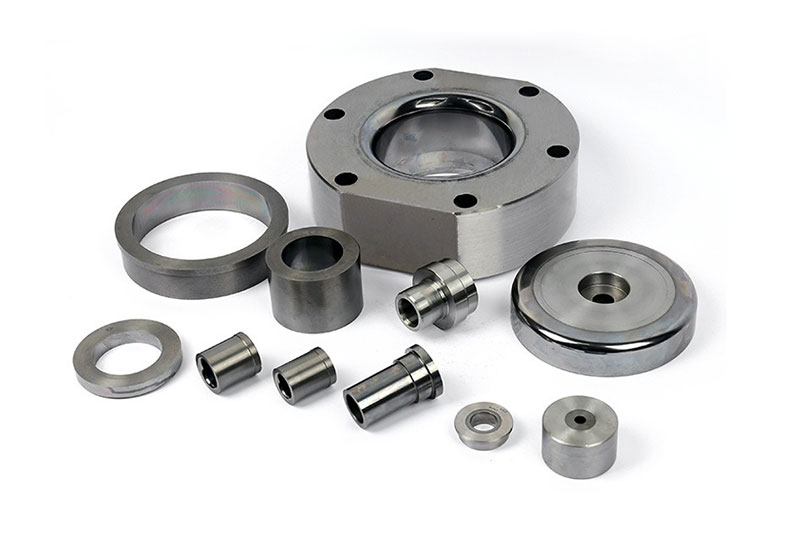
Carbide or Steel Dies: How to Select the Right Insert for Your Process

Carbide or Steel Dies: How to Select the Right Insert for Your Process

Selecting the right material for your die inserts, whether tungsten carbide or tool steel, is a critical decision that directly impacts production efficiency, part quality, tooling lifespan, and overall manufacturing cost. The best choice depends on a careful evaluation of your specific application, including the material being formed, production volume, required tolerances, and operational budget. While steel dies offer a cost-effective solution for many applications, carbide dies provide superior wear resistance and durability for high-volume, high-precision operations. This comprehensive guide will walk you through the key differences, benefits, and selection criteria to help you determine the ideal die material for your manufacturing process.

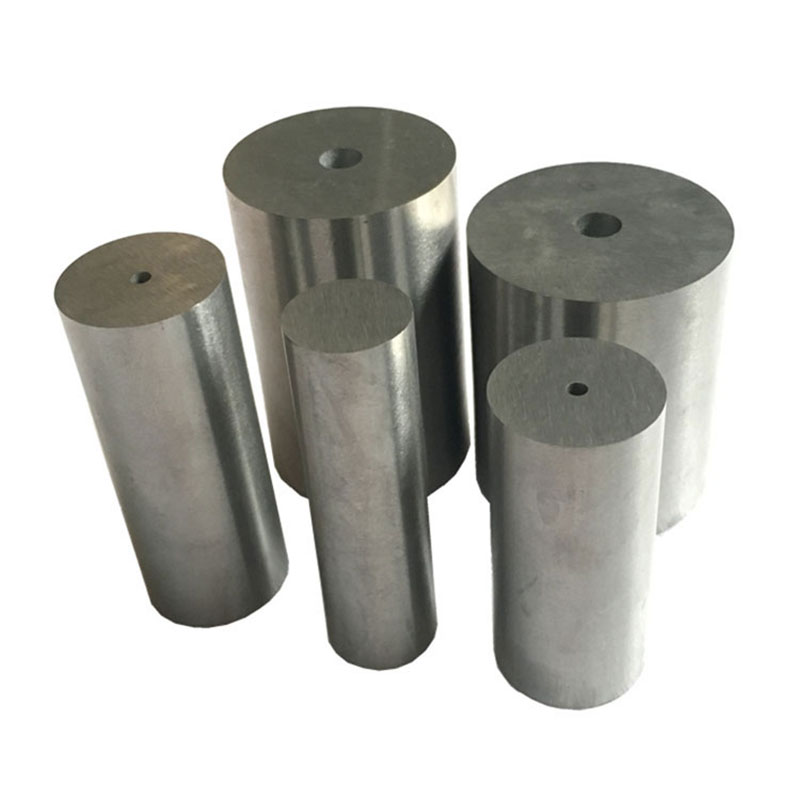
Carbide for Cold Heading Dies

Why Manufacturers Choose Carbide for Cold Heading Dies

Manufacturers choose tungsten carbide for cold heading dies due to its exceptional combination of extreme hardness, superior wear resistance, and immense compressive strength. This advanced material directly translates to significantly longer tool life, higher precision in finished parts, and dramatically reduced production downtime when compared to traditional tool steels, making it the most cost-effective solution for high-volume, high-pressure forming operations.

Cold Heading Dies

Common Types of Failures Seen in Cold Heading Dies

In the high-pressure world of cold forming, the cold heading die is the heart of the operation. It is subjected to immense cyclical stresses, high pressures, and abrasive forces with every part it produces. Consequently, die failure is not a matter of *if*, but *when*. However, by understanding the mechanisms behind these failures, manufacturers can transition from a reactive to a proactive maintenance and procurement strategy. This guide provides an in-depth analysis of the common failure types seen in cold heading dies, exploring their causes and, most importantly, the engineering and operational strategies to prevent them. A well-designed, expertly manufactured die isn’t an expense; it’s a critical investment in operational efficiency and profitability.

Looking For A Reliable Precision Mold Manufacturing?

Get An Instant Quote