
Top 7 Advantages of Using Carbide Heading Dies in Fastener Production
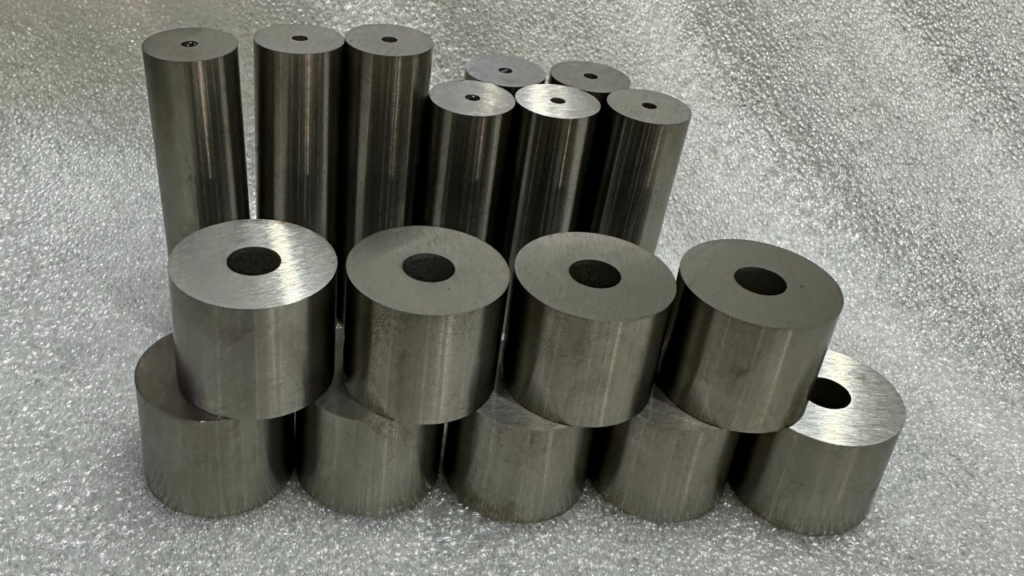
The primary advantages of using carbide heading dies in fastener production include exceptional wear resistance, longer tool life, improved dimensional accuracy, superior surface finish on products, and a lower total cost of ownership despite a higher initial investment. These benefits directly translate to increased manufacturing efficiency, higher quality fasteners, and significant long-term cost savings. […]
5 Common Problems with Carbide Heading Dies and How to Solve Them
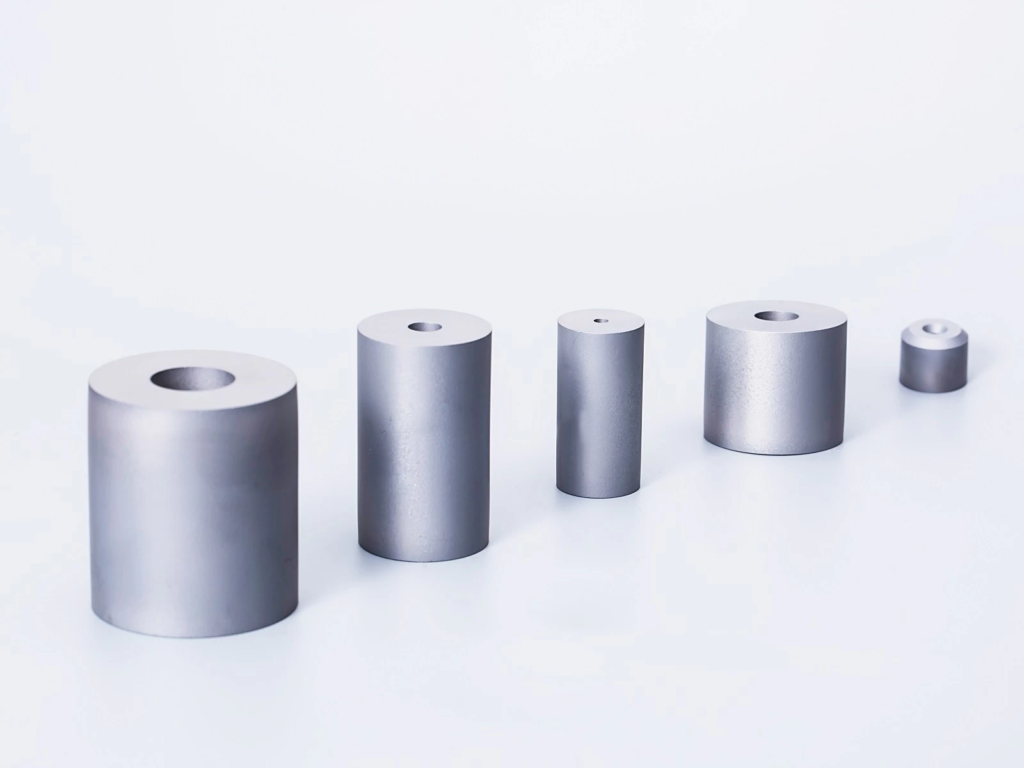
The most common problems with carbide heading dies that impact production efficiency and part quality are premature wear, cracking or catastrophic fracture, edge chipping, galling and material pickup, and dimensional inaccuracy or “washout.” Understanding the root causes of these issues—which range from incorrect carbide grade selection and improper machine setup to inadequate lubrication and flawed die design—is the first step toward implementing effective solutions, dramatically increasing tool life, reducing downtime, and improving profitability. This comprehensive guide will explore each of these challenges in-depth and provide actionable strategies to solve them.
Pin Punch vs. Standard Punch: Key Differences You Should Know
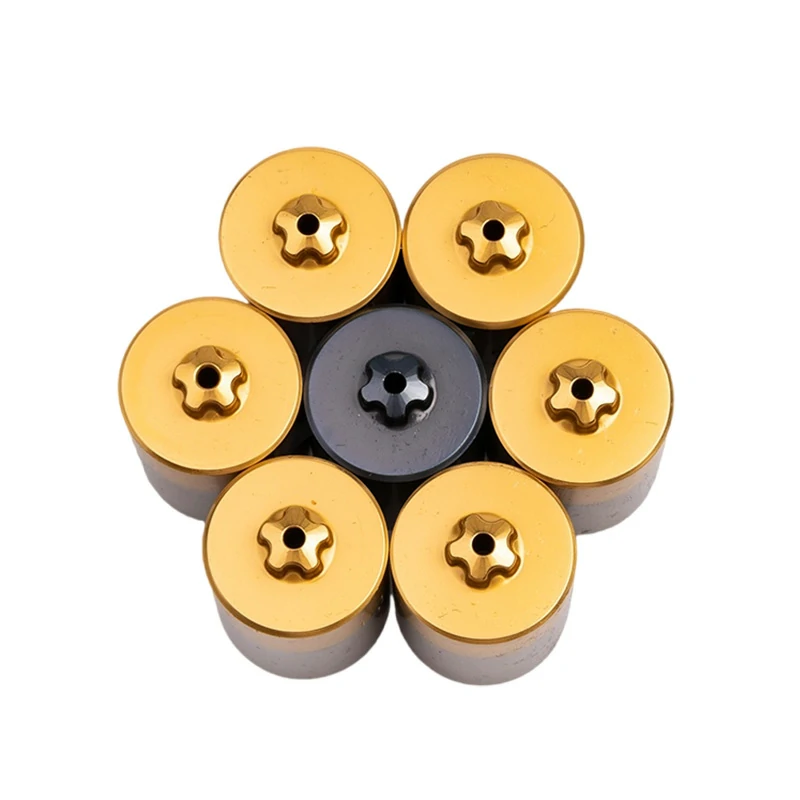
The key difference between a pin punch and a standard punch, especially in the context of precision mold making and tooling, lies in their fundamental purpose and design. A pin punch is primarily used to transmit force for tasks like ejection, alignment, or creating core features without fundamentally altering the workpiece’s shape, often exemplified by ejector pins or core pins. In contrast, a standard punch (more accurately a pierce or forming punch) is engineered to actively modify the workpiece by shearing, piercing, forming, or blanking material through high-impact force. Understanding this distinction is critical for designing robust molds, ensuring part quality, and maximizing the operational life of your tooling.
What Is a Pin Punch and Why It’s Essential in Cold Heading Operations?
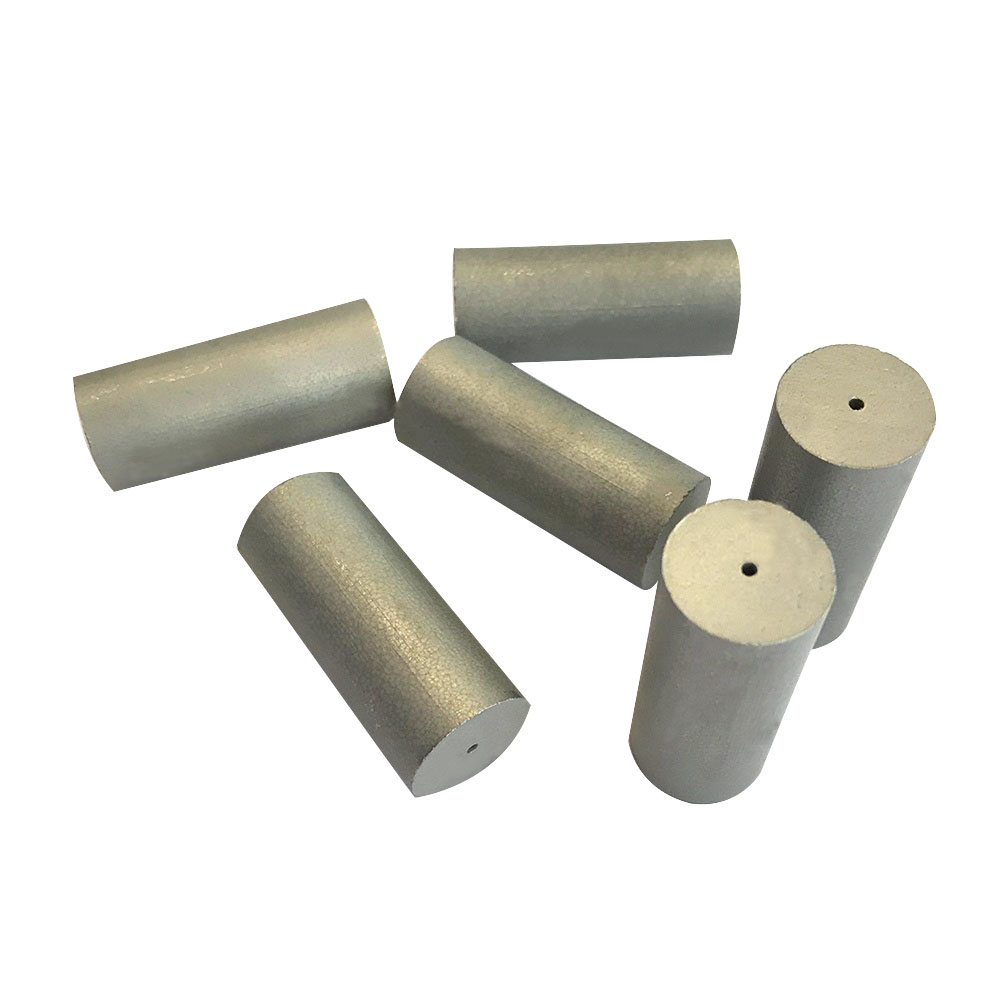
A pin punch, also known as an ejector pin or knockout (KO) pin in cold heading operations, is a critical, high-precision tooling component responsible for the clean and rapid ejection of a newly formed part, like a screw or bolt, from the forming die cavity. Its flawless performance is not just a procedural step but the linchpin that ensures continuous production, maintains part quality, and prevents catastrophic tooling damage. While seemingly small, the pin punch withstands immense repetitive force and is fundamental to the efficiency and profitability of any high-volume fastener manufacturing process.
Top 6 Ways to Extend the Life of Your Pin Punch Tools
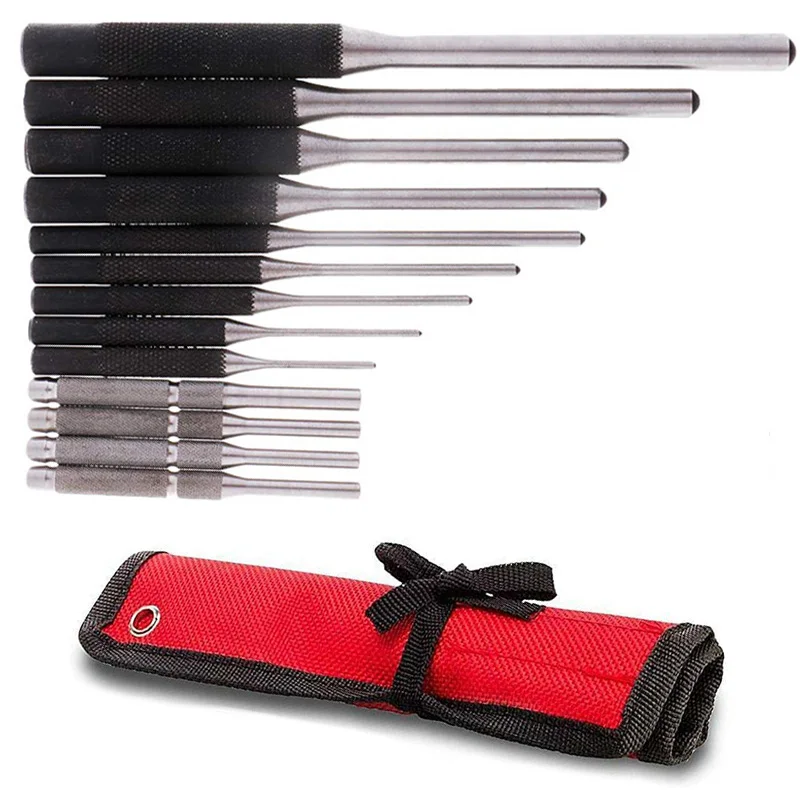
To extend the life of your pin punch tools, it’s crucial to select the correct size and material for the job, use proper perpendicular alignment with controlled force, implement a proactive maintenance routine including cleaning and dressing the tip, store them correctly to prevent damage, use appropriate lubrication to reduce friction, and perform regular inspections to identify wear before failure. Following these professional practices not only preserves your tools but also enhances safety, precision, and efficiency in any high-stakes environment like mold making or precision machining.
The Great Difference: Thread Rolling Dies vs. Flat Dies—An Expert Guide
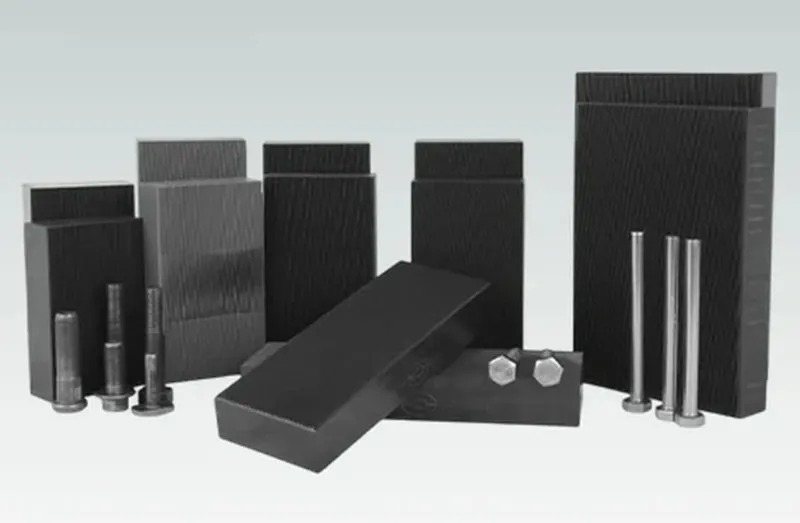
The great difference between thread rolling dies and flat dies lies in their fundamental mechanism and ideal application. Flat dies consist of two reciprocating (sliding) plates, making them exceptionally fast and cost-effective for mass-producing standard fasteners like screws and bolts. In contrast, circular (or rotary) dies use two or three rotating cylindrical tools, offering superior precision, longer tool life, and the versatility to create complex, high-strength threads for critical industries like aerospace and automotive. The choice is not about which is inherently better, but which is perfectly suited to your specific production volume, precision requirements, and part geometry.
HEROSLAM’s New Thread Rolling Dies: A Deep Dive into the Future of Fastener Manufacturing
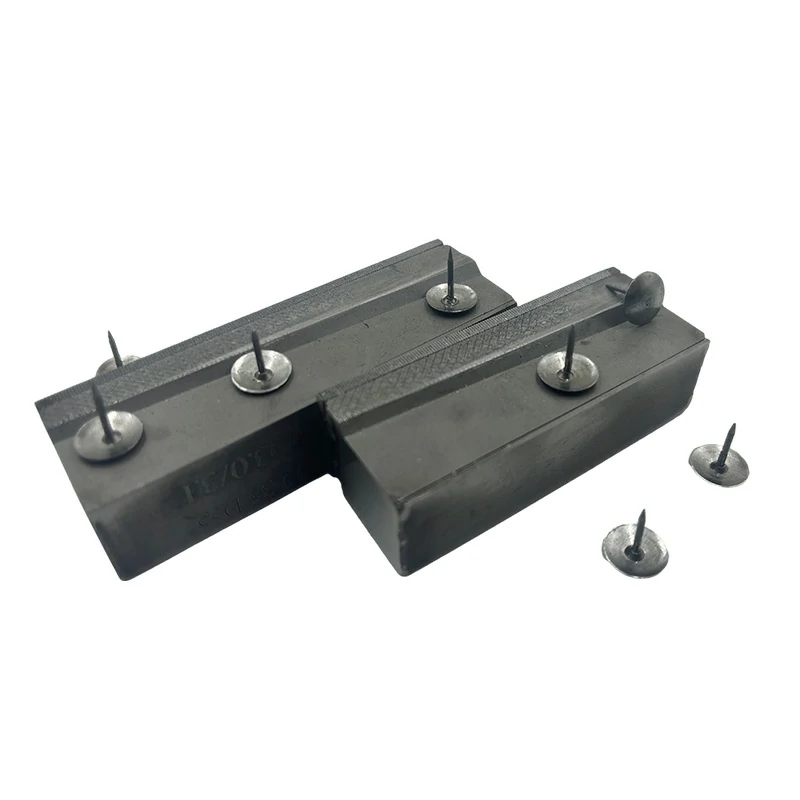
HEROSLAM has officially launched a new, groundbreaking range of thread rolling dies, engineered to deliver unprecedented tool life, superior thread quality, and significant cost savings in fastener production. This launch, centered around their innovative GG coating and advanced steel metallurgy, represents a major leap forward for high-demand industries such as aerospace, automotive, and construction, setting a new benchmark for performance and durability in thread forming technology. As experts in precision tooling, we see this as a pivotal development that addresses long-standing challenges in manufacturing efficiency and component reliability.
Your Ultimate Guide to Customizing Flat Thread Rolling Dies for Precision and Performance
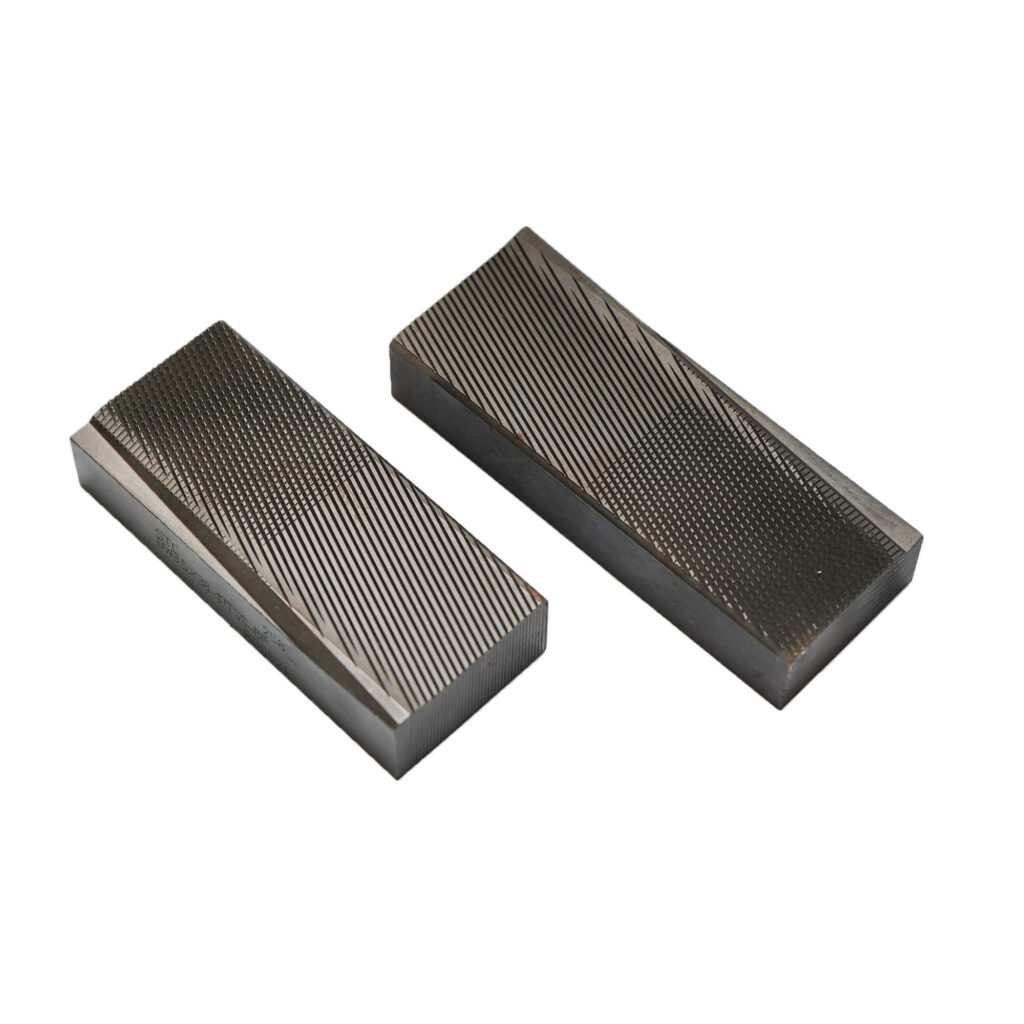
Customizing flat thread rolling dies is the definitive process for manufacturers seeking to achieve unparalleled precision, superior fastener performance, and extended tool longevity. Unlike standard, off-the-shelf options, custom dies are meticulously engineered by tailoring key parameters—including material selection, thread profile geometry, lead-in angle, and surface coatings—to the unique demands of a specific application. This bespoke approach allows for the creation of fasteners with exact tolerances, enhanced strength, and flawless finishes, directly translating to higher quality end-products and more efficient, cost-effective production cycles. Whether you’re working with challenging materials or require a unique thread form, custom flat thread rolling dies are the key to unlocking optimal results.
A Comprehensive Guide to the Flat Die Thread Rolling Process
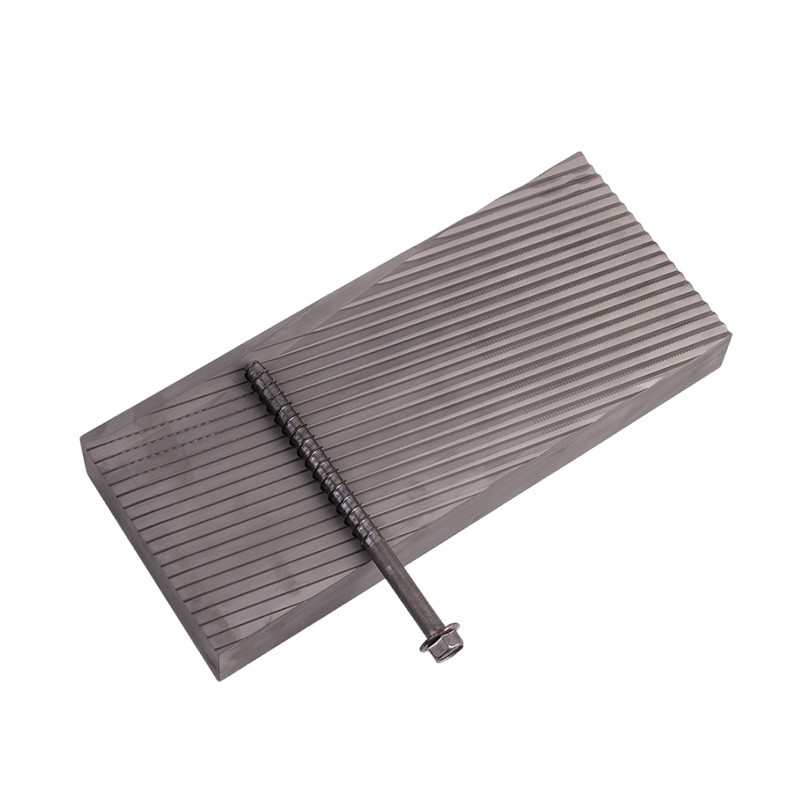
The process of rolling a flat die thread is a chipless, cold-forming manufacturing method where a cylindrical blank is rolled between two reciprocating flat dies. These dies, engraved with the reverse profile of the desired thread, plastically deform the blank’s surface to form strong, smooth, and highly accurate threads without removing any material. This technique is highly valued in mass production for its speed, material efficiency, and the superior mechanical properties it imparts to the finished fastener, such as screws, bolts, and studs.
