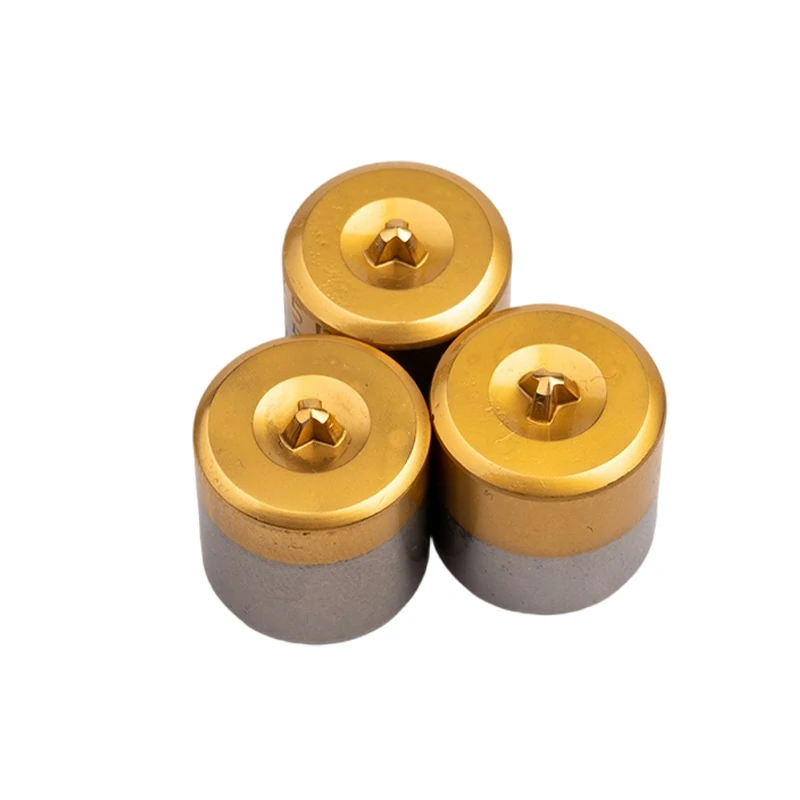
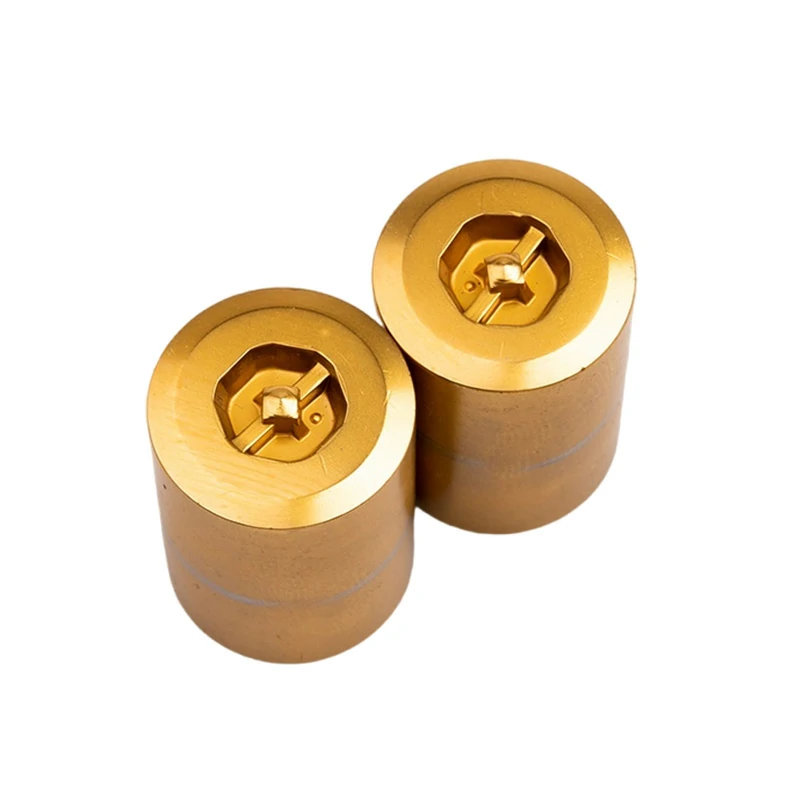
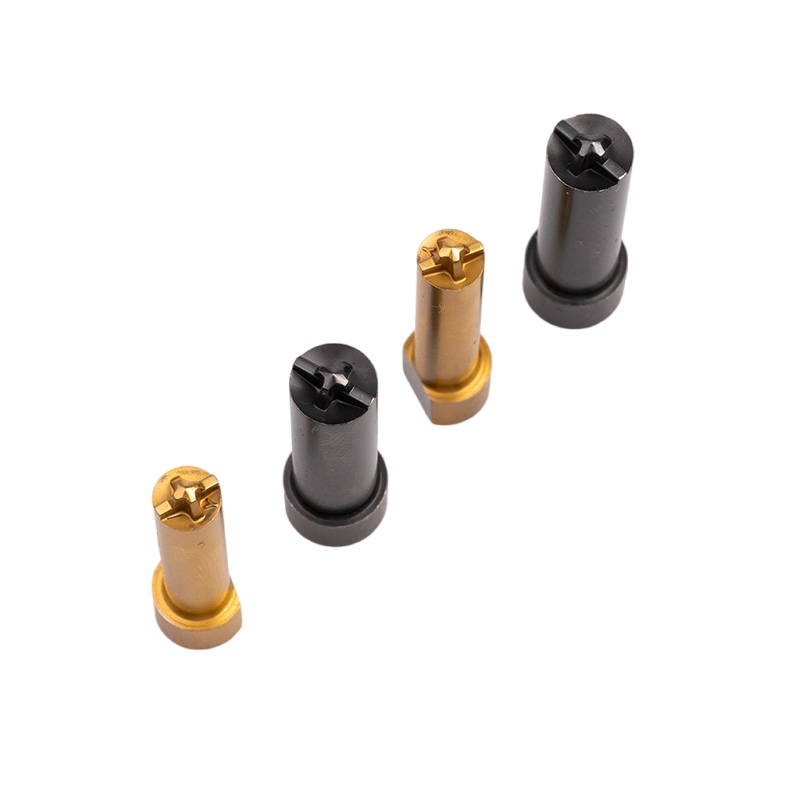
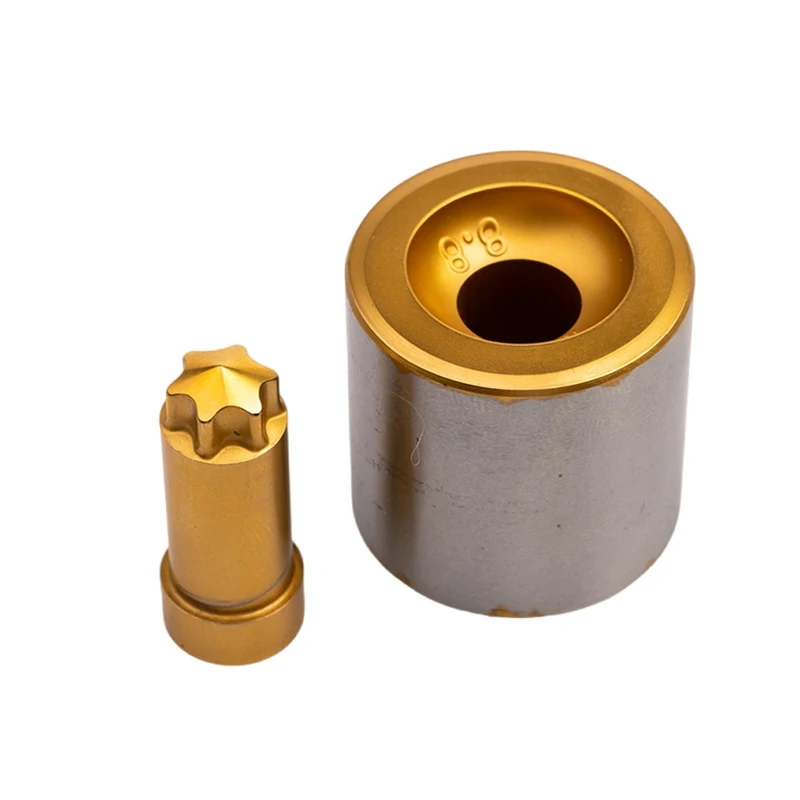
The process of rolling a flat die thread is a chipless, cold-forming manufacturing method where a cylindrical blank is rolled between two reciprocating flat dies. These dies, engraved with the reverse profile of the desired thread, plastically deform the blank’s surface to form strong, smooth, and highly accurate threads without removing any material. This technique is highly valued in mass production for its speed, material efficiency, and the superior mechanical properties it imparts to the finished fastener, such as screws, bolts, and studs.
Unlike traditional thread cutting, which carves away material to create threads, thread rolling displaces and reforms the metal. This cold-working process rearranges the grain structure of the material to follow the contour of the thread, resulting in a significantly stronger and more fatigue-resistant product. At Xiluomold, we understand that the precision of this process begins with the quality of the dies, and this guide will delve into every facet of how this remarkable manufacturing technique works.
Table of Contents
- What Exactly is Flat Die Thread Rolling?
- The Core Components: Understanding the Flat Die System
- The Step-by-Step Flat Die Thread Rolling Process Explained
- Why Choose Thread Rolling Over Thread Cutting? A Detailed Comparison
- Key Factors Influencing the Quality of Rolled Threads
- Where is Flat Die Thread Rolling Commonly Used?
- Conclusion: The Xiluomold Advantage in Precision Tooling
What Exactly is Flat Die Thread Rolling?
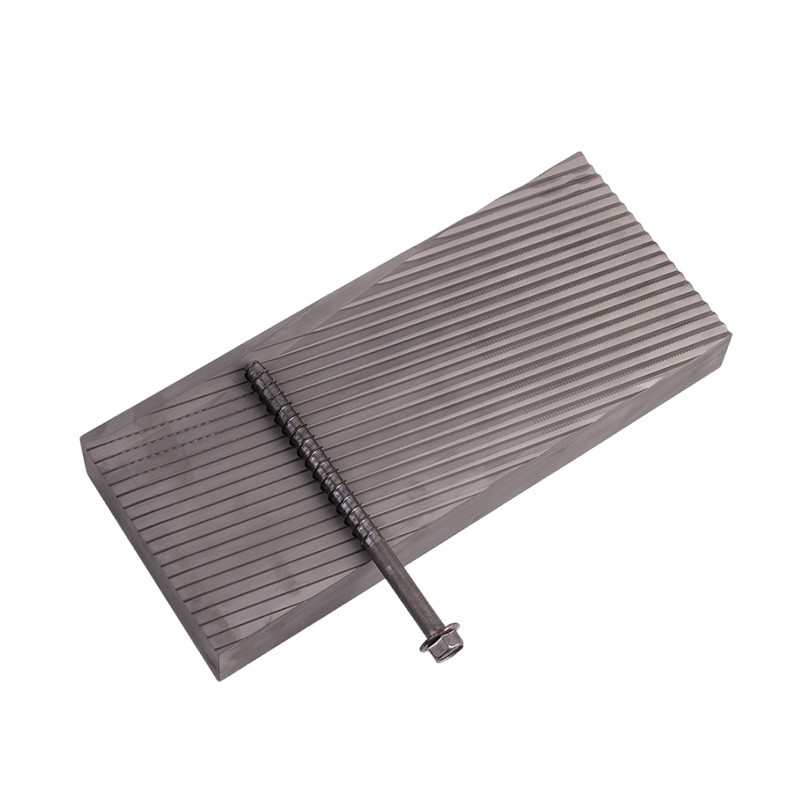
To truly grasp the concept, imagine rolling a piece of soft clay between your hands. As you apply pressure and move your hands, the clay changes shape without any of it being removed. Flat die thread rolling operates on a similar principle but with metal and incredible precision. It is fundamentally a cold-forming process, meaning it is performed at or near room temperature. The term “flat die” refers to the tooling used: a pair of rectangular steel blocks with the thread form machined into their faces.
During the process, one die remains stationary while the other reciprocates, moving back and forth. A cylindrical workpiece, known as a “blank,” is introduced between them. As the moving die travels across the stationary die, it forces the blank to roll between them. The immense pressure exerted by the dies causes the material on the blank’s surface to be displaced, flowing into the grooves of the dies to form the thread crests. The material for the crests comes from the roots of the thread, which is why this is called a chipless process—no material is wasted as chips or swarf.
This method of forming threads offers a distinct advantage in material integrity. The cold working of the metal compresses its grain structure, a phenomenon known as work hardening. This not only increases the thread’s surface hardness and tensile strength but also creates a grain flow that follows the thread profile, drastically improving resistance to fatigue, shear, and stripping. This metallurgical benefit is a key reason why rolled threads are specified for high-stress applications in the automotive, aerospace, and construction industries.
The Core Components: Understanding the Flat Die System
The success of the flat die thread rolling operation depends on the precise interaction of three main components: the dies, the blank, and the machine. Each element plays a critical role in achieving the final thread specifications with consistency and quality.
The Reciprocating Flat Dies
The dies are the heart of the process. They are typically manufactured from high-speed tool steels that are hardened and ground to exact specifications. One die is the stationary die, mounted on a fixed part of the machine, while the other is the moving or reciprocating die, which slides back and forth. The face of each die has a series of parallel grooves that are the negative image of the thread to be formed. The design of these dies is critical; it must account for the material type, thread pitch, and desired class of fit. The quality, hardness, and surface finish of the dies directly translate to the quality and lifespan of the tooling, making expert die manufacturing, like that at Xiluomold, essential.
The Cylindrical Blank
The workpiece, or blank, is a carefully prepared cylindrical piece of metal. One of the most critical parameters of the blank is its diameter. Contrary to what one might assume, the starting blank diameter is not the major diameter of the final thread. Instead, it is approximately the pitch diameter—the theoretical diameter halfway between the major (outermost) and minor (innermost) diameters. During rolling, the material displaced from the thread roots flows outward to form the crests. If the blank diameter is too large, the dies won’t be able to close properly, resulting in oversized threads and potential damage to the machine. If it’s too small, the threads will not be fully formed, leading to a weak and out-of-spec part.
The Thread Rolling Machine
The machine provides the power and control for the operation. A flat die thread rolling machine consists of a sturdy frame, a drive system (often a flywheel and crank mechanism) to power the reciprocating die, a feeding mechanism to introduce blanks, and systems for adjusting the distance between the dies. The machine must be robust enough to withstand the immense forces generated during cold forming while maintaining precise alignment between the two dies. Proper setup and calibration of the machine are paramount for consistent production.
The Step-by-Step Flat Die Thread Rolling Process Explained
The transformation from a smooth blank to a perfectly threaded fastener happens in a rapid, controlled sequence. Understanding each step reveals the engineering precision involved.
Step 1: Blank Preparation and Sizing
The process begins long before the blank meets the dies. The raw material is cut to length and formed into a cylindrical blank, often through a cold heading process. As mentioned, the blank’s diameter must be held to a very tight tolerance, typically within a few thousandths of an inch. The surface of the blank must also be clean and free of scale or defects that could be pressed into the final thread. In some cases, a small chamfer is added to the end of the blank to facilitate its entry between the dies.
Step 2: Machine Setup and Die Alignment
This is a critical step that requires skilled technicians. The stationary and moving dies are securely mounted in the machine. They must be perfectly parallel to each other and set at the correct distance to produce the desired thread size. The “match” is also checked, ensuring that the thread grooves on one die align perfectly with the grooves on the other as they pass each other. Any misalignment can result in malformed threads, such as tapered or drunken threads, and cause premature die wear. The timing of the blank feeding mechanism is also synchronized with the movement of the reciprocating die.
Step 3: The Rolling Cycle – A Moment of Transformation
Once the machine is running, the process is incredibly fast. A blank is fed from a hopper or vibratory bowl and positioned at the “start” end of the stationary die. The moving die begins its forward stroke, capturing the blank against the stationary die. As the blank is forced to roll between the two dies, their grooves penetrate its surface. The intense pressure displaces the material, causing it to flow radially outward and axially, forming the complete thread profile in just a few revolutions of the blank. The length of the dies determines the length of the thread that can be rolled in a single stroke.
Step 4: Ejection and Quality Inspection
At the end of the moving die’s stroke, the now-threaded part has traveled the full length of the dies and is ejected from the machine, often falling into a collection bin. The moving die then returns to its starting position, ready to accept the next blank. This entire cycle can take less than a second for small fasteners. Throughout the production run, parts are regularly sampled and inspected using thread gauges, micrometers, and optical comparators to ensure they meet all dimensional and quality specifications.
Why Choose Thread Rolling Over Thread Cutting? A Detailed Comparison
For high-volume production, thread rolling is almost always the preferred method over thread cutting (using a lathe or tap/die). The advantages are significant and cover material properties, production efficiency, and cost.
| Feature | Thread Rolling (Cold Forming) | Thread Cutting (Machining) |
|---|---|---|
| Process | Material is displaced and formed. No chips are produced (chipless). | Material is removed by a cutting tool to create the thread shape. |
| Material Strength | Significantly stronger. Work hardening and continuous grain flow increase tensile and fatigue strength. | Weaker. The grain structure is severed, creating stress points and potential failure paths. |
| Surface Finish | Excellent, smooth, and burnished finish due to compressive forces. | Good, but can have tool marks and imperfections from the cutting action. |
| Material Efficiency | Highly efficient. No material is wasted, reducing raw material costs. | Inefficient. The material cut away becomes scrap, increasing costs. |
| Production Speed | Extremely fast, ideal for mass production (up to hundreds of parts per minute). | Much slower, as it’s a multi-pass, material removal process. |
| Tooling Cost | High initial cost for precision dies. | Lower initial cost for cutting tools, but they wear faster. |
| Dimensional Accuracy | Very high and consistent, producing uniform parts over long runs. | Can be accurate but is subject to tool wear, which can alter dimensions over time. |
Key Factors Influencing the Quality of Rolled Threads
Achieving consistently high-quality rolled threads requires careful control over several variables. A deviation in any of these can lead to rejected parts and production downtime.
Blank Diameter Control
As emphasized earlier, this is the most critical variable. An incorrect blank diameter is the most common cause of thread rolling problems. Consistent, precise control over the blank diameter is non-negotiable for producing threads that meet class-of-fit requirements.
Lubrication
While it might seem counterintuitive to lubricate a high-pressure process, proper lubrication is essential. It serves several purposes: reducing friction between the dies and the blank, dissipating the heat generated during forming, and preventing metal-to-metal adhesion (galling). The right type and application of lubricant can significantly extend die life and improve the surface finish of the threads.
Die Material and Condition
The quality of the dies is paramount. Dies made from inferior materials or with poor heat treatment will wear out quickly, leading to out-of-spec threads. The dies must be kept clean and regularly inspected for signs of chipping or wear. A worn-out die will no longer produce a full-form thread, compromising the integrity of the final product. Investing in high-quality, durable dies from a specialized manufacturer like Xiluomold is a crucial factor in operational efficiency.
Machine Speed and Pressure
The speed at which the blank is rolled and the pressure exerted by the dies must be optimized for the specific material being used. Softer materials can often be rolled faster, while harder alloys may require slower speeds and higher pressures to allow the material time to flow properly without fracturing. Incorrect settings can lead to surface defects or incomplete thread formation.
Where is Flat Die Thread Rolling Commonly Used?
The combination of strength, speed, and cost-effectiveness makes flat die thread rolling the go-to method for manufacturing a vast array of threaded fasteners and components across numerous industries, including:
- Automotive: Engine bolts, wheel studs, suspension components, and other critical fasteners.
- Aerospace: High-strength bolts and screws for airframes and engines where fatigue resistance is paramount.
- Construction: Structural bolts, anchor bolts, and concrete screws.
- Electronics: Tiny precision screws used in laptops, phones, and other consumer devices.
- Industrial Machinery: Cap screws, set screws, and threaded rods used in all types of equipment.
Conclusion: The Xiluomold Advantage in Precision Tooling
The flat die thread rolling process is a masterpiece of manufacturing efficiency, transforming a simple metal blank into a strong, reliable, and precise threaded component. Its superiority over thread cutting in terms of strength, speed, and material savings makes it an indispensable technology in modern industry. However, achieving these benefits hinges on one critical element: the quality of the flat dies themselves. The precision, material science, and expert craftsmanship baked into the dies dictate the quality of every single part produced.
At Xiluomold, we specialize in the engineering and manufacturing of high-performance molds and dies. We understand that the tooling is not just a component; it is the foundation of our clients’ production process. Our commitment to using superior tool steels, advanced heat treatment protocols, and ultra-precise grinding techniques ensures that our flat thread rolling dies deliver unparalleled performance, longevity, and consistency. When your application demands the utmost in thread integrity and manufacturing efficiency, the right partner for your tooling makes all the difference.