Table of Contents
- What Are Tungsten Carbide Dies and Why Do They Matter?
- The Genesis of an Industrial Revolution: The Early Days of Tungsten Carbide
- Key Milestones in the Evolution of Tungsten Carbide Die Technology
- Tungsten Carbide Dies in Modern Industry: Where Are They Used Today?
- A Comparative Analysis: Tungsten Carbide vs. Traditional Steel Dies
- The Future is Harder: What’s Next for Tungsten Carbide Dies?
- Partnering for Precision: Why Your Choice of Die Manufacturer Matters
- Conclusion: The Enduring Legacy and Bright Future of Tungsten Carbide
What Are Tungsten Carbide Dies and Why Do They Matter?
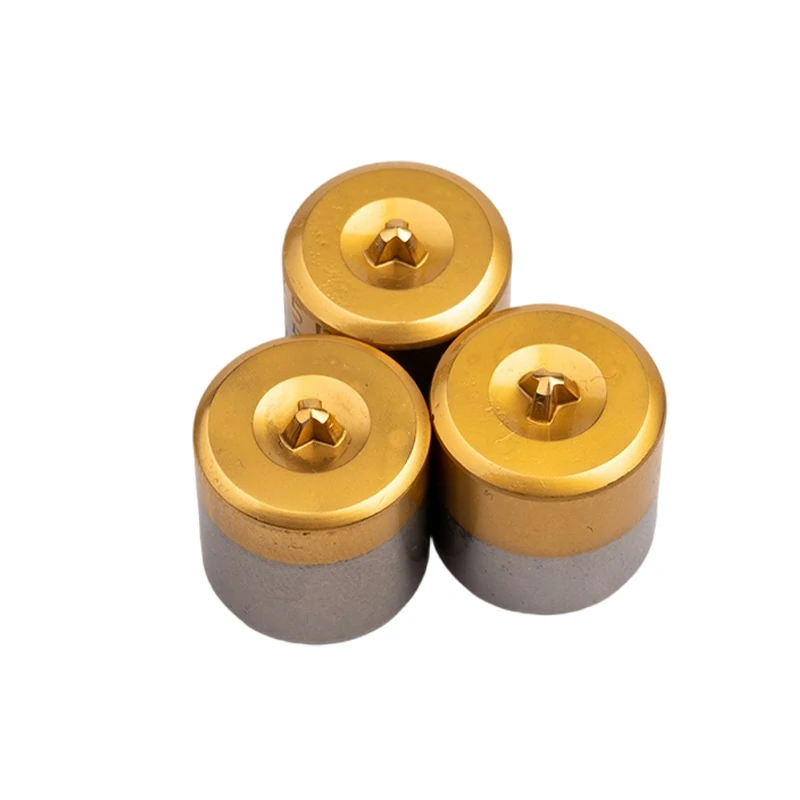
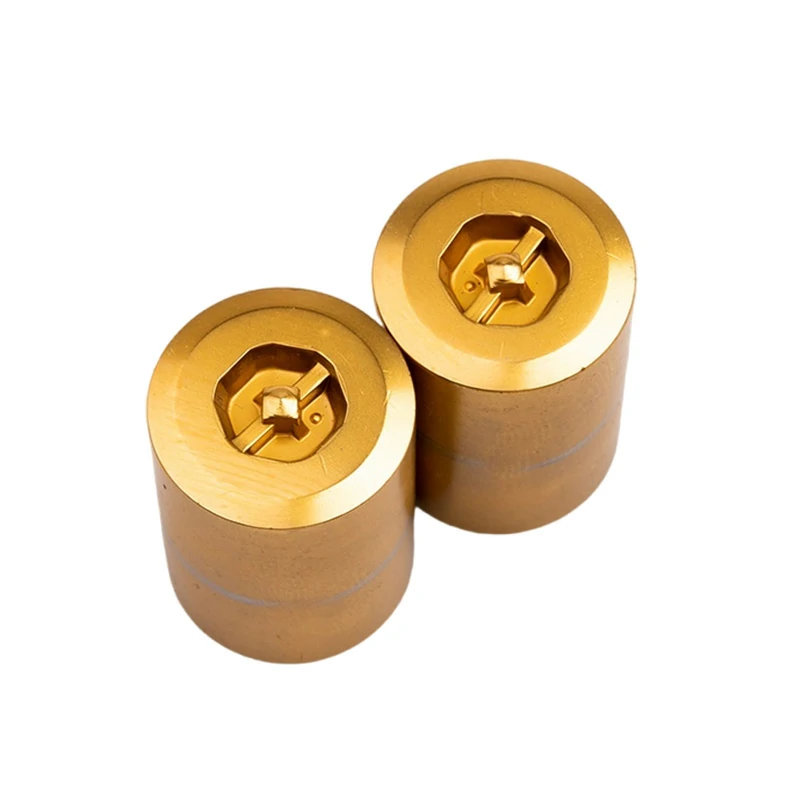
At their core, tungsten carbide dies are forming tools made from a composite material known as cemented carbide. This material is not a simple metal but a ceramic-metal matrix composite, created by “cementing” hard tungsten carbide (WC) particles within a softer, more ductile metallic binder, most commonly cobalt (Co). The result is a material that possesses a unique and powerful combination of properties: extreme hardness, exceptional wear resistance, high compressive strength, and excellent thermal stability. In the world of manufacturing, where tools are subjected to immense pressure, friction, and repeated impact, these properties are not just beneficial—they are essential.
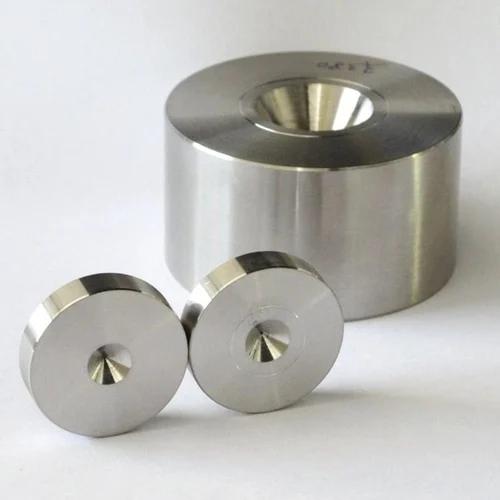
So, why have they become so indispensable? Traditional tool steels, while strong, wear down relatively quickly under the strain of high-volume production. This leads to dimensional inaccuracies in the finished parts, increased downtime for tool changes, and higher operational costs. Tungsten carbide dies solve these problems. Their incredible wear resistance means they can produce millions of identical parts before needing replacement, ensuring consistent quality and dramatically boosting productivity. This longevity and reliability make them the backbone of modern mass production in processes like drawing, extrusion, cold heading, and stamping, fundamentally enabling the cost-effective manufacturing of everything from tiny electronic components to large automotive parts.
The Genesis of an Industrial Revolution: The Early Days of Tungsten Carbide
The journey of tungsten carbide began in the early 20th century, born from a need for a material that could surpass the limitations of even the hardest steels. This period marked a critical turning point in materials science and manufacturing, setting the stage for the high-performance tooling we rely on today.
From Steel to “Widia”: A Leap in Durability
Before tungsten carbide, hardened high-speed steel was the pinnacle of tooling materials. While effective for its time, it struggled with the demands of machining and forming increasingly tough materials. The breakthrough came in the 1920s when Karl Schröter, working for the German company Osram, developed a process to sinter tungsten carbide powder with a cobalt binder. This new material was so hard that it was given the trade name Widia, a portmanteau of the German “wie Diamant,” meaning “like diamond.”
This wasn’t just an incremental improvement; it was a revolutionary leap. Widia could cut and shape materials at speeds and temperatures that would instantly ruin a steel tool. Its hardness, approaching that of a diamond, meant that it could hold a sharp, precise edge for an unprecedentedly long time. This invention immediately disrupted the metalworking industry, opening up new possibilities for efficiency and the machining of exotic alloys that were previously unworkable.
Early Applications and Manufacturing Hurdles
The first major industrial application for tungsten carbide was in wire drawing dies. The process of drawing metal wire through a die is incredibly abrasive, and steel dies would wear out quickly, causing the wire’s diameter to drift out of tolerance. Tungsten carbide dies, with their superior wear resistance, could maintain their precise shape for vastly longer production runs, resulting in more consistent wire quality and significantly less downtime. This success quickly led to its adoption in other high-wear applications.
However, early tungsten carbide had its challenges. While incredibly hard, it was also quite brittle compared to steel. The early manufacturing processes, based on basic powder metallurgy (pressing and sintering), often left behind microscopic pores or inconsistencies in the material. These internal defects could act as stress concentrators, leading to catastrophic failure under impact or shock loads. Overcoming this brittleness and refining the manufacturing process became the primary focus of the next several decades of innovation.
Key Milestones in the Evolution of Tungsten Carbide Die Technology
The journey from a brittle, albeit hard, material to the robust and sophisticated tooling of today is marked by four distinct and interconnected areas of advancement. Each milestone built upon the last, progressively unlocking new levels of performance and application possibilities.
Advancements in Powder Metallurgy: Refining the Core
The foundation of tungsten carbide’s quality lies in its manufacturing process. The evolution here has been profound. Early methods involved simple cold pressing of the WC-Co powder followed by sintering. This often resulted in a material with 1-2% porosity—tiny internal voids that compromised its strength and toughness. The single most important advancement to combat this was the widespread adoption of Hot Isostatic Pressing (HIP).
During the HIP process, a sintered carbide part is subjected to high temperature and immense, uniform gas pressure from all directions. This process effectively squeezes the material, eliminating virtually all internal porosity and creating a fully dense, homogenous structure. What does this mean for performance? A HIP-treated carbide die has significantly higher transverse rupture strength (a measure of toughness) and is far more resistant to fracture, making it suitable for high-impact applications like cold heading, which were once challenging for early carbides.
The Microstructure Revolution: From Coarse Grains to Nanoscale Precision
Scientists and engineers discovered that the properties of tungsten carbide were intrinsically linked to the size of the individual WC grains within the cobalt binder. Early carbides used relatively coarse grains (e.g., 3-5 microns). The major evolutionary step was the ability to produce and process much finer powders, leading to:
- Fine Grain Carbides (0.8-1.5 microns): Offered a better balance of hardness and toughness.
- Sub-Micron Carbides (0.2-0.8 microns): Dramatically increased hardness and wear resistance, making them ideal for dies that require a superior surface finish and long life in abrasive conditions.
- Nanoscale Carbides (<0.2 microns): Represent the cutting edge, offering the highest levels of hardness and wear resistance possible. They are used in ultra-precision applications where maintaining a sharp cutting edge or a perfect profile is critical.
This control over the microstructure allows manufacturers like Xiluo Mold to tailor the carbide grade precisely to the application, whether it requires extreme impact toughness or ultimate wear resistance.
The Rise of Surface Engineering: PVD and CVD Coatings
While the carbide body provides core strength and wear resistance, the ultimate performance often comes down to its surface. The development of advanced coating technologies has been a game-changer. These ultra-thin, super-hard ceramic coatings are applied to the working surface of the die to enhance specific properties:
- Chemical Vapor Deposition (CVD): A high-temperature process that creates a thick, highly adherent coating with excellent wear resistance. It’s often used for applications where heat and abrasive wear are the primary concerns.
- Physical Vapor Deposition (PVD): A lower-temperature process that deposits an extremely smooth, low-friction coating. PVD coatings like Titanium Nitride (TiN) or Aluminum Titanium Nitride (AlTiN) are perfect for preventing galling (material transfer) in drawing and forming operations and can significantly reduce the need for lubricants.
These coatings act as a barrier, protecting the carbide substrate, reducing friction, and enabling higher production speeds with improved part quality.
Precision Machining: Shaping the Unshapeable
Tungsten carbide’s extreme hardness makes it nearly impossible to machine with conventional tools. The evolution of non-traditional machining methods was therefore crucial to creating the complex geometries required for modern dies. Electrical Discharge Machining (EDM), in both wire and sinker forms, became the key enabling technology. EDM uses controlled electrical sparks to erode the carbide material, allowing for the creation of intricate profiles, sharp corners, and complex cavities with micron-level accuracy. Combined with advanced diamond grinding techniques, these processes allow for the manufacture of dies that are not only durable but also incredibly precise.
Tungsten Carbide Dies in Modern Industry: Where Are They Used Today?
Thanks to these evolutionary advancements, tungsten carbide dies are no longer limited to simple wire drawing. They are now at the heart of the most demanding forming operations across numerous sectors, including automotive, aerospace, electronics, medical, and construction.
Cold Forming and Heading
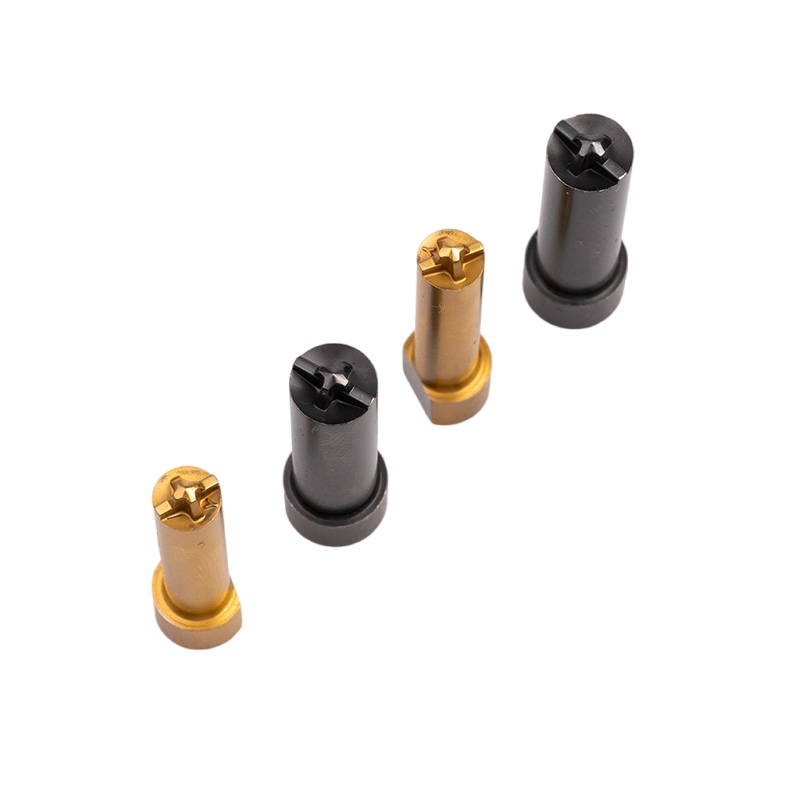
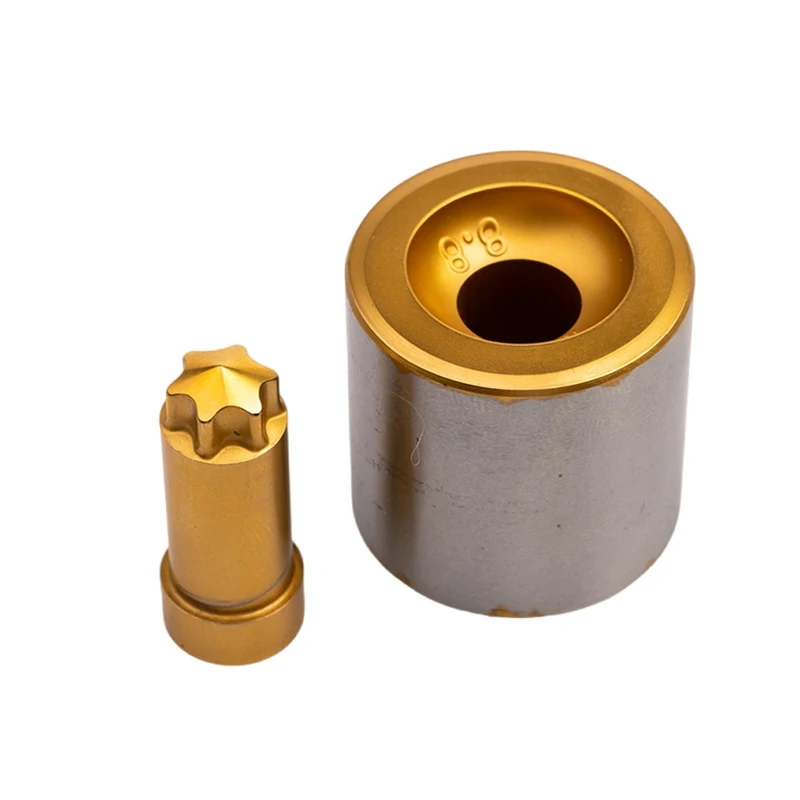
In cold forming, metal is shaped at room temperature through immense force. This process is used to create fasteners like bolts, screws, and rivets by the billions. Tungsten carbide cold heading dies must withstand constant, high-force impacts. The evolution towards fine-grain, HIP-treated carbides has been critical here, providing the toughness needed to resist cracking while maintaining the wear resistance required to produce millions of dimensionally perfect fasteners.
Drawing and Extrusion
This is the process of pulling or pushing material through a die to reduce its cross-section or create a specific profile. Applications range from producing copper wire and medical tubing to extruding complex aluminum profiles for window frames. Modern sub-micron carbide drawing dies, often with a PVD coating, provide a near-perfect surface finish, minimize friction, and ensure exceptional dimensional accuracy over extremely long production runs, which is crucial for maintaining tight tolerances.
Stamping and Punching
Stamping operations involve cutting or forming sheet metal into shapes. The cutting edges of stamping and punching dies must remain sharp to produce clean, burr-free parts. Tungsten carbide’s ability to hold a sharp edge far longer than tool steel makes it the ideal material for high-volume stamping of components like electrical connectors, motor laminations, and razor blades. The use of fine-grain carbides ensures that the cutting edge resists chipping and wear, leading to higher part quality and reduced maintenance.
A Comparative Analysis: Tungsten Carbide vs. Traditional Steel Dies
To truly appreciate the evolution and impact of tungsten carbide, it’s helpful to see a direct comparison with the material it largely replaced: tool steel. Understanding which material to use depends on the specific demands of the application, including volume, required precision, and budget.
| Property | Tungsten Carbide Dies | High-Speed Steel Dies |
|---|---|---|
| Hardness (HRA) | Extremely High (85-94 HRA) | High (60-70 HRA) |
| Wear Resistance | Exceptional. Can be 10x to 100x greater than steel. | Good, but wears significantly faster under abrasive conditions. |
| Toughness (Fracture Resistance) | Good to Excellent, especially with modern HIP-treated, fine-grain grades. Lower than steel. | Excellent. More forgiving to shock and impact. |
| Compressive Strength | Vastly superior. Resists deformation under extreme pressure. | Good, but can deform under the highest forming pressures. |
| Tool Lifespan (High Volume) | Very Long. Results in maximum uptime and consistent part quality. | Short to Medium. Requires frequent replacement or maintenance. |
| Initial Cost | Higher | Lower |
| Total Cost of Ownership | Often much lower due to increased productivity and reduced downtime. | Higher in high-volume scenarios due to replacement and labor costs. |
The Future is Harder: What’s Next for Tungsten Carbide Dies?
The evolution of tungsten carbide is far from over. Researchers and engineers are continually pushing the boundaries of what this remarkable material can do. Several exciting trends are shaping the future of carbide tooling.
Additive Manufacturing (3D Printing)
One of the most exciting frontiers is the 3D printing of tungsten carbide. Techniques like binder jetting followed by sintering allow for the creation of dies with incredibly complex internal geometries, such as conformal cooling channels. These channels can be designed to follow the exact shape of the die, allowing for highly efficient temperature control during forming processes. This could lead to higher production speeds, better part quality, and even longer die life.
Functionally Graded Materials (FGM)
Imagine a die that isn’t uniform but has properties that vary throughout its structure. This is the promise of Functionally Graded Materials. An FGM carbide die could be designed with an extremely hard, wear-resistant working surface (with a low cobalt content and fine grains) that gradually transitions to a much tougher, more impact-resistant core (with a higher cobalt content and coarser grains). This would create a single, monolithic die with the best of both worlds: ultimate surface durability and superior core toughness.
Smart Dies and Integrated Sensing
The future of manufacturing is data-driven. The next generation of tungsten carbide dies may come equipped with integrated fiber optic sensors to monitor stress, temperature, and pressure in real-time during the forming process. This data can be fed back into the machine’s control system to make micro-adjustments on the fly, optimizing the process, predicting tool failure before it happens, and ensuring perfect part quality, every time.
Partnering for Precision: Why Your Choice of Die Manufacturer Matters
The vast evolution of tungsten carbide technology highlights a critical point: not all carbide dies are created equal. The performance of a die is not just about the raw material; it’s about the expertise that goes into its design, material selection, and fabrication. This is where an expert manufacturer like Xiluo Mold becomes an invaluable partner.
A knowledgeable manufacturer brings several layers of value:
- Material Expertise: Understanding which of the hundreds of available carbide grades, grain sizes, and binder compositions is perfectly suited for your specific application.
- Engineering and Design: Optimizing the die geometry to manage stress, improve material flow, and maximize tool life.
- Manufacturing Excellence: Possessing the advanced equipment and process control for precision grinding, EDM, and surface coating needed to realize a design with micron-level accuracy.
- Quality Assurance: Implementing rigorous inspection from raw material to finished product to ensure that every die is free of defects and meets all specifications.
Choosing a partner with proven expertise and a commitment to leveraging the latest advancements in carbide technology is the surest way to unlock the full potential of these high-performance tools and maximize your manufacturing productivity.
Conclusion: The Enduring Legacy and Bright Future of Tungsten Carbide
From its genesis as a “diamond-like” substitute for steel to its current status as a highly engineered, nanostructured, and coated component, the evolution of the tungsten carbide die is a testament to relentless innovation in material science. Each advancement—from HIP processing and grain size refinement to PVD coatings and precision EDM—has directly translated into tangible benefits on the factory floor: higher speeds, tighter tolerances, longer life, and the ability to create parts of ever-increasing complexity. Tungsten carbide is no longer just a hard material; it is a foundational technology that continues to shape the very future of modern industry.