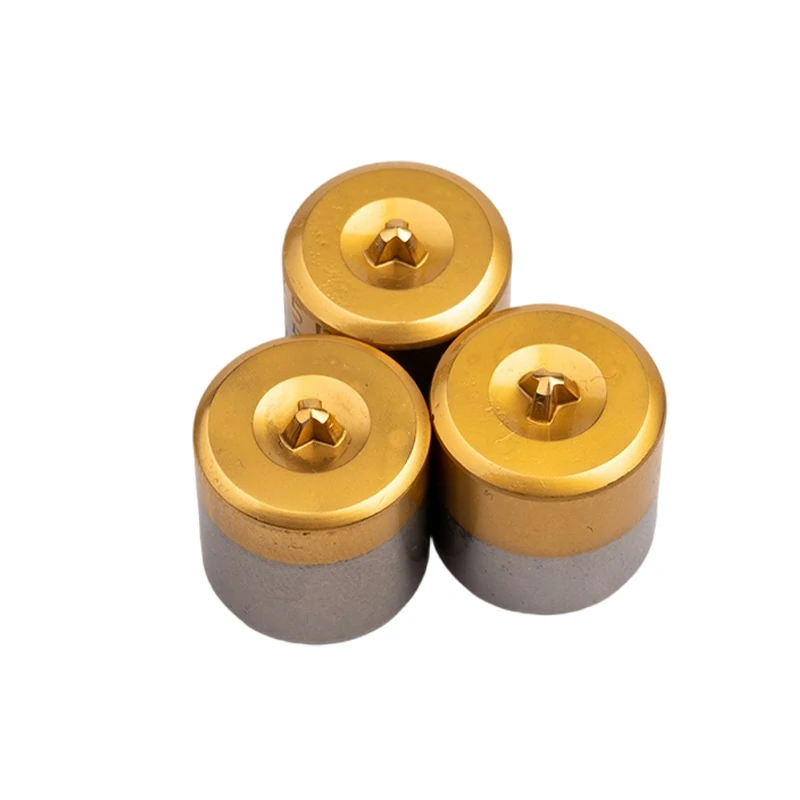
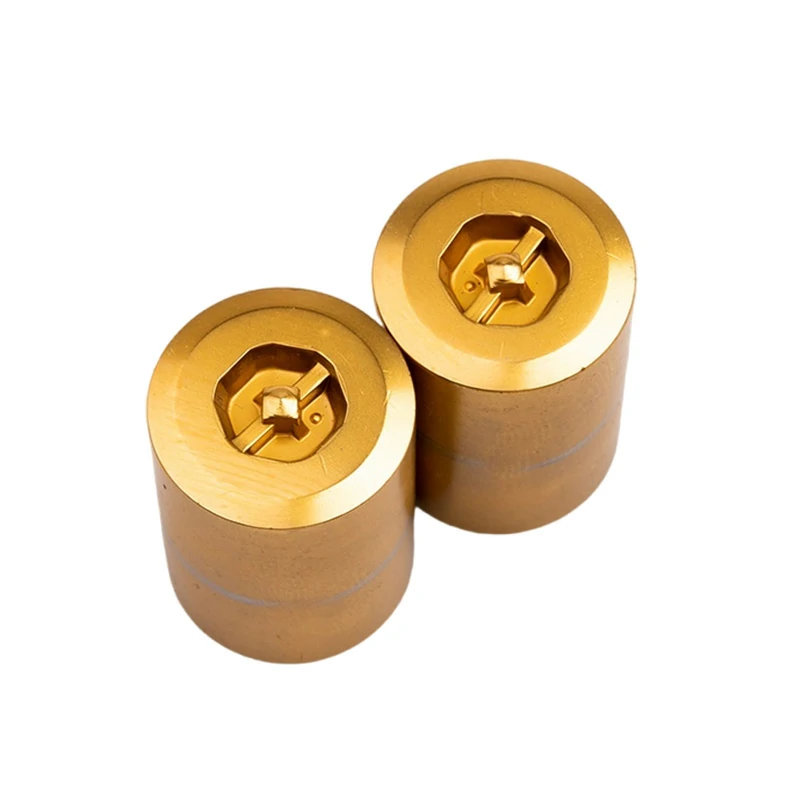
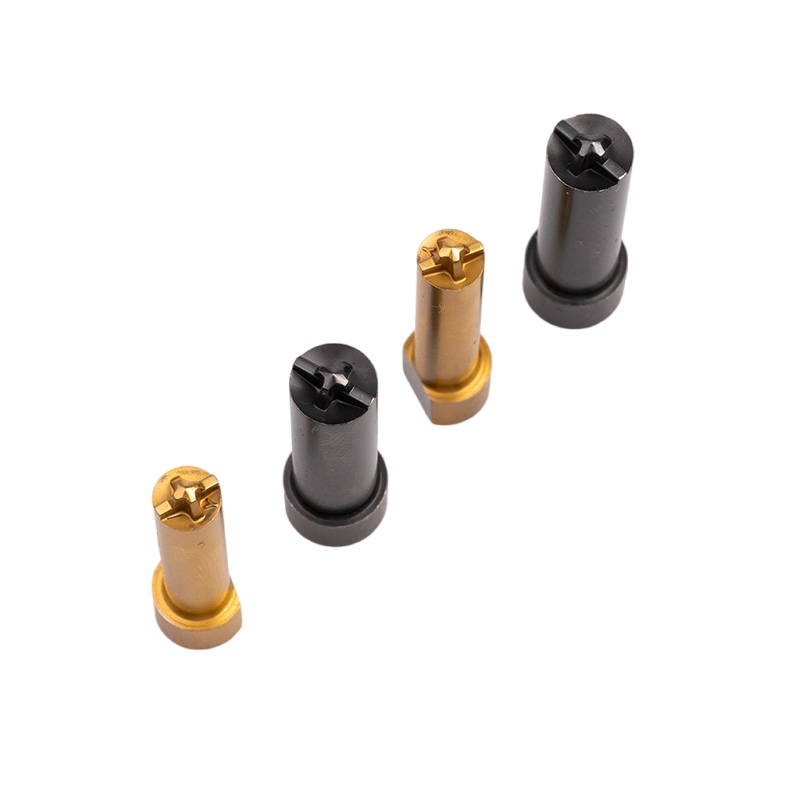
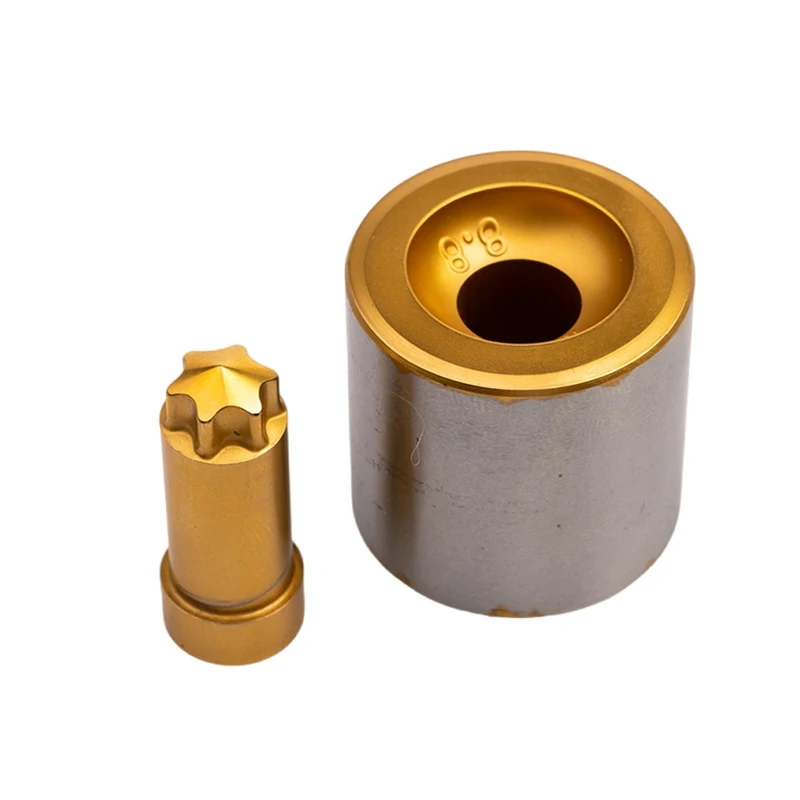
High-precision flat-base carbide die cores are specialized, exceptionally hard tooling components made from tungsten carbide, serving as the central forming cavity in the cold heading process for manufacturing nuts. Their primary function is to shape the metal wire into a precise nut blank under immense pressure, ensuring dimensional accuracy, superior surface finish, and consistent quality across millions of production cycles. The “flat-base” design provides optimal stability and force distribution within the die case, making these cores indispensable for high-volume, high-quality fastener production in industries like automotive, aerospace, and construction.
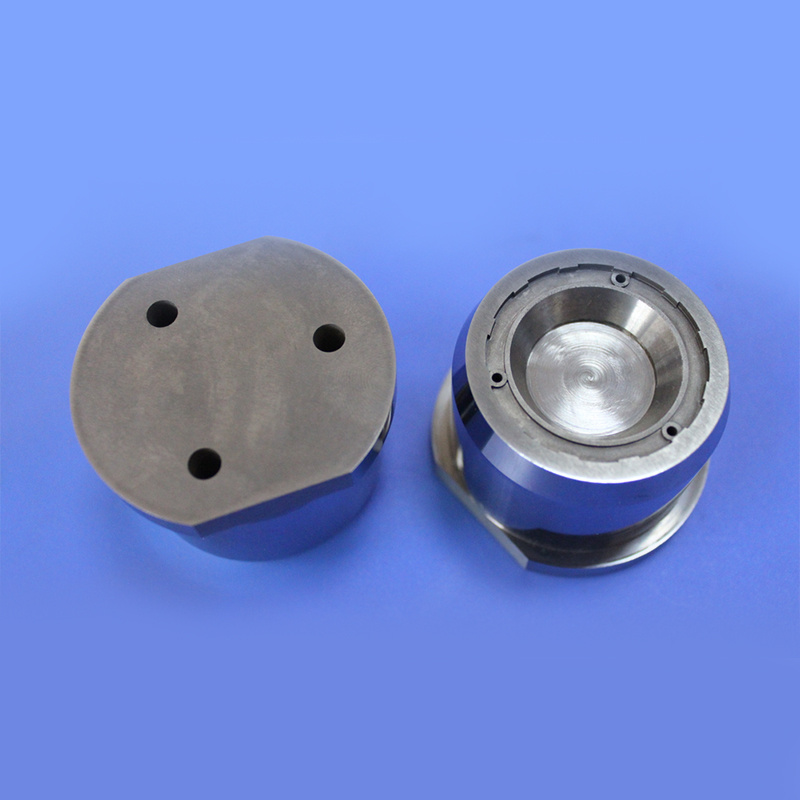
Table of Contents
- What Exactly Are High-Precision Flat-Base Carbide Die Cores?
- Why is Tungsten Carbide the Premier Material Choice?
- The Critical Role of Precision in Nut Manufacturing
- Key Technical Specifications to Consider
- How to Choose the Right Manufacturing Partner for Your Die Cores?
- Conclusion: Elevating Nut Production with Superior Tooling
What Exactly Are High-Precision Flat-Base Carbide Die Cores?
To truly understand the value of these components, it’s essential to break down their name and function. They are not just simple molds; they are the heart of the modern nut forming machine, engineered to withstand some of the most demanding conditions in manufacturing. Their design and material are a direct response to the industry’s need for speed, accuracy, and longevity.
Defining the Core: The Heart of Nut Forming
The “die core,” also known as a carbide insert or nib, is the inner component of a larger die assembly. During the cold heading or cold forming process, a segment of metal wire is forcefully injected into this core. A series of punches then strikes the wire, forcing it to flow and conform to the internal geometry of the die core. This single action forms the basic shape of the nut, including its hexagonal exterior and a pre-form for the central hole. The core is responsible for the final external dimensions and overall shape of the nut blank before threading. Its internal profile must be flawlessly executed to produce a consistent product, part after part, million after million.
The Significance of the “Flat-Base” Design
The term “flat-base” refers to the geometric design of the bottom of the die core. This design is crucial for several reasons. Firstly, a perfectly flat and parallel base ensures maximum surface contact with the die case or holder it sits in. This provides exceptional stability and prevents any rocking or shifting under the immense, repetitive impact forces of the forming process. Secondly, it allows for an even distribution of the compressive loads throughout the die assembly, minimizing stress concentrations that could lead to premature cracking or failure. This robust and stable foundation is fundamental to achieving the ultra-high precision required in modern fastener production.
Why is Tungsten Carbide the Premier Material Choice?
The selection of material for a die core is perhaps the most critical decision in its design. While tool steels can be used for lower-volume applications, tungsten carbide (often called hardmetal) is the undisputed champion for high-volume, high-precision nut production. Its unique combination of physical properties makes it uniquely suited for the extreme environment of cold forming.
Unmatched Hardness and Wear Resistance
Tungsten carbide is one of the hardest materials known, second only to diamond. This extreme hardness, typically ranging from 88 to 94 HRA, gives it phenomenal wear resistance. As metal wire is violently forced into and out of the die core thousands of times per hour, abrasive wear is a constant threat. A less-resistant material would quickly lose its precise dimensions, leading to out-of-spec nuts and frequent tool changes. Carbide’s ability to resist this abrasion ensures that the die core maintains its critical geometry for an extended period, drastically increasing tool life and reducing costly machine downtime.
Superior Compressive Strength
Cold forming is a process defined by immense pressure. The die core must withstand compressive forces that can exceed 300,000 PSI. Tungsten carbide possesses an extraordinarily high compressive strength, meaning it can endure these incredible pressures without deforming, cracking, or breaking. This property is vital for maintaining the integrity of the forming cavity and ensuring the dimensional stability of every nut produced. It is this strength that allows for the high-speed production of complex fastener shapes from tough metal alloys.
Thermal Stability Under Extreme Conditions
Although “cold” forming, the process generates significant localized heat due to friction and the rapid deformation of metal. Materials must remain stable at these elevated temperatures. Tungsten carbide exhibits excellent thermal stability and a low coefficient of thermal expansion. This means it maintains its hardness and dimensional accuracy even as temperatures fluctuate during a production run. This prevents issues like galling (where workpiece material adheres to the tool) and ensures consistent performance from the first part to the last.
The Critical Role of Precision in Nut Manufacturing
In the world of fasteners, “close enough” is never acceptable. A single out-of-tolerance nut can cause assembly line failures, product recalls, or even catastrophic structural failures. The precision of the flat-base carbide die core is directly and inextricably linked to the quality of the final product and the efficiency of the entire manufacturing operation.
Ensuring Dimensional Accuracy and Consistency
The precision of a die core is measured in microns (μm). The internal geometry, corner radii, and overall dimensions must be machined to incredibly tight tolerances. This precision is directly transferred to every nut blank formed. A high-precision die core guarantees that every nut has the same height, width (across flats), and corner definition. This consistency is crucial for automated assembly processes and for ensuring a proper fit and function in the final application, be it in a car engine or a skyscraper’s frame.
Maximizing Tool Life and Reducing Downtime
Precision is not just about the final product; it’s also about operational efficiency. A perfectly manufactured die core, with a flawless surface finish and precise geometry, distributes stress more evenly and reduces friction. This leads to a significantly longer operational life before it needs to be replaced. Longer tool life means fewer machine stoppages for tool changes, which in turn leads to a direct increase in production output and a lower cost-per-piece. Investing in a high-precision core is an investment in maximizing uptime and profitability.
Enhancing Finished Product Quality
The surface finish of the die core’s internal cavity has a direct impact on the surface finish of the nut. A highly polished, smooth die core surface results in a nut with a clean, smooth finish, free from tooling marks or imperfections. This is not only aesthetically pleasing but also important for subsequent processes like plating or coating, and it can improve the functional performance of the fastener. Furthermore, a well-designed core ensures proper material flow, preventing defects like folds or cracks in the finished nut.
Key Technical Specifications to Consider
When sourcing high-precision carbide die cores, understanding the key technical specifications is vital. These details determine the tool’s performance, lifespan, and suitability for a specific application. Partnering with a manufacturer who can guide you through these choices is essential.
Selecting the Appropriate Carbide Grade
Not all tungsten carbide is the same. It is a composite material made of hard carbide particles bonded together by a softer metal, typically cobalt (Co). The percentage of cobalt binder and the size of the carbide grains determine the material’s properties. A lower cobalt percentage generally means higher hardness and wear resistance but lower toughness (resistance to chipping/cracking). A higher cobalt percentage increases toughness but sacrifices some hardness. Choosing the right grade is a critical balance for your specific application.
| Carbide Grade (Example) | Cobalt Binder (%) | Hardness (HRA) | Primary Application / Characteristics |
|---|---|---|---|
| C1 / K10 | 5-6% | 92-94 | Extreme wear resistance. Ideal for forming standard carbon steel nuts where abrasion is the main concern. |
| C2 / K20 | 10-12% | 90-92 | A versatile, general-purpose grade with a good balance of wear resistance and toughness. |
| C3 / K30 | 15-20% | 88-90 | High toughness and impact resistance. Best for forming tougher alloys or complex shapes where chipping is a risk. |
| Sub-micron Grades | 8-15% | 91-93 | Finer grain structure provides excellent edge retention and surface finish, ideal for high-precision applications. |
The Importance of Surface Finish and Coatings
The internal surface of the die core should be polished to a mirror-like finish (e.g., Ra 0.2 μm or better). This ultra-smooth surface reduces friction, prevents material galling, improves metal flow, and enhances the surface quality of the nut. For even greater performance, specialized coatings like Titanium Nitride (TiN) or Titanium Carbo-Nitride (TiCN) can be applied via Physical Vapor Deposition (PVD). These micro-thin ceramic layers further increase surface hardness, reduce the coefficient of friction, and create a thermal barrier, extending the life of the die core even further in demanding applications.
Tolerances and Geometric Precision
When discussing precision, it comes down to measurable numbers. A top-tier die core manufacturer will be able to hold dimensional tolerances as tight as ±0.001mm (1 micron). This includes not only the main forming diameter but also concentricity (how perfectly centered the cavity is), parallelism of the flat base, and the perpendicularity of the walls. This level of geometric accuracy ensures the die fits perfectly in the assembly and produces a perfectly symmetrical nut, which is critical for proper torque application and load-bearing performance.
How to Choose the Right Manufacturing Partner for Your Die Cores?
The quality of your die cores is a direct reflection of the manufacturer’s capabilities. Selecting a partner is a long-term strategic decision that impacts your production efficiency and product quality. What should you look for in a world-class tooling supplier?
Look for Expertise in Material Science
A premier partner doesn’t just machine metal; they understand it. They should be able to consult with you on the best carbide grade for your specific application—whether you’re forming standard steel, stainless steel, or exotic alloys. Their team should have a deep knowledge of material properties and how they interact with different workpiece materials under forming pressures.
Assess Advanced Manufacturing Capabilities
Creating these components requires state-of-the-art technology. Look for a manufacturer that utilizes advanced equipment like high-precision CNC grinding machines, Wire EDM (Electrical Discharge Machining), and Sinker EDM. These technologies are essential for achieving the complex internal geometries and micron-level tolerances that define a high-performance die core.
Verify Quality Control and Inspection Processes
A commitment to quality must be verifiable. Your chosen partner should have a robust quality control department equipped with advanced metrology tools such as CMMs (Coordinate Measuring Machines), optical comparators, and surface profilometers. They should be able to provide detailed inspection reports with every shipment, guaranteeing that every single die core meets your exact specifications.
Prioritize Customization and Engineering Support
Every nut production process is unique. The best tooling partners work collaboratively with their clients. They should be able to manufacture custom die cores based on your specific drawings and requirements. Furthermore, they should offer engineering support to help you optimize tool design for better performance, longer life, and improved material flow, acting as a true partner in your success.
Conclusion: Elevating Nut Production with Superior Tooling
High-precision flat-base carbide die cores are far more than just a consumable part; they are a cornerstone technology for modern, competitive nut manufacturing. By leveraging the exceptional properties of tungsten carbide and insisting on micron-level precision, manufacturers can achieve unparalleled levels of production efficiency, product quality, and profitability. The right die core reduces downtime, minimizes waste, and ensures the final product meets the most stringent industry standards. Investing in superior tooling from a knowledgeable and capable manufacturing partner like Xiluo Mold is a direct investment in the performance and reliability of your entire operation, ensuring you can deliver quality and consistency in every fastener you produce.