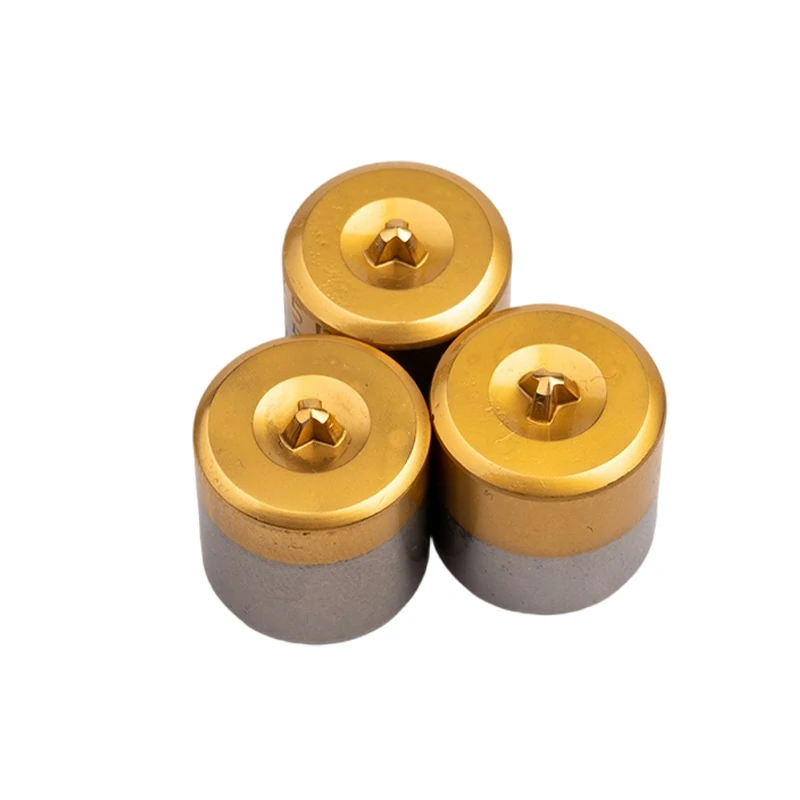
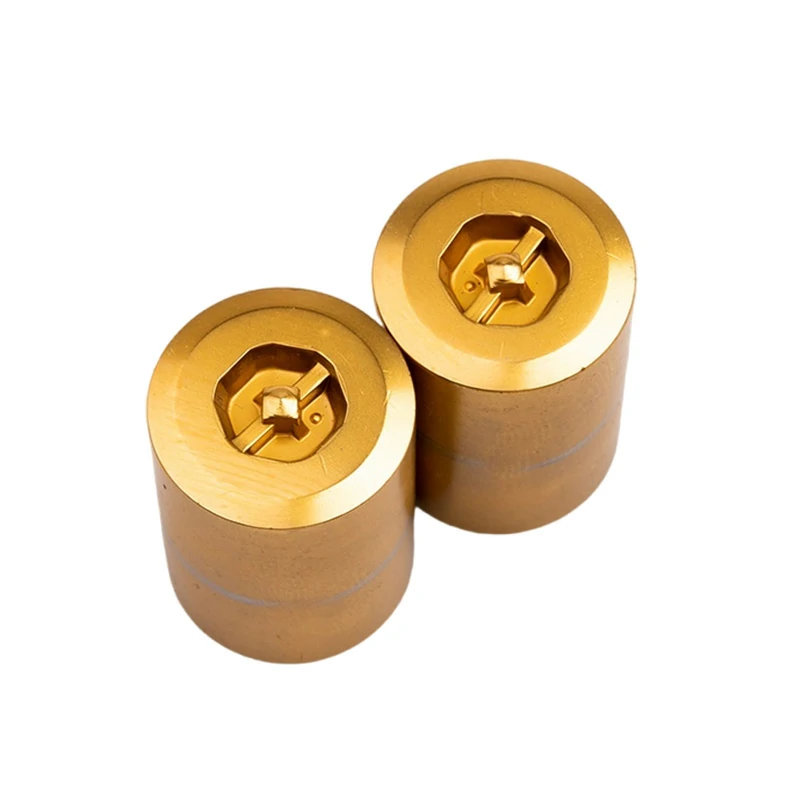
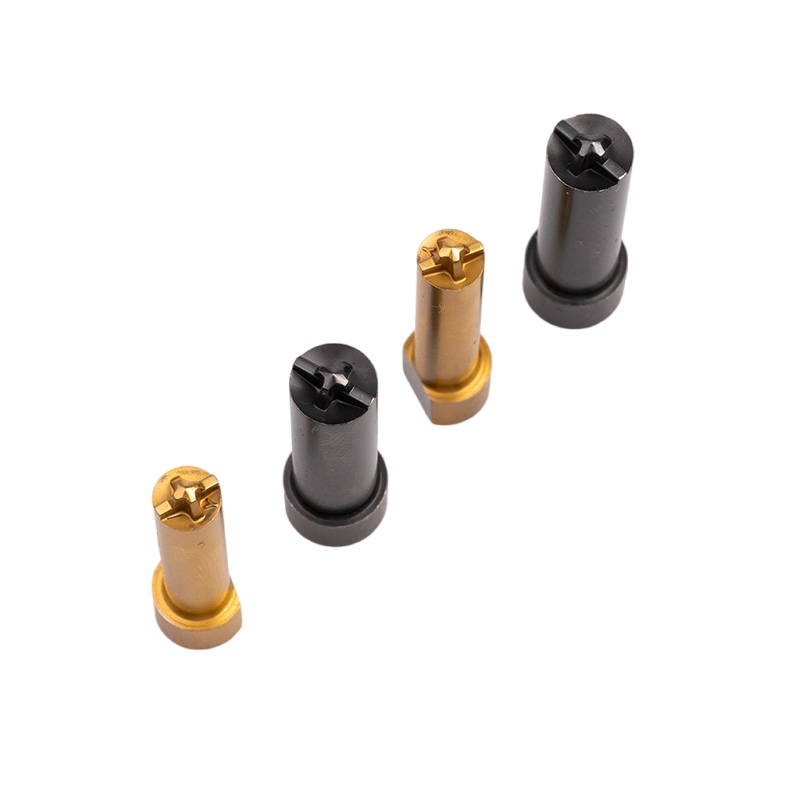
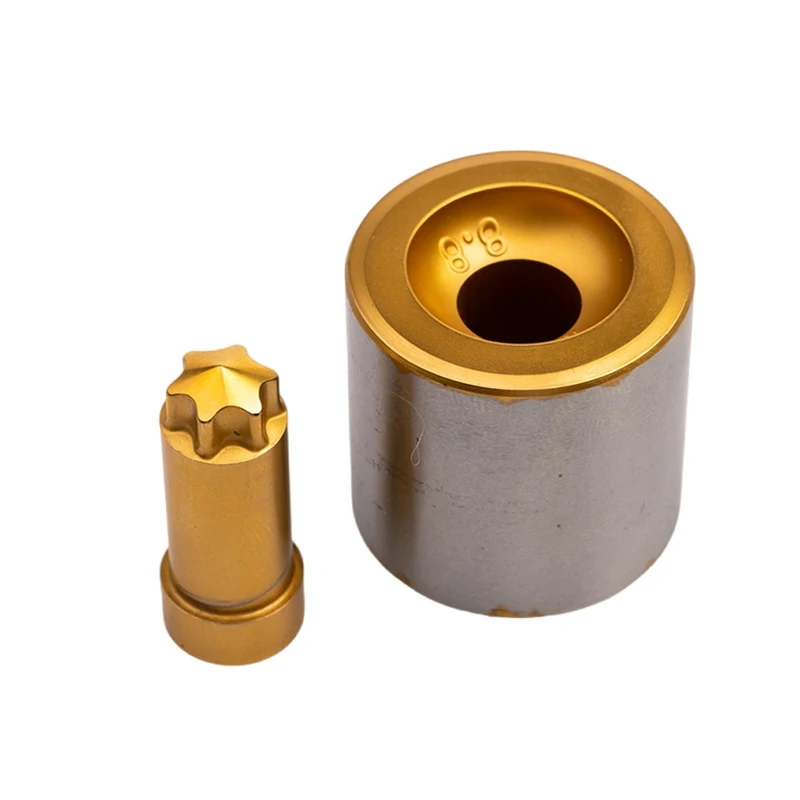
Choosing the optimal carbide heading die requires a detailed analysis of three critical factors: the carbide material grade, the dimensional and geometric tolerances, and the surface finish and coatings. This decision directly impacts manufacturing efficiency, tool longevity, and the final quality of your cold-formed parts, making it a crucial investment for any production line. A well-specified die minimizes downtime, reduces scrap rates, and ensures consistent, high-quality output, ultimately boosting your bottom line.
In the demanding world of cold forming and heading, the heading die is the heart of the operation. It endures immense pressure, friction, and repetitive impact with every cycle. Selecting an inappropriate die can lead to catastrophic failures, production halts, and compromised product integrity. This guide, drawing on decades of expertise from Xiluomold, will walk you through the essential considerations, empowering you to make an informed decision and partner with a manufacturer who understands the nuances of precision tooling.
Table of Contents
- What is a Carbide Heading Die and Why is it Critical?
- The Core Factor: Selecting the Right Carbide Material
- Precision is Paramount: Decoding Tolerances and Geometry
- The Finishing Touch: Why Surface Finish Matters More Than You Think
- Partnering with the Right Manufacturer: Beyond the Spec Sheet
- Conclusion: Making the Right Choice for Optimal Performance
What is a Carbide Heading Die and Why is it Critical?
A heading die is a precision tool used in the cold forming process to shape metal wire into a predetermined form, typically creating the head of a fastener like a screw, bolt, or rivet. The process involves forcing a wire blank into the die’s cavity under extreme pressure. Because of the immense forces and abrasive wear involved, the material used for these dies is paramount. Tungsten Carbide (WC) has become the industry standard due to its exceptional combination of hardness, wear resistance, and high compressive strength, far surpassing traditional tool steels.
The criticality of the carbide heading die cannot be overstated. It is a direct interface with your product. A high-quality die ensures dimensional accuracy and consistency from the first part to the millionth. Conversely, a poorly made or incorrectly specified die is a major source of production inefficiency. It can lead to premature wear, chipping, or catastrophic cracking, resulting in costly unscheduled downtime, increased setup times, high scrap rates, and potentially damaging the heading machine itself. Investing in the right die is investing in the stability and profitability of your entire production process.
The Core Factor: Selecting the Right Carbide Material
The performance of a heading die begins with its foundation: the material. “Carbide” is not a one-size-fits-all term. It refers to a composite material made of hard tungsten carbide (WC) particles cemented together by a softer, tougher binder metal, most commonly Cobalt (Co). The specific grade—determined by the percentage of cobalt binder and the WC grain size—is the single most important decision you will make.
Understanding Tungsten Carbide Grades: The Hardness vs. Toughness Trade-off
The percentage of cobalt binder dictates the primary properties of the carbide grade. This creates a fundamental trade-off that every engineer must navigate:
- Lower Cobalt % (e.g., 5-10%): Results in a material that is extremely hard and highly resistant to abrasive wear. However, this hardness comes at the cost of toughness, making the die more brittle and susceptible to chipping or cracking under high-impact loads.
- Higher Cobalt % (e.g., 11-25%): Increases the material’s toughness and impact resistance. This makes the die better able to absorb the shock of heavy heading operations without fracturing. The trade-off is a decrease in hardness and wear resistance, meaning the die may wear out faster, especially with abrasive workpiece materials.
Choosing the correct balance is essential. For example, a simple upsetting operation on a soft material might benefit from a very hard, wear-resistant grade, while a complex forming operation on a tough alloy will demand a tougher grade to prevent die breakage.
| Cobalt (Co) % | Primary Characteristics | Typical Applications in Heading Dies |
|---|---|---|
| 5-8% | Highest Hardness, Highest Wear Resistance, Lower Toughness. | Finishing, light extrusion, and sizing operations on non-ferrous or low-carbon steel materials. |
| 9-12% | Excellent balance of hardness and toughness. A versatile choice. | General-purpose heading of carbon and alloy steels. The most common range for a wide variety of fasteners. |
| 13-16% | High Toughness, Good Wear Resistance. | Severe heading operations, complex shapes, and forming of stainless steels. Good for impact resistance. |
| 17-25% | Highest Toughness, Lower Hardness. | Extreme impact applications, cold forging large-diameter bolts, and cases where die chipping is the primary failure mode. |
How Workpiece Material Influences Die Material Choice
Your die does not work in a vacuum; it works in direct contact with the workpiece material. The properties of that material are a major factor in selecting the appropriate carbide grade. A soft, malleable material like aluminum or low-carbon steel creates less stress and abrasive wear on the die. In these cases, a harder grade with lower cobalt content can be used to maximize wear life.
Conversely, forming high-strength materials like stainless steel, titanium, or other exotic alloys generates significantly more pressure and impact shock. For these applications, die survival is paramount. A tougher carbide grade with a higher cobalt percentage is necessary to absorb the impact energy and resist fracture, even if it means sacrificing some abrasive wear resistance.
The Unseen Detail: The Role of Grain Size in Carbide Performance
Beyond the cobalt binder, the size of the individual tungsten carbide grains also plays a crucial role. This is a detail that expert die manufacturers like Xiluomold meticulously control.
- Fine or Sub-micron Grain Size: Creates a very dense, hard structure with excellent wear resistance. It’s ideal for applications where a smooth finish and long wear life are the primary goals.
- Coarse or Medium Grain Size: Results in a tougher material. The larger grain structure is better at resisting the propagation of micro-cracks, making it more suitable for high-impact heading operations where toughness is the main concern.
Precision is Paramount: Decoding Tolerances and Geometry
Once the material is selected, the focus shifts to the physical form of the die. In high-volume manufacturing, precision is not a luxury; it is a requirement. The dimensional and geometric tolerances of a heading die directly translate to the quality and consistency of your final product.
Why are Tight Tolerances Non-Negotiable?
Loose tolerances on a heading die can have cascading negative effects. If the internal diameter (ID) is inconsistent, the parts produced will also be inconsistent, potentially leading to failed inspections and costly scrap. Poor concentricity (the alignment of the hole to the die’s outer diameter) can cause uneven loading during the heading process, leading to unbalanced forces that drastically reduce die life and can even damage the heading machine. Every micron matters, and adherence to tight, well-defined tolerances is a hallmark of a high-quality die.
Key Geometrical and Dimensional Tolerances to Specify
When ordering a carbide heading die, you should have a clear discussion with your manufacturer about the following critical tolerances:
- Internal Diameter (ID): The most critical dimension, directly controlling the size of the formed part. Often specified to within a few microns (e.g., ±0.002mm).
- Concentricity (TIR): Total Indicator Runout between the ID and the Outer Diameter (OD). Poor concentricity leads to uneven pressure and premature failure.
- Hole Straightness & Cylindricity: Ensures the hole is a true cylinder without bowing or tapering, which is crucial for proper material flow and preventing part ejection issues.
- Radii and Angles: The specific angles of the approach and the radii of transitions must be precise. These features control how the material flows into the die cavity and are critical for preventing defects and managing stress concentrations.
The Importance of Die Design and Internal Profile
The internal geometry of the die is engineered to guide the metal as it deforms. Key features include the approach angle, the bearing length, and the back relief. The approach angle gently guides the material into the main forming section. The bearing length is the straight portion of the ID that gives the part its final dimension. An incorrect design can cause excessive friction, material shearing instead of flowing, and high stress concentrations at specific points, all of which lead to poor part quality and shortened die life. A skilled die maker can optimize this internal profile based on your specific application to maximize performance.
The Finishing Touch: Why Surface Finish Matters More Than You Think
The surface of the die’s internal bore may seem like a final detail, but it has an outsized impact on performance, friction, and tool life. A rough surface acts like microscopic teeth, gripping the workpiece material and increasing the force required to form the part.
How Surface Finish (Ra) Impacts Performance
Surface finish is measured by its roughness, often expressed as Ra (Roughness average). A lower Ra value indicates a smoother, more polished surface. The benefits of a highly polished, mirror-like finish inside a heading die are significant:
- Reduced Friction: A smoother surface allows the workpiece material to flow more easily into the die cavity, reducing the required forming pressure.
- Prevents Galling: Galling (or material pickup) occurs when workpiece material adheres to the die surface. A smooth finish minimizes this, preventing defects on the finished parts.
- Improved Tool Life: Lower friction and reduced galling mean less abrasive wear and thermal stress on the die, directly contributing to longer operational life before replacement is needed.
For demanding applications, achieving a surface finish of Ra 0.1 or even lower through expert lapping and polishing is a standard procedure at quality-focused manufacturers like Xiluomold.
The Added Advantage: Surface Coatings (PVD & CVD)
To further enhance performance, advanced surface coatings can be applied to the finished die. These ultra-thin, super-hard ceramic layers are deposited via Physical Vapor Deposition (PVD) or Chemical Vapor Deposition (CVD). Coatings are not a substitute for the correct base material or finish; they are an enhancement that provides a powerful combination of benefits.
| Coating Type | Key Benefits | Best Suited For |
|---|---|---|
| TiN (Titanium Nitride) | General-purpose, good hardness and lubricity. Gold color. | General heading of carbon steels. Provides good wear resistance. |
| TiCN (Titanium Carbonitride) | Higher hardness and better abrasion resistance than TiN. | Heading abrasive materials or when increased tool life is needed. |
| AlCrN (Aluminum Chromium Nitride) | Excellent high-temperature stability and hardness. Superior oxidation resistance. | High-speed heading, forming stainless steels, and applications with significant heat generation. |
Partnering with the Right Manufacturer: Beyond the Spec Sheet
A spec sheet can define a die, but it cannot guarantee its performance. The expertise, manufacturing processes, and quality control of your supplier are the intangible factors that transform a drawing into a high-performance tool. Choosing a partner is just as important as choosing a material.
What to Look for in a Carbide Die Supplier
When evaluating a potential manufacturer, consider the following:
- Consultative Expertise: Do they ask questions about your application? A true partner like Xiluomold will work with you to understand your workpiece material, machine type, and failure modes to recommend the optimal combination of material, geometry, and finish.
- Quality of Raw Materials: Ask where they source their carbide. Reputable suppliers use high-quality, certified powders from trusted sources to ensure consistent material properties from batch to batch.
- Advanced Manufacturing Capabilities: Do they possess the right equipment? This includes precision CNC grinders, wire and sinker EDMs, and dedicated lapping/polishing stations to achieve the required tolerances and finishes.
- Rigorous Quality Control & Inspection: How do they verify their work? Look for a company that uses advanced metrology equipment like CMMs, optical comparators, and surface profilometers, and can provide detailed inspection reports to certify that every die meets your specifications.
Conclusion: Making the Right Choice for Optimal Performance
Choosing the right carbide heading die is a holistic process. It requires a balanced consideration of the carbide grade for the right mix of hardness and toughness, a fanatical attention to dimensional and geometric tolerances for consistency, and an appreciation for the role of surface finish and coatings in reducing friction and extending life. Viewing your heading die not as a disposable piece of tooling, but as a critical investment in your production’s efficiency and quality, is the key to success.
By understanding these core principles and partnering with an expert manufacturer who prioritizes quality and consultation, you can ensure you are equipping your operation with tools that are truly engineered for performance, reliability, and profitability.
Ready to elevate your cold heading operations with precision-engineered carbide dies? Contact the experts at Xiluomold today. Our team is ready to provide a detailed consultation and help you specify the perfect die for your unique application.