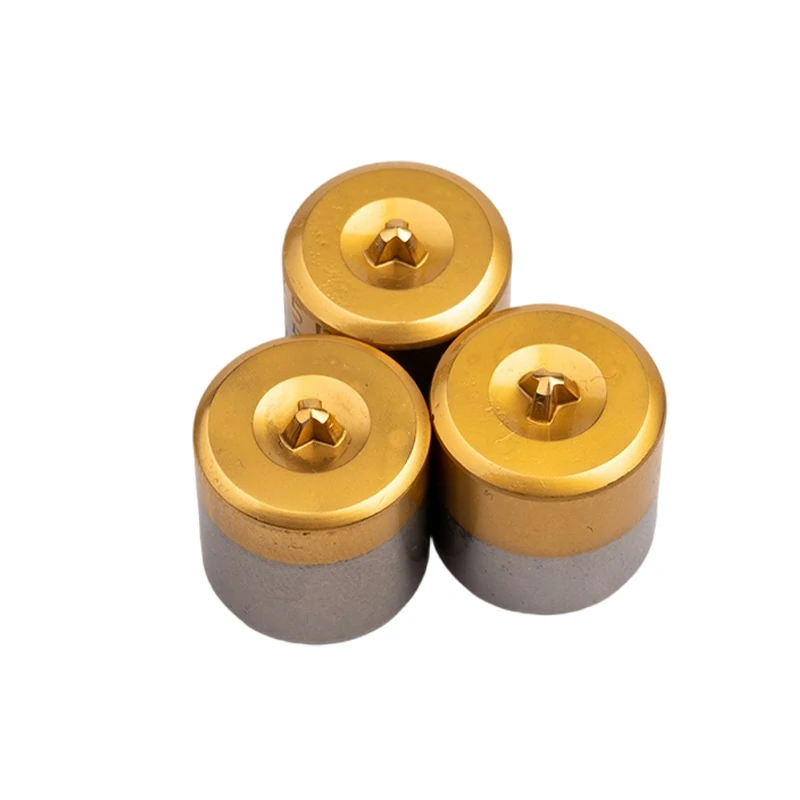
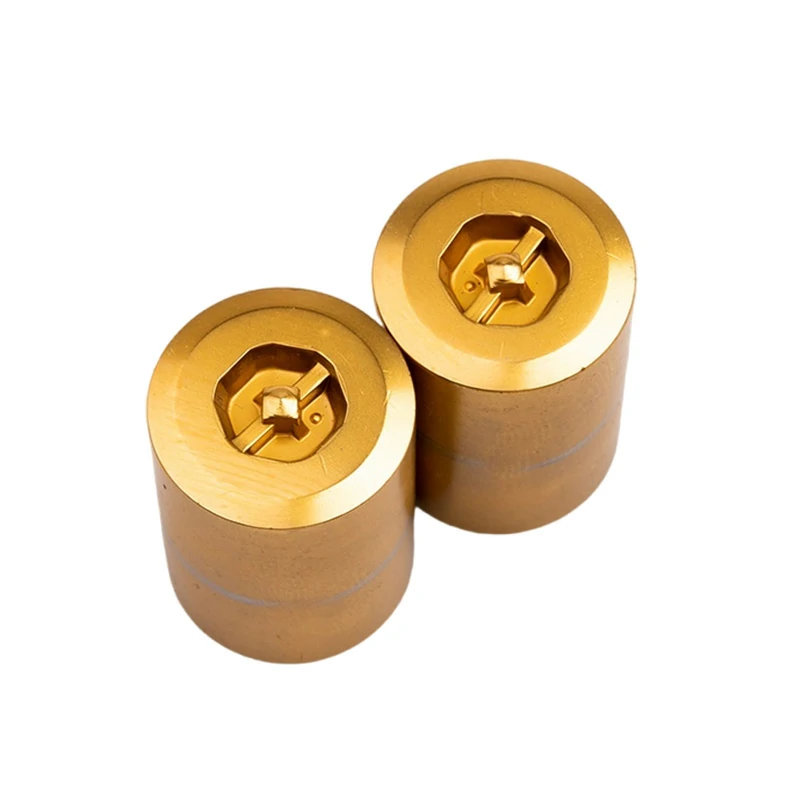
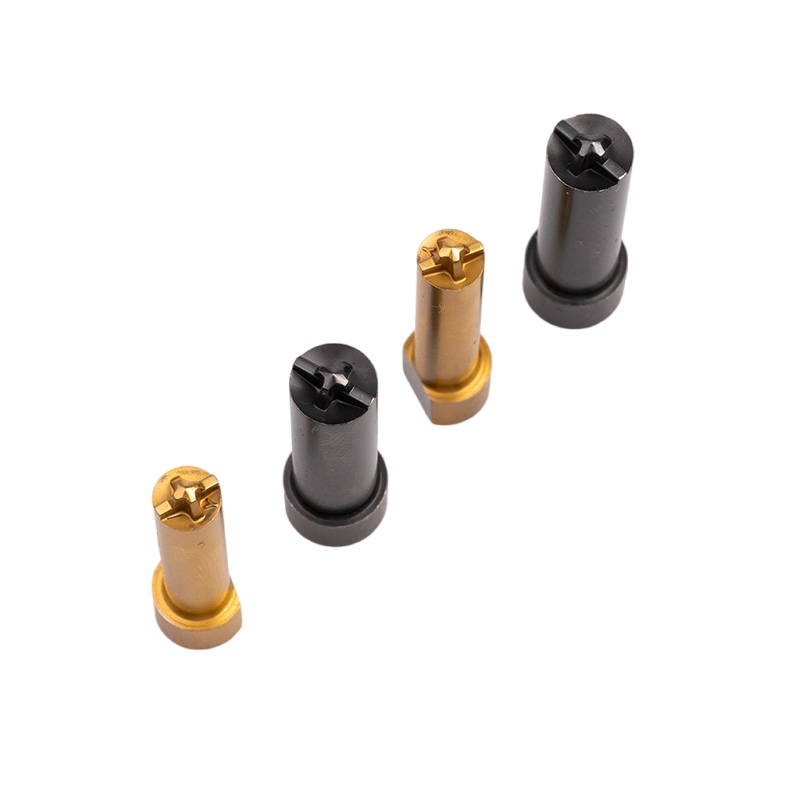
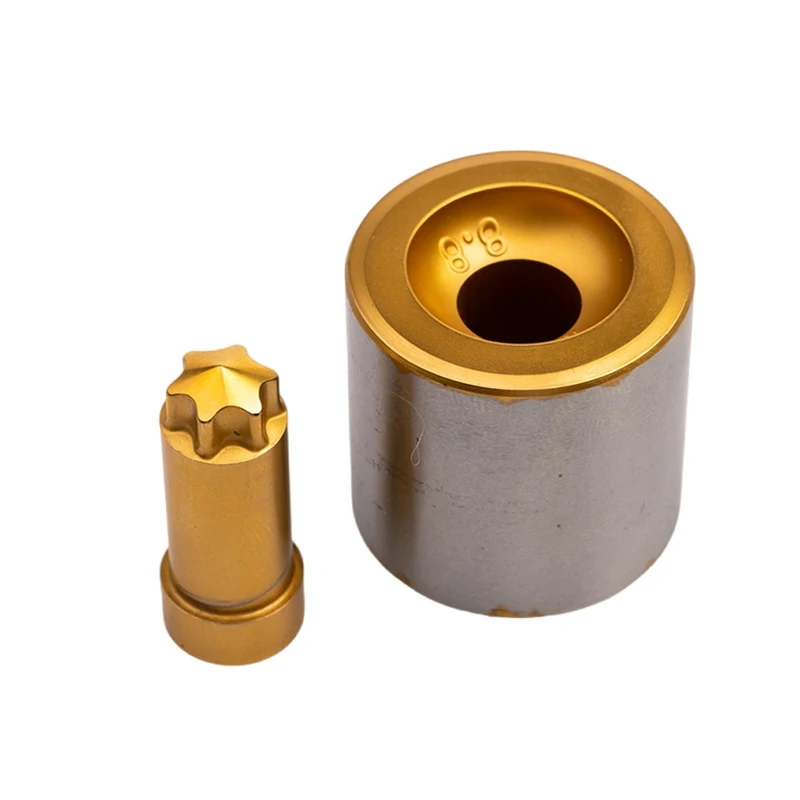
The most common problems with carbide heading dies that impact production efficiency and part quality are premature wear, cracking or catastrophic fracture, edge chipping, galling and material pickup, and dimensional inaccuracy or “washout.” Understanding the root causes of these issues—which range from incorrect carbide grade selection and improper machine setup to inadequate lubrication and flawed die design—is the first step toward implementing effective solutions, dramatically increasing tool life, reducing downtime, and improving profitability. This comprehensive guide will explore each of these challenges in-depth and provide actionable strategies to solve them.
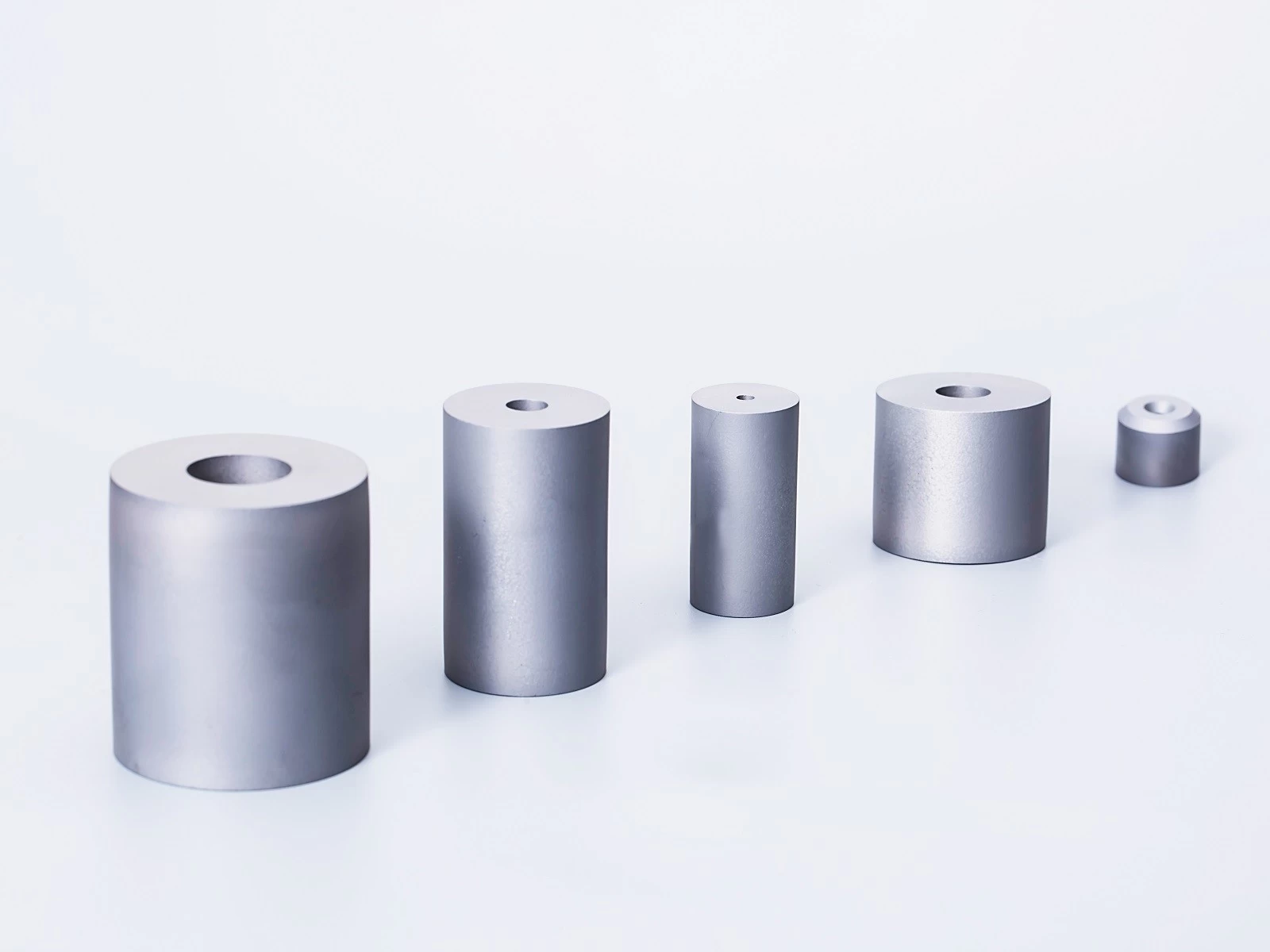
Table of Contents
- The Critical Role of Carbide Heading Dies in Manufacturing
- Problem 1: Premature Wear (Abrasive and Adhesive)
- Problem 2: Cracking and Catastrophic Fracture
- Problem 3: Chipping on Die Edges
- Problem 4: Galling and Material Pickup
- Problem 5: Dimensional Inaccuracy (Washout)
- Summary of Problems and Solutions
- Partnering with an Expert Die Manufacturer: The Xiluomold Advantage
- Conclusion: From Troubleshooting to Proactive Optimization
The Critical Role of Carbide Heading Dies in Manufacturing
In the world of cold forming and fastener production, the carbide heading die is the heart of the operation. These highly engineered tools are responsible for shaping metal wire under immense pressure into complex geometries like screws, bolts, and rivets. The choice of Tungsten Carbide as the primary material is no accident; its exceptional hardness, compressive strength, and wear resistance make it ideal for withstanding the brutal conditions of high-speed, high-volume production. A well-performing die ensures dimensional accuracy, consistent part quality, and maximum machine uptime. Conversely, a failing die leads to costly downtime, scrap production, and potential damage to expensive machinery. Therefore, mastering the art of troubleshooting and preventing common die failures is not just a maintenance task—it’s a critical business strategy.
Problem 1: Premature Wear (Abrasive and Adhesive)
Wear is the gradual erosion of the die’s working surface. While all dies eventually wear out, premature wear is a significant cost driver. It leads to parts falling out of tolerance, poor surface finish, and the need for frequent tool changes. This problem typically manifests in two primary forms: abrasive wear and adhesive wear.
What Causes Premature Die Wear?
Understanding the “why” behind accelerated wear is key to its prevention. Abrasive wear is essentially a scratching or grinding process. It occurs when hard particles—either from the workpiece material itself (like inclusions in steel wire) or from external contaminants—are dragged across the die surface under pressure. Think of it as sandpaper acting on your die. Adhesive wear, on the other hand, is a more complex chemical and mechanical process. Under extreme pressure and heat, microscopic welds form between the workpiece material and the die surface. As the part is ejected, these welds are torn apart, pulling away tiny fragments of the carbide die, a phenomenon also related to galling.
Several factors contribute to both types of wear. An incorrect carbide grade with insufficient hardness or a grain size that is too large can wear down quickly. Inadequate lubrication is a massive contributor; a poor lubricant film allows direct metal-to-metal contact, accelerating both abrasion and adhesion. Furthermore, high operating speeds and temperatures can exacerbate these conditions, breaking down lubricants and softening the die surface.
How to Prevent and Solve Excessive Wear?
Solving premature wear requires a multi-faceted approach focused on material science, lubrication, and process control. First, optimize carbide grade selection. Work with your die manufacturer to choose a grade with the optimal balance of hardness (for abrasion resistance) and toughness. Finer grain carbides generally offer superior wear resistance. For applications with high adhesion risk, grades with specific binder compositions (like nickel) can be more effective than standard cobalt binders.
Second, master your lubrication strategy. This means more than just using any lubricant; it involves selecting the right type (e.g., oil vs. synthetic, with appropriate EP additives) and ensuring its
consistent application directly to the forming zone. Proper filtration of the lubricant to remove abrasive contaminants is equally crucial. Finally, consider advanced surface treatments and coatings. PVD (Physical Vapor Deposition) coatings like Titanium Nitride (TiN) or Aluminum Chromium Nitride (AlCrN) can create an ultra-hard, lubricious barrier on the die surface, significantly reducing friction and preventing both abrasive and adhesive wear.
Problem 2: Cracking and Catastrophic Fracture
A cracked or fractured die is one of the most severe failure modes, bringing production to an immediate halt. Unlike gradual wear, a fracture is an instantaneous event that can result in significant damage to the heading machine and pose a safety risk. These failures are almost always related to stress exceeding the material’s strength.
Why Do Carbide Dies Crack?
Carbide is extremely strong under compression but is brittle in tension. Cracks initiate when tensile stresses become too high. There are three primary culprits. The first is mechanical overload or shock, caused by a severe machine jam, attempting to form an oversized workpiece, or a double-hit. The second is thermal shock. Rapid, uneven heating and cooling create internal stresses. For example, dousing a hot die with cold coolant can easily cause it to crack.
Perhaps the most common and overlooked cause is an improper interference fit (shrink fit). Carbide nibs are almost always housed within a steel case. This casing is heated to expand, the carbide nib is inserted, and as the case cools, it shrinks and puts the carbide under a high degree of compressive stress. This pre-stressing is vital. If the interference is too little, the carbide isn’t adequately supported and will fail under operating pressure. If the interference is too great, the excessive compressive force from the case itself can cause the carbide to crack before it even sees a workpiece.
Strategies to Eliminate Die Cracking
Preventing fracture begins with respecting the material’s properties. To avoid thermal shock, implement proper pre-heating protocols for dies before starting a production run, especially in cold environments. Ensure that coolant is applied consistently and avoid sudden temperature fluctuations. To prevent mechanical overload, maintain rigorous machine setup procedures and quality control for incoming wire stock to ensure it is within specification.
Most importantly, master the shrink fit process. This is where partnering with a high-quality die manufacturer like Xiluomold becomes critical. A professional supplier uses precise calculations and temperature-controlled equipment to achieve the perfect interference fit for each specific die design and application. The surfaces of both the carbide nib and the steel case must be perfectly ground and polished to ensure uniform contact and stress distribution. Attempting to press-fit a carbide die at room temperature is a recipe for disaster and a leading cause of premature failure.
Problem 3: Chipping on Die Edges
Chipping is a localized fracture where small pieces of carbide break away from the sharp edges or corners of the die profile. While not as catastrophic as a full crack, chipping ruins the dimensional accuracy of the formed part, creating burrs or incomplete forms. It requires the die to be taken out of service for polishing or replacement.
Identifying the Root Causes of Chipping
Chipping is often a result of high stress concentrations at sharp geometric transitions. An internal corner with a perfectly sharp, 90-degree angle is a massive stress riser. Any slight misalignment, vibration, or shock load during the heading process will focus immense force on that tiny point, causing it to chip. Machine misalignment is another key cause; if the punch is not perfectly concentric with the die, it will exert a side-load on the die edge upon entry, leading to chipping. Finally, improper handling can’t be ignored. Dropping a carbide die or knocking it against another hard object can easily chip its delicate edges before it’s even installed in the machine.
Solutions for Preventing Chipping
The solution to chipping lies in design, alignment, and handling. From a design perspective, it’s crucial to incorporate small radii or chamfers on all sharp edges where possible. Even a minuscule radius of 0.1mm can distribute stress much more effectively than a sharp corner, dramatically increasing resistance to chipping. An expert die designer will know exactly where to add these features without affecting the final part dimensions.
Meticulous machine alignment is non-negotiable. Regularly check and confirm the concentricity of punches and dies. Use alignment tools and follow a strict setup checklist. Lastly, implement proper tool handling protocols. Store dies in protective packaging, train operators to handle them with care, and use soft-jawed vices or appropriate tools during installation to avoid impact damage.
Problem 4: Galling and Material Pickup
Galling, also known as material pickup or adhesion, occurs when material from the workpiece becomes pressure-welded to the die surface. This built-up material alters the die’s geometry, leading to scratches on subsequent parts, increased ejection forces, and eventually, a complete seizure of the part within the die.
What is Galling and Why Does It Occur?
Galling is a severe form of adhesive wear. It is most common when forming “gummy” materials like stainless steel, aluminum, and certain alloys. The root cause is a combination of high pressure, heat, and chemical affinity between the workpiece and the die binder material (usually cobalt). When the lubricant film breaks down under these conditions, the exposed, virgin surfaces of the workpiece and die come into direct contact, leading to micro-welding. The high friction generates more heat, which makes the problem even worse, creating a vicious cycle of material transfer.
How to Combat Galling in Heading Dies?
Combating galling requires interrupting the cycle of adhesion. The first line of defense is, again, superior lubrication. Using a high-performance lubricant with extreme pressure (EP) additives is essential. For materials like stainless steel, chlorinated or sulfurized lubricants are often necessary to create a durable chemical barrier film. Polishing the die’s working surfaces to a mirror finish (low Ra) can also reduce the tendency for material to stick.
If lubrication alone isn’t enough, you must address the material compatibility. This can be done by selecting a different carbide grade, perhaps one with a nickel binder, which has less chemical affinity for steel than cobalt does. The most effective solution, however, is often the application of anti-galling PVD coatings. Coatings like AlCrN or specialized proprietary coatings create a chemically inert barrier that physically separates the workpiece from the die’s binder, effectively preventing the initial micro-welding from occurring.
Problem 5: Dimensional Inaccuracy (Washout or Deformation)
Washout, or die deformation, is when the die profile gradually loses its shape and precision under the repeated stress of forming. The die exit or other critical features become enlarged, causing the parts to grow out of their specified dimensional tolerances. This is a subtle failure mode that can lead to large batches of scrap if not detected early.
Why Do Dies Lose Their Shape?
This failure occurs when the forming stresses exceed the compressive strength or elastic limit of the carbide grade. It’s essentially a slow, plastic deformation of the die material itself. This is often caused by selecting an incorrect carbide grade that is too “soft” or “tough” for the application. Tougher grades with higher cobalt content have lower compressive strength and are more prone to deformation under very high forming pressures. Another cause is excessive operating temperature, which can soften the carbide and its binder, reducing its ability to resist deformation. Finally, simply running a die far beyond its expected service life will inevitably lead to washout as fatigue and wear take their toll.
Maintaining Dimensional Stability
The primary solution for preventing washout is to select a carbide grade with sufficient compressive strength and hardness for the specific application. For high-pressure extrusion or the forming of very hard materials, a grade with low cobalt content and a fine grain structure is typically required. It’s a balance, as these harder grades can be more brittle.
Effective thermal management is also critical. Ensure your machine’s cooling system is functioning optimally to prevent the die from overheating. Implementing a robust tool life monitoring program is essential for proactive management. This involves regularly inspecting parts and tracking the number of hits on a die. By establishing a baseline for how many parts a die can produce before dimensions start to drift, you can replace it proactively, preventing the production of out-of-spec components and avoiding catastrophic failure.
Summary of Problems and Solutions
To provide a quick reference, the table below summarizes the common problems, their typical causes, and the most effective solutions.
| Problem | Common Causes | Key Solutions |
|---|---|---|
| Premature Wear | Incorrect carbide grade, poor lubrication, abrasive material | Optimize grade selection, improve lubrication, use PVD coatings |
| Cracking / Fracture | Improper shrink fit, thermal shock, mechanical overload | Ensure proper interference fit, pre-heat dies, maintain machine |
| Chipping | Sharp corners in design, machine misalignment, poor handling | Add radii/chamfers to edges, ensure precise alignment, train staff |
| Galling / Pickup | Lubricant breakdown, chemical affinity, gummy materials | Use high-performance lubricants, polish surfaces, apply anti-galling PVD coatings |
| Inaccuracy / Washout | Carbide grade too soft, excessive heat, end of tool life | Select harder grade, improve cooling, implement tool life monitoring |
Partnering with an Expert Die Manufacturer: The Xiluomold Advantage
As this guide illustrates, solving die problems is a complex task that involves materials science, engineering design, and process control. This is why choosing the right manufacturing partner is as critical as selecting the right carbide grade. An expert die manufacturer like Xiluomold is more than just a supplier; we are a solution provider. Our expertise extends beyond simply machining a die to a print.
We work with our clients to:
- Consult on Material Selection: We help you choose the precise tungsten carbide grade with the ideal balance of hardness, toughness, and wear resistance for your specific application and workpiece material.
- Optimize Die Design: Our engineers can identify potential stress points and recommend design modifications, such as adding strategic radii to prevent chipping, to enhance tool life from the very beginning.
- Guarantee Quality Control: From sourcing certified raw materials to perfecting the critical shrink-fitting process with temperature-controlled precision, we ensure that every die we produce is free from defects and ready for high-performance operation.
By partnering with us, you leverage our deep knowledge to proactively prevent problems, rather than reactively troubleshooting them on your production floor.
Conclusion: From Troubleshooting to Proactive Optimization
Carbide heading die failures are not an unavoidable cost of doing business. By systematically understanding the root causes of wear, cracking, chipping, galling, and deformation, you can transform your approach from reactive troubleshooting to proactive optimization. This involves a holistic strategy that includes careful material selection, meticulous machine setup and maintenance, superior lubrication, and intelligent die design. Investing in high-quality tooling from a knowledgeable and experienced partner like Xiluomold is the cornerstone of this strategy. It empowers you to maximize tool life, minimize downtime, and consistently produce high-quality parts, driving the efficiency and profitability of your entire operation.