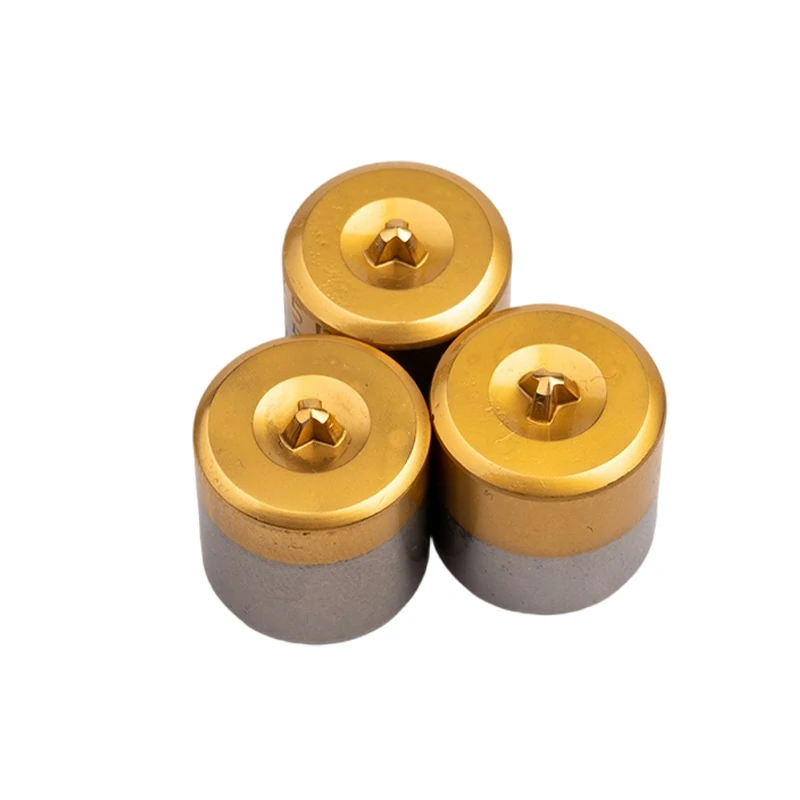
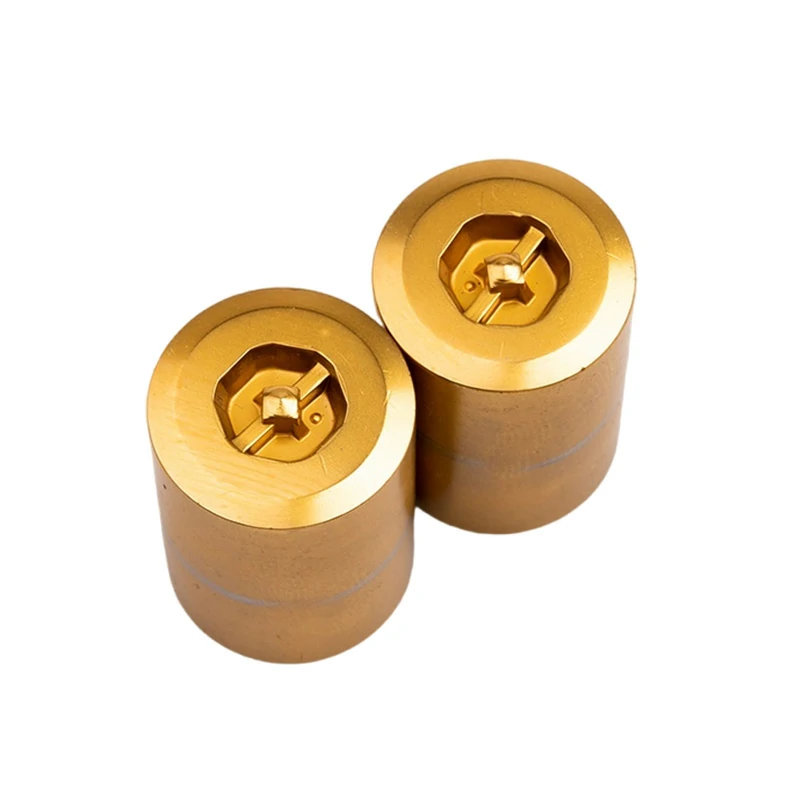
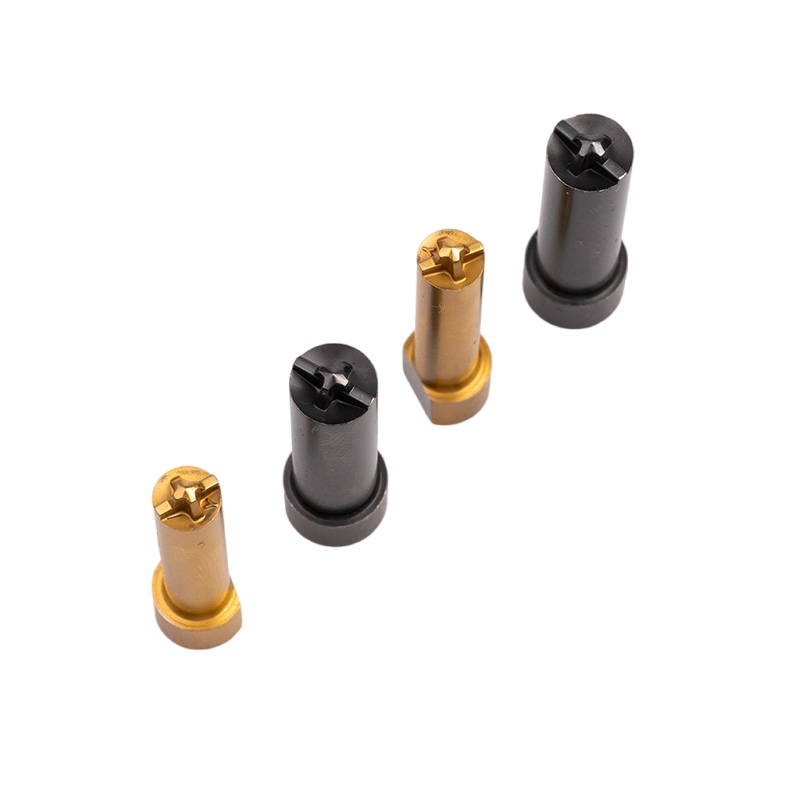
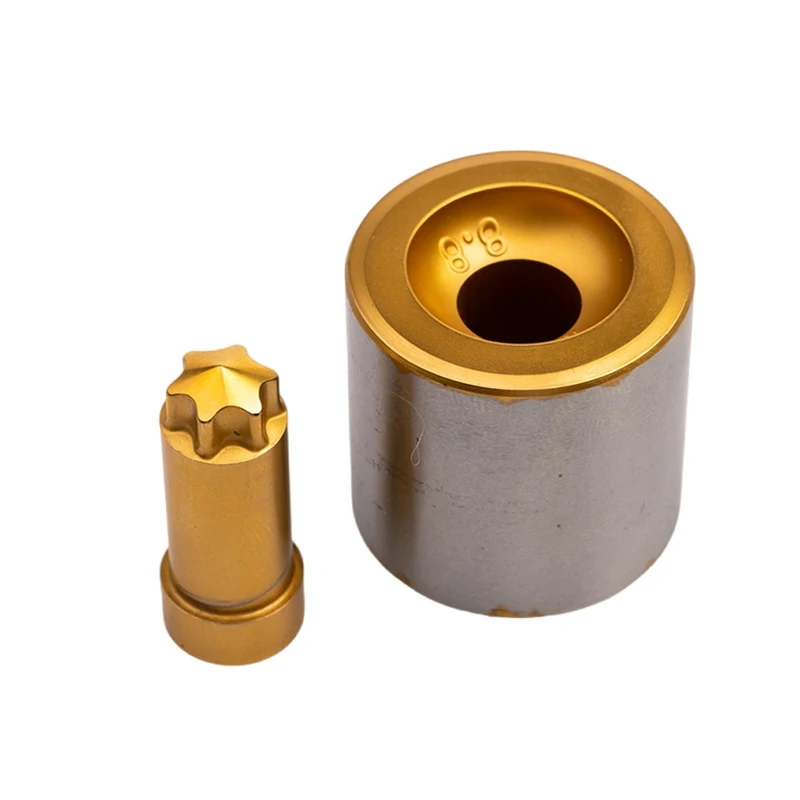
Customizing flat thread rolling dies is the definitive process for manufacturers seeking to achieve unparalleled precision, superior fastener performance, and extended tool longevity. Unlike standard, off-the-shelf options, custom dies are meticulously engineered by tailoring key parameters—including material selection, thread profile geometry, lead-in angle, and surface coatings—to the unique demands of a specific application. This bespoke approach allows for the creation of fasteners with exact tolerances, enhanced strength, and flawless finishes, directly translating to higher quality end-products and more efficient, cost-effective production cycles. Whether you’re working with challenging materials or require a unique thread form, custom flat thread rolling dies are the key to unlocking optimal results.
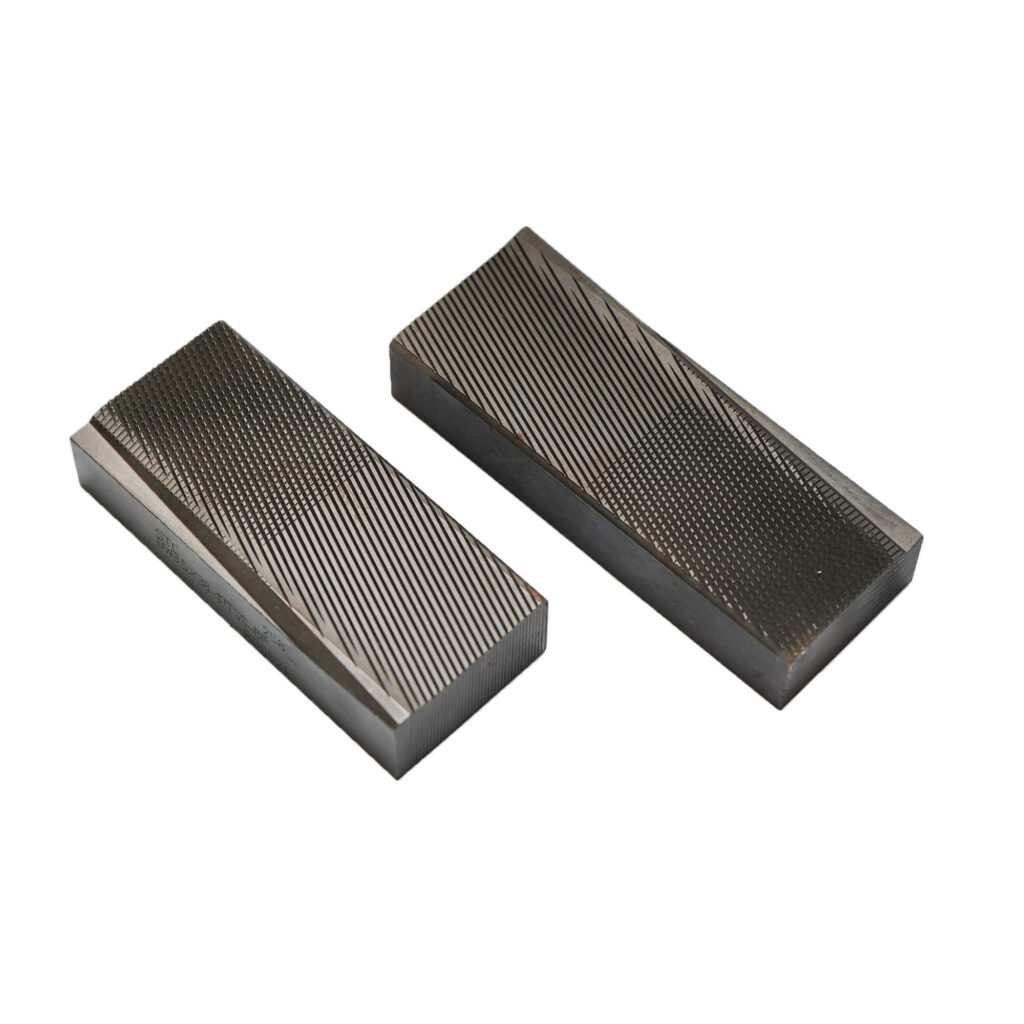
Table of Contents
- Why Settle for Standard? The Unmatched Power of Customization
- The Anatomy of a Custom Flat Thread Rolling Die: Key Design Parameters
- The Customization Process: From Concept to Creation with Xiluomold
- Common Challenges and How Custom Dies Provide the Solution
- How to Choose the Right Manufacturing Partner for Your Custom Die Needs
- Frequently Asked Questions (FAQ)
- Conclusion: Elevate Your Production with Xiluomold
Why Settle for Standard? The Unmatched Power of Customization
In high-stakes manufacturing, “good enough” is rarely sufficient. Standard, off-the-shelf thread rolling dies are designed to serve a broad range of general applications, but this one-size-fits-all approach often leads to compromises in performance, efficiency, and final product quality. Customization empowers you to move beyond these limitations. By engineering dies specifically for your machinery, fastener specifications, and raw materials, you gain a competitive edge. The primary benefits include significantly longer die life by selecting materials and coatings optimized for your production environment, superior thread quality with precise profiles that reduce rejects, and enhanced production efficiency through faster setups and reduced machine downtime. Ultimately, custom dies are not a cost center; they are an investment in precision, reliability, and profitability.
The Anatomy of a Custom Flat Thread Rolling Die: Key Design Parameters
Creating a high-performance custom flat thread rolling die is a science that balances multiple critical factors. Each parameter must be carefully considered and tailored to work in harmony with the others. Understanding these elements is the first step in communicating your needs to a manufacturer and ensuring the final product meets your exact specifications. Below, we dissect the core components that define a truly custom die.
Material Selection: The Foundation of Performance
The choice of material is the single most important factor determining a die’s durability, wear resistance, and overall lifespan. The right selection depends on the material of the workpiece, production volume, and machine speed. At Xiluomold, we guide our clients through a range of high-performance options.
- D2 Tool Steel: A popular and cost-effective choice known for its high wear resistance and good toughness. It’s an excellent all-around material for rolling carbon and alloy steels.
- M2/M42 High-Speed Steel (HSS): Offering superior hardness and heat resistance compared to D2, HSS is ideal for high-speed rolling operations or for forming threads on tougher materials like stainless steel. M42, with its higher cobalt content, provides even greater hot hardness.
- Powder Metallurgy (PM) Steels: These represent the pinnacle of die materials. PM steels like ASP2023 or ASP2053 have an extremely fine and uniform carbide structure, providing exceptional wear resistance and chipping resistance. They are the preferred choice for the most demanding applications with massive production runs, ensuring maximum die life.
Thread Profile and Form: The Heart of the Fastener
The accuracy of the thread profile is non-negotiable. Customization allows for the precise replication of standard threads (like UNC, UNF, Metric) or the creation of entirely proprietary profiles. Key considerations include the pitch, flank angle, crest and root radius, and any special features like self-tapping points (Type A, AB, B) or trilobular shapes. A precisely ground profile ensures consistent fastener engagement, optimal load distribution, and adherence to strict industry standards such as IFI or DIN. This level of detail prevents thread drunkenness, poor form, and potential assembly failures down the line.
Die Face & Lead-In Angle: Ensuring a Smooth Start
How the blank first engages with the die is critical for a successful roll. The lead-in angle, also known as the starting taper, gently guides the blank into the die, gradually forming the thread without causing slippage or shaving. A custom-designed lead-in is optimized for the blank diameter and material, ensuring a smooth, controlled start to the rolling process. Furthermore, the die face parallelism and flatness are held to micro-inch tolerances to ensure uniform pressure across the entire workpiece, which is essential for creating straight, consistent threads from start to finish.
Hardness and Heat Treatment: Balancing Durability and Toughness
Heat treatment is a transformative process that unlocks the full potential of the chosen die material. Through a carefully controlled cycle of heating and quenching, the die’s hardness is increased to resist the immense pressures of thread rolling. However, excessive hardness can lead to brittleness and chipping. The art of custom heat treatment lies in achieving the perfect balance: a die that is hard enough to resist wear but tough enough to withstand the shock and stress of continuous operation. This process is tailored based on the die material and the specific application, often involving multiple tempering cycles to refine the steel’s grain structure for maximum performance.
Surface Finish and Coatings: The Secret to Longevity
A smooth, low-friction surface is essential for clean thread formation and extended die life. Custom dies are ground and lapped to a mirror-like finish to minimize material pickup and reduce rolling forces. To further enhance performance, specialized surface coatings can be applied.
- Nitriding: A thermal diffusion process that hardens the surface of the die, significantly increasing wear and corrosion resistance.
- PVD Coatings (e.g., TiN, AlCrN): Physical Vapor Deposition coatings apply a micro-thin, exceptionally hard ceramic layer to the die face. These coatings drastically reduce friction, prevent material adhesion (galling), and can multiply the effective life of the die, especially when rolling sticky materials like stainless steel or aluminum.
The Customization Process: From Concept to Creation with Xiluomold
Partnering with an experienced manufacturer like Xiluomold transforms your requirements into a tangible, high-performance tool. Our collaborative process is designed for clarity, precision, and delivering results that exceed expectations.
Step 1: Initial Consultation and Requirement Analysis
The journey begins with a detailed discussion. What kind of fastener are you producing? What is the material and hardness of the blank? What are your target production volumes and cycle times? Our engineering team works with you to understand every nuance of your application. We review your prints, analyze your goals, and identify potential challenges to lay a solid foundation for the project.
Step 2: Engineering Design and Digital Prototyping
Using the information gathered, our engineers leverage advanced CAD software to design the custom dies. Every parameter—from the thread profile geometry to the lead-in taper—is meticulously modeled. This digital blueprint allows us to simulate the rolling process, optimize the design for performance, and ensure it perfectly matches your specifications before any steel is cut.
Step 3: Precision Manufacturing and Quality Control
With an approved design, the manufacturing process begins. We use state-of-the-art CNC grinding machines and EDM technology to create the thread forms with unparalleled accuracy. Throughout the process, rigorous quality control checks are performed. We use advanced metrology equipment to verify every critical dimension, ensuring the final product adheres to the tightest tolerances.
Step 4: Testing and Validation
Before shipment, the finished dies undergo a final, comprehensive inspection. We verify hardness, surface finish, and dimensional accuracy one last time. For critical applications, we can also provide sample parts rolled with the new dies for your approval, offering complete confidence that the tools will perform flawlessly in your production environment.
Common Challenges and How Custom Dies Provide the Solution
Manufacturers often face recurring issues with standard dies that lead to downtime and increased costs. Custom-engineered dies are designed to solve these specific problems head-on.
| Common Challenge | Symptom | Custom Die Solution |
|---|---|---|
| Premature Die Wear | Dies need frequent replacement, leading to high tooling costs and downtime. | Optimized material selection (e.g., upgrading to PM steel) and application of wear-resistant PVD coatings to significantly extend tool life. |
| Poor Thread Form | Threads are incomplete, flaky, or fail inspection. High scrap rate. | Precisely ground thread profile and an engineered lead-in angle ensure full, clean material flow and perfect thread formation. |
| Die Chipping or Breakage | Catastrophic die failure, causing sudden production stops. | Tailored heat treatment to balance hardness with toughness, and selecting a material with superior fatigue resistance. |
| Material Galling | Workpiece material sticks to the die face, ruining the fastener surface. | A highly polished surface finish combined with a low-friction coating (like TiN) prevents material adhesion. |
How to Choose the Right Manufacturing Partner for Your Custom Die Needs
Selecting the right supplier is as crucial as the die design itself. Your partner should be more than a vendor; they should be an extension of your engineering team. Look for a manufacturer with demonstrable expertise and experience in your industry. They should have a deep understanding of materials science and the thread rolling process. A commitment to advanced technology and quality control, evidenced by their CNC machinery and metrology lab, is essential. Finally, prioritize collaborative communication and support. A great partner, like Xiluomold, will work with you proactively, offering solutions and insights to improve your entire process, not just supply a part.
Frequently Asked Questions (FAQ)
Q1: What is the typical lead time for custom flat thread rolling dies?
The lead time can vary depending on complexity and material availability, but it typically ranges from 4 to 8 weeks. At Xiluomold, we provide a clear timeline after the initial consultation and design approval.
Q2: Can you reverse-engineer a die if I don’t have the original prints?
Yes. We can use our advanced optical and contact measurement systems to precisely measure an existing die or even a finished fastener to create an exact digital model and manufacture new, identical dies.
Q3: How much more expensive are custom dies compared to standard ones?
While the initial investment for custom dies is higher, their extended life, reduced machine downtime, and lower scrap rates often result in a lower total cost of ownership over their lifespan. The ROI is realized through improved efficiency and quality.
Q4: What information do I need to provide to get a quote for custom dies?
To provide an accurate quote, we need a drawing or sample of the fastener, the blank material and diameter, the machine model you are using, and your expected annual production volume.
Conclusion: Elevate Your Production with Xiluomold
In the world of precision manufacturing, the details make all the difference. Customizing your flat thread rolling dies is a strategic decision to take control over quality, efficiency, and performance. By moving away from generic solutions and embracing a tailored approach, you can solve persistent production challenges, reduce long-term costs, and produce fasteners that consistently meet the most demanding specifications. The journey from concept to creation requires expertise, technology, and a collaborative spirit.
At Xiluomold, we specialize in transforming your unique requirements into high-performance, long-lasting custom flat thread rolling dies. Our team of engineers is ready to partner with you to optimize every aspect of your tooling. Contact us today to discuss your project and discover how our precision-engineered dies can elevate your manufacturing process.