
Selecting Cold Heading Die Materials: Performance Requirements and Criteria
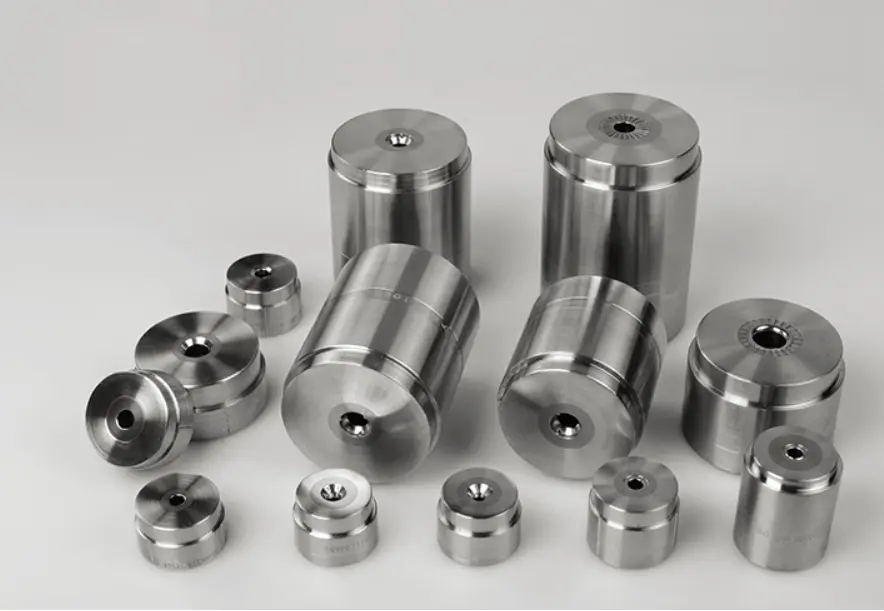
Selecting the right cold heading die material is a critical decision that directly impacts tool life, production efficiency, and final part quality. The optimal choice balances three core properties: exceptional wear resistance to maintain dimensional accuracy, high toughness to prevent chipping and cracking under shock loads, and superior compressive strength to withstand immense forming […]
Customization of Tungsten Carbide Dies: Critical Factors You Must Consider
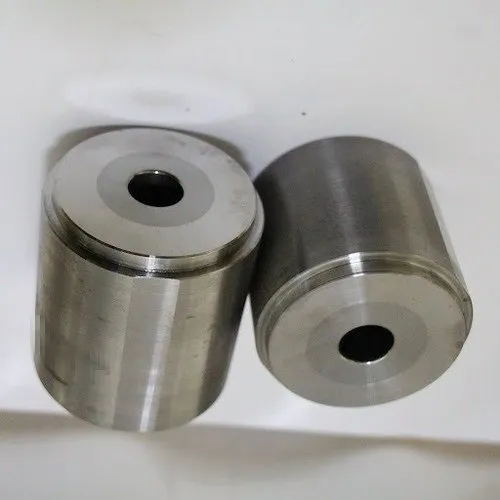
The critical factors for customizing tungsten carbide dies involve a synthesis of material science, precision engineering, and application-specific design. Key considerations include selecting the correct tungsten carbide grade based on wear and impact resistance, defining precise geometric profiles and tolerances to ensure final part accuracy, specifying the optimal surface finish to reduce friction and extend tool life, and choosing a manufacturing partner with proven expertise. Successfully navigating these factors is the difference between a high-performance, long-lasting die and a premature tool failure that halts production. As a leading manufacturer at Xiluomold, we understand that a custom die is not just a component; it’s the heart of your forming, drawing, or stamping operation, and its success hinges on meticulous attention to detail from conception to completion.
How to Extend Tool Life with Proper Carbide Heading Die Maintenance
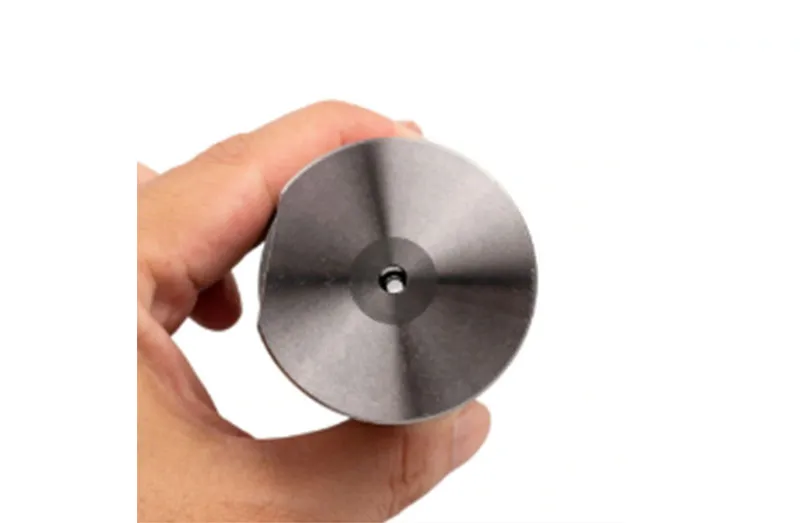
Proper maintenance of carbide heading dies is crucial for extending their service life, reducing operational costs, and ensuring consistent product quality. By implementing a systematic maintenance routine that includes regular cleaning, meticulous inspection, correct handling, and optimal storage, manufacturers can significantly delay die wear, prevent premature failure, and maximize their return on investment in these […]
High-Precision Flat-Base Carbide Die Cores for Nut Production
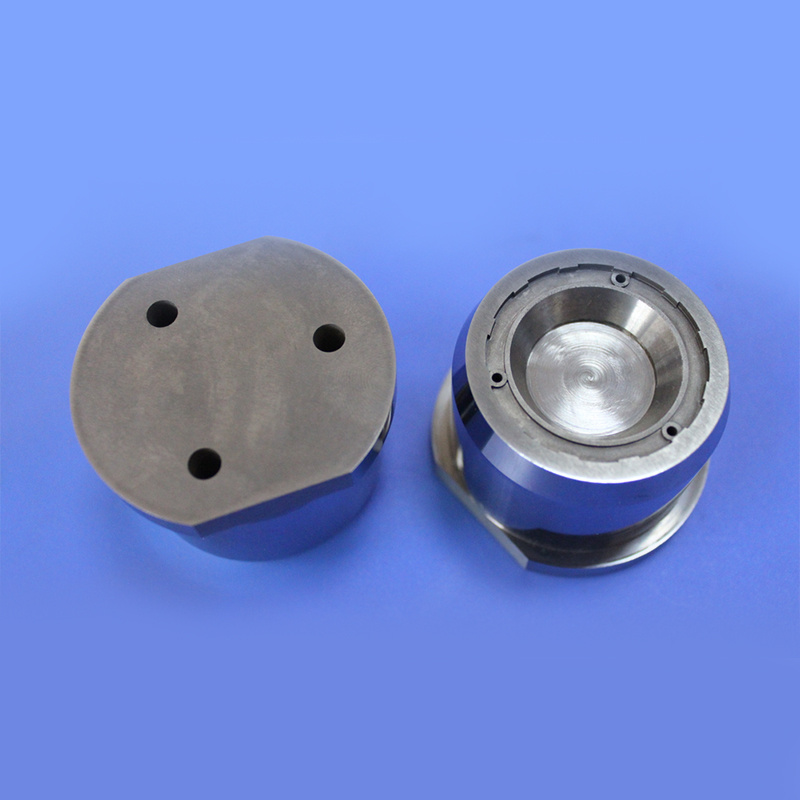
High-precision flat-base carbide die cores are specialized, exceptionally hard tooling components made from tungsten carbide, serving as the central forming cavity in the cold heading process for manufacturing nuts. Their primary function is to shape the metal wire into a precise nut blank under immense pressure, ensuring dimensional accuracy, superior surface finish, and consistent quality across millions of production cycles. The “flat-base” design provides optimal stability and force distribution within the die case, making these cores indispensable for high-volume, high-quality fastener production in industries like automotive, aerospace, and construction.
Maintenance Best Practices for Tungsten Carbide Cold Heading Dies
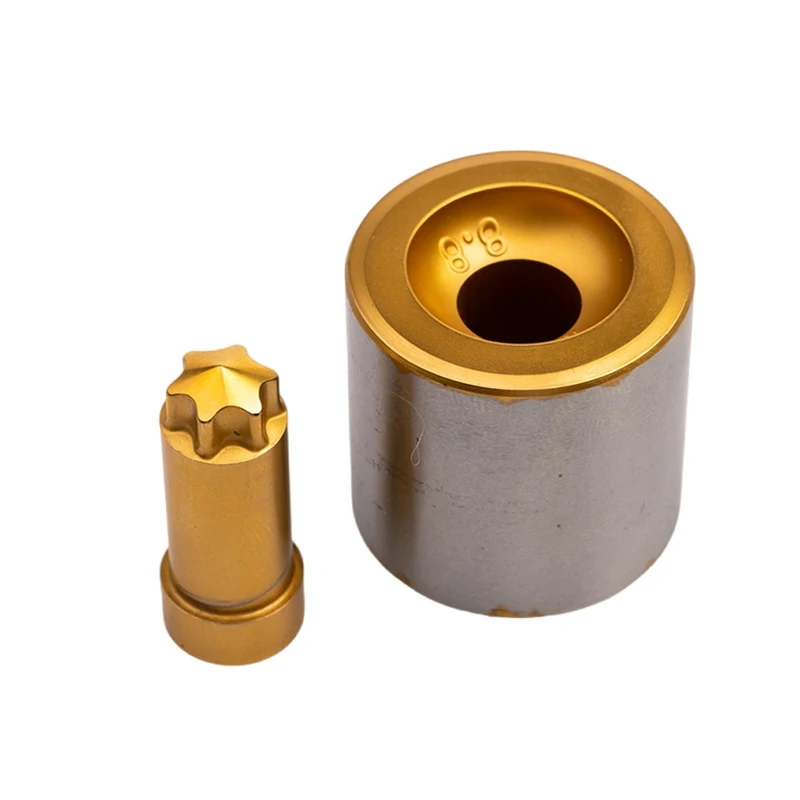
Effective maintenance of tungsten carbide cold heading dies involves a comprehensive lifecycle approach encompassing meticulous pre-production setup, vigilant in-process monitoring, and thorough post-production cleaning, inspection, and storage. Following these best practices is not just a recommendation; it’s a critical strategy that significantly extends die life, enhances final part quality, and minimizes costly operational downtime. For manufacturers relying on the cold heading process, mastering die maintenance transforms a significant expense into a competitive advantage, ensuring consistent performance and maximizing the return on your tooling investment.
Everything You Need to Know About Tungsten Carbide Heading Dies
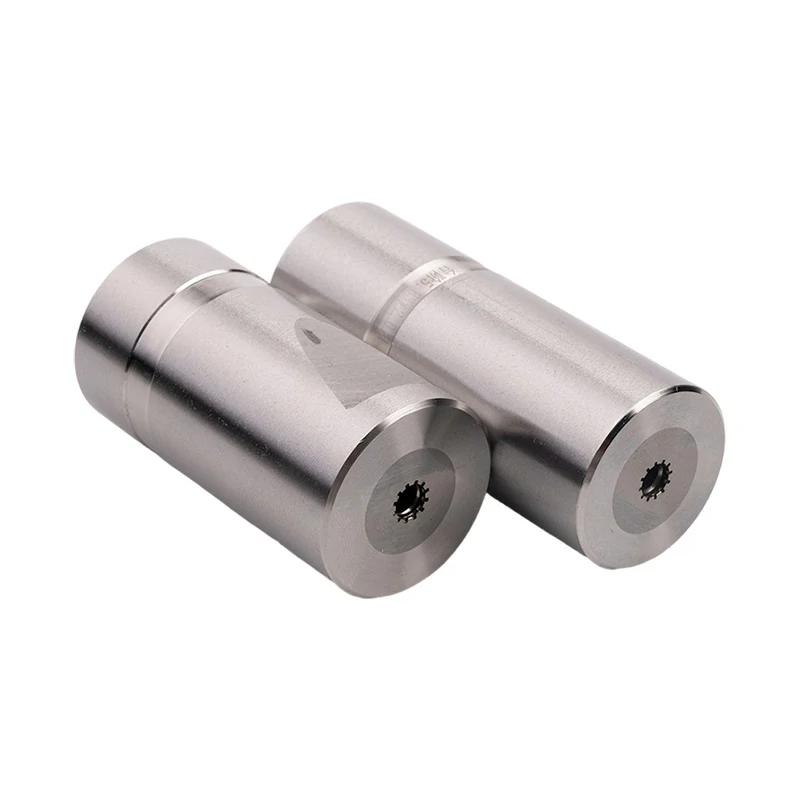
Tungsten carbide heading dies are critical components in the cold forming industry, used to manufacture fasteners like screws, bolts, and rivets with exceptional precision and durability. Valued for their extreme hardness, superior wear resistance, and ability to withstand high pressures, these dies shape metal wire into specific head forms. Their unique properties, derived from […]
Cold Heading vs. Hot Forging: Key Differences You Should Know
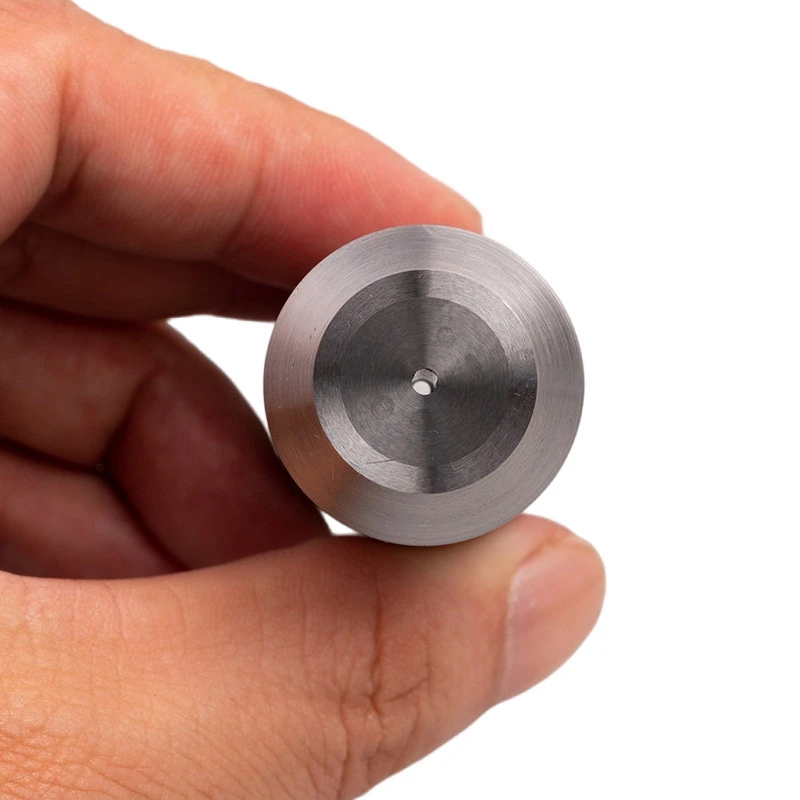
Cold heading vs. hot forging is a critical manufacturing decision based on temperature; cold heading shapes metal at room temperature for high-speed, precise production of smaller parts, while hot forging heats metal above its recrystallization point to form larger, more complex components with enhanced ductility. Understanding the fundamental differences between these two powerful metal forming […]
